 English
  Arabic
  Spanish
  German
 Sourcing high-quality glassware from overseas requires a clear understanding of factory operational economics. Knowing how to negotiate price and MOQ with a Chinese glass manufacturer determines the financial viability of a retail or wholesale product line. Many global buyers face high initial quotes and rigid minimum order quantities because they do not understand how factories calculate setup costs, material waste, and machine run-times. By analyzing these production variables, importers can structure their negotiations to secure competitive unit prices and flexible order terms without compromising product quality. This technical analysis outlines the exact steps to align buyer requirements with factory capabilities.
Why Do Chinese Glass Manufacturers Set Strict Minimum Order Quantities?
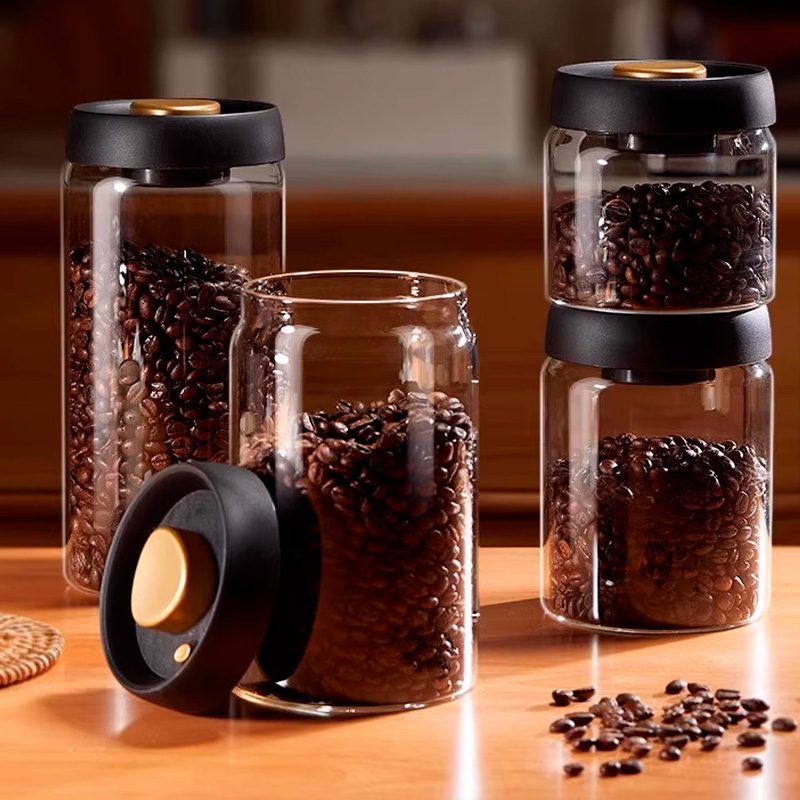
Glass manufacturing relies on thermodynamic stability and continuous mechanical operations. Unlike plastic injection molding, which can be paused easily, a glass melting furnace operates 24 hours a day at temperatures exceeding 1500 degrees Celsius. Stopping the furnace causes the molten glass to solidify, which destroys the refractory lining and ruins the equipment. Consequently, factories must run production lines continuously to maintain thermal equilibrium and operational efficiency. When a factory changes a product line, such as switching from borosilicate glass Food Storage Jars to a borosilicate drink glass water bottle, the transition requires hours of machine downtime to swap molds and recalibrate the automated molding machinery.
s)
During these setup phases, the initial output consists of unstable, defective pieces that the factory must discard and remelt. This process creates significant material waste and consumes substantial electricity. For a standard production run, a factory may waste up to 1000 pieces before the glass flow, mold temperature, and annealing furnace achieve the perfect balance required for defect-free output. If a buyer requests an order of only 500 units of a custom borosilicate glass jar or an Airtight Glass Jar, the setup waste alone exceeds the entire order volume. This is why manufacturers set high minimum order quantities (MOQs) to amortize the fixed costs of machine setup and material waste across a larger volume of finished goods.
For standard designs that use existing factory molds, the MOQ is typically lower because the factory can combine multiple small orders into a single production run. However, for custom shapes that require unique molds, the factory must charge for the setup time and the mold itself. Understanding this operational reality is the first step for any importer who wants to negotiate effectively with a manufacturer.
How Do Production Costs and Custom Mold Expenses Influence Glassware Unit Pricing?
The unit price of glassware is a direct reflection of raw material costs, energy consumption, labor, and tooling amortization. High borosilicate glass, which contains approximately 13% boric oxide, requires higher melting temperatures than standard soda-lime glass. This material composition increases energy costs and requires specialized production machinery. When sourcing products like a custom borosilicate glass cup or a double glass cup, buyers must recognize that the complexity of the design directly dictates the production speed and the defect rate. This is particularly true for complex items like Double Wall Glass Coffee Mugs that require manual assembly and precise sealing.
Custom molds represent a major upfront expense in glassware development. The type of steel used in the mold determines its durability and the surface quality of the finished glass. Standard iron molds are cost-effective for short production runs but wear out quickly, whereas alloy steel molds offer a much longer lifespan and produce a smoother surface finish. The table below details the technical specifications and cost structures of common mold materials used in Chinese glassware factories:
| Mold Material Type | Typical Lifespan (Pieces) | Surface Finish Quality | Relative Tooling Cost | Ideal Application |
|---|---|---|---|---|
| Cast Iron | 10,000 – 30,000 | Standard | Low | Low-volume promotional items |
| P20 Steel | 50,000 – 100,000 | High | Medium | Standard retail water bottles |
| S136 Stainless Steel | 200,000 – 500,000 | Premium Mirror | High | High-volume cosmetic jars |
| Carbon Graphite | 5,000 – 15,000 | Ultra-Smooth | Medium-Low | Specialized handmade glassware |
When a factory quotes a unit price, they calculate how quickly they can amortize these tooling costs. If a buyer pays for the mold upfront, the factory can often lower the MOQ because they do not need to recover the mold investment through unit sales. Conversely, if the factory absorbs the mold cost, they will require a higher MOQ and a higher unit price to guarantee they recover their initial capital expenditure. For instance, creating a custom Borosilicate [Glass Jar](https://jmborosilicate.com/products-category/products/glass-jar/) With Lid with a unique geometric shape requires a dedicated mold set, which can cost between 1500 USD and 5000 USD depending on the complexity of the design.
How Can Buyers Successfully Negotiate Price and MOQ with a Chinese Glass Manufacturer?
Negotiating with a glassware factory requires a collaborative framework rather than aggressive price-slashing tactics. Factories respond to buyers who demonstrate a clear understanding of production logistics and offer realistic growth projections. To secure the best terms, buyers should present their requirements as a unified package that balances order volume, tooling costs, and payment schedules. This approach permits the manufacturer to optimize their production capacity while minimizing financial risk.
Can Importers Negotiate a Lower MOQ by Offering a Higher Unit Price?
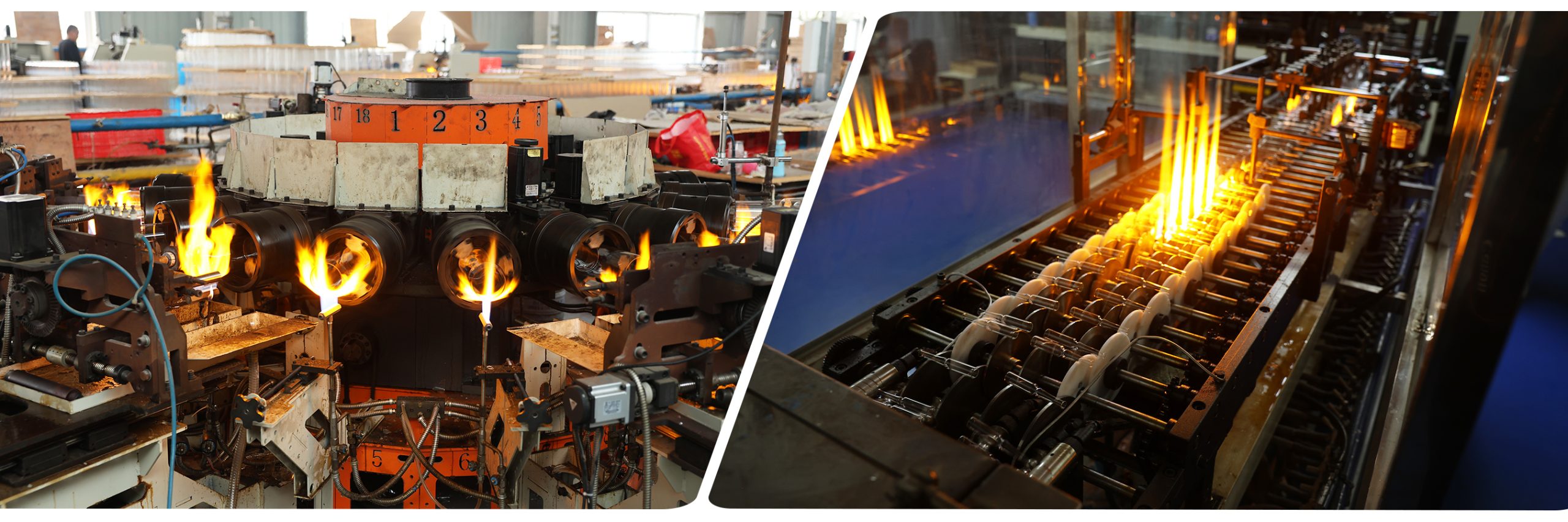
Offering a slightly higher unit price in exchange for a reduced initial order quantity is a highly effective strategy. For example, if a factory sets an MOQ of 3000 pieces for a custom borosilicate Sport Glass Water Bottle or a standard drink glass water bottle, a buyer can propose purchasing 1000 pieces at a higher rate. This premium offsets the factory’s setup costs and material waste during the short production run, making the order financially viable for the manufacturer. Once the product succeeds in the market, the buyer can transition to larger production runs at the standard unit price. This method reduces upfront inventory risk for the buyer while guaranteeing that the factory maintains its profit margins.
How Can Buyers Reduce Custom Glass Mold Expenses?
Buyers can minimize custom mold costs by utilizing standardized factory components. Many glassware products, such as a 32 oz borosilicate glass water bottle or a custom glass jar, can share existing molds for the glass body while customizing only the lids or surface printing. Standardized factory components can also be applied to drinkware, such as using existing molds for a borosilicate glass mug or standard Glass Coffee Mugs, while customizing only the logo or packaging. This approach eliminates the need for expensive custom steel molds, which can save thousands of dollars in upfront tooling fees for a new glass mug design. Additionally, buyers can negotiate a mold refund agreement, where the factory agrees to credit the initial mold fee back to the buyer once cumulative order volumes reach a specific threshold, such as 50,000 units.
What Payment Terms Help Secure Better Pricing from Glass Factories?
Payment terms are a powerful lever in price negotiations. The standard payment structure in Chinese manufacturing is a 30% deposit before production and 70% paid upon presentation of the Bill of Lading. Buyers can negotiate a lower unit price by offering more favorable cash flow terms to the factory, such as a 40% or 50% initial deposit. This upfront capital reduces the factory’s borrowing costs and demonstrates strong buyer commitment, which often prompts the manufacturer to offer a 2% to 5% discount on the unit price. Alternatively, utilizing a Letter of Credit can secure the transaction for both parties without tying up excessive cash reserves during the early stages of production.
How Can Importers Balance Quality Control with Glassware Price Reductions?
Pushing a manufacturer for extreme price discounts often leads to unintended quality compromises. When a factory is forced to operate on razor-thin margins, they may reduce costs by using lower-grade raw materials, shortening the annealing cycle, or reducing quality control staff. For example, a factory might substitute premium 3.3 borosilicate glass with low borosilicate glass, which has a lower thermal shock resistance and breaks easily under rapid temperature changes. Shortening the annealing process leaves high internal stress within the glass walls, causing spontaneous breakage during transit or retail use.
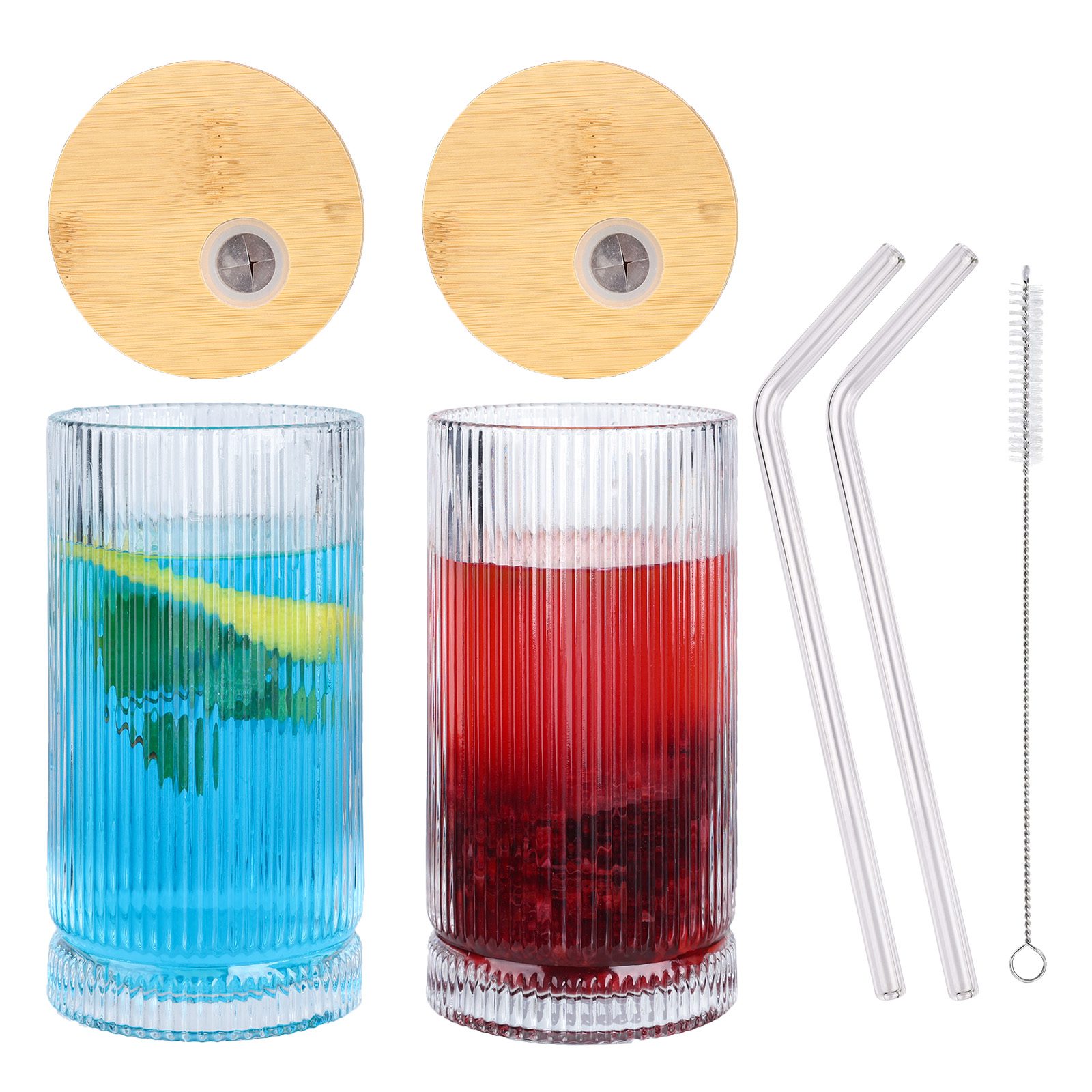
To safeguard product integrity, buyers must define clear, measurable quality standards in their purchasing contracts. These specifications should include minimum wall thickness, maximum bubble and seed tolerances, thermal shock resistance parameters (such as surviving a sudden 150-degree Celsius temperature drop), and compliance with international food-grade standards like FDA and LFGB. According to the ISO 7459 standard test method for thermal shock resistance of glass containers, high-quality borosilicate glass must withstand sudden temperature differentials of up to 150 degrees Celsius without fracturing. Implementing a strict pre-shipment inspection protocol by an independent third party guarantees that the factory adheres to these standards before the final payment is released.
If your program involves high-temperature applications or custom thermal shock requirements, it is worth confirming the exact coefficient of thermal expansion before finalizing your product specifications, and you can reach out to our engineering team at [email protected] to verify material compatibility.
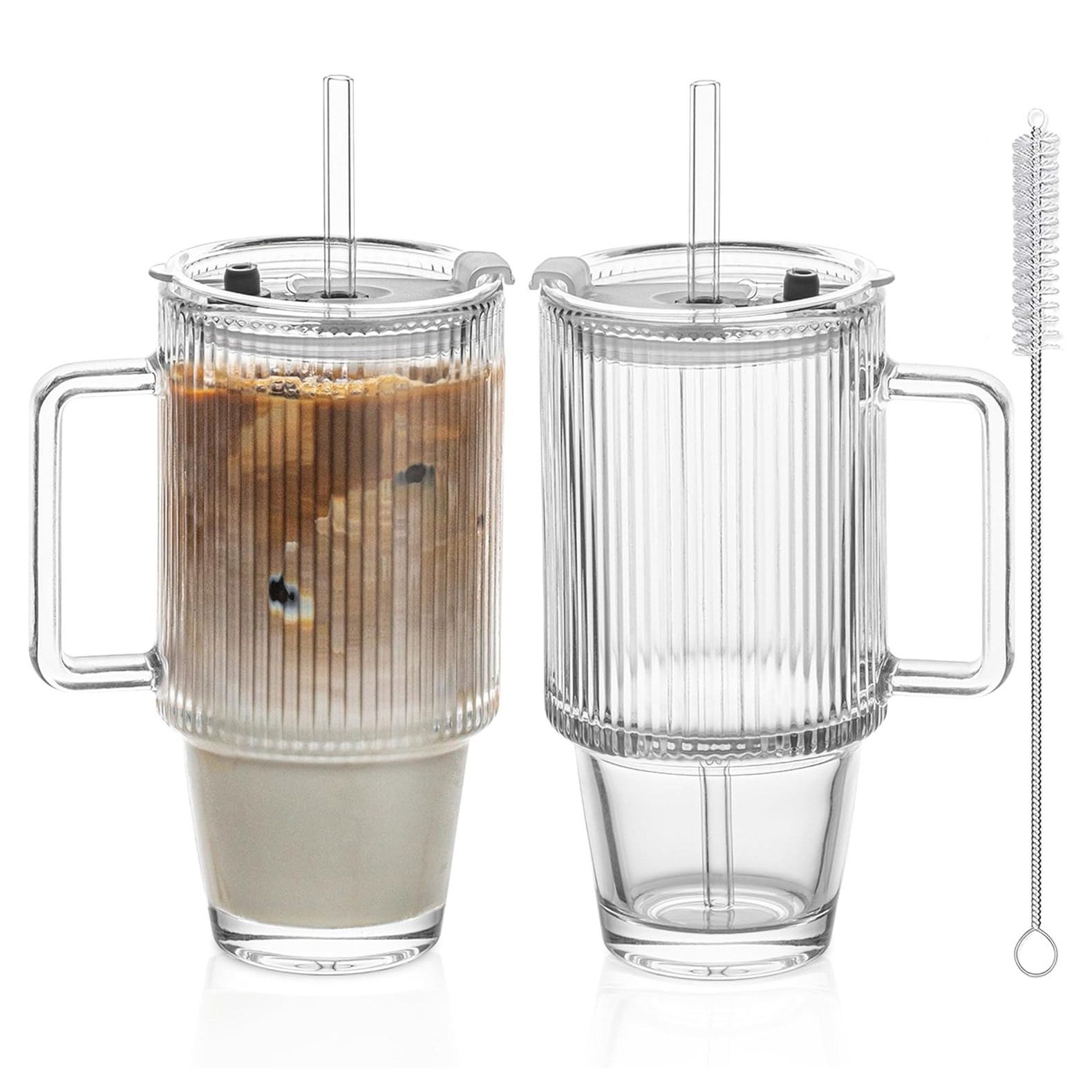
Managing the complexities of glassware manufacturing, custom mold development, and MOQ negotiations can be challenging for growing brands. At Xuzhou Jianmei Glass Products Co., Ltd., we eliminate these barriers by offering an industry-leading minimum order quantity of just 1 piece on standard items, backed by a 40,000-square-meter facility, 45 appearance patents, and full FDA and CE compliance. Whether you need custom glass mugs with handles or high-volume glass jars with bamboo lids, our team of 200 skilled professionals is ready to streamline your supply chain. Send your exact product dimensions, required quantities, and custom logo files directly to [email protected] to receive a detailed, factory-direct quotation within 24 hours.
What Common Questions Do Procurement Teams Ask About Glassware Sourcing?
What is the typical lead time for custom glass mold production in China?
Custom mold production typically requires 15 to 30 days from design approval to the first pre-production sample. This timeframe depends on the complexity of the glassware shape and the number of cavities in the mold. For standard items like a beer [glass cup](https://jmborosilicate.com/products-category/products/glass-cup/) with lid, factories can often bypass this step entirely by utilizing existing stock molds. If your project requires custom branding, sharing your vector artwork early in the process accelerates the tooling phase.
How do factories handle defective or broken items found after delivery?
Many buyers assume that factories will not take responsibility for transit breakage, but professional manufacturers offer a standard defect tolerance rate, typically around 1% to 2%. Any breakage exceeding this limit is covered by replacement credits on the subsequent shipment or direct refunds, provided the damage is documented with photos within 30 days of arrival. For premium items like double walled [glass mug](https://jmborosilicate.com/products-category/products/glass-mug/)s, utilizing reinforced export packaging minimizes transit risks. Share your shipping destination details with our team to verify packaging durability standards.
Is it possible to combine different glassware products to meet a factory’s total MOQ?
It depends on whether the products share the same glass formulation and production line. If you are ordering different capacities of a glass jar that use the same raw materials, factories can often aggregate the volumes to meet the overall furnace run requirements. However, combining a hand-blown glass cup with a machine-made glass water bottle is not feasible because they require completely different manufacturing setups. Confirming your product mix with the factory before finalizing your purchase order clarifies these technical boundaries.
What certifications should I require when importing borosilicate glassware?
In programs we have managed for global retailers, we have found that requiring FDA, LFGB, and CE certifications is mandatory to guarantee food safety and smooth customs clearance. These testing certificates verify that the glassware is lead-free, BPA-free, and safe for sudden temperature shifts. For specialized items like a beer can glass with lids and straw or a glass can with straw and lid, verifying the safety documentation of the accessory materials is equally important. Share your target market’s compliance documentation requirements with our compliance team at [email protected], and we will confirm the availability of relevant testing reports.
What Industry Standards and Data Sources Are Cited in This Guide?
The technical data and testing methodologies referenced in this guide are derived from the following international standards and industry publications:
If you’re interested, check out these related articles:
changing glass bottle strategies for global brands
what are the advantages of using insulated glass cups