 English
  Arabic
  Spanish
  German
 Glass jars with bamboo lids have become a preferred packaging choice for food brands aiming to project natural, eco friendly values. At our Jiangsu factory, we have seen a sharp rise in orders for these jars from European and North American clients, especially in the tea, coffee, and dry goods segments. Beyond the clean aesthetic, the jar’s material and lid construction determine how well it preserves product freshness and meets food safety regulations. Choosing a jar that looks good but lacks proper seal integrity or glass quality can damage a brand faster than no packaging at all. This article examines what food brand owners need to know about glass composition, bamboo lid durability, and sourcing reliable manufacturing partners.
The Rise of Glass Jars with Bamboo Lids in Food Packaging
Consumer demand for sustainable packaging continues to reshape retail food categories. Glass jars with bamboo lids sit at the intersection of two strong trends: the push away from single use plastics and the desire for reusable, aesthetically pleasing kitchen products. Social media platforms like Instagram and Pinterest have amplified the appeal, with #zerowastekitchen and #glassstorage generating millions of posts. For food brands, this packaging choice signals environmental responsibility to a growing segment of eco conscious shoppers. The jar itself becomes part of the product experience, often reused in the home long after the original contents are consumed, which reinforces brand visibility every time the jar is opened.
What Makes a Glass Jar Food Safe and Durable
Not all glass is equal when it comes to food packaging. The choice between borosilicate and soda lime glass directly impacts product safety and shelf life.
| Property | Borosilicate Glass | Soda Lime Glass |
|---|---|---|
| Thermal shock resistance | High (-20°C to 300°C) | Low, not rated for hot fill |
| Chemical durability | Excellent, minimal leaching | Moderate, may interact with acidic foods |
| Impact resistance | Better than soda lime | More prone to breakage |
| Common use | Premium food storage, labware | General packaging |
s)
For food brands, borosilicate glass offers three key advantages: it withstands temperature fluctuations from manufacturing processes like hot filling, it does not impart taste or odor, and it resists chemical degradation. Our factory produces jars from 3.3 borosilicate glass, which is free of BPA and lead, and certified to FDA and LFGB standards. I have repeatedly seen how switching from soda lime to borosilicate eliminates complaints about clouding or off flavors in the first year of use.
The annealing process also matters. If a jar is not properly annealed, internal stresses cause it to crack under minor temperature changes. We run every batch through a controlled cooling cycle to relieve these stresses, a step that is easy to overlook in high speed production but impossible to skip without consequences.
Bamboo Lid Quality: What to Look for in a Supplier
Bamboo lids give the jar its distinctive look, but they also present the most common failure point in food packaging. Lids that warp, crack, or develop mold not only waste product, they erode customer trust.
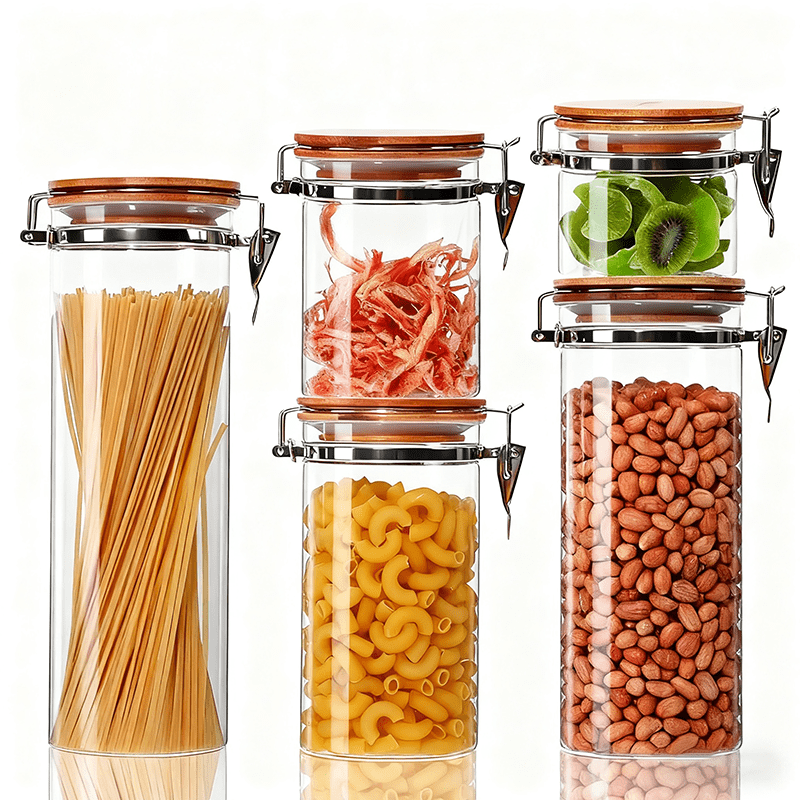
The quality of the bamboo itself is the starting point. We source kiln dried Moso bamboo with a moisture content below 10%, which resists warping better than air dried alternatives. Even then, a bamboo lid without a proper silicone seal ring cannot deliver an airtight closure. At our quality station, we test seal integrity by filling a jar with water, inverting it, and monitoring for 24 hours. A lid that passes this test under production conditions will hold up in retail distribution.
What to ask your supplier: What is the moisture content of the raw bamboo? Is the bamboo treated with any coatings? Does the lid include a food grade silicone ring? The answers to these questions separate suppliers who understand food packaging from those who only understand kitchen decor.
If your product line includes moisture sensitive foods like tea or powdered supplements, confirming lid seal performance with a pre production sample is a practical next step before committing to a bulk order. Reach out to us at [email protected] to request a test sample built to your specifications.
How to Source Glass Jars with Bamboo Lids at Scale
Scaling from sample to full container load requires a supplier with the production depth to maintain consistency across thousands of units. At our 40,000 square meter facility, 100 automated lines produce 200,000 glass pieces daily, supported by a 200 employee workforce. This capacity means we can meet delivery dates even when order volumes expand mid quarter, which is a common pain point for growing food brands.
When evaluating a glass jar manufacturer, verify their certifications first. FDA and LFGB testing reports should be current and available for the specific product line you are ordering. Factory audit reports such as BSCI provide additional assurance of ethical operations and management systems. Our facility holds 120 product testing certifications, covering everything from heavy metal leaching to thermal shock resistance.
Minimum order quantity is often flexible when approached as a total order value rather than a per SKU limit. We offer sample orders starting at a single piece, and bulk MOQs are negotiable based on your product mix. The key is to build a relationship where the manufacturer understands your growth plans and adjusts production scheduling accordingly.
Customizing Your Glass Jars for Brand Impact
A generic jar off the shelf does little to differentiate your brand on crowded retail shelves. Customization transforms the jar into part of your product identity.
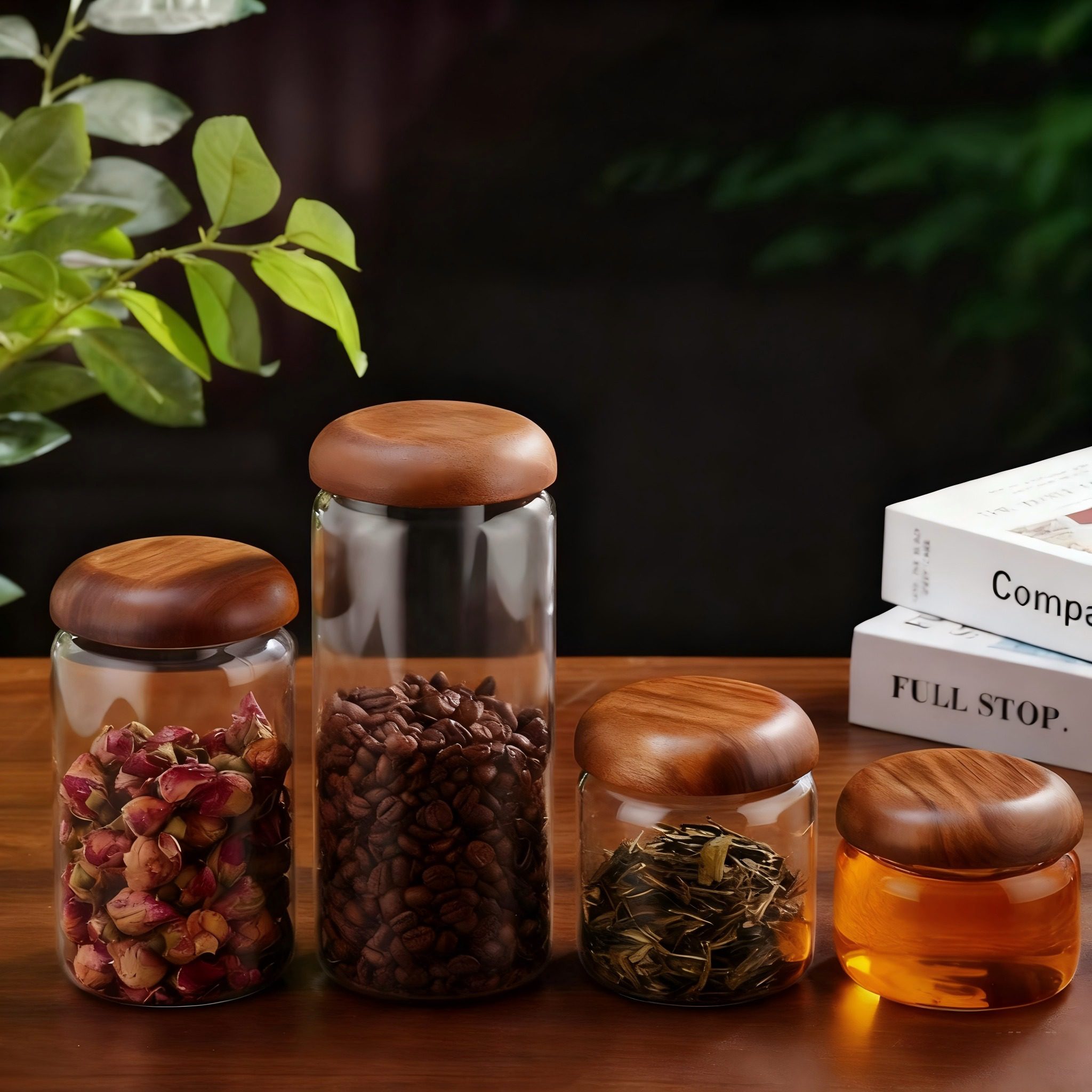
We support custom mold development for unique jar shapes and sizes, allowing food brands to create exclusive packaging that competitors cannot easily replicate. For branding, options include silk screen printing, laser engraving, and decal application, each with different cost profiles and durability. Silk screen printing works well for logo placement on the jar body, while laser engraving on the bamboo lid adds a subtle premium touch.
Even small details like the lid finish or the shape of the jar opening can influence the consumer’s perception of product quality. I have worked with brands that increased their retail price point by 30% simply by switching from a standard round jar to a custom hexagonal mold with a branded bamboo lid. The perceived value increase was immediate and consistent across multiple retail channels.
Packaging is another layer of differentiation. We can provide branded boxes, inserts, and labels that arrive retail ready, reducing your assembly costs. Because our production lines handle both glass forming and finishing under one roof, the risk of miscommunication between separate mold, glass, and packaging vendors disappears.
Ensuring Your Supply Chain Delivers Quality Every Time
Building a reliable supply chain for glass jars with bamboo lids means choosing a manufacturing partner with documented quality systems, not just attractive catalog photos. At our factory, every jar passes through inline inspections before final packing, and we welcome third party pre shipment audits. This transparency has helped food brands scale from test market batches to nationwide distribution without a single recall.
If you are ready to source glass jars with bamboo lids that meet food safety standards and support your brand positioning, contact us at [email protected]. Share your capacity requirements and lid specifications, and we will provide a tailored quote and sample lead time.
Common Questions About Glass Jars with Bamboo Lids
Are glass jars with bamboo lids truly airtight?
They can be when fitted with a food grade silicone seal ring inside the lid. In our testing, a properly sealed jar retains a vacuum under water for over 24 hours. Without that seal, the bamboo to glass contact alone is not airtight and moisture can enter. Always confirm the seal design with your supplier before ordering.
How do bamboo lids compare to metal or plastic lids for food safety?
Bamboo is a renewable material free of BPA and phthalates, unlike many plastic liners. Metal lids are durable but often use plastic coatings. The concern with bamboo is moisture absorption if untreated. We use kiln dried Moso bamboo with a moisture resistant treatment to prevent mold and warping, making it comparable in safety to metal options while offering a more natural aesthetic.
What minimum order quantity should I expect for custom glass jars?
This varies by factory. We accept custom sample orders starting from one piece, and mass production MOQs are negotiable, typically around 500 to 1000 units per SKU for complex customization. Discussing your total order volume rather than per item limits often secures better terms.
Do your glass jars meet FDA and LFGB standards?
Yes, all our borosilicate glass jars are tested and certified under FDA and LFGB standards, verifying they are free from lead, cadmium, and other harmful substances. We provide the latest test reports with each shipment for your records.
How can I prevent bamboo lids from cracking or warping?
Lid longevity depends on the humidity during storage and use. We recommend customers hand wash lids and avoid prolonged soaking. At the manufacturing level, using bamboo with moisture content below 10% and applying a protective treatment greatly reduces warping. Silicone rings should be removed before washing to prevent stretching. If your product line will be stored in humid environments, sharing that detail with us at [email protected] upfront allows us to recommend the best lid construction approach for your needs.
If you’re interested, check out these related articles:
custom glassware the new global wave in festival consumption
changing glass bottle strategies for global brands
best custom artistic water bottles wholesale