
 English
  Arabic
  Spanish
  German
 A buyer in Germany recently asked us whether our amfori BSCI audit report covered the specific workshop that would run his glassware order. That is the right check. BSCI certification, as buyers commonly call it, signals that a factory has been assessed against a set of social and labor requirements, but it does not mean every line, subcontractor, or export order receives identical attention. For glassware sourcing, the audit is most valuable when procurement teams treat it as a starting point and confirm scope, validity, and follow-up before committing. In our Jiangsu plant, where we mold high borosilicate glass cups, jars, and bottles, I see how audit requirements reshape daily line management, from shift records to furnace safety.
What Does BSCI Certification Actually Cover?
with Wood Lid)
BSCI is the Business Social Compliance Initiative, now managed through the amfori BSCI platform. It is not a product certificate for glass and not a factory certification in the ISO sense. It is an audit system built around a code of conduct that covers labor standards, health and safety, working hours, fair remuneration, environmental responsibility, and ethical business behavior. For glassware, those requirements stretch across running production, not just sample rooms or export floors.
| Performance area | What it means for glassware production |
|---|---|
| Fair remuneration | Wage and overtime records must match production shifts and output |
| Decent working hours | Furnace and line schedules cannot hide repeated excessive overtime |
| Occupational health and safety | Heat protection, glass handling, and annealing controls |
| No child labor or bonded labor | Age verification and employment records for all shop floor roles |
| Ethical business behavior | No hidden subcontracting or misleading audit scope |
For a high borosilicate glass production line, the audit has to look beyond final packing. The furnace, molding machines, annealing furnace, and sorting stations are all part of the labor and safety picture. A clean report on the packing room only tells you part of the story.
How Does BSCI Compare to Product Safety Certification?
BSCI covers social and labor conditions. It does not test whether a glass jar passes FDA or LFGB limits for lead and cadmium migration. A glassware line can hold both types of documentation, but they answer different questions. Our facility maintains product test reports for food-contact glass and also keeps the BSCI audit report available for social compliance review. Buyers should request both when they evaluate a production line.
Why Should Glassware Buyers Treat BSCI Certification as a Baseline?
s)
European and North American retail programs increasingly ask for social audit documentation before they will approve a new glassware supplier. For procurement teams, BSCI certification functions as a screening tool. It shows that an external audit has reviewed basic labor practices, but it does not remove the need to verify the supplier’s production capacity, material quality, or lead time stability.
The practical reason is risk. Glassware orders often involve long furnace campaigns, high temperatures, and manual sorting. A factory that is careless with worker safety can still produce attractive samples, but that operational weakness eventually shows up in breakage, inconsistent quality, or order delays. Buyers who treat the audit as a baseline buy themselves a clearer conversation about how the factory is actually run.
How Do Glassware Factories Put BSCI Requirements Into Practice?
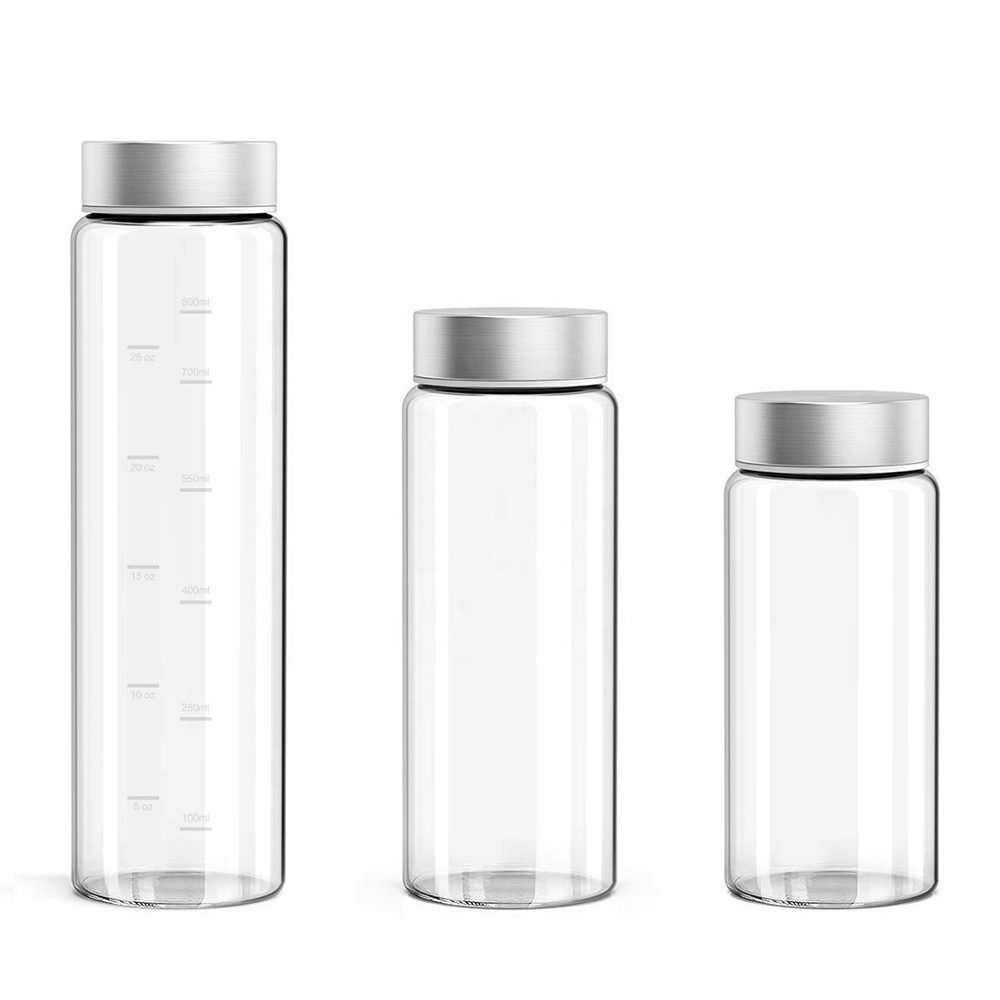
In our facility, the first BSCI audit showed gaps in shift record alignment and safety barrier placement around the annealing furnace. That finding changed how we run daily production planning. Shift records now have to align with clock-in data. Wage documentation has to match overtime approval and production volume. Safety barriers around molding machines, glass handling stations, and the annealing furnace are checked as part of the audit, not as a one-time fix.
The hardest area for a glass factory is usually working hours. Furnace output is continuous, but staffing has to be planned so that production does not depend on repeated long shifts. We manage this by aligning shift teams with furnace cycles and by maintaining enough trained operators across molding, annealing, and sorting. The audit gives us a structure to hold that standard over time rather than only during a customer visit.
If your glassware program involves high-volume heat-resistant products or private-label lines, it is worth confirming the BSCI audit scope before finalizing your bill of materials. Reach us at [email protected].
What Should You Check Before Accepting a BSCI Certificate?
Ask the supplier to send the full audit report, not just the cover page. The report should name the production site you are actually evaluating. If a trading company offers a certificate from a different legal entity, pause and ask for the factory audit. That single check removes a large share of misrepresented claims.
| Check | What to request |
|---|---|
| Audit date and expiry | Valid current report with site name |
| Audit scope | Confirms molding, annealing, sorting, and packing are included |
| Subcontractor list | Names any outside processes such as decal application or lid sourcing |
| Non-conformances | Closed findings with corrective action records |
| Site detail | Matches the actual facility that will run your order |
For glassware, the audit scope is the most important page. A report that covers only final assembly will not tell you whether the furnace crew, mold shop, and annealing operators were included. If the supplier cannot explain the scope, you have not completed supplier verification. This is the difference between a document that satisfies a form request and one that actually protects your order.
How Can You Source Glassware With BSCI Verification?
Reading a BSCI audit report is only the first step. The next step is to match the documentation with the glassware production line that will handle your order. If the scope includes high borosilicate glass molding, annealing, and packaging, the report is relevant. If it only covers a small assembly area, you have more work to do before approving the supplier.
At Xuzhou Jianmei Glass Products Co., Ltd., we are ready to share our audit documentation and explain how it maps to the production area for your cups, jars, or water bottles. Send your part number, target quantity, and destination market to [email protected] and we will confirm the applicable compliance record before you commit.
What Questions Do Buyers Ask About BSCI Certification?
Is BSCI Certification the Same as an Ethical Sourcing Guarantee?
No. BSCI certification is an audit result, not a warranty against every labor risk in the supply chain. It shows that an independent assessment was completed against a defined code, and that corrective actions were recorded for any findings. For glassware, we still recommend checking the audit scope, date, and site, because a certificate can be narrow or outdated. It is one strong document in a wider supplier file, not a substitute for ongoing inspection and clear contract terms.
Do Retail Buyers Accept a Supplier BSCI Report Without an Additional Factory Visit?
Many buyers assume that one social audit automatically satisfies every retail program, but acceptance rules vary by retailer and country. Some European retail partners accept the full BSCI audit report as part of the vendor approval file. Others still require their own audit or an escalation audit before the first shipment. The safest move is to ask the retail buyer whether the BSCI report meets their specific approval tier, then request the full report from the factory with the correct site and validity date.
Does BSCI Cover Subcontractors Like Lid or Packaging Suppliers?
It depends on how the audit scope was structured. A factory audit may include subcontracted processes if they are declared during the audit, but many subcontractors fall outside the main report. For glassware, lids, silk screen printing, decals, and gift box assembly are common outside processes. Buyers should ask whether those suppliers have their own social audit records, or whether the main factory controls and verifies them. If not, include supplier due diligence for those components in the purchase agreement.
What Should I Request Before Making a Bulk Glassware Order?
In production programs we have managed, the orders that moved smoothly shared four records: the BSCI audit report, product test reports such as FDA or LFGB, a confirmed production schedule, and a pre-shipment inspection arrangement. The first two verify compliance, the third confirms delivery planning, and the fourth catches quality risks before goods leave the plant. Share your capacity requirements and destination market at [email protected] and we will confirm which records apply to the line assigned to your order.
If you’re interested, check out these related articles:
jianmei glass borosilicate glassware series
best custom artistic water bottles wholesale
explosive food grade borosilicate glass cups
taste sustainability why choose glass
advantages selection of food storage glassware