
 English
  Arabic
  Spanish
  German
 Retailers stocking borosilicate glassware face a practical challenge: customers assume all glass behaves the same way in heat. It doesn’t. The difference between a product that performs reliably and one that cracks in a customer’s oven comes down to material composition, manufacturing quality, and how well you communicate usage limits. Getting this right protects both your customers and your business reputation.
What Actually Makes Borosilicate Glass Different
Borosilicate glass earns its reputation through chemistry, not marketing. The material combines silica with boron trioxide, creating a molecular structure that expands far less when heated than standard soda-lime glass. This low thermal expansion coefficient is the reason borosilicate glass handles temperature swings that would shatter ordinary glassware.
The manufacturing matters as much as the formula. Precise control over raw material ratios during production, followed by careful annealing, determines whether the finished product will perform consistently or develop weak points. Cheaper production shortcuts show up later as unexpected failures.
!High Borosilicate Glass Jars
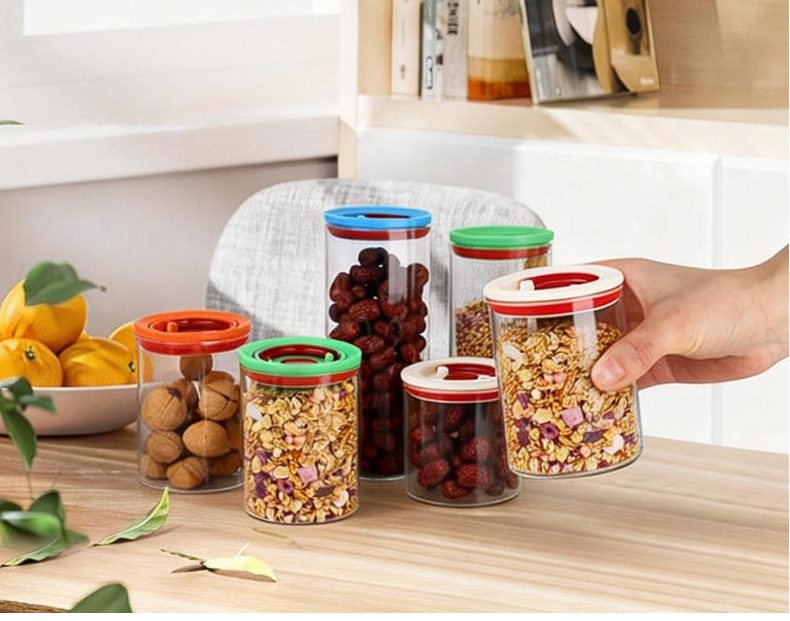
Our 3.3 Borosilicate Glass products demonstrate what proper manufacturing achieves. The Borosilicate Glass Cup with Wood Lid handles temperatures from -20°C to 300°C because the boron trioxide creates a glass matrix that resists microscopic crack propagation under thermal stress. This range covers virtually any realistic kitchen scenario, from freezer storage to oven reheating.
Microwave and Oven Use: What Retailers Need to Communicate
Borosilicate glass tolerates heat well, but it still follows physics. Retailers who provide clear usage guidelines prevent the kind of incidents that generate returns and complaints.
| Feature | Borosilicate Glass | Soda-Lime Glass (Standard) |
|---|---|---|
| Thermal Expansion | Low | High |
| Temperature Range | -20°C to 300°C | 0°C to 100°C |
| Thermal Shock | High Resistance | Low Resistance |
| Oven Safe | Yes | No (typically) |
| Microwave Safe | Yes | Yes |
The failures happen at the extremes. Placing hot borosilicate glass directly onto a cold, wet countertop creates thermal shock even in high-quality material. Moving a container straight from freezer to hot oven asks too much of any glass. The solution is simple: let glassware reach room temperature before heating or cooling.
Our borosilicate glass Food Storage Jars handle daily kitchen use without issue when customers follow these basic practices. The product performs; the question is whether customers understand the boundaries.
For more on identifying glass types, see 《how to distinguish sodalime glass from borosilicate glass》.
Verifying Quality Before You Stock It
Selling borosilicate glassware means taking responsibility for what you put on your shelves. The certification landscape provides clear markers of legitimate quality.
!Airtight Rectangle Storage Containers
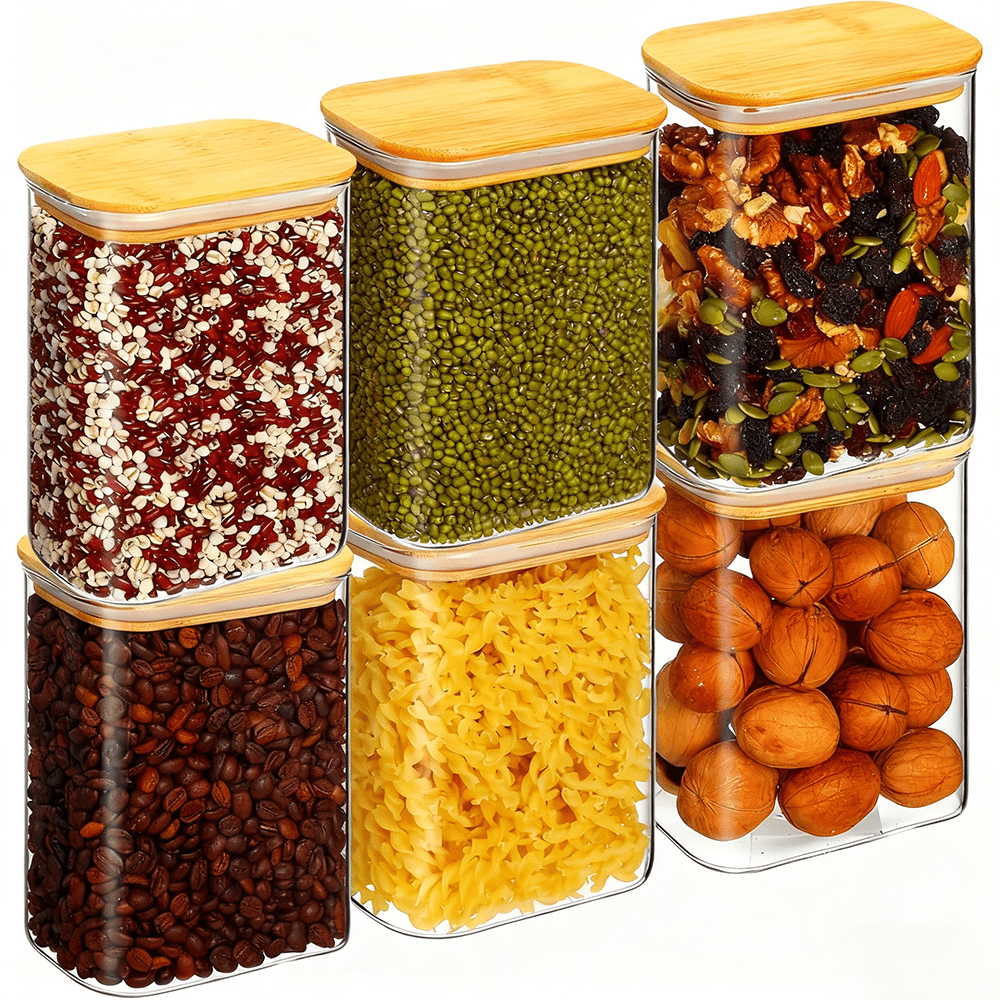 FDA, CE, and LFGB certifications indicate products have passed food safety testing and meet performance standards. These aren’t optional extras. They represent documented evidence that a supplier’s claims hold up under independent verification.
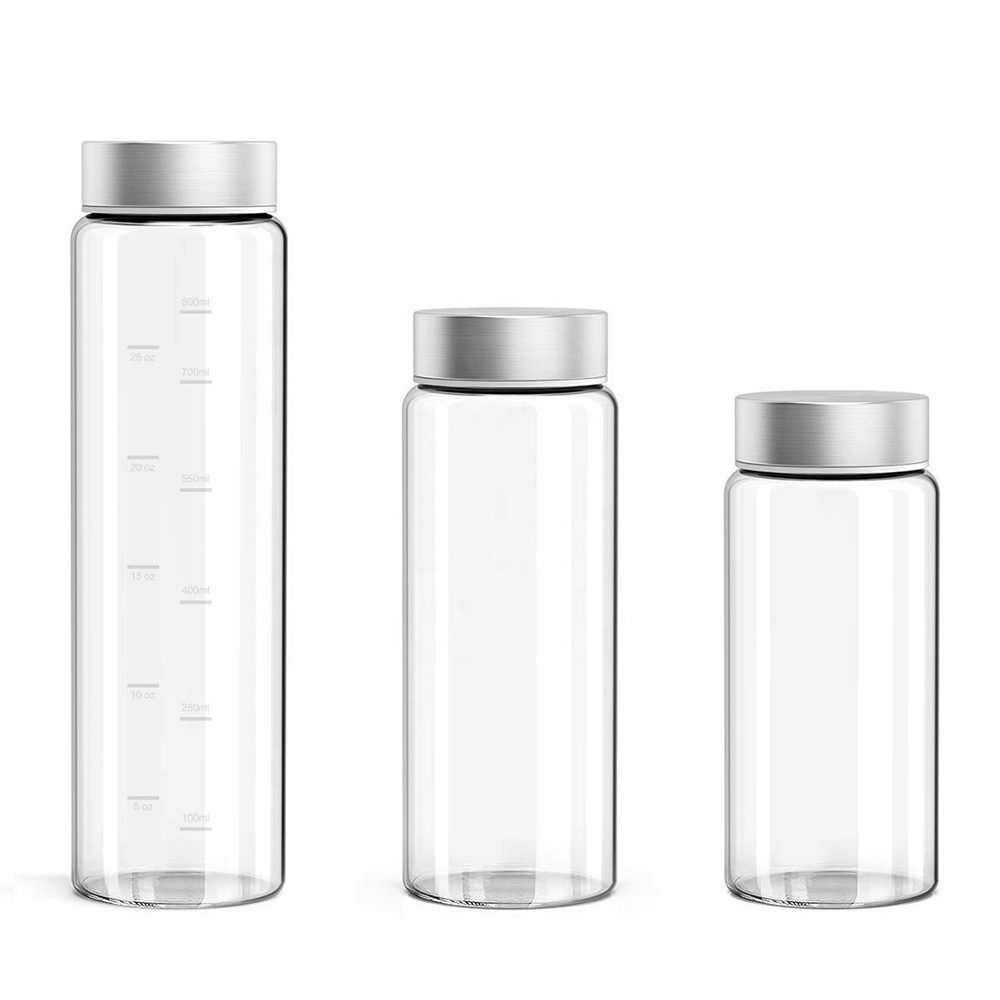
Our borosilicate glass water bottle undergoes testing that confirms BPA-free and lead-free composition. Quality control spans the entire production process, from raw material inspection through final product verification. Retailers should request this documentation before placing orders. Test reports and certificates protect you if questions arise later about product safety.
The suppliers who hesitate to provide documentation are telling you something. Listen.
Addressing What Customers Get Wrong
Retail staff encounter the same misconceptions repeatedly. Preparing clear answers builds customer confidence and reduces post-purchase problems.
!Borosilicate Glass Coffee Mugs
The most common mistake is assuming all glass handles oven temperatures. Standard glass doesn’t. Tempered glass and borosilicate glass both offer advantages, but different ones. Tempered glass resists impact better and breaks into safer fragments. Borosilicate glass handles thermal stress better. Neither is universally superior; they serve different purposes.
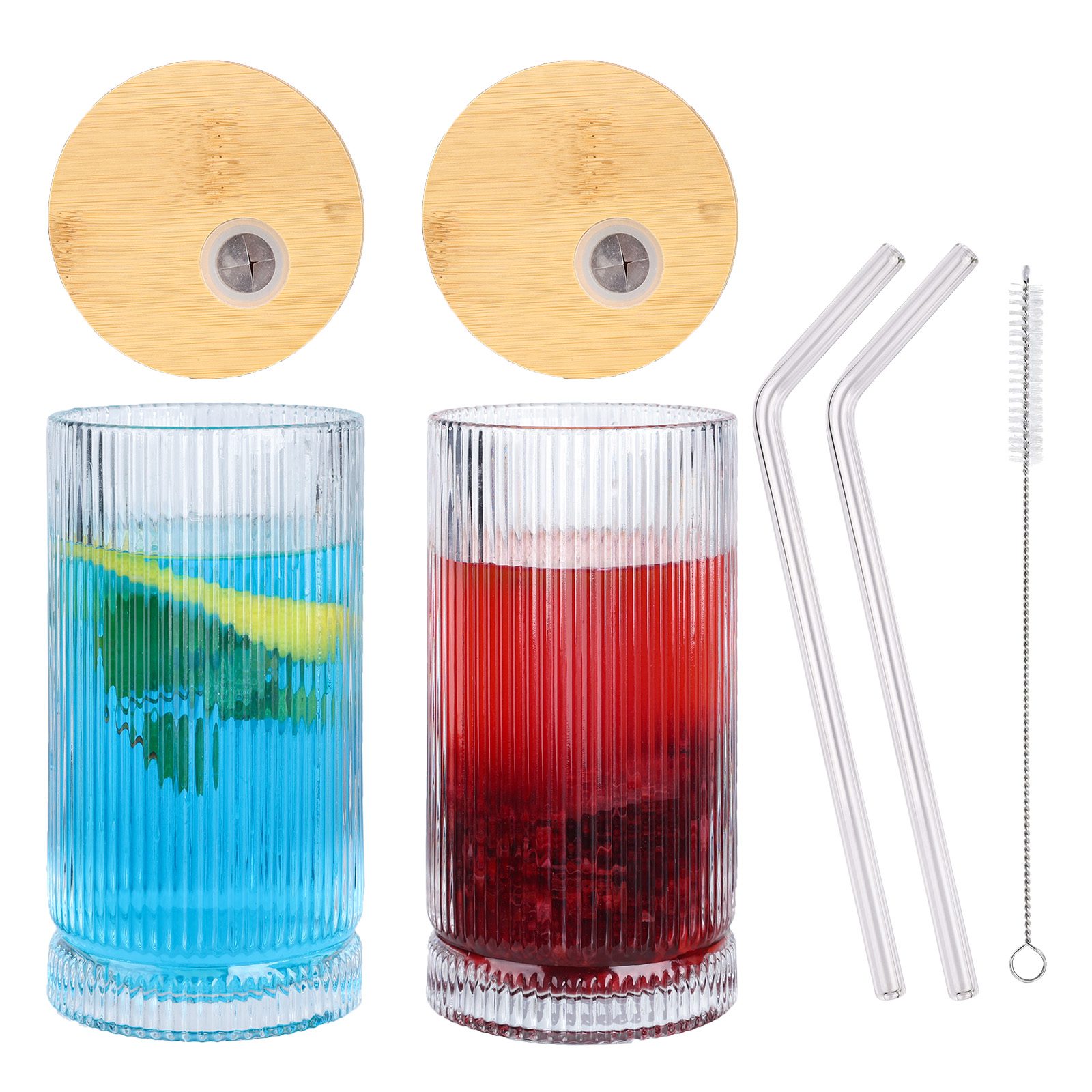
Customers also need to understand that borosilicate glass can still break under severe impact. The material resists thermal shock, not physical force. Our Focus on borosilicate glass cup and Focus on borosilicate glass mug products won’t leach chemicals into beverages, addressing another common concern about glass safety. Clear answers on these points help customers choose appropriately and use products correctly.
Finding a Manufacturing Partner Worth Trusting
The supplier relationship determines product quality more than any other factor. A manufacturer’s capabilities, certifications, and track record reveal whether their products will perform as claimed.
 Xuzhou Jianmei Glass Products Co., Ltd. operates a 40,000 sq.m facility with 100 advanced machines and a 200-person team focused on heat-resistant borosilicate glass. The numbers that matter most: 45 appearance patents, 32 IP rights, and 120 international certifications including FDA and CE. This investment in documentation and intellectual property reflects manufacturing discipline.
Production capacity of 200,000 pieces daily supports consistent supply for retailers across North America, South America, Europe, and Oceania. Custom orders, OEM services, and flexible minimum orders accommodate different retail models. The infrastructure exists to scale with your business.
!Drinking Glass Cup
 For guidance on evaluating suppliers, read 《five golden rules for finding excellent suppliers a procurement guide for borosilicate glass products》.
Partner with Jianmei for Premium Borosilicate Glassware
Xuzhou Jianmei Glass Products Co., Ltd. brings documented expertise to heat-resistant borosilicate glassware. Our 45 appearance patents, 32 IP rights, and 120 international certifications (FDA, CE) back every product leaving our 40,000 sq.m facility. Custom designs, OEM services, and flexible minimum orders fit your specific retail requirements. Contact us at [email protected] to discuss your needs.
Frequently Asked Questions About Borosilicate Glass Safety
What makes borosilicate glass safe for high temperatures in microwaves and ovens?
The boron trioxide in borosilicate glass creates a low thermal expansion coefficient. When the material heats up, it expands minimally compared to standard glass. This stability prevents the internal stress that causes ordinary glass to crack during temperature changes. The result is reliable performance across the -20°C to 300°C range that covers typical kitchen heating and cooling.
How can retailers verify the safety claims and quality of borosilicate glass products?
Request certification documentation from recognized bodies like FDA and CE before placing orders. Third-party test reports provide independent verification of supplier claims. Understanding how a manufacturer handles quality control throughout production reveals whether their processes support consistent product quality. Suppliers who provide this documentation readily are demonstrating accountability.
Are there specific certifications retailers should look for to ensure borosilicate glassware is genuinely safe?
FDA approval, CE certification, and LFGB standards confirm compliance with food safety requirements and quality benchmarks. ISO certification indicates adherence to international manufacturing standards. These certifications represent documented evidence that products have passed independent testing, providing protection if questions arise about product safety.
What are the key differences between borosilicate glass and regular tempered glass for kitchen use?
Borosilicate glass handles thermal shock better due to its low thermal expansion. Tempered glass offers superior impact resistance but can fail dramatically if its surface is damaged or if it experiences rapid temperature changes. Borosilicate glass suits applications involving heating and cooling cycles. Tempered glass works better where physical durability matters more than thermal performance.
How should retailers advise customers on the proper care and use of borosilicate glass to maintain its safety?
Emphasize gradual temperature transitions. Let glassware reach room temperature before moving it to heat or cold. Avoid placing hot glass on cold, wet surfaces. Point customers to microwave-safe symbols and stated temperature limits on packaging. These simple practices prevent the thermal shock that causes breakage, ensuring the product performs as designed.