 English
  Arabic
  Spanish
  German
 Setting up a recurring corporate glass gift program takes more thought than most people expect. It’s not just about picking nice items and sending them out on a schedule. The real value comes from building something that clients and employees actually look forward to receiving—gifts that feel intentional rather than obligatory. After working through dozens of these programs, the difference between ones that strengthen relationships and ones that get forgotten usually comes down to a few key decisions made early on.
Building a Program That Actually Works Long-Term
A recurring corporate gift program needs structure, but not the rigid kind that makes every delivery feel like a transaction. The goal is sustained engagement that reinforces your brand without becoming predictable or stale. Companies that approach this strategically—treating it as relationship infrastructure rather than a line item expense—tend to see measurable improvements in client retention and employee satisfaction.
The foundation matters more than most realize. Before selecting products or setting schedules, clarify what you’re trying to accomplish. Are you reinforcing loyalty with existing clients? Recognizing employee milestones? Maintaining visibility with partners during long sales cycles? Each objective shapes different choices downstream.
Why Glass Specifically?
Glass carries weight that other materials don’t. A well-made borosilicate glass water bottle or storage jar communicates quality in a way that branded pens or tote bags simply cannot. Recipients use these items daily, which means your brand stays visible without feeling intrusive. The durability of borosilicate glass—resistant to thermal shock and temperature extremes—means these gifts last for years rather than months.
Designing Custom Glass Products That Reflect Your Brand
The design phase determines whether your gifts feel generic or genuinely thoughtful. Borosilicate glass provides an excellent canvas for customization because it accepts various finishes and maintains clarity over time. Unlike standard soda-lime glass, it won’t cloud or degrade with regular use.
Custom designs should balance brand visibility with practical utility. A glass cup with a subtle logo etched into the base often makes a stronger impression than one with oversized branding that dominates the piece. Recipients appreciate restraint—it signals confidence rather than desperation for attention.
Product options worth considering include:
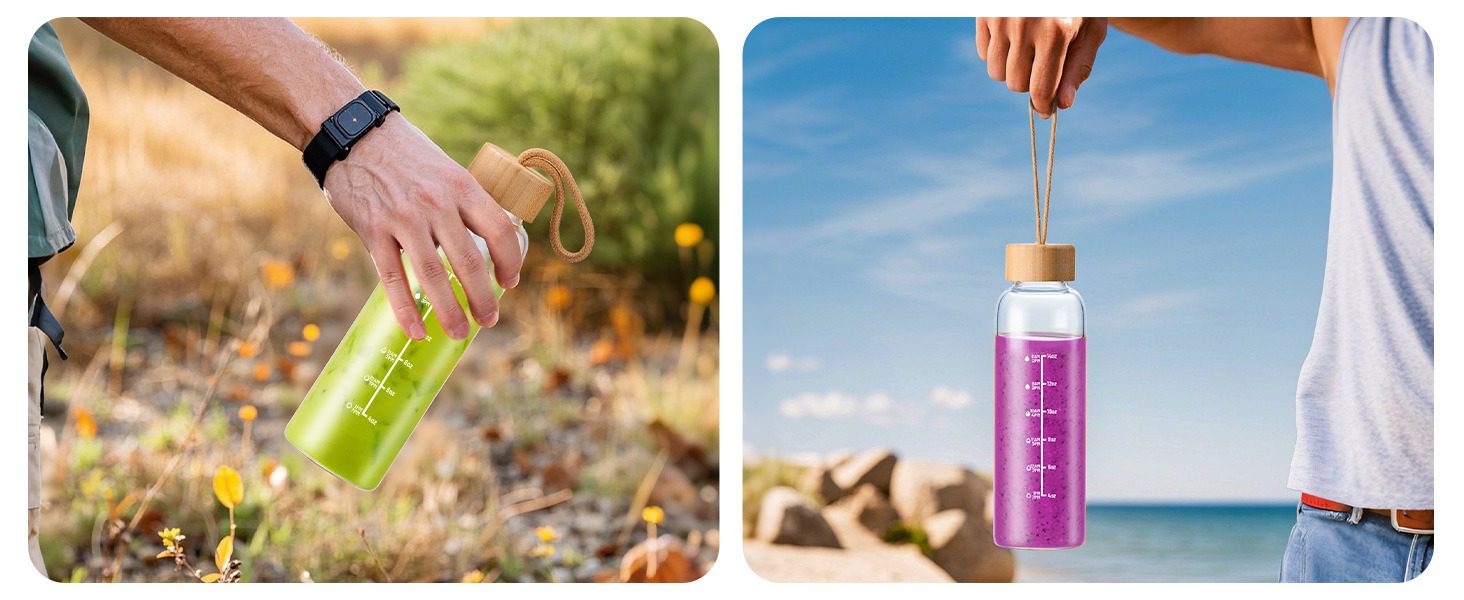
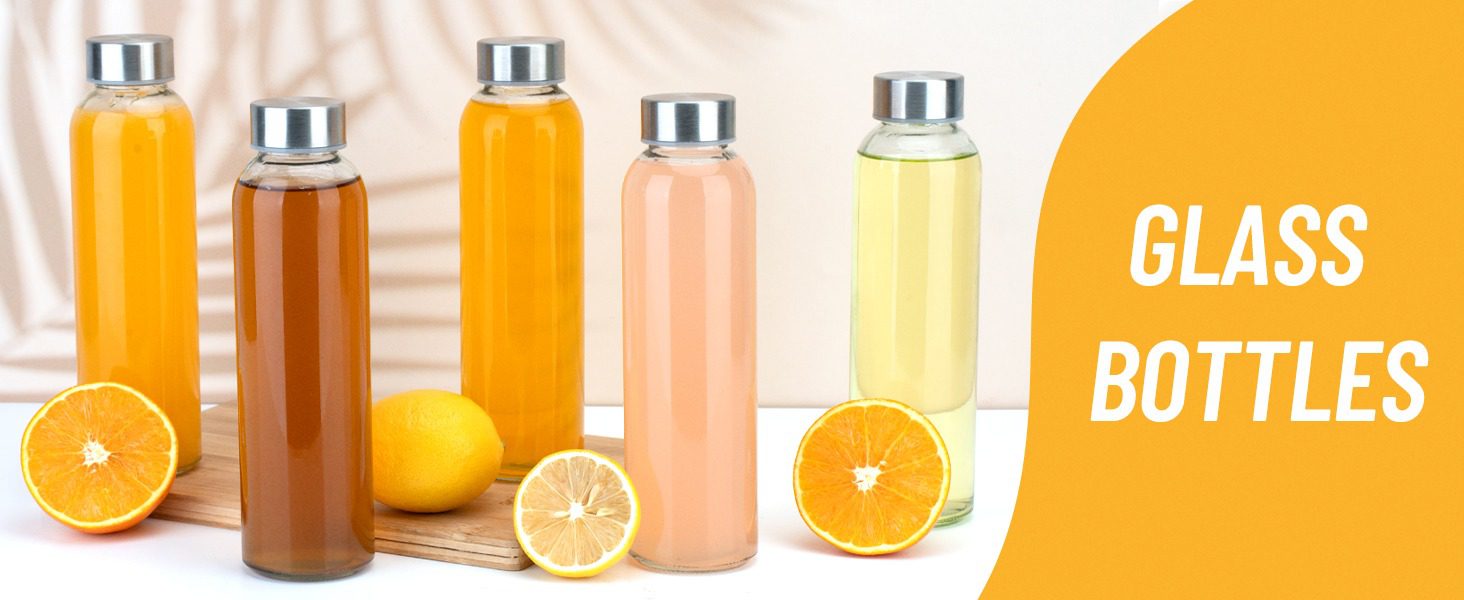
- 500ml glass water bottles (BPA-free, lead-free construction)
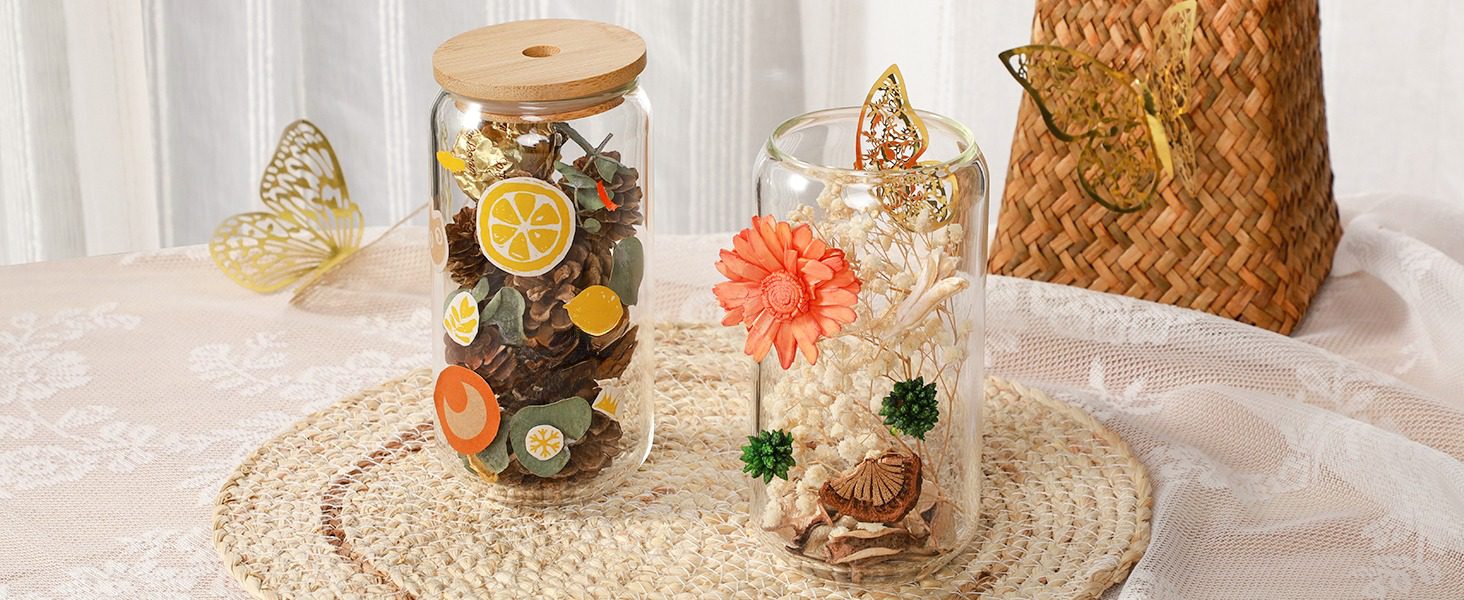
- Borosilicate glass cups with wood lids, available in 300ml to 1000ml capacities
- Glass tea tumblers with infuser compartments
- Airtight borosilicate glass food storage jars
Each can be customized in body shape, size, and capacity to match specific program requirements.
Working with OEM Partners for Consistent Quality
Scaling a corporate glass gift program while maintaining quality standards requires the right manufacturing partnership. OEM relationships provide access to specialized production capabilities that most companies couldn’t justify building internally.
The difference between adequate and excellent OEM partners shows up in the details: certification compliance (FDA, CE), intellectual property protections, and production consistency across large orders. A facility with significant capacity—say, 200,000 pieces daily from 100+ advanced machines—can handle recurring program demands without quality fluctuations that plague smaller operations.
What OEM Support Actually Provides
Beyond basic manufacturing, strong OEM partnerships streamline the entire production-to-delivery chain. This includes:
- Consistent quality control across production runs
- Efficient scaling for seasonal volume increases
- Custom branding integration without extended lead times
- Documentation and compliance support for international distribution
For deeper insight into evaluating manufacturing partners, consider reading 《choosing chinese glass manufacturing factory》.
Getting Products Where They Need to Go
Fragile items require logistics expertise that general fulfillment providers often lack. Glass products demand specialized packaging, careful handling protocols, and carrier relationships that prioritize damage prevention over speed alone.
Flexible minimum order quantities matter more than many program managers initially realize. The ability to order single pieces for executive gifts while maintaining bulk pricing for larger distributions provides the adaptability that recurring programs need. International shipping adds complexity—customs documentation, regional compliance requirements, and extended transit times all require planning.
Packaging design deserves attention beyond basic protection. Unboxing experiences contribute to perceived value, and recipients notice when packaging feels considered rather than purely functional.
Measuring What Matters
Corporate gifting programs require justification like any other business investment. The challenge is that relationship-building benefits don’t always translate neatly into spreadsheet metrics. Still, several indicators provide meaningful insight into program effectiveness:
| Metric | What It Tells You | How to Track It |
|---|---|---|
| Client Retention Rate | Whether gifting correlates with loyalty | CRM data, repeat business patterns |
| Employee Engagement | Impact on morale and satisfaction | Surveys, turnover analysis |
| Brand Recall | Recognition among recipients | Periodic brand surveys |
| Perceived Value | How recipients view gift quality | Feedback forms, direct conversations |
| Cost Per Gift | True program economics | Procurement plus logistics costs |
Transparent pricing from suppliers enables accurate budgeting. Ethical sourcing practices—increasingly important to recipients who notice these things—should factor into vendor selection alongside cost considerations.
Finding the Right Manufacturing Partner
Partner selection determines program success more than any other single decision. Look for manufacturers with demonstrated experience in your product category, appropriate certifications, and the capacity to grow with your program over time.
Relevant credentials include FDA and CE certifications, intellectual property protections (appearance patents, testing certifications), and documented quality control processes. Manufacturing capacity should comfortably exceed your projected needs—a facility producing 200,000 pieces daily with 100+ machines provides meaningful buffer for demand fluctuations.
Minimum order flexibility matters for program adaptability. Suppliers offering 1000-piece MOQ for borosilicate glass water bottle products enable both small executive gift orders and large-scale employee distributions from the same partnership.
Evaluating Potential Suppliers
Beyond certifications and capacity, assess customization capabilities, quality control rigor, and global shipping experience. A supplier should demonstrate competence across your full product range—whether you need borosilicate glass Food Storage Jars for client appreciation or borosilicate glass cup items for employee recognition.
For comprehensive guidance on manufacturing partnerships, read 《all round glassware factory1 direct supply to global buyers》.
Starting Your Program
Building an effective corporate glass gift program requires thoughtful planning, reliable manufacturing partnerships, and logistics infrastructure that protects fragile products through global distribution. The investment pays returns through strengthened relationships, enhanced brand visibility, and the kind of sustained engagement that one-off gestures cannot achieve.
For consultation on custom borosilicate glassware solutions tailored to your program requirements, contact: [email protected].
Frequently Asked Questions
What glass products work best for recurring corporate gift programs?
Borosilicate glass items offer the best combination of durability, customization potential, and perceived value for corporate gifting. Popular options include glass water bottle products, glass cup items with various lid options, and storage jars. The heat and cold resistance of borosilicate glass means recipients can use these items in demanding conditions without degradation, extending both product life and brand visibility.
How does OEM manufacturing support program consistency?
OEM partnerships provide the specialized expertise and production capacity that recurring programs require. An experienced manufacturer maintains quality standards across production runs, handles volume fluctuations without compromising specifications, and ensures certification compliance (FDA, CE) for international distribution. This consistency matters because recipients notice when gift quality varies between program cycles.
What lead times should program managers expect for custom orders?
Lead times depend on design complexity, order volume, and customization requirements. Standard items with basic branding typically require shorter timelines than fully custom designs. For recurring programs, establishing production schedules well in advance—particularly for international shipping—prevents delivery gaps. Direct consultation with your manufacturing partner provides accurate timelines for specific program parameters.