
 English
  Arabic
  Spanish
  German
 Choosing between cork and metal lids for glass jars affects more than appearance; it impacts shelf life, shipping damage rates, and your factory’s ability to deliver consistent quality. I’ve overseen high‑borosilicate glass production for over a decade, and I’ve seen both lid types succeed and fail. The decision comes down to three factors most comparison articles miss: sealing consistency across temperature swings, customization flexibility, and real‑world failure rates in retail. This guide examines those factors so you can specify lids that match your product requirements, not just your brand aesthetic.
What Really Separates Cork and Metal Lid Performance
Cork and metal create different seal mechanics. Cork compresses against the jar rim to form a mechanical barrier. It breathes slightly, which works for dry goods like spices or coffee beans but becomes a problem when humidity swings cause the cork to swell and shrink. Metal lids, by contrast, rely on a liner—typically food‑grade silicone or plastisol—to form an airtight contact. That liner determines how well the jar holds a vacuum or blocks moisture.
s)
| Performance Factor | Cork Lid | Metal Lid with Silicone Seal |
|---|---|---|
| Airtight seal | Moderate, variable with humidity | High, consistent across conditions |
| Moisture resistance | Low in high‑humidity environments | Excellent when liner is intact |
| Temperature tolerance | Poor above 40°C; cork dries and crumbles | Stable from -20°C to 100°C (liner‑dependent) |
| Shelf life impact | 6–12 months before seal degrades | 2+ years with quality liner |
| Visual defects | Natural grain variation, occasional cracks | Uniform finish, controlled appearance |
In our factory, we run vacuum seal tests on every batch of finished jars. Metal‑lid jars with silicone gaskets pass at a measurably higher rate than natural cork lids, especially after the jars have cycled through a hot‑fill process or sat in a warm warehouse. If your product requires a guaranteed hermetic seal—think sauces, pickles, or humidity‑sensitive powders—the data leans heavily toward metal.
How Lid Material Shapes Brand Perception and Retail Appeal
A jar’s lid is the first tactile point a customer touches on the shelf. Cork signals natural, artisanal, eco‑conscious. It fits wellness brands, dry‑food packaging, and gift‑oriented lines. Metal signals modern, durable, and precision‑engineered. It suits specialty coffee containers, premium kitchen storage, and any product where a clean industrial look matters.
The risk with cork is visual inconsistency. Natural cork varies in grain density and color from batch to batch. A buyer who approved a golden‑brown sample may receive lids with darker striations or small pits in the next shipment. Those variations are not defects—they are inherent to the material—but they do generate customer service inquiries. Metal lids can be anodized, PVD‑coated, or printed with exact Pantone colors, giving you repeatable shelf appearance across production runs. If your brand identity depends on a tightly controlled unboxing experience, metal gives you that lever.
Customization Options: Where Metal Lids Have the Edge
When you build a private‑label product line, what you print on the lid matters as much as what goes inside the jar. Metal lids accept screen printing, laser engraving, embossing, and full‑color decals. You can add your logo, usage instructions, or recycling icons without changing the base tooling. Cork lids can be laser‑engraved with a logo, but the result is low‑contrast and works best on lighter cork grades. Color accent rings or printed sleeves can dress up a cork lid, but each added step increases cost and minimum order quantity.
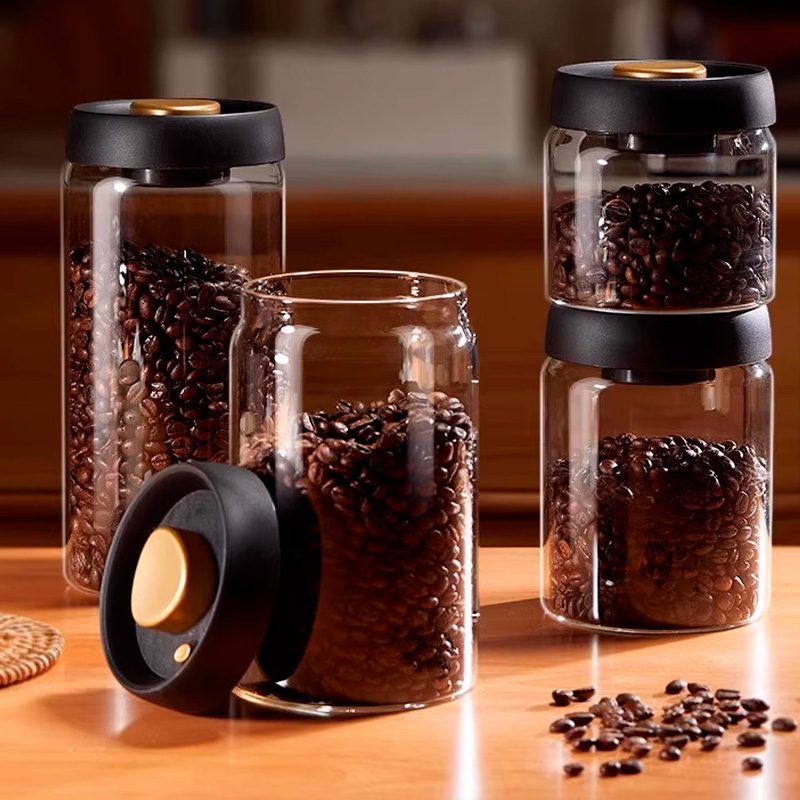
If your program involves a combination of jar sizes or lid colors, metal lids can be sourced from a single tooling family with interchangeable liners and finishes. That keeps SKU complexity manageable. Our production line routinely runs metal‑lid jars in 300ml to 1000ml formats, with custom logo printing applied in‑line after annealing. That integration keeps lead times predictable and per‑unit cost low, even for moderate volumes.
If your product faces high‑humidity storage or temperature swings during shipping, it’s worth confirming seal integrity with an accelerated aging test before finalizing your BOM—reach out at [email protected] to discuss a test protocol that matches your destination market.
Long‑Term Reliability and Return Rates: What Production Data Shows
Return rates tell a story that sample approvals cannot. Over multiple export seasons, we’ve tracked lid‑related returns for clients running similar jar dimensions but different lid materials. Metal‑lid jars with silicone liners consistently generate fewer end‑consumer complaints about seal failure than cork‑lid jars, particularly in regions with high ambient humidity or where product sits on shelves beyond six months.
The failure mechanism for cork is gradual. The cork loses residual elasticity, the compression set increases, and the seal relaxes. The consumer opens the jar, hears no “pop,” and assumes the product is compromised. Metal lids with a properly crimped lug or continuous‑thread design maintain a positive lock until the tamper‑evident button releases. That audible and visual safety signal reduces unwarranted returns. For brands selling through Amazon or large retail chains, return rate thresholds can determine whether a listing survives. Lid choice is a direct input to that metric.
Specifying Lids in Your Purchase Order: Questions to Ask Your Manufacturer
A purchase order that simply says “cork lid” or “metal lid” leaves too much undefined. Nail down these five parameters before you sign off on a production run.
Lid material grade. For cork, specify agglomerated vs. natural, density range, and acceptable defect limits. For metal, specify the base material (tinplate, aluminum, stainless steel) and liner type (silicone, EVA, PVC‑free).
Seal tolerance. Ask your factory for a seal‑integrity test report under the temperature and humidity range your product will actually encounter, not just at room temperature.
Customization artwork file format. Confirm vector file requirements for logo printing, color matching system (Pantone, RAL), and maximum print area for your lid diameter.
Minimum order quantity. Custom‑printed metal lids often carry an MOQ of 5,000–10,000 pieces, while plain cork lids can ship in smaller batches. Work backward from your forecast so you don’t overcommit.
Lead time. Raw cork can have seasonal supply fluctuations. Metal coil stock is more stable, but custom printing adds 7–10 days to the schedule. Map these variables against your promo calendar.
Securing consistent lid performance across thousands of units is not a detail to leave to chance. Share your storage conditions, target shelf life, and branding requirements with our team, and we’ll recommend the lid option that minimizes returns and strengthens your brand’s reputation. Reach our production planning desk at [email protected].
Common Questions About Glass Jar Lid Selection
Does lid choice affect whether the jar is recyclable?
Generally, yes. Glass is infinitely recyclable regardless of lid material, but metal lids with PVC‑free liners are accepted in most single‑stream recycling programs. Cork is compostable in industrial facilities but not biodegradable in landfill conditions at a meaningful rate. If your target market enforces extended producer responsibility (EPR) rules, metal with a mono‑material liner makes end‑of‑life compliance easier to document.
Can I order jars with both cork and metal lids in the same container load?
Most factories, including ours, can split a 20‑ or 40‑foot container into two lid‑type versions of the same jar body. The limiting factor is usually the minimum production batch for custom‑printed metal lids. If one variant requires 5,000‑piece tooling and you only need 2,000, the per‑unit cost jumps. We work with clients to forecast dual‑SKU volumes across two quarters so the math works.
How do I test cork lid quality before placing a bulk order?
Request a pre‑production sample that includes a moisture‑content certificate and a compression‑set test result. Immerse the sealed jar in 60°C water for 10 minutes and check for air bubbles. This simulates a hot warehouse. A good cork lid will show no continuous bubble stream; if it does, the cork structure is too porous for shelf‑stable products.
What information should I send when asking for a lid quotation?
Provide jar capacity, neck finish diameter, expected fill temperature, target shelf life, and any certification requirements (FDA, LFGB, BSCI). If you have a Lid CAD drawing, include it even if it’s approximate. The more specific your spec sheet, the tighter the quote. Send your requirements to [email protected] and we’ll return a complete quotation including lid options and lead‑time scenarios.
If you’re interested, check out these related articles:
high borosilicate glass innovations driven by europes sustainability surge
borosilicate glass vsordinary glasssoda lime glass
choosing chinese glass manufacturing factory