 English
  Arabic
  Spanish
  German
 Custom branded glassware for a franchise restaurant chain is a production planning problem before it is a purchasing decision. I have watched multi location programs stall because the SKU list was too loose, the thermal requirements were not written into the quotation, and the packaging was treated as an afterthought. We plan restaurant glassware around borosilicate glass, locked lid types, and one branding method per service role. That approach shortens the revision loop between sample and mass production. The sections below follow the same sequence we use with franchise buyers: define the item matrix, fix the material spec, confirm branding, then schedule rollout volume.
Custom Glassware SKU Matrix and Material Specifications
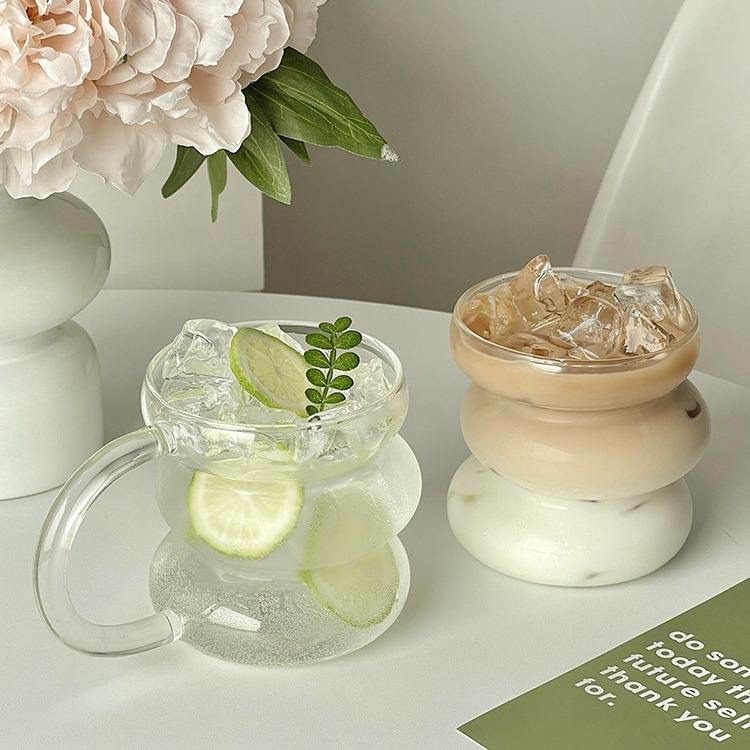
Do not send a supplier a list that says “water glasses and coffee mugs.” That is a category, not a production package. Custom branded glassware needs a locked item matrix before a quotation means anything. We ask franchise buyers to fix every SKU by capacity, lid type, and use case before we open a mold or confirm pricing. The table below shows the format we work through for a typical multi location program.
| Service Role | Item | Recommended Capacity | Material and Lid |
|---|---|---|---|
| Front of house water glass | drinking glass | 300 to 420 ml | borosilicate, stacking shape |
| Coffee and tea service | glass mug with handle | 300 to 420 ml | borosilicate, handle |
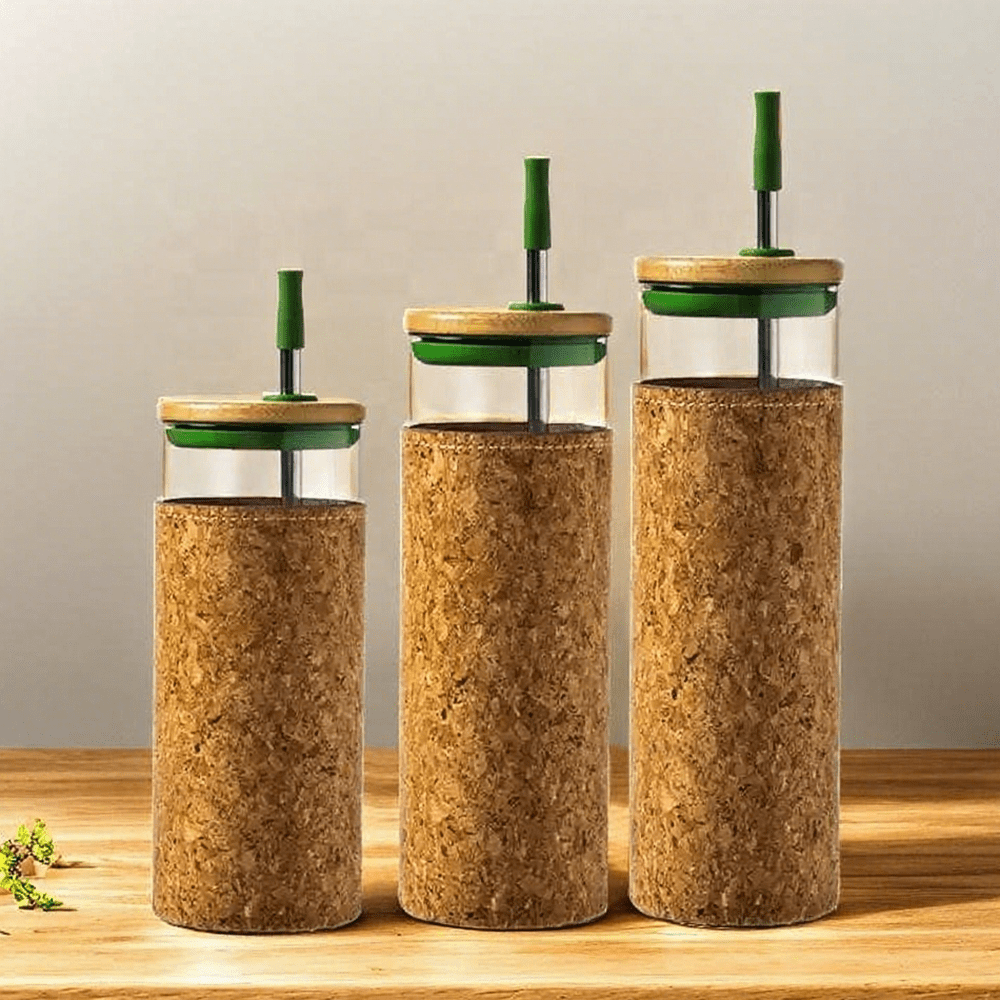
| Cold drink and bar service | tumbler with straw lid | 500 to 750 ml | borosilicate, straw lid |
| Back of house prep | food storage jar | 500 to 1000 ml | borosilicate, airtight seal |
| Retail or dry storage | storage canister | 750 to 1000 ml | borosilicate, wood or steel lid |
Restaurant glassware takes more thermal abuse than retail drinkware. A coffee mug filled near 90 degrees Celsius and then placed in an ice water sink can fail if the material is soda lime glass. We specify high borosilicate glass with a working range of minus 20 to 300 degrees Celsius for hot and cold service. That range is not a brochure claim. It is the same material we run through controlled annealing furnaces in our 40,000 square meter plant. Automated molding lines hold wall thickness consistent, and controlled annealing removes residual stress. If the quotation only says “glass,” it is not ready for a franchise rollout.
Branding Methods for High Cycle Restaurant Service
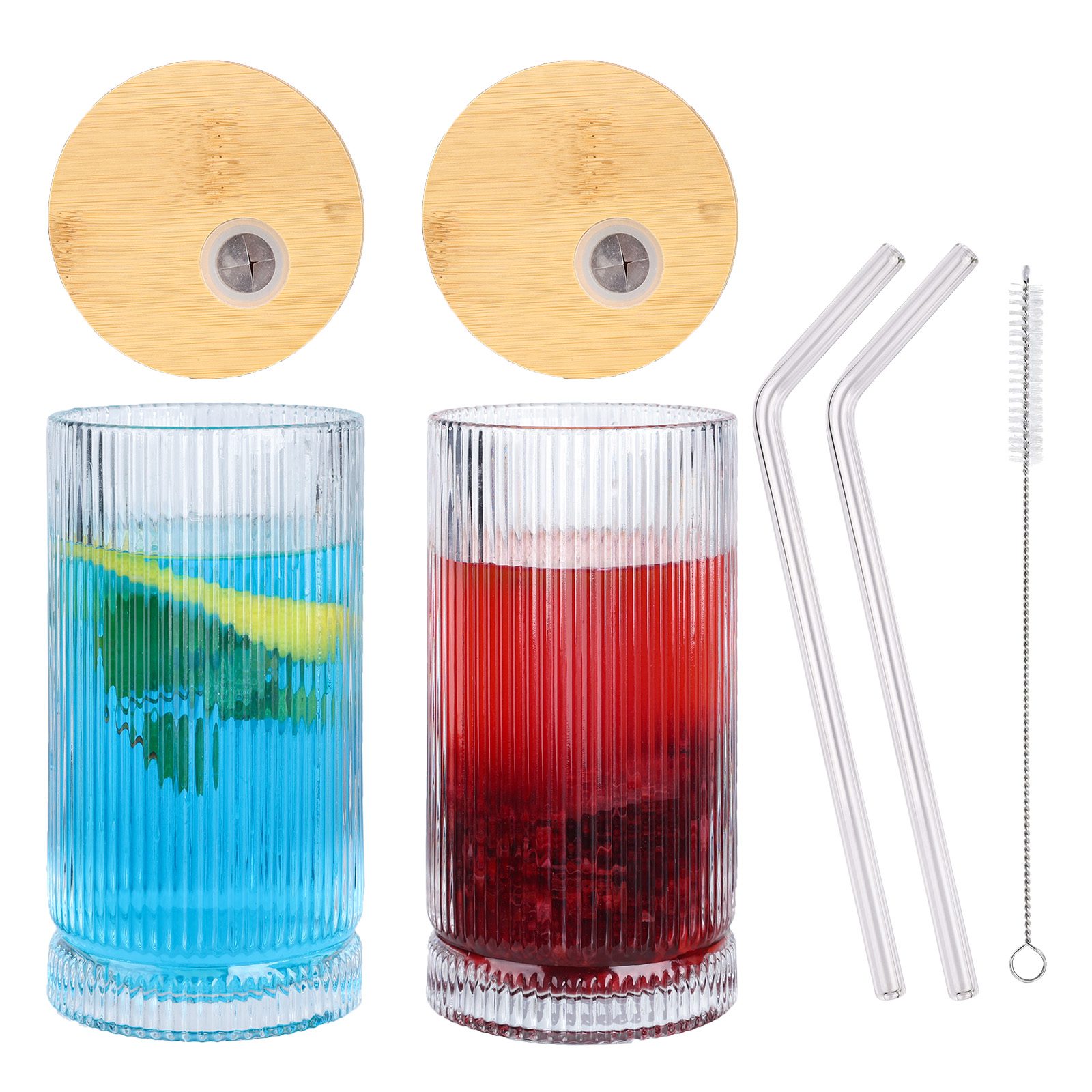
Logo placement fails in restaurants, not in a sample box. Silk screen on the outside of a water glass wears down after repeated dishwasher exposure, while laser engraving on clear borosilicate stays legible but costs more per unit. We separate branding by service role: laser or silk screen on barware, decal on retail style tumblers, and no logo on high abrasion kitchen jars. The correct method depends on how often the item goes through a commercial dishwasher. A franchise buyer should test the branding method on a working sample before approving mass production. Laser engraving also adds less lead time than complicated multi color decal work. If the program includes mixed branding methods, we keep logo placement files organized by SKU and location group.
If your program includes both front of house and back of house glassware, it is worth confirming the branding method against your dishwashing chemicals before finalizing the array. Send the item list and service type to [email protected] and we will recommend a method for each SKU.
Lead Time and Rollout Volume Planning for Franchise Glass Programs
Franchise rollouts usually need phased delivery rather than one shipment. We plan from the annual volume, then break it into quarterly or store opening waves. Our plant has capacity to produce 200,000 pieces daily across 100 automated machines, but capacity does not solve the real constraint. The constraint is mold changeover and custom packaging setup. A 12 item franchise program can require separate printing screens, lid combinations, and case pack configurations, and each changeover consumes production hours. The practical sequence is to produce the opening order for the first 50 locations, hold shared components in inventory, then reorder replenishment waves with a fixed lead time. We keep the mold and printing screens ready for repeat orders. That reduces unit cost on the second wave and shortens reorder time.
Packaging and Inspection Standards for Multi Location Glassware
Packaging is where franchise programs pick up hidden costs. If each glass is packed in an individual box, the freight cube inflates and the location team spends hours unboxing. If items are bulk packed without dividers, breakage shifts from the supplier to the restaurant receiving dock. We prefer case packs by location type: six or twelve piece inner boxes for front of house, bulk trays with dividers for back of house jars. Before shipment, we run pre shipment inspection against a sealed sample. We check capacity, lid fit, logo position, and thermal shock on a sample from the production batch. For imported programs, ask for a loading plan that matches your distribution center. We also keep the case pack and pallet pattern fixed across waves so warehouse receiving does not change every time.
s)
A Direct Sourcing Path for Franchise Glassware
Custom branded glassware delays are rarely caused by glass production. They come from loose SKU definitions, unconfirmed branding methods, and packaging that does not fit the distribution network. We correct those before quotation. Once the item matrix, lid types, logo method, and case pack are locked, we issue a preproduction sample and production schedule. For larger programs, we can hold shared components and run phased deliveries to match store openings. Send your SKU list, logo file, and first year volume estimate to [email protected]. We will respond with sample timing, lead time, and capacity confirmation for your rollout.
Common Questions from Franchise Buyers Before Ordering Custom Glassware
What is the minimum order quantity for custom branded glassware?
The minimum order can be as low as one piece for an existing stock item. For custom branded glassware, the real constraint is not the glass, it is the printing screen, logo setup, and case pack configuration. Those fixed costs spread over small runs, so a trial order of 50 to 100 pieces is common only for sample validation. Once the SKU and branding are approved, production quantities start at a level that makes the setup cost efficient. We quote trial samples and mass production separately so the unit cost structure is clear before you commit.
Can one order combine water glasses, coffee mugs, and storage jars?
Many buyers assume any glass cup or jar can be combined into one container load. The glass can, but the shipment planning and documentation may not. We regularly combine water glasses, coffee mugs, and storage jars in one order. The conditions are that lid types, case packs, and logo positions are fixed per SKU. Mixed loads may require separate inner cartons, different pallet patterns, or split inspection records. Confirm the combination at the quotation stage rather than at loading. It saves time and keeps the bill of lading accurate.
How long do custom branded samples take before full production?
How long samples take depends on what you are sampling. An unprinted stock item can ship from finished inventory in seven to ten days. A sample with a new logo position or lid combination usually takes three to four weeks because the screen and assembly steps need to be prepared. A completely new mold shape takes longer, depending on mold design and annealing testing. For franchise programs, we separate stock samples, branding samples, and preproduction samples. Each has a different purpose, and rushing the last one creates risk.
What certification documents should a franchise buyer request?
In programs we have supported, the most useful documents are the food contact test reports for the specific material and lid, not a general certificate package. Ask for FDA or LFGB reports, lead and cadmium migration results where relevant, and a pre shipment inspection report tied to your sealed sample. We hold 120 testing certifications and can match the document set to your market. Share your destination countries and SKU list with [email protected] and we will confirm which documents apply to your program.
If you’re interested, check out these related articles:
whats the difference between glass jars and glass bottles
valentines day and year round hot sellers
stainless steel vs glass bottles supplier guide for importers
choosing chinese glass manufacturing factory