
 English
  Arabic
  Spanish
  German
 Custom mold for glass product line is the key to creating exclusive glassware that stands out in competitive markets. Whether you are launching a private label water bottle brand, a coffee shop looking for unique glass mugs, or a home goods retailer seeking a distinctive storage jar series, developing a custom mold gives you full control over shape, capacity, and brand identity. At Xuzhou Jianmei Glass Products, we have guided dozens of international clients through this process, from initial sketch to finished product. This guide draws on our in‑house mold fabrication experience to walk you through every stage, including technical specifications, cost expectations, and supplier evaluation criteria.
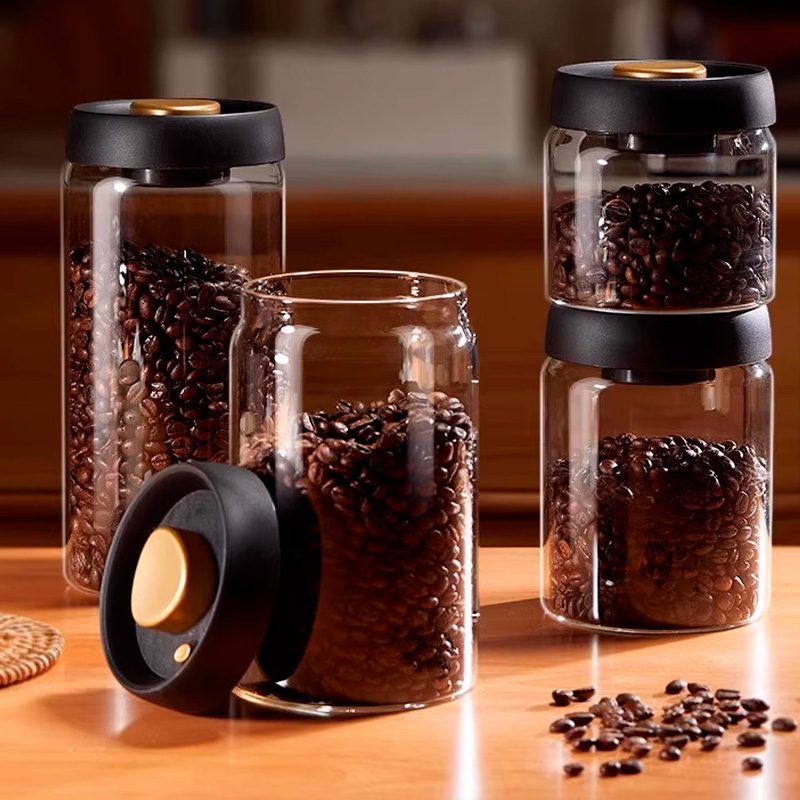
What Is Custom Mold Making for Glass Products?
Custom mold making is the process of designing and fabricating a unique forming tool that shapes molten borosilicate glass into a product that does not exist off the shelf. Standard drinkware and storage containers are produced from existing molds; a custom mold lets you define the diameter, height, wall thickness, neck finish, and decorative contours precisely. For high borosilicate glass, which must withstand thermal shock from -20°C to 300°C, the mold must distribute material evenly and accommodate the glass’s thermal expansion characteristics. We typically use high‑grade graphite or heat‑resistant steel depending on the complexity and expected production run. The mold itself becomes a long‑term asset: once made, it can produce hundreds of thousands of identical pieces, making your product line consistent and repeatable.
Step-by-Step Mold Development: From Sketch to Production
The following table outlines the typical progression from concept to production‑ready mold. Every project is unique, but these stages are the backbone of our process.
| Stage | Description | Typical Timeframe | Key Considerations |
|---|---|---|---|
| Design & CAD | Your concept sketch is converted into a 3D model with precise dimensions, draft angles, and parting line placement. | 1–2 weeks | Material flow and thermal expansion must be modeled to avoid thin spots. |
| Mold Fabrication | CNC machining creates the mold cavities and cores from graphite or steel. Multi‑cavity molds are produced in parallel. | 2–4 weeks | Surface finish of the mold directly affects glass clarity; polishing adds extra time. |
| Sample Production & T1 Trial | The mold is mounted on a forming machine and a small batch of samples is produced under real line conditions. | 1 week | Cooling rates and annealing cycle are verified for crack‑free results. |
| Testing & Adjustments | Samples undergo dimensional checks, thermal shock testing (IEC 60751 or similar), and food‑contact safety verification according to FDA or LFGB standards. Mold modifications are made if necessary. | 1–2 weeks | Any dimensional deviation over 0.5 mm requires mold correction. |
| Final Mold & Sign‑off | The validated mold is marked, hardened if required, and stored ready for mass production. | 1 week | A maintenance schedule is documented for long‑term consistency. |
How Much Does a Custom Glass Mold Cost?
The mold investment depends on three primary factors: product complexity, number of cavities, and mold material. A single‑cavity mold for a simple cylindrical water bottle costs less than a multi‑cavity mold for a glass jar with a threaded neck and custom base relief. The table below gives indicative ranges based on our recent projects.
| Product Type | Mold Complexity | Approximate Mold Cost (Single Cavity) | Typical Amortization (per 10,000 pieces) | Notes |
|---|---|---|---|---|
| Basic water bottle (500 ml cylinder) | Low | $1,500 – $3,000 | $0.15 – $0.30 per unit | Straight walls, standard opening. |
| Double wall glass cup | Medium | $3,000 – $6,000 | $0.30 – $0.60 per unit | Requires precise alignment of inner and outer layers. |
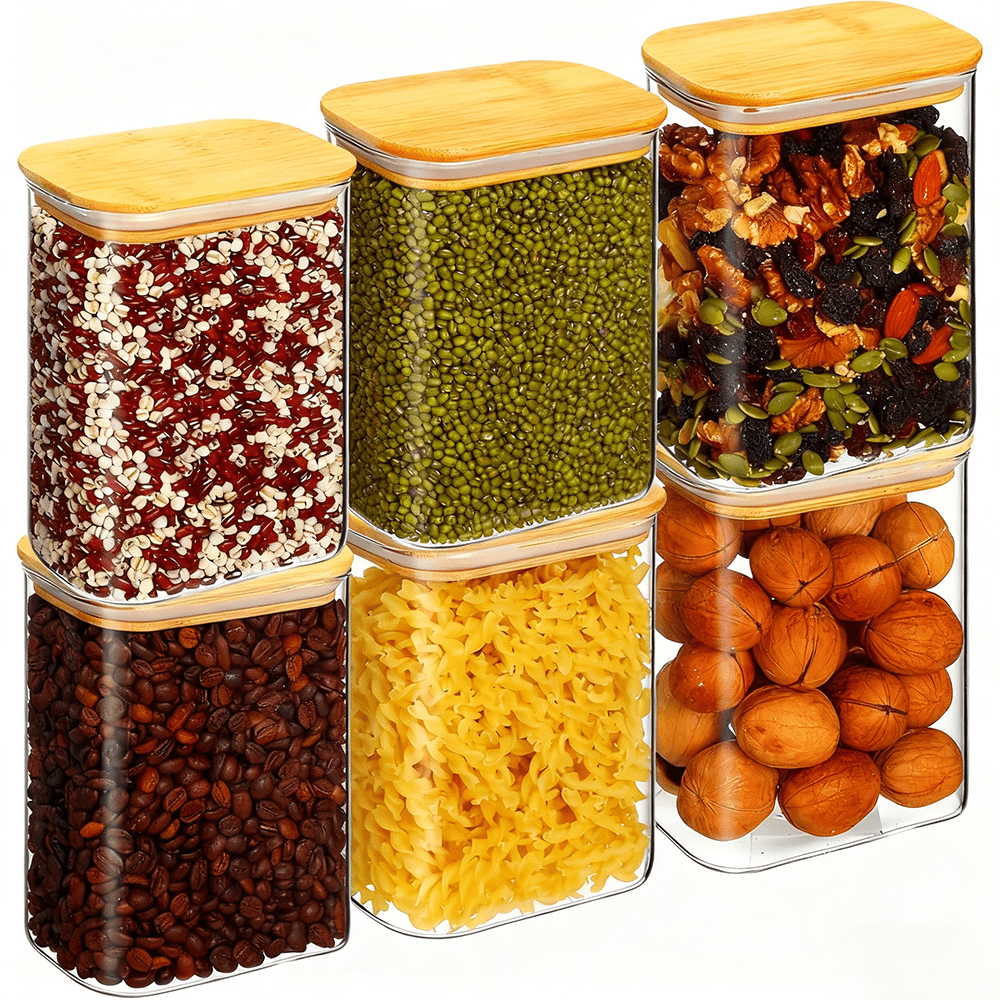
| Threaded storage jar with bamboo lid | Medium-High | $4,000 – $8,000 | $0.40 – $0.80 per unit | Threads demand tight tolerances; lid fit is critical. |
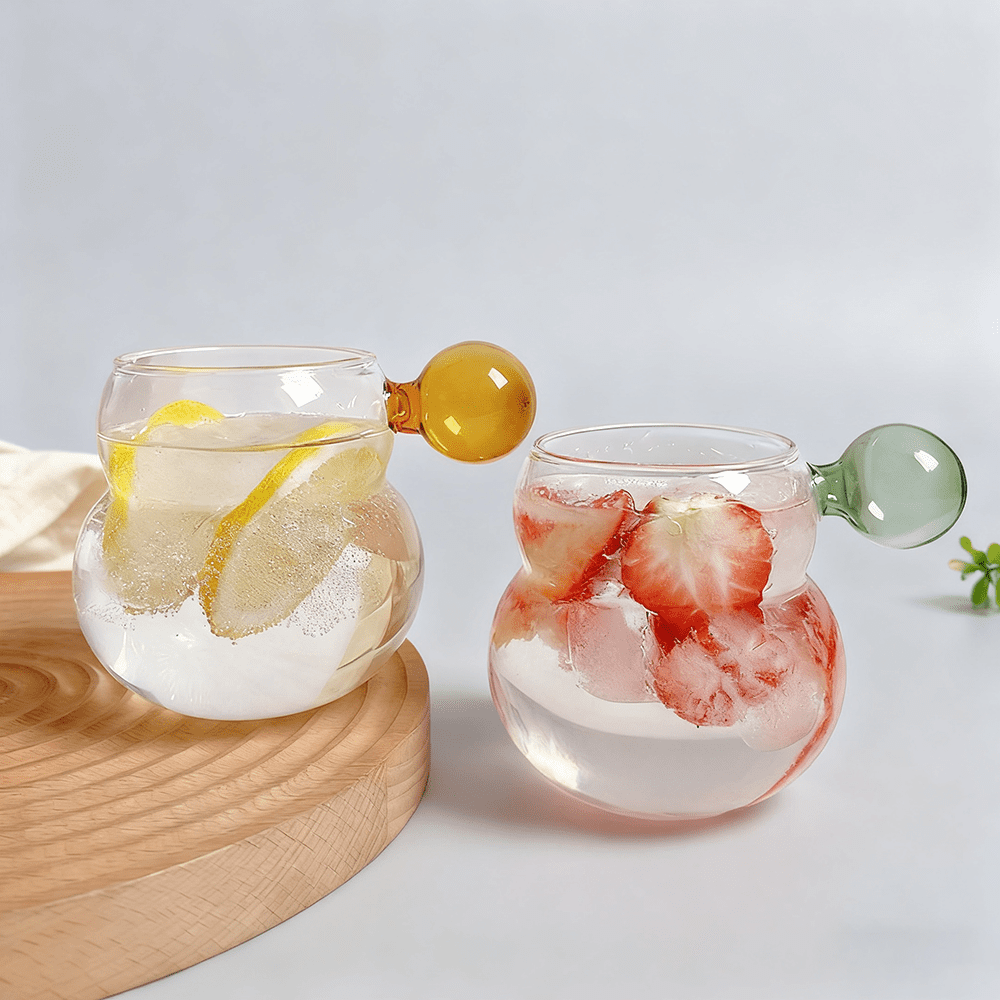
| Complex decorative mug (gourd shape, handle) | High | $6,000 – $12,000 | $0.60 – $1.20 per unit | Handles add assembly steps; irregular curves need advanced milling. |
These figures are for mold tooling only, not including sample fees, packaging design, or branding. We always provide a detailed quotation after reviewing your 2D or 3D file. Because our factory has in‑house CNC machining and an experienced mold design team, we can keep lead times predictable and costs transparent.
If your product design involves a multi‑part mold or requires extremely uniform wall thickness for thermal shock resistance, a front‑end engineering review can save you thousands in revision costs. Reach out at [email protected] with your concept, and our production engineers will confirm feasibility and provide a target cost within two working days.
How to Find the Right Glass Manufacturer for Your Mold
Not every glass factory has mold‑making expertise. When you are investing in a custom mold, you need a partner that can handle the entire cycle under one roof. Here are the non‑negotiable criteria I look for, based on over ten years in high borosilicate glass production.
- In‑house mold design and CNC capability. A manufacturer that outsources mold making adds communication layers and delays. We have a dedicated mold design department and five‑axis CNC machines on site, which means the same team that designs the mold also sees it through fabrication and trial runs.
- Borosilicate glass experience. Standard soda‑lime glass molds cannot simply be reused for borosilicate glass. The higher softening point and thermal expansion coefficient demand different cooling channel design and higher‑grade mold material. Our entire facility is built around 3.3 borosilicate glass, from the melting furnace to the annealing lehr.
- Certification portfolio. For any product that contacts food or drink, FDA, LFGB, and EU food‑contact regulations apply. We maintain 120 testing certifications, including BPA‑free, lead‑free, and heavy metal migration reports, updated annually.
- Sample and low‑MOQ policy. Prior to committing to volume production, you need to hold a physical sample. We support starting orders as small as one piece for sample evaluation, while our production capacity of 200,000 pieces daily ensures we can scale when you are ready.
- Technical communication. The back‑and‑forth on mold adjustments is inevitable. Direct access to the production manager and mold designer, rather than a sales intermediary, keeps timelines accurate. Our clients communicate with the same engineers who oversee their mold development.
What Can Go Wrong with Custom Glass Molds
A mold that is not fully validated for high borosilicate glass can produce entire batches with hidden stress, leading to breakage in the field. The following table shows common failure points and how we prevent them.
| Issue | Root Cause | Preventive Measure |
|---|---|---|
| Uneven wall thickness | Poor cavity‑core alignment or insufficient draft angle | Full 3D mold flow simulation before machining; optical comparator checks on first‑off samples |
| Internal stress cracking after thermal shock | Inadequate annealing cycle | Our annealing furnace is programmed per product wall thickness and monitored with real‑time temperature logs |
| Surface haze or bubbles | Rough mold cavity or contamination | Mold cavities are polished to Ra ≤0.8 μm; daily cleaning protocol and pre‑heating before each shift |
| Dimensional drift across production runs | Mold wear from high‑temperature cycles | Hardened steel inserts at high‑wear areas; mold inspection every 50,000 cycles with recalibration |
We treat every mold as an engineered asset. Each mold is numbered, tracked, and assigned a maintenance schedule. If a client reports a dimensional inconsistency after months of production, we can pull the mold for inspection within 24 hours.
Start Your Custom Glass Mold Project
A mold is the foundation of your product line. It shapes not only the glass but also the brand experience that consumers touch every day. We have worked with brands across North America, South America, Europe, and Oceania, turning napkin sketches into shelf‑ready merchandise. Our factory in Jiangsu spans 40,000 square meters, houses 100 advanced machines, and holds 45 appearance patents and 32 IP rights. You receive the combined perspective of a manufacturing plant and a product development partner.
Whether you need a single sample to test a market or a complete private label glassware collection, we can walk you through the mold development timeline, cost amortization, and branding options. Send your part number, concept drawing, or even a photo of a similar existing product to [email protected]. We will confirm mold feasibility, provide a detailed quotation, and set a sample delivery date within 48 hours.
Questions About Custom Glass Molds Answered
How long does it take to make a custom glass mold?
The complete process from final design approval to a qualified sample typically takes 6 to 9 weeks. Rush projects can be compressed to 4 weeks for simpler shapes when our mold shop has open capacity.
Can I get a sample before mass production?
Yes. We always produce a pre‑production sample for your approval. The sample is made on the actual production line with the same mold and annealing parameters used for the full run, so what you approve is what you receive.
What if the sample does not meet my expectations?
If the sample deviates from the agreed dimension or visual specification, we modify the mold at no additional charge. We also send dimension reports and thermal shock test certificates so you can verify performance.
What is the minimum order quantity for custom glass products?
The mold investment is the initial commitment. Once the mold is ready, we can produce as few as 100 pieces for a first trial order, though most brands order 500 to 1,000 pieces to optimize unit cost. We produce 200,000 pieces daily, so larger volumes ship on your timeline.
Each custom mold project starts with a conversation about material limits, production feasibility, and brand goals. Share your specifications with us at [email protected], and we will confirm compliance documentation availability and prepare a sample plan for your review.
If you’re interested, check out these related articles:
valentines day and year round hot sellers
how to distinguish sodalime glass from borosilicate glass
professional supplier of high quality borosilicate glass cups
borosilicate glass vsordinary glasssoda lime glass