
 English
  Arabic
  Spanish
  German
 Choosing the right glassware factory for bulk orders feels a bit like hiring a contractor for a major renovation. The stakes are high, the variables are many, and a bad call can cost you far more than money. I’ve seen procurement teams burn months chasing suppliers who looked great on paper but couldn’t deliver when it mattered. The difference between a smooth partnership and a logistical nightmare often comes down to how thoroughly you evaluate before signing anything.
Production Capacity Tells You More Than Numbers Alone
A factory’s production capacity matters, but the raw figures only tell part of the story. What you really want to know is whether that capacity translates into reliable output when your order hits the queue. Xuzhou Jianmei Glass Products Co., Ltd. operates a 40,000 square meter facility with 100 advanced machines, pushing out 200,000 pieces daily. Those numbers are impressive, but the real question is how that capacity holds up under pressure.
The manufacturing process itself reveals a lot. Glass forming, annealing, and finishing each require precision equipment and skilled operators. Automation reduces human error in high-volume runs, but it doesn’t eliminate the need for experienced workers who can catch problems early and handle intricate custom work. When evaluating a factory, look at how they balance machine efficiency with human oversight. A facility that relies too heavily on either one tends to struggle with consistency.
Scalability deserves serious attention. Can the factory ramp up production without extending lead times or cutting corners on quality? This becomes critical when your initial order succeeds and you need to double or triple volume for the next round. Factories that have thought through their growth constraints tend to give clearer answers about what’s possible and what isn’t.
Practical Steps for Assessing Production Capabilities
Start with equipment lists and specifications. A factory willing to share detailed information about their machinery is usually confident in what they’re working with. Physical visits remain the gold standard for verification. Walking the production line lets you see workflow efficiency, maintenance practices, and how workers interact with the equipment.
Ask for historical data on large orders. How often do they hit delivery targets? What’s their track record with orders similar to yours in size and complexity? Sample production timelines offer another useful data point. A factory that can turn around quality samples quickly usually has their processes dialed in.
Why Borosilicate Glass Expertise Matters
Specialization in borosilicate glass separates capable manufacturers from truly skilled ones. This material behaves differently than standard soda-lime glass, requiring specific knowledge and equipment to work with properly. The payoff is significant: borosilicate glass handles temperature extremes without cracking, resists chemicals, and weighs less while maintaining clarity.
For products like ovenware, laboratory equipment, or premium drinkware, borosilicate glass isn’t just a nice-to-have. It’s often the only material that meets performance requirements. Factories with genuine expertise in this area, like Jianmei, understand the nuances of working with the material and can troubleshoot issues that would stump a generalist manufacturer.

| Product Type | Material | Key Features | Customization Options |
|---|---|---|---|
| Glass Water Bottle | Borosilicate Glass | BPA-free, Lead-free, Food-grade | Body, Shape, Size, Logo |
| Glass Cup with Wood Lid | 3.3 Borosilicate Glass | Heat-resistant (-20°C to 300°C), Leak-proof | Logo, Capacity, Lid |
| Glass Tea Tumbler | Borosilicate Glass | Wide mouth design, Heat-resistant | Glass body, Shape, Capacity, Height |
| Food Storage Canister | Borosilicate Glass | Airtight, Eco-friendly | Glass body, Shape, Capacity, Opening |
| Glass Coffee Mugs | 3.3 Borosilicate Glass | Double-walled, Heat-resistant | Glass body, Shape, Size, Logo, Packaging |
Quality Control Systems That Actually Work
Quality control in glassware manufacturing isn’t just about catching defects at the end of the line. The best systems catch problems early, before they multiply across thousands of units. A thorough factory audit should examine QC protocols at every stage: raw material inspection, in-process checks, and final product verification.
Defect rates provide hard numbers, but context matters. A 0.5% defect rate sounds good until you realize that translates to 1,000 flawed pieces in a 200,000-unit order. Understanding how the factory handles defects, whether they catch them internally or ship them out and deal with complaints later, tells you a lot about their quality culture.
Material traceability has become increasingly important. Knowing where the glass originated and what went into it protects you from supply chain contamination issues that can surface months after delivery. Factories that maintain detailed records tend to take quality seriously across the board.
Certifications serve as external validation. Xuzhou Jianmei Glass Products Co., Ltd. holds 120 testing certifications, including FDA and CE approvals. These aren’t just paperwork exercises. They represent third-party verification that the factory meets specific standards for health, safety, and environmental compliance. For products entering regulated markets, the right certifications can mean the difference between smooth customs clearance and expensive delays.
Quality Standards That Matter for Glassware
Thermal shock resistance testing confirms that glass can handle rapid temperature changes without failing. This matters enormously for products that move between freezers and ovens or hot liquids and cold surfaces. Dimensional accuracy ensures consistent fit, particularly important for items with lids or components that need to work together.
Visual inspection catches cosmetic defects like bubbles, scratches, or inclusions that might not affect function but definitely affect perceived quality. For food-contact items, lead and cadmium testing is non-negotiable. Heavy metal contamination creates serious liability exposure and can destroy a brand’s reputation overnight.
Certifications Worth Verifying
ISO 9001 certification indicates a documented quality management system. It doesn’t guarantee perfect products, but it does mean the factory has established processes and tracks their performance against defined standards. FDA approval matters for any product touching food in the US market. CE marking opens European markets.
Ethical sourcing certifications like BSCI address labor practices and working conditions. These matter both for compliance reasons and because factories that treat workers well tend to have lower turnover and more experienced staff. A manufacturer with extensive testing certificates demonstrates commitment to meeting multiple regulatory frameworks, which simplifies market access and reduces compliance headaches.
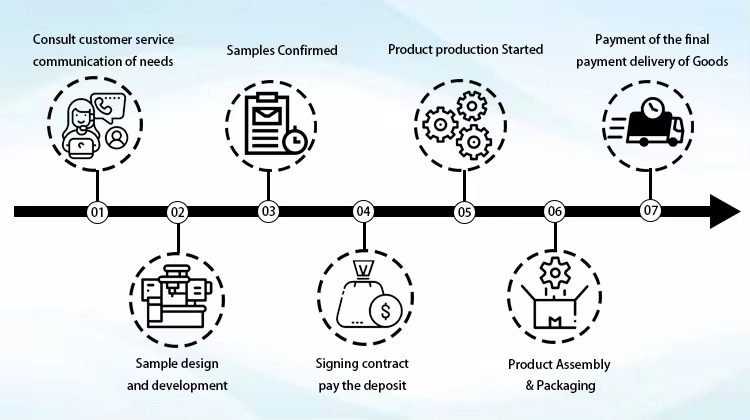
Supply Chain Reliability Beyond the Factory Floor
Manufacturing capability means nothing if products can’t reach you on time and intact. Supply chain assessment extends well beyond the factory walls to encompass logistics, communication, and contingency planning. Smart buyers map potential disruption points before they become problems.
Lead time management deserves careful scrutiny. Factories often quote optimistic timelines during sales discussions. Ask about their track record with similar orders and what factors typically cause delays. Raw material availability, shipping bottlenecks, and seasonal demand fluctuations all affect delivery schedules. A factory that acknowledges these variables and builds buffer time into estimates is usually more reliable than one promising impossibly fast turnaround.
Minimum order quantities reveal flexibility. Some factories can accommodate smaller initial orders while you test the relationship, then scale up for subsequent purchases. Others have rigid MOQ requirements that may not fit your business model. Understanding these constraints early prevents frustration later.
Packaging standards matter more than most buyers realize. Glassware is fragile, and inadequate packaging turns a successful production run into a pile of broken inventory. Factories with experience shipping internationally understand the abuse packages endure in transit and design their packaging accordingly.
Why Factory Certification Reduces Risk
Certifications function as pre-vetted quality indicators. They don’t eliminate the need for your own due diligence, but they do provide a baseline of verified capability. For bulk orders representing significant financial commitment, certifications reduce uncertainty about whether the supplier can actually deliver what they promise.
The verification process itself matters. Factories that maintain certifications must pass regular audits and demonstrate ongoing compliance. This creates accountability that informal quality claims simply can’t match. When problems arise, certified factories typically have documented procedures for resolution rather than improvised responses.
Financial Health and Intellectual Property Safeguards
A factory’s financial stability directly affects your supply chain security. Manufacturers under financial pressure cut corners, delay investments in equipment maintenance, and sometimes disappear entirely mid-contract. Credit reports, balance sheets, and operational history provide insight into whether a potential partner can sustain operations through market fluctuations.
This isn’t about finding the wealthiest supplier. It’s about identifying partners with stable enough finances to honor commitments and invest in the capabilities that keep quality consistent. Factories that have weathered economic downturns without major disruptions tend to have better risk management practices overall.
Intellectual property protection becomes critical for custom designs and branded products. Your unique product features represent competitive advantage, and inadequate IP safeguards can turn that advantage into a commodity overnight. Xuzhou Jianmei Glass Products Co., Ltd. holds 45 appearance patents and 32 IP rights, demonstrating both innovation capability and commitment to protecting proprietary designs.
Non-disclosure agreements and clear contractual terms around IP ownership should be standard practice. Factories that resist signing reasonable IP protection agreements or seem vague about their policies may not take these concerns seriously enough to trust with your designs.
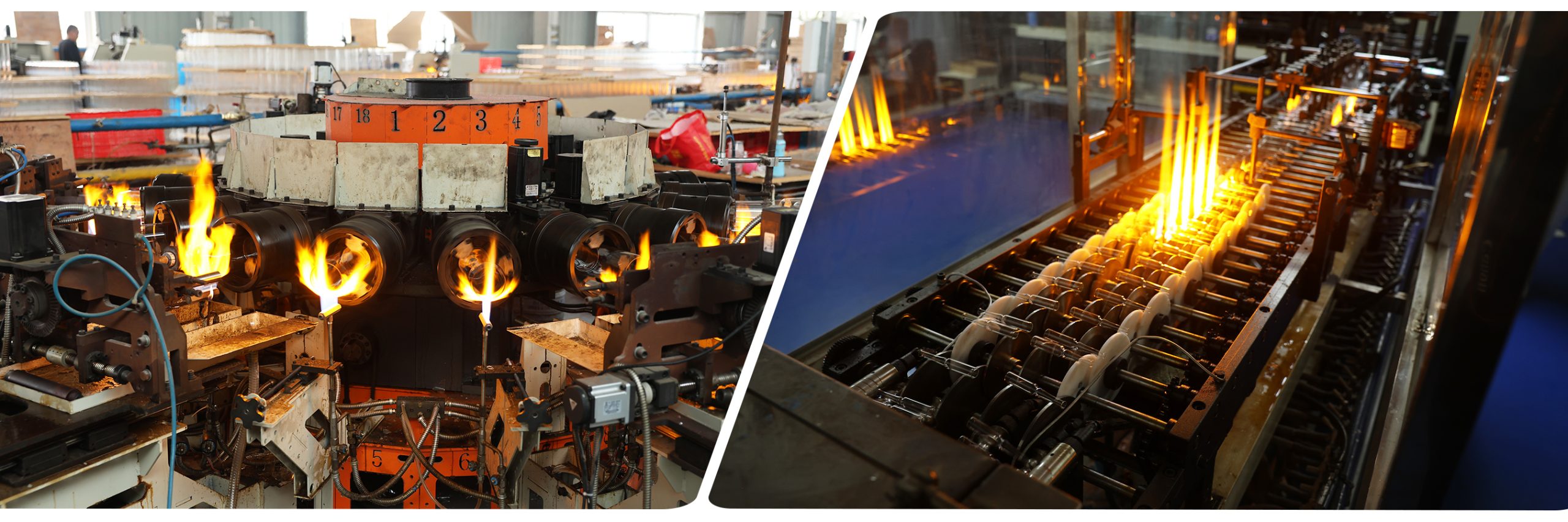
Factory Visits and Sample Testing Reveal the Truth
Nothing replaces direct observation. Factory visits let you verify claims about equipment, processes, and working conditions that look very different in person than they do in marketing materials. A comprehensive visit covers production areas, quality control stations, raw material storage, and finished goods handling.
Watch how workers interact with equipment and each other. A well-run factory has a certain rhythm to it. People know their jobs, communicate efficiently, and handle problems without drama. Chaotic operations, unclear responsibilities, or visible tension often signal deeper organizational issues that will eventually affect your orders.
Sample evaluation provides tangible evidence of capability. Request prototypes or pre-production samples before committing to bulk orders. Physical assessment reveals dimensional accuracy, material quality, and finish details that specifications alone can’t capture. The sample process itself offers insight into how the factory handles custom work and responds to feedback.
Pre-shipment inspection by independent third parties or your own team confirms that bulk production matches approved samples. This step catches problems before products ship, when corrections are still possible. Skipping it to save time or money rarely works out well.
Warning Signs That Should Stop a Deal
Certain red flags should halt negotiations regardless of how attractive other factors appear. Pricing significantly below market rates almost always indicates compromised quality, unethical practices, or both. Legitimate manufacturers have real costs they can’t undercut indefinitely.
Transparency gaps raise immediate concerns. Factories that won’t share production details, material sourcing information, or quality documentation are hiding something. The same applies to reluctance around factory audits or certification verification. Reputable manufacturers welcome scrutiny because they have nothing to hide.
Communication problems during the sales process predict worse problems during production. Delayed responses, vague answers, or difficulty reaching decision-makers suggest organizational dysfunction that won’t improve after you’ve placed an order. Inconsistent sample quality indicates process control issues that will multiply at scale.
Customer reviews and dispute history provide external perspective. Patterns of complaints about delivery delays, quality problems, or unresolved issues deserve serious weight. A single negative review might reflect an unreasonable customer, but consistent themes across multiple sources usually point to real problems.
Building a Partnership with Proven Capability
Xuzhou Jianmei Glass Products Co., Ltd. brings together the capabilities that matter for bulk glassware procurement: 45 appearance patents, 120 testing certifications, and daily output of 200,000 pieces. The combination of manufacturing scale, quality verification, and IP protection creates a foundation for reliable partnership.
For buyers seeking a supplier with demonstrated expertise in borosilicate glass manufacturing and the infrastructure to support demanding bulk orders, the path forward starts with a conversation. Reach out at [email protected] to discuss your specific requirements and explore what a partnership could look like.
Frequently Asked Questions About Glassware Factory Evaluation
How can I verify a glassware factory’s production capacity and quality control?
Start with documentation: daily output reports, equipment lists, and QC protocol records. Request testing reports covering thermal shock resistance and heavy metal content. ISO 9001 certification indicates systematic quality management. Physical verification through factory visits or third-party inspections provides the most reliable confirmation of actual capabilities versus claimed ones.
What certifications should a glassware manufacturer have?
ISO 9001 covers quality management systems. FDA approval is required for food-contact products entering the US market, while CE marking enables European market access. BSCI or Sedex certifications address ethical sourcing and labor practices. Manufacturers with extensive testing certificates, like Xuzhou Jianmei Glass Products Co., Ltd.’s 120 certifications, demonstrate broad compliance across multiple regulatory frameworks.
What lead time should I expect for bulk glassware orders?
Typical lead times range from 30 to 90 days depending on order volume, product complexity, and customization requirements. Custom mold creation adds time, as does peak season demand at the factory. Clarify exact timelines during contract discussions and build buffer time into your planning. Factories with realistic estimates tend to be more reliable than those promising unusually fast delivery.
Can glassware factories handle custom designs and OEM production?
Many established manufacturers specialize in custom work and OEM services. Look for factories with R&D capabilities, appearance patents, and demonstrated experience developing new molds. Xuzhou Jianmei Glass Products Co., Ltd. offers these services with 45 appearance patents backing their design capabilities. Discuss IP protection, NDA requirements, and sample production processes before sharing proprietary designs.
What makes borosilicate glass worth the premium for certain products?
Borosilicate glass withstands temperature extremes that would crack standard soda-lime glass. Its low thermal expansion coefficient makes it ideal for ovenware, laboratory equipment, and premium beverage containers. The material also resists chemicals, weighs less, and maintains excellent clarity. For applications requiring thermal durability and safety, borosilicate glass often represents the only viable option rather than a luxury upgrade.
If you’re interested, check out these related articles:
why risk bpa embrace glass 100 safe sustainable and stylish
the ultimate guide daily actions to protect the earth
valentines day and year round hot sellers
sustainable sips 2025 curatedeco drinkware collection