 English
  Arabic
  Spanish
  German
 The water bottle market has shifted in ways that feel genuinely different from a few years ago. Consumers now ask questions about materials, production methods, and long-term health implications before making a purchase. This isn’t just about hydration anymore. It’s about aligning daily habits with broader values around wellness and environmental responsibility. Manufacturers who recognize this shift are rethinking everything from material selection to design philosophy.
Consumer Values Are Reshaping Hydration Choices
Modern buyers approach water bottles with a level of scrutiny that would have seemed excessive a decade ago. Health awareness now extends to the containers we drink from, not just what we put in them. The hydration trends 2024 reflect this deeper engagement. People want to know whether their bottle leaches chemicals, how it was manufactured, and what happens to it at end of life.
This mindset has measurable market effects. Single-use plastic consumption continues declining among environmentally conscious demographics. Eco-friendly water bottles command premium prices because buyers perceive genuine value in safer, more sustainable options. The purchasing behavior here isn’t driven by marketing alone. It stems from consumers actively researching materials and production standards before committing to a product.
What’s particularly notable is how this awareness crosses demographic lines. Health-conscious consumer preferences now influence everyone from fitness enthusiasts to office workers who simply want a reliable daily bottle. The common thread is a rejection of compromise. People expect their hydration solution to support their health goals while minimizing ecological impact.
Sustainable Materials Are Replacing Traditional Plastics
The rejection of conventional plastics defines much of the current market conversation. Even BPA-free materials face skepticism as consumers learn about other potential chemical concerns in plastic formulations. This drives sustained demand for plastic alternatives that offer genuine safety assurances.
Non-toxic water containers made from glass and metal have moved from niche to mainstream. Borosilicate glass, in particular, addresses multiple consumer concerns simultaneously. The material doesn’t interact chemically with beverages because its molecular structure remains stable across temperature ranges. This means no leaching, no flavor transfer, and no degradation over time.
| Material | Pros | Cons |
|---|---|---|
| Plastic (BPA-free) | Lightweight, shatter-resistant | Can retain odors, environmental concerns |
| Glass (Borosilicate) | Non-toxic, taste-neutral, recyclable | Heavier, more fragile |
| Stainless Steel | Durable, insulated, recyclable | Can impart metallic taste, not transparent |
When consumers ask what sustainable materials work best for water bottles, the answer increasingly points to borosilicate glass and stainless steel. Both meet the core criteria: safety verified through independent testing, durability that justifies the investment, and recyclability that closes the environmental loop. The move away from plastic appears to be structural rather than cyclical.
Design Standards Have Risen Significantly
Functionality alone no longer satisfies the premium water bottle market. Consumers expect products that perform well and look good doing it. This dual requirement has pushed manufacturers toward more sophisticated design approaches.
Durable water bottles must survive daily transport, temperature changes, and occasional drops. Stylish water bottles must complement personal aesthetics and lifestyle choices. Design innovation in water bottles now encompasses ergonomic considerations, integrated carrying solutions, and features that enhance daily usability.
If you are interested, check 《best custom artistic water bottles wholesale》.
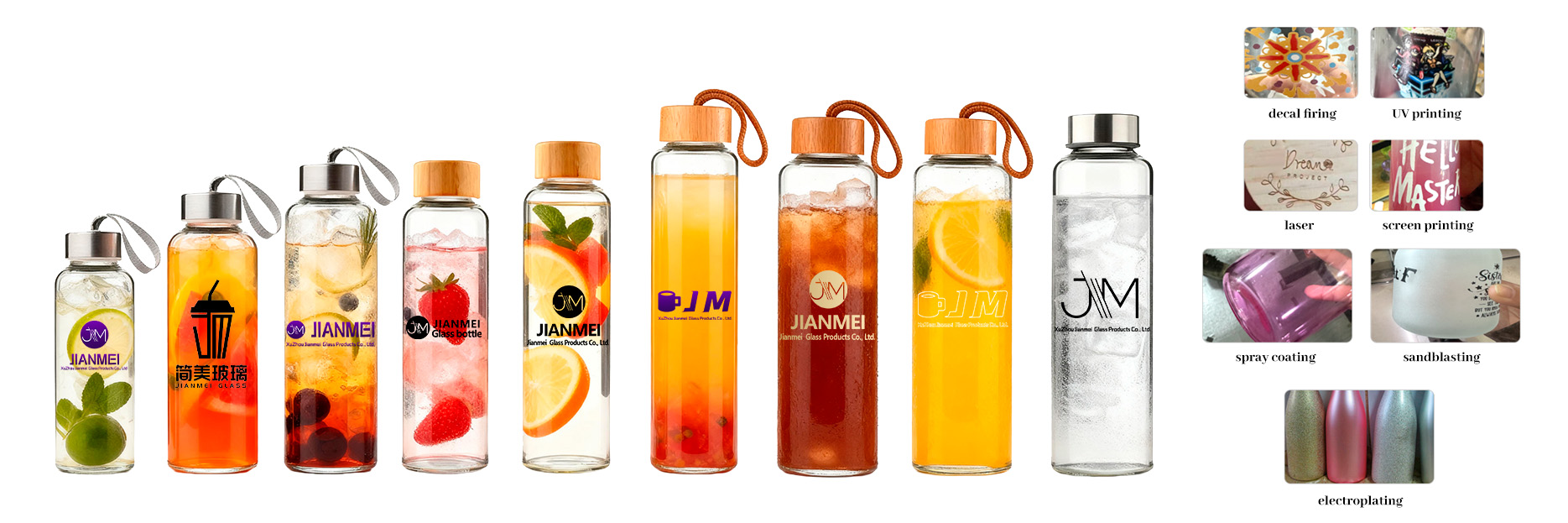
Customization has become a significant differentiator. Brands and individuals want products that reflect their identity through unique logos, colors, and form factors. This demand creates opportunities for manufacturers who can deliver both visual appeal and structural integrity.
We offer borosilicate drink glass water bottle products that address these expectations. Our manufacturing processes prioritize the intersection of aesthetics and durability, creating bottles that serve practical needs while meeting elevated design standards.
Borosilicate Glass Offers Distinct Advantages
The material science behind borosilicate glass explains its growing market share. Standard glass can crack when exposed to rapid temperature changes. Borosilicate glass contains boron trioxide, which significantly reduces thermal expansion. This means you can pour hot liquid into a cold bottle without risking fractures.
Chemical inertness matters equally. The glass doesn’t interact with acidic beverages, alkaline solutions, or anything in between. Whatever you put in comes out unchanged. This property directly addresses health-conscious consumer concerns about chemical exposure from containers.
The non-porous surface prevents bacterial growth in microscopic crevices that exist in many other materials. Cleaning becomes simpler and more effective. Odors and stains don’t accumulate over time because there’s nowhere for them to hide.
| Property | Borosilicate Glass | Standard Glass | Plastic (PET) |
|---|---|---|---|
| Thermal Shock Resist. | High | Low | Moderate |
| Chemical Leaching | None | Low | Possible |
| Taste Neutrality | Excellent | Excellent | Fair |
| Scratch Resistance | High | Moderate | Low |
| Recyclability | Infinite | High | Limited |
These borosilicate glass bottle benefits explain why health-conscious consumers increasingly choose glass over alternatives. The material’s inert nature means it won’t contribute unwanted substances to your hydration routine. Its durability means the investment pays off over years of daily use.
Our borosilicate glass water bottle products demonstrate these advantages in practice. Every bottle meets BPA-free, lead-free, and food-grade certification standards, including our 500ml capacity options designed for everyday carry.
Manufacturers Are Adapting Production Strategies
The market shift toward sustainable, health-focused products requires corresponding changes in manufacturing. Companies that recognized this early have invested in capabilities that align with evolving consumer expectations.
Reusable water bottle trends favor materials and designs that support long-term use. Market growth for glass bottles reflects genuine preference changes, not temporary fashion. Manufacturers responding effectively are building ethical sourcing for bottles into their supply chains and implementing sustainable production practices throughout their operations.
If you are interested, check 《changing glass bottle strategies for global brands》.
Quality assurance has become non-negotiable. Rigorous testing for safety certifications provides the documentation that informed buyers expect. Customization capabilities allow manufacturers to serve diverse market segments without compromising on core quality standards.
Xuzhou Jianmei Glass Products Co., Ltd. has developed infrastructure specifically for this market environment. Our 40,000 square meter facility houses 100 advanced machines producing 200,000 pieces daily. This capacity supports OEM, ODM, and OBM services across global markets. We hold 120 testing certifications and 45 appearance patents, reflecting our commitment to both safety and design innovation. Our 500ml Wholesale Glass Water Bottle exemplifies this approach, offering customization in body shape, size, and branding elements.
Innovation Will Continue Shaping the Market
The trajectory points toward continued refinement rather than radical disruption. Portable hydration solutions will likely become lighter without sacrificing durability as material science advances. Insulated water bottles already show strong demand, and temperature retention technology continues improving.
Smart features represent an emerging frontier. Tracking hydration intake, monitoring temperature, and integrating with health apps could become standard in premium segments. Whether these features achieve mass adoption depends on execution quality and genuine utility rather than novelty alone.
Building brand loyalty in hydration requires consistent delivery on core promises. Quality must remain reliable across production runs. Design must evolve without abandoning what works. Sustainability commitments must translate into measurable practices, not just marketing claims.
The market will continue rewarding products that balance convenience with environmental responsibility. Consumers have demonstrated willingness to pay more for bottles that align with their values. Manufacturers who maintain that alignment will capture the growth this market offers.
Partner with Xuzhou Jianmei Glass
Discover how Xuzhou Jianmei Glass Products Co., Ltd. can elevate your brand with premium, FDA-certified borosilicate glass water bottles. Partner with a leader in sustainable and high-quality glassware manufacturing. Contact us today for custom orders, OEM services, or to request samples and ensure your products meet the demands of the health-conscious consumer. Your bright cooperation starts here: [email protected]
Frequently Asked Questions About Health-Conscious Hydration
What makes borosilicate glass water bottles a superior choice for health-conscious consumers?
Borosilicate glass resists thermal shock and chemical leaching, which means no harmful substances or flavors transfer to your water regardless of temperature. The non-porous surface prevents bacterial accumulation and makes cleaning straightforward. These properties address the core concerns health-conscious consumers have about container safety. A borosilicate glass cup delivers these benefits in a practical daily-use format.
How do manufacturers like Xuzhou Jianmei Glass ensure the quality and safety of their glass water bottles?
Quality assurance requires both advanced production equipment and rigorous testing protocols. Xuzhou Jianmei Glass maintains 120 testing certifications and 45 appearance patents, covering safety, durability, and design standards. FDA and CE certifications provide independent verification that products meet international safety requirements. Our glass water bottle products undergo this comprehensive testing before reaching customers.
Are reusable glass bottles truly more hygienic and sustainable than plastic alternatives?
Glass bottles offer hygiene advantages because the non-porous surface doesn’t harbor bacteria or retain odors the way plastic can. From an environmental perspective, glass recycles infinitely without degradation, while plastic recycling has practical limits and often results in downcycled products. For consumers seeking long-term, environmentally responsible hydration solutions, glass provides measurable benefits over plastic. This reasoning supports broader adoption of glass jar and other glass container products.