 English
  Arabic
  Spanish
  German
 Sourcing wholesale borosilicate glass water bottles means you have to look past the surface-level benefits every guide lists. I have spent over a decade managing high-volume borosilicate glass production, and the suppliers that deliver consistent quality are the ones whose manufacturing processes you can verify firsthand. This article explains what separates a reliable factory partner from a paperwork-only operation so you can secure a product line that performs in every shipment.
Material Advantages of Borosilicate Glass Water Bottles
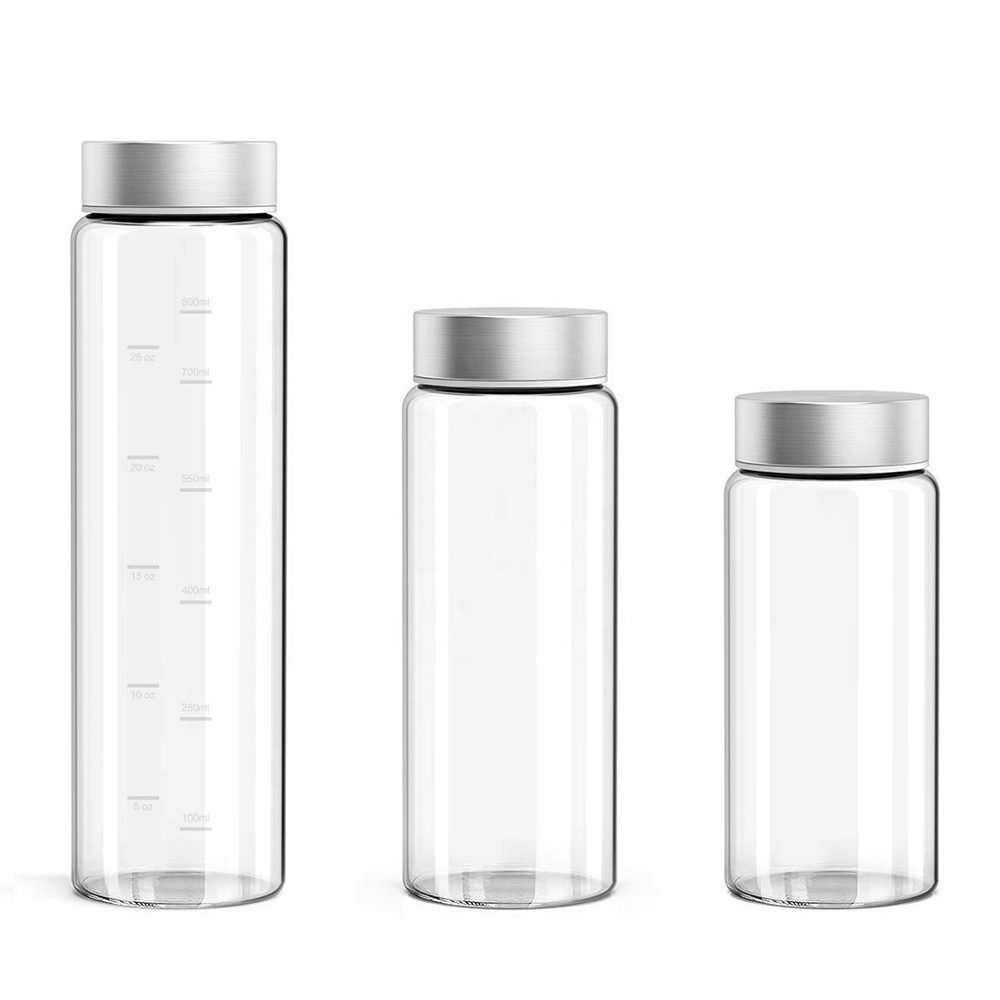
Borosilicate glass, specifically 3.3 borosilicate, contains a higher proportion of silica and boric oxide compared to common soda-lime glass. This composition gives it a low coefficient of thermal expansion, which is the technical reason it withstands temperature swings from -20°C to 300°C without cracking. That means a bottle can move straight from a freezer shelf to a hot-fill line without thermal shock failure, a characteristic our production team tests on every batch.
The glass is naturally inert and does not leach chemicals. Food-grade certifications like FDA and LFGB rely on this property because borosilicate glass does not require plastic liners or coatings to stay taste-neutral. For a retailer or brand, this simplifies the compliance story: no BPA, no lead, no phthalate migration risks to manage. The only thing the glass adds is a premium hand feel that plastic cannot replicate.
Quality Control in Borosilicate Bottle Manufacturing
Production quality is determined long before a finished bottle leaves the mold. The process starts with batch-controlled 3.3 borosilicate glass rods or tubes, which are heated and shaped on automated forming machines. After forming, the bottle enters an annealing furnace where it is slowly cooled through a controlled temperature gradient. If annealing is rushed or uneven, residual stress gets locked into the glass, and that bottle will eventually crack under minor thermal change or light impact.
In our production facility, we run over 100 automated machines with annealing profiles specific to each bottle shape and wall thickness. That level of parameterization is what low-quality factories skip because it adds cycle time. I have seen stress-test cameras in our quality lab identify near-invisible stress points that later failed repeated thermal shock tests. Below are the core tests we require on every production lot before shipment.
Critical Quality Tests for Borosilicate Water Bottles
| Test | Purpose | Acceptance Standard |
|---|---|---|
| Thermal shock resistance | Simulates rapid temperature change | No cracks after cycling from 0°C to 100°C |
| Internal pressure test | Verifies structural integrity | Bottle holds specified pressure without rupture |
| Heavy metal migration | Confirms no lead/cadmium leaching | Within FDA and LFGB limits |
| Annealing stress check | Detects residual stress | Pass polariscope inspection |
A factory that cannot show you test records for these parameters is one you should question. Certifications on a wall do not guarantee that every shift runs the same annealing cycle. Ask for a production batch traceability report, not just the ISO certificate number. (If your procurement involves high volumes with tight quality requirements, reach out at [email protected] and we can share sample batch documentation you can compare against other suppliers.)
How to Evaluate a Wholesale Borosilicate Glass Water Bottle Supplier
You do not need to visit the factory to make a meaningful assessment, but you do need to ask the right questions. First, request a video walkthrough of the production floor showing the annealing furnace control panel and the quality testing station. Many factories that claim full in-house production actually outsource annealing or finishing, which breaks the quality chain. Second, order pre-production samples and subject them to your own temperature cycling and drop tests. A sample that survives a week in your logistics chain tells you more than any brochure.
Look beyond the common certification list. BSCI, ISO 9001, and FDA registration matter, but they are minimum hygiene factors. What really matters is whether the factory can demonstrate consistent output at scale. Ask for their daily production capacity, the number of active molds they own for your product category, and their defect rate as a percentage of total output. In our operation, we produce 200,000 pieces daily across multiple product lines, and we track defect rates at each annealing station. That level of granularity is what gives you the confidence to place repeat orders without constant re-inspection.
Customization and Private Label Options for Borosilicate Water Bottles
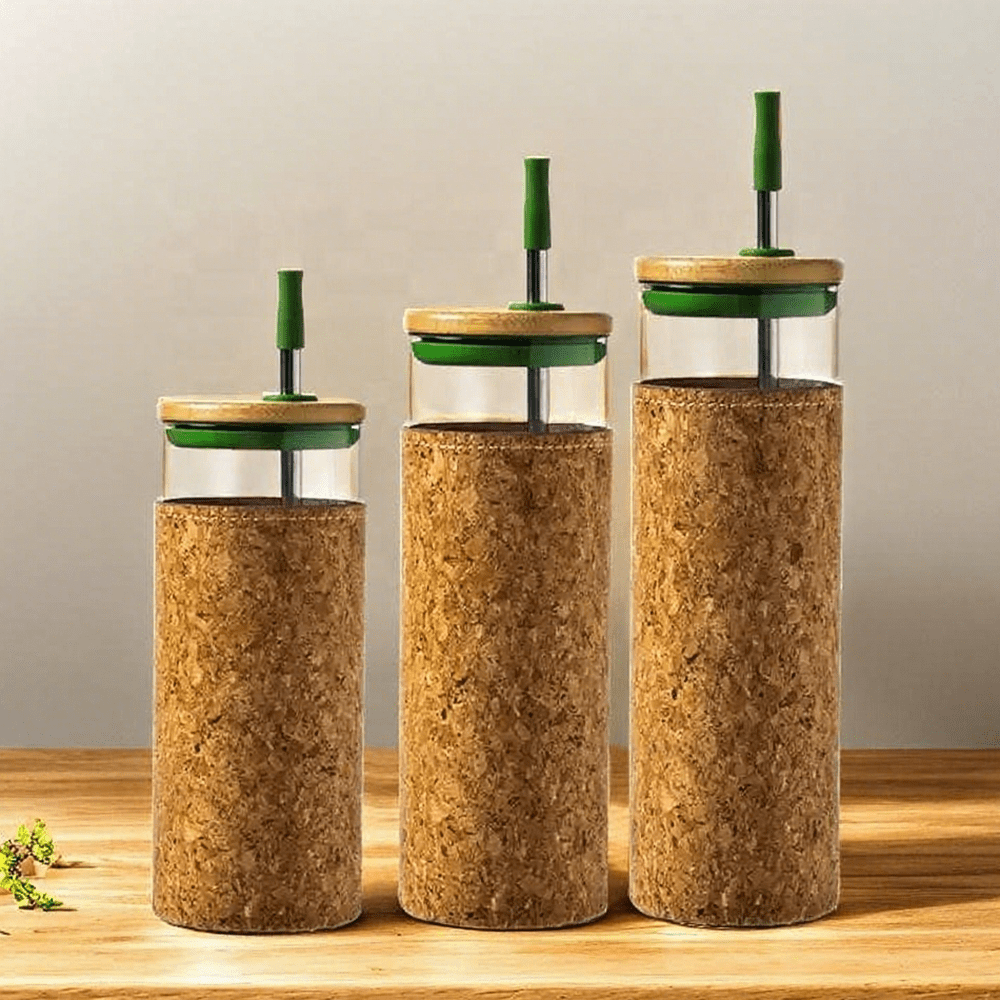
Most buyers move into private label territory after validating quality. The two main paths are OEM, where you work with an existing mold, and full mold customization, where you create a unique bottle shape. Mold customization cost varies by complexity, but a standard borosilicate water bottle mold can range from $800 to $2,500, amortized across your order volume. For fitness or wellness brands, the growing demand is for time-marked bottles, fruit infuser inserts, and color-matched silicone sleeves. All of these are feasible on high-speed manufacturing lines.
Logo application options include silk screen printing for simple one-color designs, laser engraving for a permanent frosted mark, and decal transfer for multi-color artwork. We also offer full packaging customization, from branded boxes to recycled-paper inserts, which is increasingly important for eco-positioned retailers. Even for initial test orders, our factory accepts a minimum quantity as low as one piece for sampling, which removes the risk of committing to a full container before verifying the final product.
Ordering, Logistics, and After-Sales for Imported Glass Products
Once you have approved a sample, the production lead time for a standard order typically runs 20 to 35 days, depending on whether custom molds are already fabricated. Factor in an additional two to three weeks for ocean freight consolidation and customs clearance. Because borosilicate glass bottles are heavier than plastic, you will want to check per-unit landed cost rather than ex-works price alone. Budget for approximately 0.5% to 1% breakage in transit and confirm that the supplier uses partitioned packaging tested to a drop standard like ISTA 3A.
After-sales processes should be clear before you sign a purchase order. Confirm whether the factory offers credit for defective items, how they handle returns of broken glass, and whether they keep production records for every lot in case a compliance issue arises later. A supplier that archives batch-specific testing data gives you the documentation chain you need for your own regulatory obligations.
Common Questions About Sourcing Borosilicate Glass Water Bottles
What is the minimum order quantity for custom borosilicate water bottles?
For complete mold customization, MOQ usually starts around 1,000 to 2,000 pieces per design. If you work with an existing mold and only require logo printing, some manufacturers, including ours, accept as few as a single sample piece before you increase volume. The key is to confirm whether the factory categorizes a custom logo as a new SKU with a higher MOQ, because their production planning systems may require a minimum batch size to avoid line downtime.
Can I get a sample before placing a bulk order?
Yes, and you should never skip this step. Request a pre-production sample that matches your exact specifications, including the logo application and packaging. That sample should come from the same production line that will fill your order, not a handcrafted prototype. We ship samples via air courier within 7 to 10 days of order confirmation, and we encourage buyers to run their own thermal shock and leak tests independently before final approval.
How long does production and shipping take for a custom order?
A custom order with a new mold typically takes 25 to 35 days for production. If you are using an existing mold with only logo customization, that can drop to 15 to 20 days. Add another 20 to 30 days for ocean freight to most ports in North America or Europe. The total timeline from payment to receiving goods is therefore around 45 to 60 days for a custom new-mold order.
What certifications should I look for in a borosilicate glass water bottle?
At minimum, the glass should carry FDA or LFGB certification for food contact safety. Many European buyers also require SGS test reports for specific migration limits. If you sell on Amazon or to large retailers, expect them to ask for a certificate of compliance and sometimes a factory audit report like BSCI. The certifications are important, but also ask for batch-level test reports that tie to your specific production run, not a general certificate that may be reused for different clients.
How do I handle defective products after import?
Start by documenting the defects with clear photographs and noting the production lot number, if available. Most factories offer a compensation percentage based on defect rate, either as a credit on your next order or a refund. To minimize disputes, agree on an acceptable quality limit before production begins and include it in your contract. If your program involves strict retail compliance, it is worth confirming the factory’s batch traceability and defect reporting procedure before finalizing your order. Share your specifications and we can walk you through the documentation we provide for every shipment at [email protected], or call us directly at +86-516-12345678.
If you’re interested, check out these related articles:
high borosilicate glass innovations driven by europes sustainability surge
changing glass bottle strategies for global brands
five golden rules for finding excellent suppliers a procurement guide for borosilicate glass products
unlock your brand potential with uv printing
five key points for year round promotions