
 English
  Arabic
  Spanish
  German
 Running a restaurant means watching things break. Glassware sits at the top of that list. After years of tracking what survives and what shatters, patterns emerge that most operators never think to measure. The real savings come not from buying cheaper glass, but from understanding why certain pieces last three times longer than others and timing your orders around that knowledge.
What Actually Drives Glass Drinkware Replacement Cycles
Several variables determine how quickly restaurant glassware moves from shelf to recycling bin. Material composition matters more than most realize. A tumbler made from standard soda-lime glass handles daily service differently than one made from borosilicate. Design plays a role too. Thin-walled stemware breaks at rates that would alarm anyone who hasn’t tracked the numbers. Usage intensity compounds everything. A busy brunch spot cycles through water glasses faster than a fine dining room serving the same covers.
Handling practices often get overlooked. The way staff load dishwashers, stack glasses, and transport them between stations creates cumulative stress that shortens lifespan well before any single dramatic break.
How Long Restaurant Glassware Actually Lasts
Lifespan varies more than suppliers typically admit. Soda-lime glass chips and cracks under thermal stress. Borosilicate glass resists temperature swings because its molecular structure expands less when heated. That difference translates directly into replacement frequency.
Usage intensity matters as much as material. A glass used twice daily wears faster than one pulled for weekend service only. Washing methods accelerate degradation. Harsh commercial detergents and improper dishwasher loading create micro-abrasions that weaken glass over time.
| Glassware Type | Average Lifespan (Months) | Breakage Rate (Annual %) |
|---|---|---|
| Stemware | 3-6 | 50-80% |
| Tumblers | 6-12 | 20-40% |
| Water Glasses | 6-12 | 25-45% |
| Specialty Glass | 4-8 | 30-60% |
Strategic Bulk Reordering That Cuts Costs and Waste
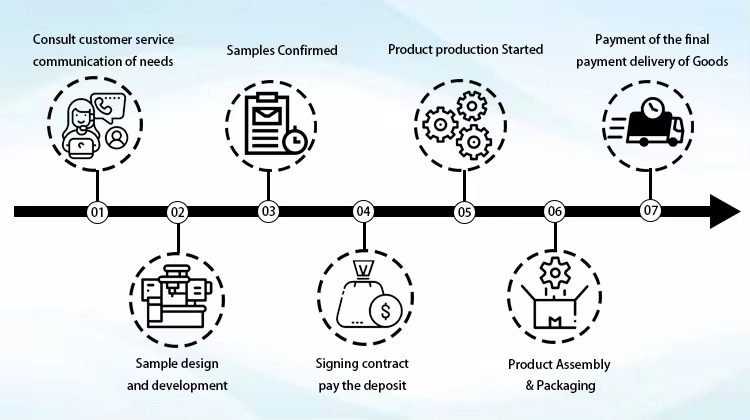
Smart bulk reordering requires more than placing large orders. Restaurants that implement systematic inventory tracking typically see 15-20% cost reductions and 10% less waste. The key lies in forecasting accurately enough to avoid both stockouts and overstocking.
Seasonal demand shifts matter. Summer cocktail service burns through highballs faster than winter. Holiday parties spike champagne flute breakage. Integrating sales data with historical breakage rates produces forecasts that actually match operational reality.
Building a Forecasting System That Works
Effective stock control starts with consistent counting. Weekly checks for high-turnover items catch problems before they become emergencies. Monthly counts handle specialty pieces that see less action.
POS data provides the foundation for accurate forecasting. Sales trends reveal which glasses move fastest. Historical breakage rates show which categories need larger safety stock. Even a basic spreadsheet tracking these numbers outperforms gut instinct. The goal is eliminating emergency orders that carry premium pricing and rushed shipping costs.
You may be interested in exploring further insights into optimizing your inventory and procurement processes. Consider reading 《why 60 of buyers transferred orders to this chinese factory》.
Why Supplier Selection Shapes Your Replacement Cycle
The supplier relationship affects replacement cycles more than most operators realize. A reliable partner delivers consistent quality, maintains supply during demand spikes, and offers pricing that makes bulk purchasing worthwhile.
Certified, high-quality glassware from a reputable source lasts longer in service. That extended lifespan reduces order frequency and total cost of ownership. Supply chain reliability prevents the scramble of finding backup vendors when primary sources fall short.
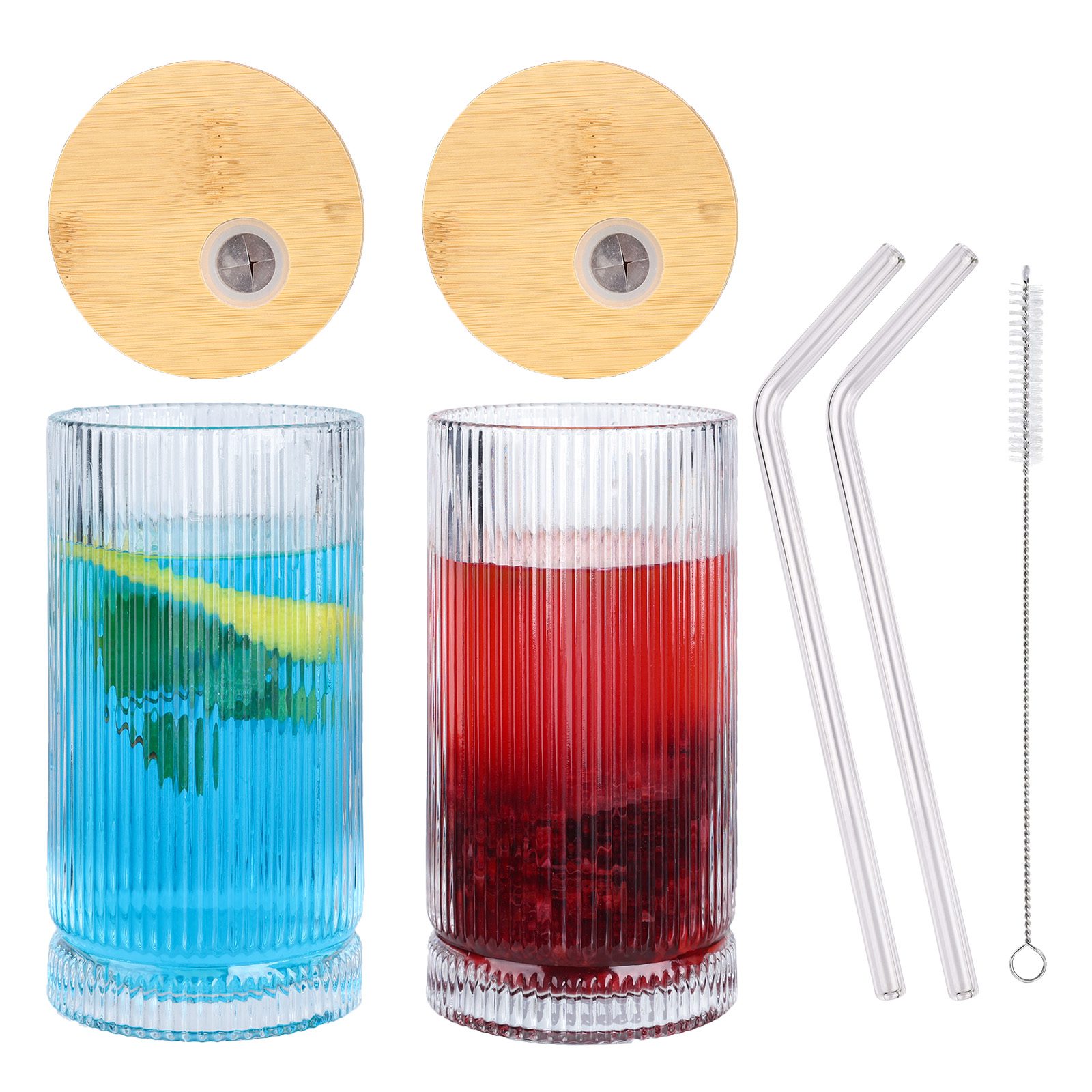
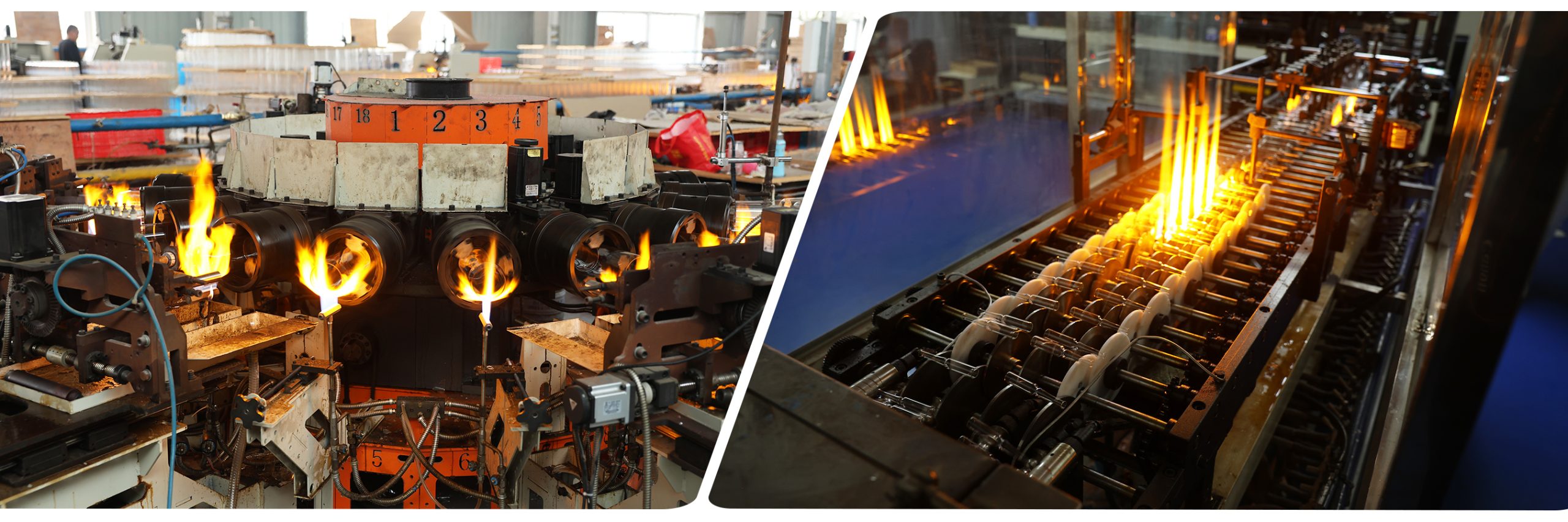
Evaluation criteria should include certifications, production capacity, customization capabilities, and logistics infrastructure. Xuzhou Jianmei Glass Products Co., Ltd. manufactures heat and cold-resistant borosilicate glass products with custom solutions and flexible ordering terms. The company holds 45 appearance patents, 32 IP rights, and 120 testing certifications including FDA and CE. A 40,000 square meter facility equipped with 100 advanced machines produces 200,000 pieces daily, supporting reliable supply for global foodservice operations.
Which Glass Types Deliver Better Long-Term Value
Borosilicate glass costs more upfront but pays back over time. Its thermal shock resistance prevents the cracks that form when cold liquid hits warm glass or vice versa. Impact resistance runs higher too. The material resists chemical corrosion from acidic beverages and cleaning agents, maintaining clarity longer than standard glass.
Investing in durable options like borosilicate glass water bottle or borosilicate glass cup reduces reorder frequency. The math works out when you factor in fewer replacements, lower shipping costs, and reduced staff time spent on inventory management.
How Quality Drinkware Affects Customer Perception
Guests notice glassware more than they consciously realize. The weight in hand, the clarity of the material, the absence of chips or cloudiness all contribute to their impression of the establishment. Premium drinkware signals attention to detail that extends to food and service.
Serving beverages in well-maintained glass mugs with handles or distinctive glass can with straw and lid creates memorable moments. Clean, scratch-free glass also communicates hygiene standards without requiring explanation.
Custom branding on glassware transforms functional items into marketing tools. Every drink becomes an opportunity to reinforce brand identity and create photo-worthy moments that guests share.
Handling and Storage Practices That Extend Glassware Life
Proper protocols can reduce breakage by up to 30%. That reduction compounds over time into significant savings.
Staff training covers the basics that often get skipped. Correct gripping techniques prevent drops. Understanding which glass types can stack safely prevents pressure cracks. Loading dishwashers properly means glasses don’t knock against each other during wash cycles.
Storage solutions matter too. Dedicated racks keep glasses separated. Shelving at appropriate heights reduces reaching accidents. Organizing by type and frequency of use speeds service while protecting inventory.
For more detailed information on selecting the right materials for your drinkware, you might find 《the best materials for drinkware glass ceramic or stainless steel》 insightful.
Making Glassware Investments That Last
Strategic purchasing decisions today reduce costs for years. Versatile pieces that work across multiple service styles get more use without requiring separate inventory for each occasion.
Durability remains the primary consideration. Borosilicate glass handles the demands of commercial service better than alternatives. Products like borosilicate glass Food Storage Jars or borosilicate drink glass water bottle serve multiple purposes while lasting longer than single-use alternatives.
Sustainability increasingly influences purchasing decisions. Guests notice and appreciate eco-conscious choices. Highly durable glass that requires fewer replacements reduces environmental impact while lowering operating costs.
Partner with Xuzhou Jianmei Glass Products Co., Ltd.
Elevate your restaurant’s operational efficiency and customer experience with premium, durable glass drinkware. Xuzhou Jianmei Glass Products Co., Ltd. offers a comprehensive range of heat/cold-resistant borosilicate glass products, custom solutions, and flexible ordering options to meet your unique needs. Contact us today at [email protected] for a bright cooperation and discover how our certified glassware can enhance your establishment.
Frequently Asked Questions About Restaurant Glassware Management
What is the average lifespan of restaurant glassware and how can it be extended?
Most restaurant glassware lasts 6-12 months under normal service conditions, though stemware often fails sooner. Extending that lifespan requires choosing borosilicate glass for its durability, training staff on proper handling, and maintaining consistent washing protocols. These steps compound to significantly reduce annual breakage rates.
How often should a restaurant conduct a glassware inventory check to prevent stockouts?
Weekly counts work best for high-turnover items like water glasses and tumblers. Monthly checks suffice for specialty pieces used less frequently. Combining regular counts with POS data creates forecasts accurate enough to prevent both stockouts and excess inventory.
Are there specific types of glass drinkware that are more cost-effective for bulk reordering?
Borosilicate glass delivers the best long-term value for bulk purchases. Higher thermal shock resistance and impact durability mean fewer replacements over time. The initial cost premium typically pays back within the first year through reduced reorder frequency.
What certifications should I look for when selecting a commercial glassware supplier?
FDA certification confirms food-contact safety. CE marking indicates compliance with European standards. SGS certification provides independent verification of quality claims. These certifications together indicate a supplier with reliable quality control and consistent product performance.
Can custom-branded glassware enhance my restaurant’s marketing and customer experience?
Custom branding turns every drink into a brand touchpoint. Guests notice and remember distinctive glassware. The visual impact creates photo opportunities that extend your marketing reach beyond the dining room while reinforcing brand identity with every service.