
 English
  Arabic
  Spanish
  German
 Borosilicate glass cups with silicone sleeves are gaining traction among retailers and brands that need a drinkware product balancing thermal safety with modern aesthetics. The combination seems simple: a glass body, a colorful sleeve, but manufacturing this integration reliably requires more than just sliding a sleeve onto a cup. Drawing on over a decade in high-borosilicate glass production, I’ve seen how the quality of the sleeve fit and material choice directly impacts customer satisfaction and return rates. When the sleeve stays put through dishwashing cycles and daily use while offering a comfortable non-slip grip, the product sells itself. This article examines why the manufacturing process behind the sleeve matters as much as the glass itself.
Why a Silicone Sleeve Makes Borosilicate Glass Cups Safer
The primary safety benefit of a silicone sleeve is thermal protection. Borosilicate glass can handle temperatures from -20°C to 150°C without thermal shock, but when you pour near-boiling water into a cup, the exterior still gets hot. A snug silicone sleeve insulates the cup’s outer surface, keeping it safe to touch. We specify food-grade silicone with a thickness between 1.2 and 2.0 millimeters to achieve a balance of heat insulation and a slim profile. In production, we test sleeve samples at elevated temperatures so they don’t become soft or lose grip.
Non-slip grip is another practical advantage. Wet hands, condensation on a cold drink, or a quick grab from a crowded shelf: silicone maintains friction where glass alone becomes slippery. That reduces accidental drops, which matters for retailers tracking breakage rates. We’ve seen customers report fewer replacement claims when switching from plain glass cups to silicone-sleeved versions.
The silicone sleeve also acts as a buffer if the cup is bumped against a hard surface. It won’t stop shattering, but it can absorb light impacts that would otherwise chip the glass edge. For this reason, we recommend buyers consider sleeve overhang at the top and bottom rims when specifying dimensions.
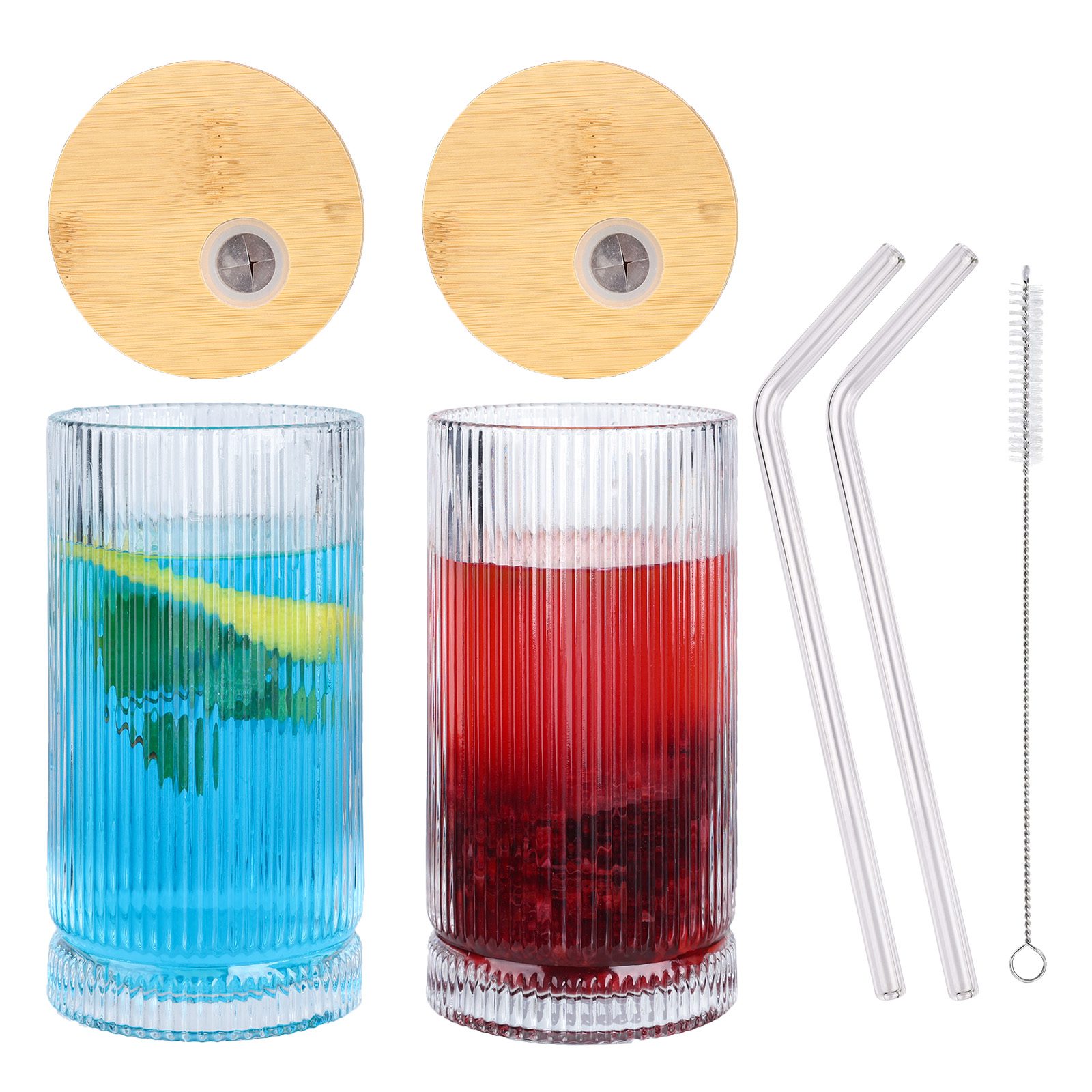
Design Options That Combine Style with Durability
Sleeve design is where the style half of the equation lives. Silicone can be pigmented in a wide range of colors, and the surface can be matte, glossy, or textured. We can match Pantone colors for brands that need exact consistency across their product line. The sleeve can also be molded with patterns—ribs, waves, or brand logos—that don’t wear off like printed graphics. Since the texture is molded into the silicone itself, it maintains visibility even after repeated cleaning.
The glass body shape also influences style. Our borosilicate glass cups come in straight, tapered, and ribbed profiles. When combined with a precisely fitted sleeve, the final product looks cohesive, not like an add-on. The sleeve’s thickness must match the cup’s diameter tolerance to avoid sagging. We typically hold a 0.2-millimeter tolerance on silicone inner diameter, which keeps a clean line against the glass.
If your product line needs a specific sleeve texture or color to match your brand identity, we can supply custom samples in 7-10 days. Email [email protected] with your design brief.
How Manufacturing Process Affects Sleeve Durability and Fit
The longevity of a silicone-sleeved cup depends on how the sleeve is attached to the glass. Some manufacturers treat the sleeve as an accessory, shipping it separately for the buyer to slide on. That approach often leads to sleeves that slip or bunch up during use. We integrate the sleeve onto the cup at the end of the glass production line, immediately after annealing and inspection. This means each cup is measured for outer diameter, and the corresponding silicone sleeve is selected for a precise interference fit.
Our production team has found that a sleeve with an inner diameter 0.5 to 1.0 millimeters smaller than the cup’s outer diameter creates the right friction to stay in place without being impossible to remove if needed. We also apply a light food-safe lubricant during assembly to prevent the silicone from binding. This step is commonly overlooked but is critical for production speed and consistency.
The material of the sleeve also matters. We use platinum-cured silicone rather than peroxide-cured because it’s fully odorless, tasteless, and passes all food-contact standards without post-curing. The initial cost is higher, but for brands selling premium drinkware, the absence of any residual chemical smell is non-negotiable.
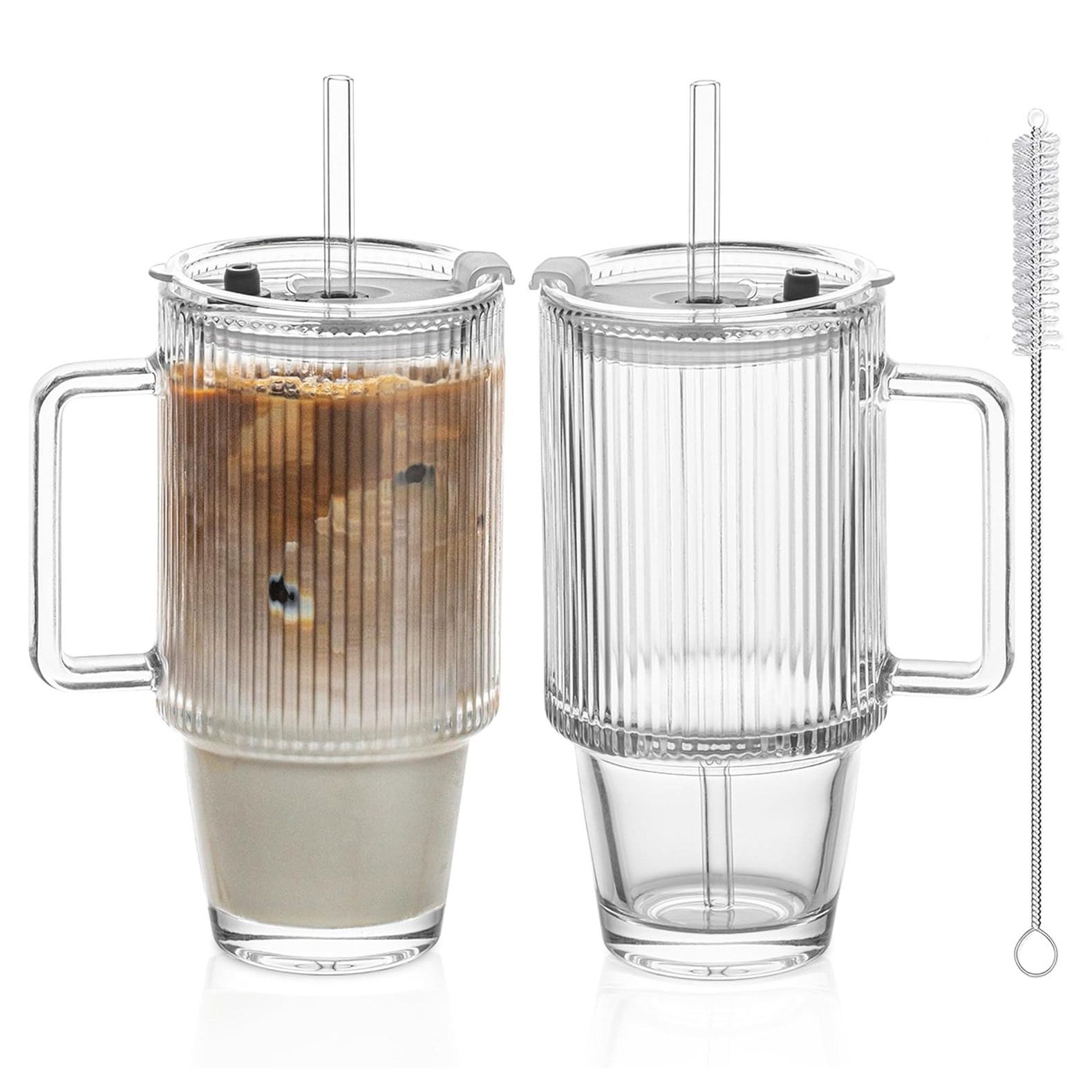
Customizing Silicone Sleeves for Your Brand: Colors and Logo Printing
Customization goes beyond picking a color. We offer four sleeve personalization approaches: solid color matched to Pantone, two-color co-molding for a layered look, debossed or embossed logos directly in the silicone during curing, and silk-screen printing on the silicone surface. For logos printed on the glass itself, we use laser engraving, which won’t fade with washing, unlike some direct prints.
The minimum order quantity for custom sleeve colors is typically 1,000 pieces per color, but we can accommodate smaller runs for sample orders. The mold for embossed logos requires a one-time tooling cost, usually recouped over larger orders. We can produce samples with the custom logo within 15 working days after mold completion.
Borosilicate glass cups themselves come in capacities from 300 milliliters to 1,000 milliliters, as listed in our product catalog. The sleeve can be designed to cover most of the body or just the gripping area, depending on your design preference.
What to Ask Your Supplier About Food-Grade Certifications
When sourcing borosilicate glass cups with silicone sleeves, the silicone part often gets less scrutiny than the glass, but it’s equally important for food safety. Ask your supplier for a silicone material certificate that specifies compliance with FDA 21 CFR 177.2600 for repeated food contact, or LFGB standards for the European market. Our silicone sleeves come with these certifications, and we supply batch-specific test reports upon request.
The glass itself should be BPA-free and lead-free, which is inherent to borosilicate glass, but you should still request a heavy metal leaching test. Our factory maintains 120 active testing certifications spanning FDA, LFGB, SGS, and CE, so we can supply compliance documents for both glass and silicone components.
Also confirm that the silicone is free of phthalates and BPA. Some low-cost silicone compounds use fillers that can leach chemicals over time. A quick way to test: a pure silicone sleeve feels smooth and slightly grippy; a cheap filled sleeve often feels chalky or leaves a white residue when stretched.
Sourcing Borosilicate Glass Cups with Silicone Sleeves: MOQ, Lead Times, and Logistics
Our standard minimum order quantity for borosilicate glass cups with silicone sleeves is 1,000 pieces per design, but we can work with smaller quantities for trial orders or market testing. For mixed SKU orders—for example, combining 300ml and 500ml cups—the total quantity can be aggregated to meet the MOQ.
Lead time from order confirmation is 30 to 40 days, depending on whether new molds are required for custom silicone sleeves. We produce 200,000 glass pieces daily across our 40,000-square-meter facility, so large orders don’t cause delays. Shipping can be arranged FOB Shanghai or CIF to your destination port; we work with freight forwarders experienced in glass products to minimize breakage.
For buyers concerned about packaging, we test packaging designs to meet Amazon’s drop test requirements and can supply ISTA 1A pre-shipment test reports. Custom retail boxes with your logo are available with an MOQ of 5,000 units.
The difference between a supplier that integrates silicone sleeve production into the glass manufacturing process and one that treats it as an add-on shows up in customer returns and repeat orders. To discuss your requirements for borosilicate glass cups with custom silicone sleeves, email [email protected] with your target volume and design specifications. We’ll respond with a detailed quote and sample timeline within one business day.
Questions Buyers Ask About Silicone-Sleeved Glass Cups
Can I put a borosilicate glass cup with a silicone sleeve in the microwave?
Borosilicate glass itself is microwave-safe, but the silicone sleeve may not be. Most food-grade silicone sleeves can withstand brief microwave exposure, but we recommend removing the sleeve before microwaving unless the manufacturer explicitly states it’s microwave-rated. If you need a sleeve that stays on during microwaving, request silicone with a higher temperature threshold—some can handle brief exposures up to 200°C. Confirm with your supplier and test a sample to be sure.
Are the silicone sleeves removable for cleaning?
Our sleeves are designed to stay in place during normal use and hand-washing. They are not intended to be removed regularly, as repeatedly stretching the silicone can reduce its fit. However, they can be removed for deep cleaning if needed. We test sleeve retention after 50 cycles of hot water immersion (60°C) and manual scrubbing. If your retail customers prefer a removable sleeve for machine washing, we can adjust the fit tolerance to make it easier to take off, but that may reduce the no-slip security.
What sizes are available for bulk order?
We supply borosilicate glass cups from 300ml up to 1000ml capacity, with the option to match a custom silicone sleeve to each size. The sleeve height can be tailored to cover the full body or just the central gripping area. Our product catalog includes standard dimensions for each capacity, and we can produce new sizes within a 3mm tolerance for volume and height.
How do I know the silicone sleeve won’t degrade over time?
Specify platinum-cured, food-grade silicone from your supplier and ask for UV stability test data if the cups will be displayed in direct sunlight. Silicone can yellow when exposed to prolonged UV, though our silicone includes UV inhibitors for standard indoor use. Accelerated aging tests at 70°C for 168 hours can predict long-term performance. A sleeve that still fits tightly and shows no cracks or discoloration after this test will likely last through years of normal use.
If you’re comparing suppliers, request a sample with the sleeve already attached and run it through your own use tests: hot fill, hand wash, drop test. Then share your findings with us at [email protected], and we’ll match or improve on the quality you need.
If you’re interested, check out these related articles:
the ultimate guide daily actions to protect the earth
how to procure the most popular water bottles on the market