
 English
  Arabic
  Spanish
  German
 The packaging world is changing faster than most people realize. Walk through any grocery aisle today and you’ll notice something different—more glass, less plastic. This isn’t just retailers chasing a trend. Brands across every category are rethinking their material choices because consumers, regulators, and basic economics are all pointing in the same direction. Glass packaging has become the practical answer to a problem that plastic created decades ago.
Why Brands Are Walking Away from Plastic
The move from plastic to glass packaging keeps accelerating, and the reasons go deeper than marketing. Plastic packaging risks have become impossible to ignore—microplastics in food, chemical leaching concerns, and recycling systems that never actually worked as promised. Consumers notice these things now. They read labels. They ask questions.
Sustainable material alternatives aren’t optional anymore. They’re expected. Brands that stick with plastic face real consequences: lost shelf space, social media backlash, and regulatory penalties that keep getting steeper. The ones switching to eco-friendly packaging solutions aren’t just protecting their reputation. They’re positioning themselves for markets that will only get stricter.
Industry surveys consistently show strong consumer preference for glass. People trust it. They associate it with quality. Brands setting aggressive plastic reduction targets understand this isn’t sentiment—it’s strategy.
For further insights into sustainable choices, consider reading 《taste sustainability why choose glass》.
What Glass Actually Does for Products and Brands
Glass packaging delivers benefits that matter beyond how it looks on a shelf. The material is chemically inert, which means it doesn’t react with what’s inside. No chemical leaching. No flavor contamination. No questions about food safety that plastic always raises.
This property becomes critical for sensitive products—anything with acids, oils, or volatile compounds. Glass maintains product integrity in ways plastic simply cannot match. Brands use this advantage for differentiation strategies, positioning their products as premium choices worth paying more for.
The long-term value shows up in recycling too. Glass is 100% recyclable without quality loss. It fits perfectly into circular economy principles because it can cycle through the system indefinitely. Choosing glass signals a commitment to quality and environmental responsibility that consumers recognize and reward.
What are the initial investment considerations for transitioning from plastic to glass packaging?
Switching from plastic to glass packaging requires upfront investment that brands need to plan for carefully. Tooling costs for new molds represent the biggest initial expense. Manufacturing lines often need reconfiguration to handle glass weight and fragility requirements.
Production efficiency typically differs during the transition period. Teams need time to adjust processes and optimize throughput. However, long-term savings usually materialize from fewer material degradation issues and stronger brand perception that commands better margins.
A thorough cost analysis for glass packaging should include supply chain considerations for glass components, storage requirements, and shipping weight impacts. Most brands find the numbers work out favorably within two to three years.
Making the Switch Work Across Operations
Implementing glass packaging requires coordination across the entire supply chain. Modern glass manufacturing containers come from facilities using advanced techniques that ensure consistent quality at scale. The technology has improved dramatically over the past decade.
Custom glass bottle manufacturing gives brands flexibility to maintain unique product identities during the transition. OEM glass solutions allow companies to specify exact dimensions, finishes, and closures that match their existing brand standards.
Efficient glass jar production depends on optimized logistics for global distribution. Glass weighs more than plastic, which affects shipping costs and carbon footprint calculations. Smart brands work with manufacturers who understand these tradeoffs and design packaging that minimizes unnecessary weight while maintaining structural integrity.
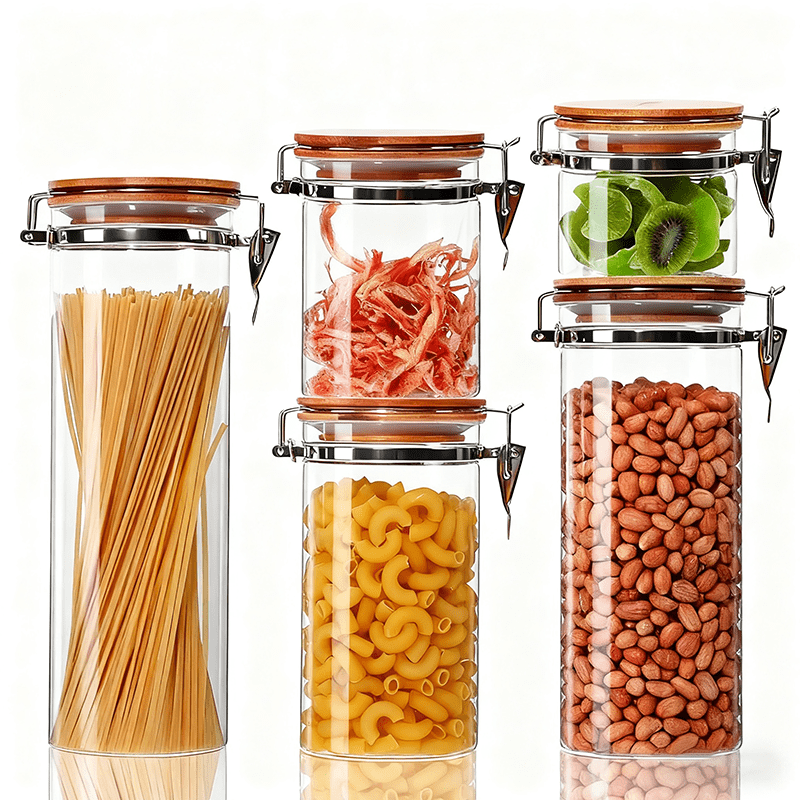
We invite you to explore our comprehensive guide on 《choosing chinese glass manufacturing factory》 for a deeper understanding of efficient manufacturing partnerships.
Why Material Grade Matters More Than Most Brands Realize
Advanced glass materials make a significant difference in real-world performance. Borosilicate glass stands out for applications where temperature matters. Heat-resistant glass products handle thermal shock that would crack standard glass. Cold-resistant glass containers survive freezer storage without stress fractures.
This versatility opens up product categories that standard glass cannot serve. Hot beverages, frozen foods, and products requiring sterilization all benefit from borosilicate’s low coefficient of thermal expansion.
Certifications matter for market access. FDA approved glass packaging opens the US market. CE certified glass products satisfy European requirements. These standards verify safety and quality for glass water bottles, glass cups, and food storage containers. They also build consumer trust in ways that marketing claims alone cannot achieve.
How does glass packaging affect product shelf life and integrity compared to plastic?
Glass packaging extends product shelf life through superior barrier properties that plastic cannot match. The material is non-porous and chemically inert, which prevents oxygen ingress and eliminates chemical migration entirely.
This preservation capability protects flavor, aroma, and nutritional content throughout the product’s life. Glass also provides natural UV protection when tinted, reducing degradation from light exposure. These characteristics combine to maintain product quality far longer than plastic alternatives allow.
Are there specific types of glass that offer superior performance for certain products?
Borosilicate glass delivers superior performance for specialized applications, particularly products requiring thermal shock resistance. Its low coefficient of thermal expansion makes it ideal for containers exposed to extreme temperature changes—hot beverages going into refrigerators, or frozen items being heated directly.
This specialized glass packaging also exhibits excellent chemical durability. Products with high acid content or reactive ingredients stay pure and uncontaminated. The material costs more than standard soda-lime glass, but the performance justifies the investment for premium product lines.
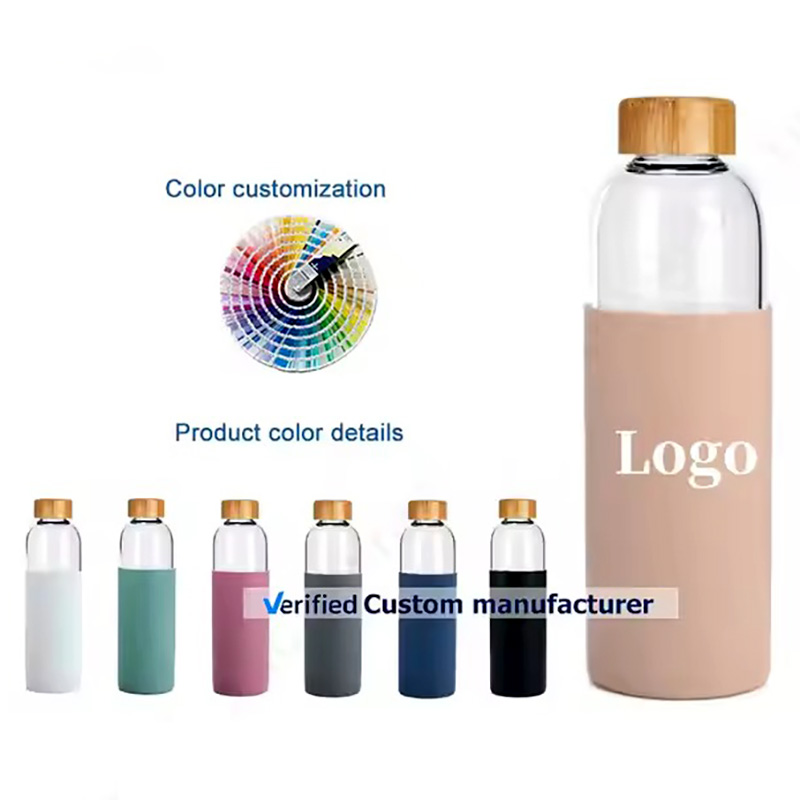
For instance, our 500ml Wholesale Glass Water Bottle is BPA-free, lead-free, and food-grade, offering customization in body, shape, and size. Similarly, our Borosilicate Glass Tea Tumbler, available in 420ml, 500ml, and 1000ml, features a wide mouth design and is heat-resistant.
| Product Name | Material | Key Features | Certifications |
|---|---|---|---|
| 500ml Wholesale Glass Water Bottle | Borosilicate Glass | Eco-friendly, Recyclable, BPA-free | Food-grade |
| Borosilicate Glass Cup with Wood Lid | 3.3 Borosilicate Glass | Heat-resistant (-20°C to 300°C), Leak-proof | FDA / LFGB / SGS |
| Borosilicate Glass Tea Tumbler | Borosilicate Glass | Wide mouth, Heat-resistant, Leak-proof | BPA-free, Food-grade |
| BPA-free Borosilicate Glass Drinkware | 3.3 Borosilicate Glass | Heat-resistant, Leak-proof, Taste-neutral | BPA-free, Food-grade |
| Transparent Glass Food Storage Canister | Borosilicate Glass | Eco-friendly, Recyclable | BPA-free, Food-grade |
Regulations Keep Tightening and Consumers Keep Watching
Brands must track evolving regulatory compliance packaging requirements that vary by market. Plastic waste legislation grows stricter each year. Single-use plastic bans have spread from Europe to Asia to North America, with more jurisdictions following.
Transparent communication with consumers about sustainability initiatives builds trust that advertising cannot buy. People want to know what brands are actually doing, not just what they claim. Adopting circular economy packaging models—where materials get reused and recycled rather than discarded—resonates with consumers who pay attention to these details.
This strategic approach strengthens brand loyalty and market position. Companies that move early on glass packaging gain advantages that late adopters will struggle to match.
Partner with Xuzhou Jianmei Glass Products
Partner with Xuzhou Jianmei Glass Products Co., Ltd. to confidently transition your brand to superior glass packaging. With over a decade of expertise, 45 patents, and global certifications, we offer bespoke, high-quality borosilicate glass solutions tailored to your unique product needs. Contact us today for a consultation and let’s forge a bright, sustainable future together: [email protected].
Why are more brands moving from plastic to glass packaging across all product lines?
Brands are shifting from plastic to glass packaging because three forces are pushing in the same direction. Consumer demand for sustainable and eco-friendly products keeps growing. Environmental regulations keep tightening. And glass offers superior product integrity plus a premium aesthetic that plastic cannot replicate.
This strategic shift enhances brand reputation while aligning with long-term sustainability goals. The environmental impact of plastic has become a liability that forward-thinking brands refuse to carry.
What are the key benefits of choosing glass packaging for businesses?
Glass packaging delivers enhanced brand perception, superior product preservation through inert barrier properties, and 100% recyclability without quality degradation. It helps products stand out in competitive markets and supports brand image enhancement that translates to better margins.
Compliance with evolving sustainability standards becomes easier with glass. The material fits naturally into regulatory frameworks designed to reduce plastic waste and promote circular economy principles.
How does Xuzhou Jianmei Glass Products support brands in transitioning to glass packaging?
Xuzhou Jianmei Glass Products Co., Ltd. provides comprehensive support for brands making the switch to glass. We offer specialized heat and cold-resistant borosilicate glass products, custom orders, and OEM services designed around your specific requirements.
Our advanced manufacturing capabilities, stringent quality control with FDA and CE certifications, and extensive experience ensure a seamless transition. We specialize in custom glass bottle manufacturing and OEM glass solutions that maintain your brand identity while upgrading your packaging materials.