 Arabic
  English
  Spanish
  German
 عندما بدأت لأول مرة في تقييم خيارات أواني الشرب المخصصة للمستخدمين الصغار، بدا لي أن الزجاج خيار مستبعد تمامًا. فهو هش للغاية، ويشكل خطرًا كبيرًا. لكن بعد أن أمضيت بعض الوقت في دراسة علم المواد، ورأيت الأداء الفعلي للتصاميم الوقائية الحديثة، تغيرت وجهة نظري. فالزجاج البورسليكاتي، عند دمجه مع الهندسة المناسبة، يوفر ما لا يستطيع البلاستيك توفيره أبدًا: حياد كيميائي تام وتجربة شرب خالية من تلوث المذاق. لا تتمحور مسألة السلامة حول ما إذا كان الزجاج مناسبًا للأطفال، بل حول ما إذا كان نوع الزجاج المحدد، ومجموعة الشهادات، وخصائص التصميم تتوافق مع ظروف الاستخدام في الواقع. وهنا تصبح قرارات اختيار الموردين مثيرة للاهتمام.
الزجاج البورسليكاتي يتفوق على الزجاج العادي في صناعة أواني الشرب المخصصة للأطفال
يكتسب زجاج البورسليكات سمعته بفضل الفروق الملموسة في الأداء، وليس من خلال الادعاءات التسويقية. فهذه المادة تتحمل الصدمات الحرارية بشكل استثنائي — حيث تنتقل من دورات التعقيم الساخنة إلى المشروبات الباردة دون أن تتعرض لكسور ناتجة عن الإجهاد. وهذا أمر مهم بالنسبة لزجاجات المياه الزجاجية التي تتعرض لتقلبات يومية في درجات الحرارة في البيئات المدرسية.
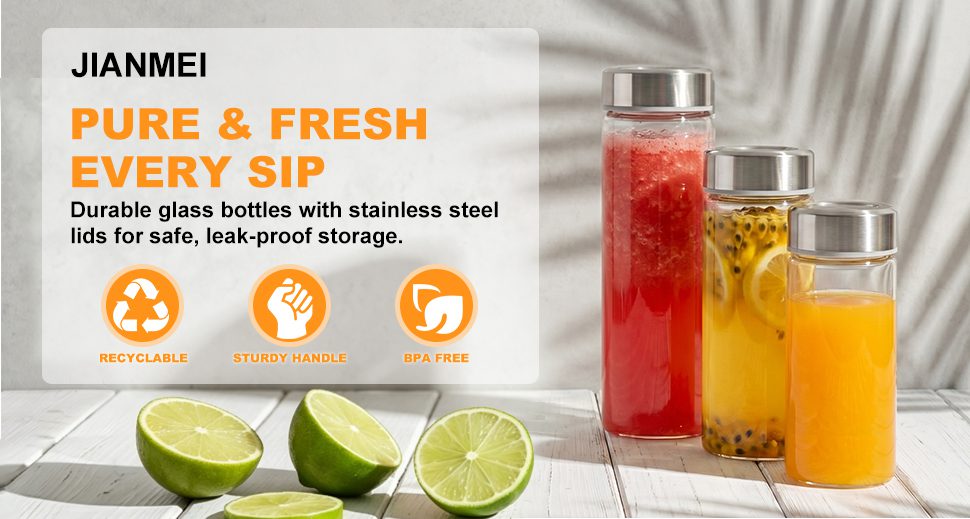
إن السلوك الكيميائي للبوروسيليكات يميزه بشكل أوضح. على عكس زجاج الصودا والجير، الذي قد يتفاعل مع المشروبات الحمضية عند التلامس لفترات طويلة، يظل البوروسيليكات خاملًا كيميائيًا. لا ينتقل مادة BPA. ولا توجد مخاوف بشأن الرصاص. ولا يوجد تعرض للفثالات. ويبقى السائل بداخله تمامًا كما هو عند تعبئته، وهو الشرط الأساسي لأي زجاجة مياه زجاجية للأطفال تستحق الاهتمام.
تنتج عمليات التصنيع التي تعطي الأولوية للزجاج البورسليكاتي المخصص للاستخدام الغذائي زجاجات خالية من مادة BPA، ذات تركيبة زجاجية مؤكدة خالية من الرصاص. ويؤدي هذا المزيج إلى إنتاج أواني شرب صحية حقًّا، بدلاً من المنتجات التي تكتفي بالادعاء بالأمان دون أن يكون لها أساس مادي يدعم ذلك.
| الميزة | زجاج البورسليكات | زجاج الصودا والليمون |
|---|---|---|
| المقاومة الحرارية | ممتاز (زجاج مقاوم للحرارة) | معتدل |
| النض الكيميائي | مهملة (مواد غير سامة) | ممكن مع مرور الوقت |
| المتانة | عالية | معتدل |
| الوزن | أخف وزناً | أثقل |
| الوضوح | متفوقة | جيد |
| التكلفة | أعلى | أقل |
شهادات السلامة التي تعكس فعليًّا جودة التصنيع
غالبًا ما تُستخدم اختصارات الشهادات بشكل عشوائي في تسويق المنتجات. وفهم ما الذي تختبره كل شهادة فعليًّا هو ما يميز الامتثال الحقيقي عن الإجراءات الشكلية.
تؤكد موافقة إدارة الغذاء والدواء الأمريكية (FDA) أن المواد تستوفي متطلبات السلامة المتعلقة بالتلامس مع الأغذية في السوق الأمريكية. تفحص بروتوكولات الاختبار انتقال المواد الكيميائية في ظل ظروف استخدام واقعية، وليس مجرد تركيب المادة بمعزل عن غيرها. تعبر علامة شهادة CE عن تلبية معايير الاتحاد الأوروبي التي تشمل الصحة والسلامة وحماية البيئة — وهو نطاق أوسع من الشهادات التي تقتصر على مسألة واحدة. وربما تمثل شهادة LFGB أكثر معايير ملامسة الأغذية صرامةً على مستوى العالم، حيث تتجاوز بروتوكولات الاختبار الألمانية المتطلبات الأساسية في معظم الأسواق الأخرى.
تمتلك شركة «شوزو جيانمي للمنتجات الزجاجية» المحدودة 120 شهادة اختبار تغطي جميع خطوط إنتاجها. ويعكس هذا الرقم الاستثمار المستمر في اختبار المنتجات ومراقبة الجودة، وليس مجرد جهود امتثال لمرة واحدة. وتعد سجلات التوثيق أمرًا مهمًا للشركات التي تتعامل مع لوائح الامتثال في أسواق تصدير متعددة — حيث تقلل حزم الشهادات الشاملة من العقبات أثناء إجراءات التخليص الجمركي وعمليات تأهيل المشترين من تجار التجزئة.
للتعرف على كيفية ارتباط جودة التصنيع بثقة المشتري، 《لماذا قام 60 من المشترين بتحويل الطلبيات إلى هذا المصنع الصيني》 يستكشف العوامل التشغيلية التي تحدد قرارات التوريد.
هندسة تصميمية تلبي متطلبات البيئة المدرسية الفعلية
تواجه زجاجة الماء الزجاجية الموضوعة على منضدة المطبخ ضغوطًا مختلفة عن تلك التي تتعرض لها الزجاجة التي تتقاذف داخل حقيبة الظهر بين الحصص الدراسية. فالتصميم الذي يهدف إلى المتانة يعني الهندسة وفقًا لحالة الاستخدام الفعلية، وليس وفقًا للظروف المثالية.
تؤدي الأغلفة المصنوعة من السيليكون وظائف متعددة تتجاوز الجانب الجمالي. فهذه المادة تمتص طاقة الصدمة عند السقوط، حيث توزع القوة على مساحة سطح أكبر بدلاً من تركيزها في نقطة تلامس واحدة. وهذا يحول مقاومة الزجاج للكسر من خاصية مادية إلى نتيجة على مستوى النظام. كما توفر الأغلفة ملمسًا يمنح الثبات الذي تحتاجه الأيدي الصغيرة للتعامل مع الجهاز بثقة.
تمنع التصميمات المانعة للتسرب والمزودة بأغطية محكمة الإغلاق وقوع الكوارث التي تحدث مع حقائب الظهر، والتي تجعل الآباء ينفرون من أي شكل من أشكال الزجاجات. ويجب أن تحافظ الأغطية على سلامتها حتى عند رمي الزجاجات في الحقائب، أو سقوطها على المكاتب، أو تعرضها عمومًا للطريقة التي يعامل بها الأطفال أغراضهم. أما الزجاجات سهلة التنظيف ذات الفتحات العريضة، فهي تلبي متطلبات الحفاظ على النظافة — فإذا كان التنظيف غير مريح، فإن وتيرة القيام به تقل.
تمتلك شركة «شوزو جيانمي» 45 براءة اختراع متعلقة بالمظهر، مما يعكس استثمارها المستمر في تصميم زجاجات ملائمة للأطفال. وتتميز زجاجة المياه الزجاجية المخصصة للبيع بالجملة بسعة 500 مل التي تنتجها الشركة بخصائص مقاومة الصدمات، والتي صُممت خصيصًا لضمان المتانة في الاستخدامات المدرسية الآمنة للأطفال.
| ميزة التصميم | حملة خيرية لجمع زجاجات الأطفال |
|---|---|
| أكمام سيليكونية | امتصاص الصدمات، ثبات محسّن |
| أغطية مانعة للتسرب | يمنع انسكاب السوائل ويحافظ على النظافة |
| شكل مريح | يسهل على الأيدي الصغيرة إمساكه |
| فتحة واسعة | سهلة التعبئة والتنظيف |
| أغطية من مادة تريتان/بولي بروبيلين | متينة وخفيفة الوزن وآمنة |
حجم الإنتاج وشفافية العمليات يعززان الثقة في التوريد
تُظهر الطاقة الإنتاجية والبنية التحتية للمنشأة ما إذا كان المورد قادرًا فعليًّا على الوفاء بالتزاماته. تعمل شركة «شوزو جيانمي» من منشأة تبلغ مساحتها 40,000 متر مربع، حيث يعمل 200 موظف على تشغيل 100 آلة. يصل الإنتاج اليومي إلى 200,000 قطعة — وهو حجم إنتاج يدعم كلاً من الطلبات الكبيرة بالجملة والطلبات المخصصة الأصغر حجماً دون حدوث تعارضات في جدولة الإنتاج.
تغطي بروتوكولات ضمان الجودة جميع مراحل سلسلة الإنتاج. حيث يتيح فحص المواد الخام اكتشاف المشكلات قبل دخولها إلى عملية التصنيع. ويحدد الاختبار أثناء خط الإنتاج المشكلات في الوقت الذي لا يزال فيه تصحيحها ممكنًا. ويؤكد تقييم المنتج النهائي أن كل وحدة تفي بالمواصفات قبل التعبئة. ويُميّز هذا النهج المنهجي في عمليات التصنيع موردي الزجاجات الموثوقين عن الشركات التي تعتمد على الفرز بعد الإنتاج للحفاظ على مستويات الجودة.
أصبحت ممارسات التصنيع المستدامة عاملاً متزايد الأهمية في قرارات المشترين. ويتماشى شراء المنتجات الصديقة للبيئة والحد من النفايات مع توقعات مشتري التجزئة وتفضيلات المستهلك النهائي. وتُشكل الشفافية بشأن هذه الممارسات — بدلاً من الادعاءات البيئية الغامضة — الأساس لبناء علاقات موثوقة مع الموردين.
تتناسب برامج الزجاجات المصنعة حسب الطلب (OEM) وبرامج بيع الزجاجات بالجملة مع نماذج الأعمال المختلفة. ويتيح تطوير الزجاجات المخصصة للعلامات التجارية تمييز منتجاتها مع الاستفادة في الوقت نفسه من الخبرة التصنيعية الراسخة.
مسألة الهشاشة تستحق إجابة مباشرة
يقلق الآباء من كسر الزجاج. وهذا القلق مبرر ولا ينبغي تجاهله باستخدام عبارات تسويقية من قبيل أن المنتج “غير قابل للكسر عمليًا”. فلا توجد زجاجة زجاجية يمكنها الصمود أمام كل سيناريوهات الصدمات المحتملة.
والسؤال العملي هو ما إذا كان خطر الكسر يقع ضمن الحدود المقبولة لهذا الاستخدام. يتميز زجاج البورسليكات بمقاومة للكسر أعلى بطبيعته مقارنة بتركيبات الزجاج القياسية. فبنيته الجزيئية تتعامل مع الضغط بشكل مختلف، مما يتطلب قوة أكبر لبدء ظهور الشقوق. وعندما يتم تغليف هذه المادة بغلاف سيليكون مصمم بشكل مناسب، فإن النظام المركب يتحمل حالات السقوط التي تحدث فعليًّا في البيئات المدرسية.
تحاكي بروتوكولات الاختبار الظروف الواقعية بدلاً من الظروف المثالية المختبرية. ويشمل تقييم متانة الزجاجات إجراء اختبارات سقوط متكررة من ارتفاعات تعكس حالات الاستخدام على المكتب وفي حقيبة الظهر. ويؤدي هذا النهج في الحد من المخاطر من خلال ميزات السلامة المدمجة إلى إنتاج منتجات ذات أداء موثوق به، بدلاً من منتجات تعمل بشكل مثالي في ظل ظروف خاضعة للرقابة ثم تفشل بشكل غير متوقع عند الاستخدام الفعلي.
إن حجة سلامة الأطفال فيما يتعلق بالزجاج تستند في نهاية المطاف إلى الغياب التام للمخاوف المتعلقة بانتقال المواد الكيميائية، إلى جانب توفير الحماية الميكانيكية الكافية. وقد تتحمل البدائل البلاستيكية المزيد من السقوط، لكنها تثير تساؤلات حول التعرض للمواد الكيميائية، وهو ما لا يثيره الزجاج على الإطلاق.
برامج التخصيص التي تدعم تطوير العلامة التجارية
تحتاج الشركات التي تعمل على تطوير خطوط إنتاجها الخاصة من أواني الشرب المخصصة للأطفال إلى شركاء تصنيع قادرين على تلبية متطلبات محددة، بدلاً من الاكتفاء بتقديم خيارات من الكتالوجات. توفر شركة «شوزو جيانمي» مرونة في مواصفات شكل الجسم الزجاجي، والسعة، وقطر الفتحة، والارتفاع.
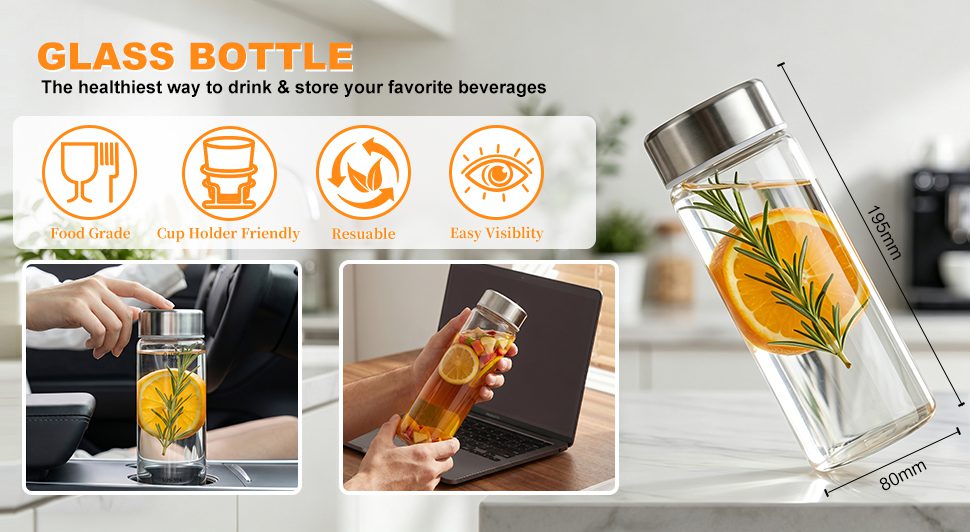
تستهدف خيارات السعة، مثل 420 مل و500 مل و1000 مل، فئات عمرية مختلفة واحتياجات مختلفة من الترطيب. وتُظهر مجموعات منتجاتها من أكواب الشاي المتعددة الاستخدامات المصنوعة من زجاج البورسليكات وأكواب المشروبات المصنوعة من زجاج البورسليكات والخالية من مادة BPA التنوع الكبير في التصاميم المتاحة كنقاط انطلاق للتطوير حسب الطلب.
تتيح خدمات تطبيق الشعارات المخصصة وتصميم العبوات حلولاً متسقة للعلامة التجارية عبر جميع خطوط الإنتاج. يعمل فريق تطوير المنتجات على صقل المفاهيم وصولاً إلى المواصفات الجاهزة للإنتاج، مع إدارة عملية الترجمة الفنية التي تحول المتطلبات التسويقية إلى تصاميم قابلة للتصنيع.
تعمل برامج الزجاجات الزجاجية المصنعة حسب الطلب (OEM) والزجاجات ذات العلامات التجارية الخاصة بحد أدنى للطلب يبلغ 1000 قطعة فقط لأغراض أخذ العينات والتطوير. وتدعم هذه السهولة الشركات على مختلف المستويات، بدءًا من العلامات التجارية الراسخة التي تتوسع في فئات جديدة وصولًا إلى رواد الأعمال الذين يختبرون استجابة السوق قبل الالتزام بعمليات إنتاج أكبر. وتعمل هياكل الشراكات مع الموردين هذه على تقليل العوائق التي تحول دون طرح منتجات زجاجات مياه زجاجية مميزة.
التعاون مع شركة «شوزو جيانمي» في مشاريع أواني الشرب المخصصة للأطفال
تتمتع شركة «شوزو جيانمي لمنتجات الزجاج» المحدودة بخبرة تصنيعية تمتد لأكثر من عقد من الزمن في مجال تطوير أواني الشرب المخصصة للأطفال. وتدعم البنية التحتية لمنشآتها، ومحفظة شهادات الاعتماد التي تمتلكها، ومكتبة براءات التصميم الخاصة بها، مشاريع تتراوح بين التوريد البسيط بالجملة وصولاً إلى تطوير منتجات OEM مخصصة بالكامل. تواصل معنا عبر البريد الإلكتروني [email protected] لمناقشة متطلباتك المحددة واستكشاف كيفية توافق قدراتنا مع أهداف منتجك.
الأسئلة الشائعة
ما الذي يجعل زجاجات المياه المصنوعة من زجاج البورسليكات أكثر أمانًا لأطفال المدارس؟
Borosilicate glass resists thermal shock better than standard glass, so it handles the temperature swings from sterilization to cold drinks without cracking. More importantly, the material is chemically inert—nothing leaches into the water regardless of contact time or beverage acidity. Combined with silicone protective sleeves that absorb impact energy, you get a glass water bottle that addresses both chemical safety and mechanical durability concerns for school environments.
How can I verify the safety certifications of glass water bottle manufacturers?
Request the actual certification documents rather than accepting marketing claims. Legitimate manufacturers like Xuzhou Jianmei provide complete documentation for FDA, CE, and LFGB certifications. Check that certificates are current, apply to the specific products you’re sourcing, and come from recognized testing bodies. Cross-reference certificate numbers when possible—reputable testing organizations maintain searchable databases of issued certifications.
Are there specific design features that enhance the durability of glass bottles for kids?
Three features matter most for school use durability. Silicone sleeves absorb drop impact and provide grip texture for smaller hands. Leak-proof caps with reliable seal mechanisms prevent backpack spills that frustrate parents and children alike. Wide mouth openings make cleaning practical, which affects long-term hygiene maintenance. These elements work together as a system—the glass water bottle performs well because the design addresses how children actually use their bottles, not how adults imagine ideal use scenarios.