
 Arabic
  English
  Spanish
  German
 Starting a glassware brand on Shopify involves more decisions than most newcomers anticipate. The gap between a product idea and a functioning global operation spans sourcing, manufacturing, logistics, and brand building—each with its own learning curve. Having worked through these stages with borosilicate glass products specifically, the process becomes clearer once you understand where the real leverage points are. This guide walks through the practical steps for launching a Shopify glassware brand, from finding the right OEM partner to scaling distribution across international markets.
Understanding Your Market Before Committing to Production
The temptation to jump straight into product design is strong, but market research pays for itself many times over. A solid market analysis shapes everything from which products to manufacture to how you position them against competitors.
Consumer behavior in the kitchenware space has shifted noticeably toward sustainable kitchenware and reusable alternatives. This trend creates genuine opportunity for borosilicate glass products—زجاجة ماء زجاجيةs, كوب زجاجيs, and برطمان زجاجيs have seen consistent demand growth because they address both durability concerns and health-conscious preferences. The material’s thermal resistance and longevity resonate with buyers who’ve grown tired of replacing cheaper alternatives.
Competitive analysis reveals where existing brands fall short. Examine their product offerings, pricing strategies, and customer reviews carefully. Negative reviews often highlight gaps you can fill through better product differentiation. Maybe competitors struggle with lid quality, or their sizing options miss what customers actually want.
Defining your target audience with precision matters more than casting a wide net. A minimalist line designed for urban professionals requires different marketing than vibrant, durable options aimed at outdoor enthusiasts. Your brand identity and value proposition should flow naturally from this audience definition. Getting these foundational elements right before engaging with manufacturers reduces costly pivots later.
Article Recommendation: For a deeper understanding of market dynamics and product positioning, consider reading 《لماذا يعتبر الزجاج منتجًا أساسيًا لنجوم الرفوف الخاصة بك》.
Finding the Right OEM Partner for Custom Glass Products
Product development starts with conceptualizing custom glass products that match your identified niche. Detailed product design specifications—covering both aesthetics and functionality—guide the prototyping process. Expect iteration here. Initial designs rarely survive contact with manufacturing realities unchanged, and that refinement process is where good products become great ones.
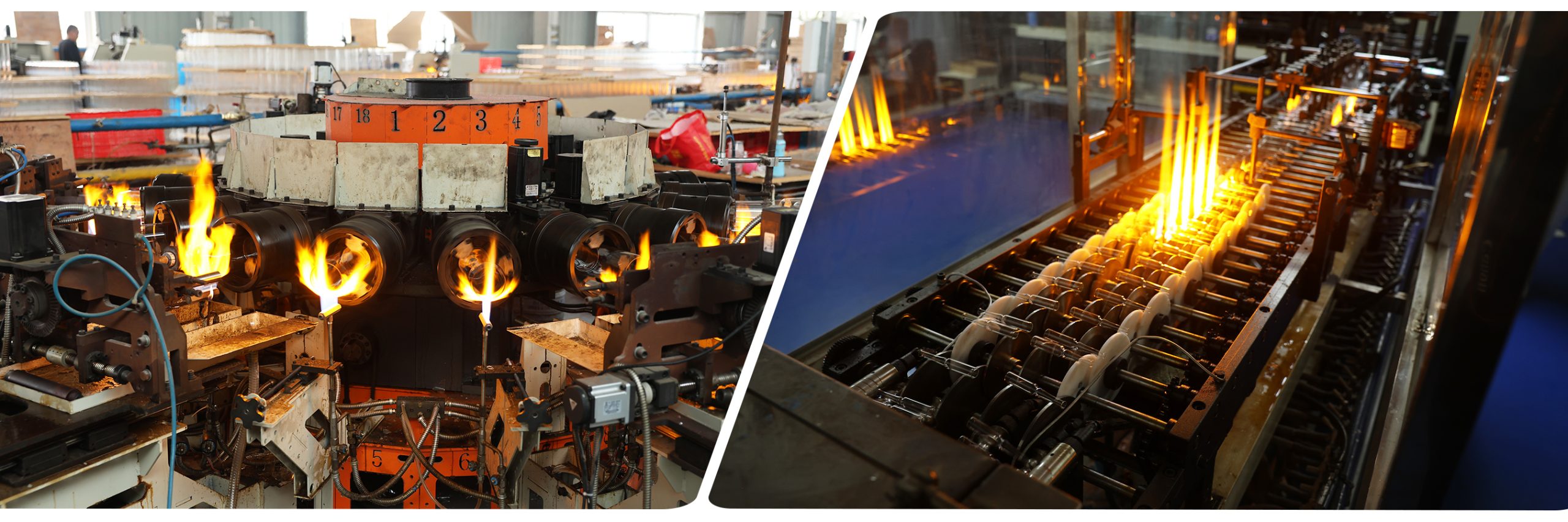
Selecting an OEM partner determines much of your quality ceiling and operational flexibility. Xuzhou Jianmei Glass Products Co., Ltd. specializes in heat-resistant and cold-resistant borosilicate glass products, offering ODM / OEM / OBM services across items like برطمانات تخزين الطعام المصنوعة من زجاج البورسليكات و زجاجة ماء زجاجية من البورسليكاتs. Customization options cover body shape, size, capacity, opening style, and logo placement.
Material safety certifications matter enormously for consumer trust. Products should be BPA-free, Lead-free, and Food-grade, meeting quality control standards that international markets require. Xuzhou Jianmei holds 45 appearance patents and 32 IP rights, along with 120 testing certifications including FDA certification and CE certification. These credentials simplify global market access considerably.
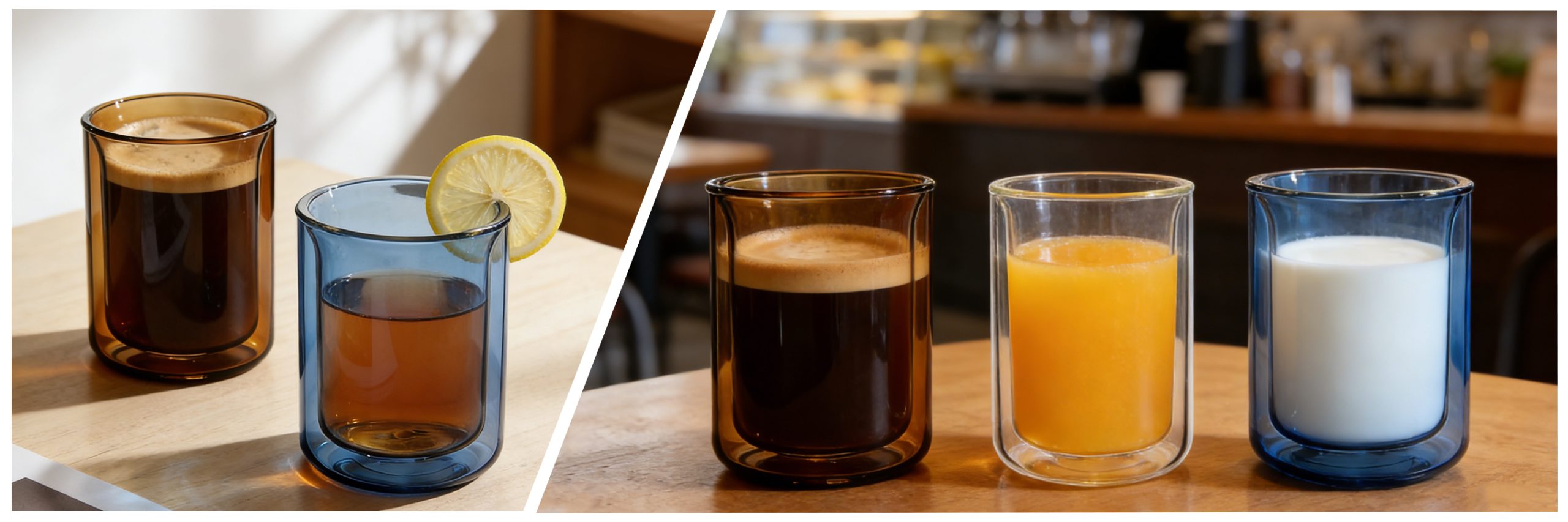
For new brands, minimum order quantity (MOQ) requirements often create the biggest barrier. Xuzhou Jianmei addresses this with flexible solutions, including a 1-piece MOQ for samples. This small batch manufacturing approach lets you test market response without significant upfront investment. Their Borosilicate Glass Cup with Wood Lid, available from 300ml to 1000ml capacity with heat resistance from -20°C to 300°C, illustrates the range of options available for coffee, tea, juice, or milk applications.
How to choose the right OEM partner for borosilicate glass products?
Selecting a borosilicate glass manufacturer requires systematic evaluation across several dimensions. Start with certification verification—FDA and CE compliance indicates adherence to international standards. Assess production capacity and technological capabilities next. Xuzhou Jianmei Glass Products operates 100 advanced machines producing 200,000 pieces daily, which matters for scaling.
A factory audit reveals quality assurance processes and intellectual property protection measures that documentation alone cannot verify. Review their portfolio for experience with heat-resistant glass and cold-resistant glass products, including specialized items like double wall glass cups. Finally, evaluate communication efficiency and service responsiveness. Manufacturing partnerships involve ongoing coordination, and friction in communication compounds over time.
What is the typical MOQ for custom glass kitchenware OEM?
MOQ custom glass requirements vary significantly based on product complexity and supplier policies. Standard items typically range from 1,000 to 5,000 pieces. Specialized custom glass products or designs requiring unique molds often carry higher minimums.
Xuzhou Jianmei Glass Products offers exceptional flexibility, supporting sample orders and prototype production with a 1000 pieces MOQ. This enables design validation and market testing before committing to large volumes. Negotiating flexible MOQ terms is reasonable, especially for emerging brands establishing their initial product lines.
| نوع المنتج | Typical OEM MOQ Range | Xuzhou Jianmei MOQ |
|---|---|---|
| أكواب زجاجية عادية | 1,000 – 3,000 units | 1 unit (sample) |
| زجاجات زجاجية مخصصة | 2,000 – 5,000 units | 1 unit (sample) |
| أوعية تخزين زجاجية | 1,500 – 4,000 units | 1 unit (sample) |
| Borosilicate Tumblers | 1,000 – 2,500 units | 1 unit (sample) |
Article Recommendation: To further refine your supplier selection process, explore 《خمس قواعد ذهبية للعثور على موردين ممتازين دليل المشتريات لمنتجات زجاج البورسليكات》.
Setting Up Your Shopify Store for Glass Products
Your Shopify store setup forms the operational foundation of your entire business. Theme selection should reflect your brand identity while prioritizing user experience (UX). Visitors decide within seconds whether your store feels trustworthy, and design choices communicate professionalism before they read a single word.
Product photography deserves significant investment. Glass products present unique challenges—reflections, transparency, and light interaction require skilled handling. Each product listing needs detailed descriptions covering dimensions, material specifications, and use cases. Whether you’re featuring a زجاجة ماء زجاجية من البورسليكات أو برطمانات زجاجية بأغطية من الخيزران, specificity builds buyer confidence.
Secure payment gateways and shipping integration require careful configuration. Test the checkout process thoroughly from a customer’s perspective. Small friction points accumulate into abandoned carts.
Brand storytelling connects your products to customer values. Borosilicate glass offers genuine advantages—durability, heat-resistance, eco-friendliness—that resonate when communicated authentically rather than as marketing claims. Mobile optimization is non-negotiable given current traffic patterns. SEO for Shopify involves optimizing product titles, descriptions, and meta tags with relevant keywords. Regular content about the benefits of كوب زجاجي products builds organic visibility and positions your brand as knowledgeable rather than just transactional.
Article Recommendation: For insights into creating a compelling brand narrative and optimizing your product offerings, see 《"رشفات مستدامة 2025" — مجموعة أكواب "كوريتد إيكو" المختارة بعناية》.
Managing Global Logistics for Fragile Glass Products
Global logistics for glass products demands more planning than most product categories. The fragility factor changes everything about carrier selection, packaging, and cost calculations.
International shipping requires carriers experienced with delicate items. Not all logistics providers handle glass well, and the wrong choice shows up as breakage rates that destroy margins. Packaging solutions typically involve custom-fit foam inserts, double-boxing, and clear fragile labeling. Products like برطمان زجاجي محكم الإغلاق items need precise protection to arrive intact.
Inventory management systems track stock levels and enable prompt fulfillment. Your order fulfillment strategy might involve third-party logistics (3PL) providers or dropshipping models depending on volume and capital constraints. Each approach carries different tradeoffs in control, cost, and complexity.
Supply chain optimization ensures smooth flow from manufacturing to delivery. Xuzhou Jianmei Glass Products operates a 40,000 sq.m facility with daily production of 200,000 pieces, supporting global distribution to North America, South America, Europe, and Oceania. This capacity matters when scaling.
Customer service becomes especially important when shipping issues arise. A clear return policy builds trust and encourages repeat purchases. Proactive communication about order status and delivery expectations prevents frustration before it develops. These operational details shape brand perception as much as product quality does.
How can I ensure quality control when manufacturing glass products overseas?
Quality control overseas requires systematic processes at multiple stages. Start with raw material inspection before production begins. Regular factory inspection visits or third-party QC agencies provide independent verification during manufacturing.
Request detailed product testing reports demonstrating FDA compliance and CE marking. Pre-shipment inspection of finished goods verifies specifications, packaging integrity, and overall quality before dispatch. Xuzhou Jianmei Glass Products maintains rigorous internal standards across زجاجة ماء زجاجية and glass jar production lines, minimizing defect rate through consistent process control.
Growing Your Glassware Brand Through Strategic Marketing
Sustained growth requires a multi-channel digital marketing approach. A social media strategy targeting platforms like Instagram and Pinterest works well for visually appealing glass products. The material photographs beautifully when handled correctly, and lifestyle imagery showing products in use outperforms isolated product shots.
Influencer marketing can expand reach significantly, though partner selection matters. Micro-influencers with engaged audiences in relevant niches often deliver better results than larger accounts with diffuse followings. Content marketing through blog posts about برطمان زجاجي من البورسليكات benefits or sustainable living attracts organic traffic and builds authority over time.
Email marketing nurtures leads, announces launches, and drives repeat purchases. Paid advertising on Google and social platforms accelerates customer acquisition when organic growth needs supplementation. Customer retention strategies—loyalty programs, exclusive offers, personalized communication—prove more cost-effective than constant new customer acquisition.
Market expansion opportunities emerge as your brand establishes itself. New regions or product lines become viable once operations stabilize. Intellectual property protection grows in importance as you scale. Xuzhou Jianmei Glass Products, with its 45 appearance patents and 32 IP rights, demonstrates how manufacturers can help safeguard unique designs.
Continuous analysis of marketing performance and strategy adaptation keeps scaling e-commerce efforts on track. What works at 100 orders per month may not work at 1,000.
Frequently Asked Questions About Launching Your Glassware Brand
What certifications are necessary for selling glass kitchenware in global markets?
FDA certification glass products are required for the United States market, ensuring food safety compliance. CE marking kitchenware is mandatory for products entering the European Economic Area, indicating conformity with health, safety, and environmental protection standards. These international compliance certifications demonstrate product safety standards and help navigate import regulations. Xuzhou Jianmei Glass Products holds both FDA and CE certifications, simplifying market entry for partner brands.
How does OEM manufacturing differ from private labeling for glass products?
OEM manufacturing involves a manufacturer producing goods based on your specific designs and specifications, enabling custom product development with full brand ownership. Private labeling, or white label glass, involves a manufacturer producing generic products that you then brand as your own. OEM offers greater customization control, while private labeling moves faster with less design input. Xuzhou Jianmei supports both OEM and ODM approaches, accommodating different brand strategies.
What are the key considerations for shipping fragile glass kitchenware internationally?
Fragile shipping of glass kitchenware requires specialized attention at every stage. Protective packaging using custom foam inserts and sturdy outer cartons minimizes impact damage. Selecting experienced international logistics glass carriers with proven track records for handling delicate goods reduces breakage rates. Freight insurance covers potential damages during transit. Understanding customs clearance procedures and documentation requirements for each destination country prevents delays and ensures smooth delivery.
تعاون مع شركة «شوزو جيانمي» لتطوير علامتك التجارية للأواني الزجاجية
Ready to bring your glass kitchenware vision to life with a trusted OEM partner? Xuzhou Jianmei Glass Products Co., Ltd. offers deep expertise in borosilicate glass manufacturing, backed by extensive certifications, IP rights, and flexible solutions from concept through global delivery. Contact our team at [email protected] for a personalized consultation and discover how we can build a successful partnership together.