
 Arabic
  English
  Spanish
  German
 يتطلب شراء الأواني الزجاجية عالية الجودة من الخارج فهمًا واضحًا لاقتصاديات تشغيل المصانع. إن معرفة كيفية التفاوض بشأن السعر والحد الأدنى لكمية الطلب مع مصنع زجاج صيني تحدد الجدوى المالية لخط إنتاج التجزئة أو الجملة. يواجه العديد من المشترين العالميين عروض أسعار أولية مرتفعة وكميات طلب دنيا صارمة لأنهم لا يفهمون كيفية حساب المصانع لتكاليف الإعداد، وهدر المواد، وفترات تشغيل الآلات. ومن خلال تحليل متغيرات الإنتاج هذه، يمكن للمستوردين تنظيم مفاوضاتهم لضمان الحصول على أسعار وحدة تنافسية وشروط طلب مرنة دون المساس بجودة المنتج. يحدد هذا التحليل الفني الخطوات الدقيقة لمواءمة متطلبات المشتري مع قدرات المصنع.
لماذا يضع مصنعو الزجاج الصينيون شروطًا صارمة بشأن الحد الأدنى لكميات الطلبات؟
يعتمد تصنيع الزجاج على الاستقرار الديناميكي الحراري والعمليات الميكانيكية المستمرة. وعلى عكس القولبة بالحقن البلاستيكية، التي يمكن إيقافها بسهولة، يعمل فرن صهر الزجاج على مدار 24 ساعة يوميًا عند درجات حرارة تتجاوز 1500 درجة مئوية. يؤدي إيقاف الفرن إلى تصلب الزجاج المنصهر، مما يؤدي إلى تدمير البطانة المقاومة للحرارة وإتلاف المعدات. وبالتالي، يتعين على المصانع تشغيل خطوط الإنتاج بشكل مستمر للحفاظ على التوازن الحراري والكفاءة التشغيلية. وعندما تقوم المصانع بتغيير خط إنتاج ما، مثل التحول من برطمانات تخزين الطعام المصنوعة من زجاج البورسليكات إلى زجاجة مياه زجاجية للشرب من البورسليكات, ، يتطلب هذا الانتقال توقف الآلات عن العمل لعدة ساعات من أجل تبديل القوالب وإعادة معايرة آلات القولبة الآلية.
(س)
خلال مراحل الإعداد هذه، يتكون الإنتاج الأولي من قطع غير مستقرة وملوثة يتعين على المصنع التخلص منها وإعادة صهرها. وتؤدي هذه العملية إلى هدر كبير للمواد واستهلاك كميات هائلة من الكهرباء. في دورة الإنتاج القياسية، قد يهدر المصنع ما يصل إلى 1000 قطعة قبل أن يحقق تدفق الزجاج ودرجة حرارة القالب وفرن التلدين التوازن المثالي المطلوب لإنتاج خالٍ من العيوب. إذا طلب المشتري طلبية تضم 500 وحدة فقط من منتج مخصص برطمان زجاجي من البورسليكات أو برطمان زجاجي محكم الإغلاق, ، حيث تتجاوز نفايات الإعداد وحدها حجم الطلب بأكمله. ولهذا السبب يحدد المصنعون حدًا أدنى مرتفعًا لكميات الطلب (MOQs) لتوزيع التكاليف الثابتة المتعلقة بإعداد الآلات ونفايات المواد على حجم أكبر من المنتجات النهائية.
بالنسبة للتصاميم القياسية التي تستخدم قوالب المصنع الموجودة بالفعل، يكون الحد الأدنى للطلب عادةً أقل؛ لأن المصنع يمكنه دمج عدة طلبات صغيرة في دورة إنتاج واحدة. ومع ذلك، بالنسبة للأشكال المخصصة التي تتطلب قوالب فريدة، يتعين على المصنع فرض رسوم مقابل وقت الإعداد وتكلفة القالب نفسه. ويُعد فهم هذا الواقع التشغيلي الخطوة الأولى لأي مستورد يرغب في التفاوض بفعالية مع الشركة المصنعة.
كيف تؤثر تكاليف الإنتاج ونفقات القوالب المخصصة على سعر الوحدة للأواني الزجاجية؟
يعكس سعر الوحدة للأواني الزجاجية بشكل مباشر تكاليف المواد الخام، واستهلاك الطاقة، وتكاليف العمالة، واستهلاك أدوات الإنتاج. يتطلب الزجاج عالي البورسليكات، الذي يحتوي على ما يقارب 13% من أكسيد البوريك، درجات حرارة انصهار أعلى من الزجاج الصودا-الجير القياسي. ويؤدي تكوين هذه المادة إلى زيادة تكاليف الطاقة ويتطلب استخدام آلات إنتاج متخصصة. عند شراء منتجات مثل المنتجات المخصصة كوب زجاجي من البورسليكات أو أ كوب زجاجي مزدوج, ، يجب على المشترين أن يدركوا أن تعقيد التصميم يؤثر بشكل مباشر على سرعة الإنتاج ومعدل العيوب. وينطبق هذا بشكل خاص على المنتجات المعقدة مثل أكواب قهوة زجاجية ذات جدار مزدوج التي تتطلب تجميعًا يدويًّا وإحكامًا دقيقًا.
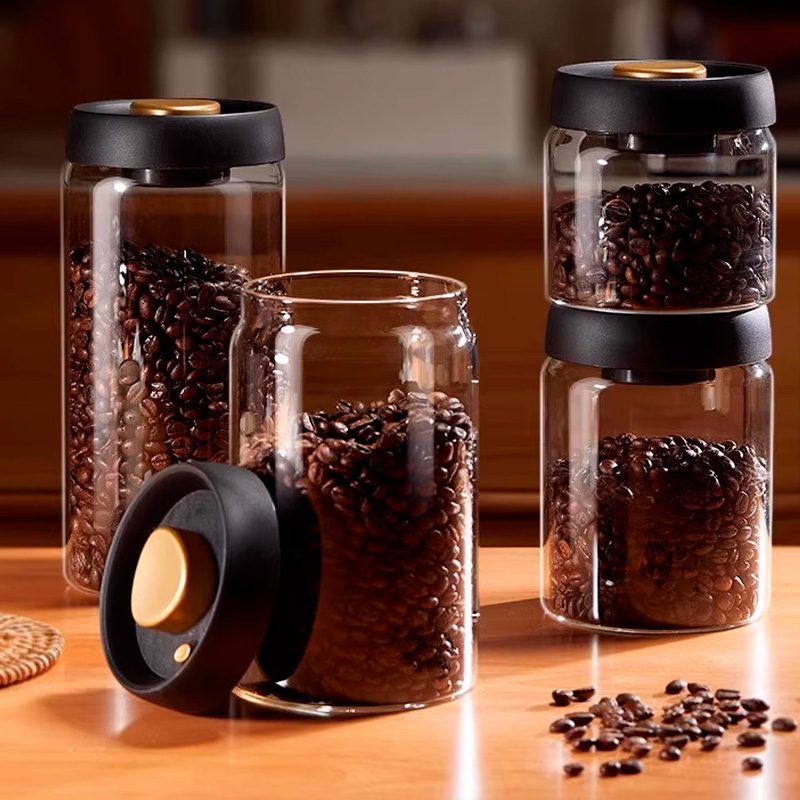
تمثل القوالب المصنوعة حسب الطلب نفقة أولية كبيرة في عملية تطوير الأواني الزجاجية. ويحدد نوع الفولاذ المستخدم في القالب متانته وجودة سطح الزجاج النهائي. وتُعد القوالب الحديدية القياسية خيارًا اقتصاديًا لعمليات الإنتاج ذات الكميات الصغيرة، لكنها تتآكل بسرعة، في حين توفر القوالب المصنوعة من سبائك الفولاذ عمرًا افتراضيًا أطول بكثير وتنتج سطحًا أكثر نعومة. يوضح الجدول أدناه المواصفات الفنية وهياكل التكلفة لمواد القوالب الشائعة المستخدمة في مصانع الأواني الزجاجية الصينية:
| نوع مادة القالب | العمر الافتراضي المعتاد (عدد القطع) | جودة تشطيب السطح | التكلفة النسبية للأدوات | التطبيق المثالي |
|---|---|---|---|---|
| الحديد الزهر | 10,000 – 30,000 | قياسي | منخفضة | المنتجات الترويجية ذات الكميات الصغيرة |
| الفولاذ P20 | 50,000 – 100,000 | عالية | متوسط | زجاجات المياه المعبأة المعتادة للبيع بالتجزئة |
| الفولاذ المقاوم للصدأ S136 | 200,000 – 500,000 | مرآة فاخرة | عالية | برطمانات مستحضرات التجميل ذات السعة الكبيرة |
| الجرافيت الكربوني | 5,000 – 15,000 | فائقة النعومة | متوسط-منخفض | أواني زجاجية متخصصة مصنوعة يدويًّا |
عندما يقدم المصنع عرضًا بسعر الوحدة، فإنه يحسب المدة التي يمكنه خلالها استرداد تكاليف القوالب. وإذا دفع المشتري تكلفة القالب مقدمًا، فيمكن للمصنع في كثير من الأحيان خفض الحد الأدنى لكمية الطلب (MOQ) لأنه لا يحتاج إلى استرداد استثماره في القالب من خلال مبيعات الوحدات. وعلى العكس من ذلك، إذا تحمل المصنع تكلفة القالب، فسيطلب حدًا أدنى للطلب (MOQ) أعلى وسعرًا للوحدة أعلى لضمان استرداد نفقاته الرأسمالية الأولية. على سبيل المثال، إنشاء قالب مخصص [برطمان زجاجي] من البورسليكات (https://jmborosilicate.com/products-category/products/glass-jar/) مع غطاء يتطلب التصميم ذو الشكل الهندسي الفريد مجموعة قوالب مخصصة، والتي قد تتراوح تكلفتها بين 1500 و5000 دولار أمريكي حسب مدى تعقيد التصميم.
كيف يمكن للمشترين التفاوض بنجاح بشأن السعر والحد الأدنى لكمية الطلب مع مصنع زجاج صيني؟
يتطلب التفاوض مع مصنع للأواني الزجاجية إطارًا تعاونيًّا بدلاً من اتباع تكتيكات عدوانية لخفض الأسعار. تستجيب المصانع للمشترين الذين يبدون فهمًا واضحًا للوجستيات الإنتاج ويقدمون توقعات نمو واقعية. ولضمان الحصول على أفضل الشروط، يجب على المشترين تقديم متطلباتهم في شكل حزمة موحدة تحقق التوازن بين حجم الطلبات وتكاليف الأدوات وجداول السداد. ويسمح هذا النهج للمصنع بتحسين قدرته الإنتاجية مع تقليل المخاطر المالية إلى أدنى حد.
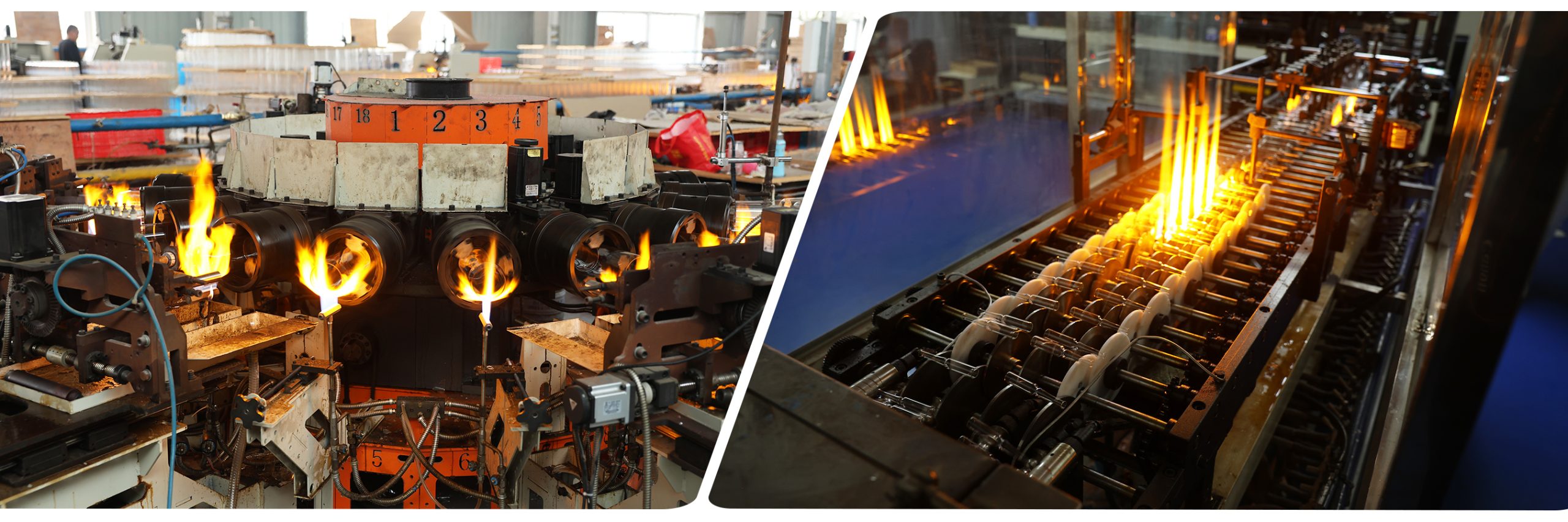
هل يمكن للمستوردين التفاوض على خفض الحد الأدنى لكمية الطلب (MOQ) من خلال عرض سعر أعلى للوحدة؟
يُعد عرض سعر وحدة أعلى قليلاً مقابل تخفيض كمية الطلب الأولي استراتيجية فعالة للغاية. على سبيل المثال، إذا حدد مصنع كمية الطلب الدنيا (MOQ) بـ 3000 قطعة لمنتج مخصص زجاجة مياه رياضية من البورسليكات أو معيار زجاجة ماء للشرب, ، يمكن للمشتري أن يقترح شراء 1000 قطعة بسعر أعلى. ويُعوض هذا السعر الإضافي تكاليف الإعداد التي يتكبدها المصنع ونفايات المواد الناتجة عن دورة الإنتاج القصيرة، مما يجعل الطلب مجديًّا من الناحية المالية بالنسبة للمصنع. وبمجرد نجاح المنتج في السوق، يمكن للمشتري الانتقال إلى دورات إنتاج أكبر بسعر الوحدة القياسي. تقلل هذه الطريقة من مخاطر المخزون الأولية التي يتحملها المشتري، مع ضمان حفاظ المصنع على هوامش ربحه.
كيف يمكن للمشترين خفض تكاليف قوالب الزجاج المخصصة؟
يمكن للمشترين تقليل تكاليف القوالب المخصصة إلى الحد الأدنى من خلال استخدام مكونات مصنعية موحدة. العديد من منتجات الأواني الزجاجية، مثل زجاجة مياه من زجاج البورسليكات سعة 32 أونصة أو حسب الطلب برطمان زجاجي, ، يمكن استخدام القوالب الموجودة بالفعل لصنع الجسم الزجاجي مع تخصيص الأغطية أو الطباعة السطحية فقط. كما يمكن استخدام المكونات القياسية المصنعة في المصنع في صناعة أواني المشروبات، مثل استخدام القوالب الموجودة لـ كوب من الزجاج البورسليكاتي أو قياسي أكواب قهوة زجاجية, ، مع الاكتفاء بتخصيص الشعار أو العبوة فقط. ويقضي هذا النهج على الحاجة إلى قوالب فولاذية مخصصة باهظة الثمن، مما يمكن أن يوفر آلاف الدولارات من تكاليف الأدوات الأولية لمنتج جديد كوب زجاجي التصميم. بالإضافة إلى ذلك، يمكن للمشترين التفاوض على اتفاقية استرداد تكاليف القوالب، حيث يوافق المصنع على إعادة قيمة رسوم القوالب الأولية إلى المشتري بمجرد وصول الحجم التراكمي للطلبات إلى حد معين، مثل 50,000 وحدة.
ما هي شروط الدفع التي تساعد في الحصول على أسعار أفضل من مصانع الزجاج؟
تعد شروط الدفع أداة فعالة في مفاوضات الأسعار. وتتمثل هيكلية الدفع القياسية في قطاع التصنيع الصيني في دفع عربون بنسبة 30% قبل بدء الإنتاج، ودفع 70% عند تقديم بوليصة الشحن. يمكن للمشترين التفاوض على سعر وحدة أقل من خلال تقديم شروط تدفق نقدي أكثر ملاءمة للمصنع، مثل دفعة مقدمة بنسبة 40% أو 50%. يقلل هذا رأس المال المدفوع مقدمًا من تكاليف الاقتراض التي يتحملها المصنع ويُظهر التزامًا قويًّا من جانب المشتري، مما يدفع المصنع في كثير من الأحيان إلى تقديم خصم يتراوح بين 2% و5% على سعر الوحدة. وبدلاً من ذلك، يمكن أن يؤدي استخدام خطاب الاعتماد إلى تأمين المعاملة لكلا الطرفين دون تجميد احتياطيات نقدية مفرطة خلال المراحل المبكرة من الإنتاج.
كيف يمكن للمستوردين تحقيق التوازن بين مراقبة الجودة وخفض أسعار الأواني الزجاجية؟
غالبًا ما يؤدي الضغط على الشركة المصنعة للحصول على خصومات سعرية كبيرة إلى تنازلات غير مقصودة في الجودة. فعندما يُجبر المصنع على العمل بهامش ربح ضئيل للغاية، قد يلجأ إلى خفض التكاليف باستخدام مواد خام أقل جودة، أو تقصير مدة دورة التلدين، أو تقليص عدد موظفي مراقبة الجودة. على سبيل المثال، قد يستبدل المصنع زجاج البورسليكات عالي الجودة 3.3 بزجاج بورسليكات منخفض الجودة، والذي يتميز بمقاومة أقل للصدمات الحرارية وينكسر بسهولة عند التغيرات السريعة في درجات الحرارة. كما أن تقصير مدة عملية التلدين يترك ضغطًا داخليًّا عاليًا داخل جدران الزجاج، مما يتسبب في كسر تلقائي أثناء النقل أو الاستخدام في متاجر البيع بالتجزئة.
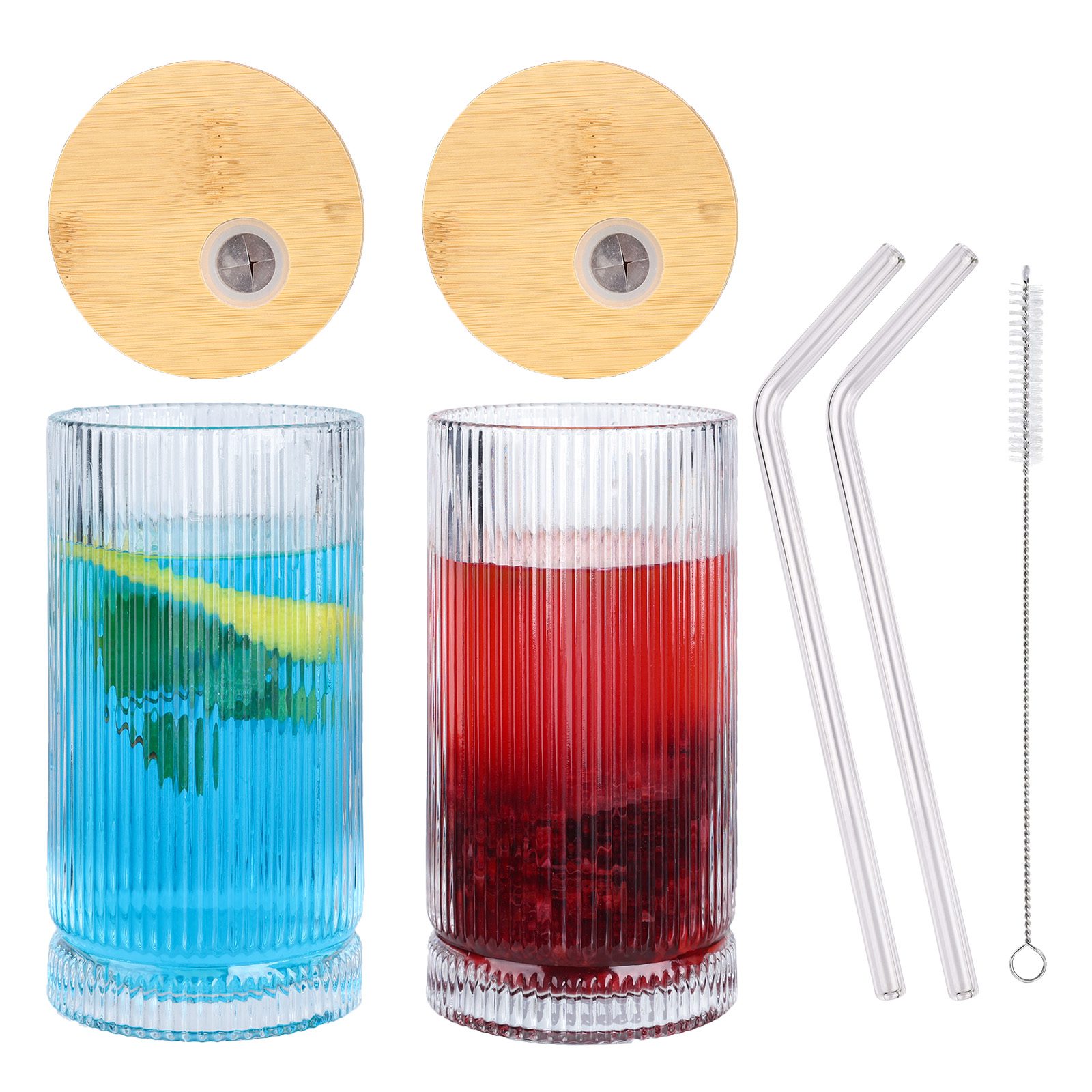
لضمان سلامة المنتج، يجب على المشترين تحديد معايير جودة واضحة وقابلة للقياس في عقود الشراء الخاصة بهم. وينبغي أن تشمل هذه المواصفات الحد الأدنى لسمك الجدار، والحد الأقصى للتفاوتات المسموح بها في الفقاعات والشوائب، ومعايير مقاومة الصدمات الحرارية (مثل تحمل انخفاض مفاجئ في درجة الحرارة بمقدار 150 درجة مئوية)، والامتثال للمعايير الدولية الخاصة بالأغذية مثل معايير إدارة الغذاء والدواء الأمريكية (FDA) والقانون الألماني للأغذية (LFGB). وفقًا لطريقة الاختبار القياسية ISO 7459 لمقاومة الصدمات الحرارية للحاويات الزجاجية، يجب أن يتحمل زجاج البورسليكات عالي الجودة تباينات مفاجئة في درجات الحرارة تصل إلى 150 درجة مئوية دون أن يتكسر. ويضمن تطبيق بروتوكول صارم لفحص ما قبل الشحن من قبل جهة خارجية مستقلة التزام المصنع بهذه المعايير قبل صرف الدفعة النهائية.
إذا كان برنامجك يتضمن تطبيقات تتطلب درجات حرارة عالية أو متطلبات مخصصة تتعلق بالصدمات الحرارية، فمن المستحسن التأكد من المعامل الدقيق للتمدد الحراري قبل وضع اللمسات الأخيرة على مواصفات منتجك، ويمكنك التواصل مع فريقنا الهندسي عبر البريد الإلكتروني [email protected] للتحقق من توافق المواد.
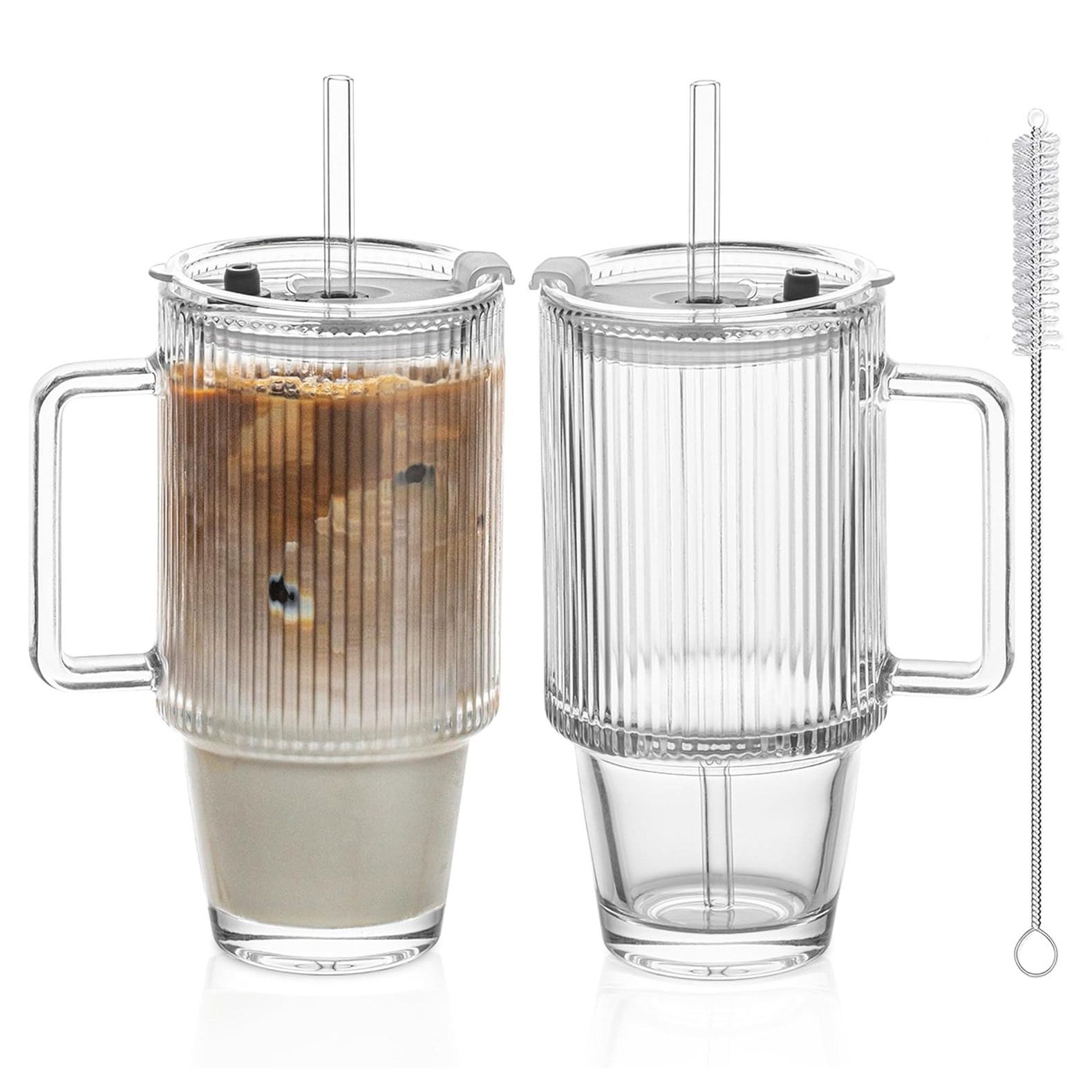
قد تشكل إدارة التعقيدات المرتبطة بتصنيع الأواني الزجاجية، وتطوير القوالب المخصصة، والمفاوضات بشأن الحد الأدنى لكمية الطلب (MOQ) تحديًا للعلامات التجارية الناشئة. في شركة Xuzhou Jianmei Glass Products Co., Ltd.، نزيل هذه العوائق من خلال تقديم حد أدنى لكمية الطلب رائد في الصناعة يبلغ قطعة واحدة فقط للمنتجات القياسية، مدعومًا بمنشأة تبلغ مساحتها 40,000 متر مربع، و45 براءة اختراع خاصة بالمظهر، والامتثال الكامل لمعايير إدارة الغذاء والدواء الأمريكية (FDA) وشهادة CE. سواء كنت بحاجة إلى منتجات مخصصة أكواب زجاجية بمقابض أو بكميات كبيرة برطمانات زجاجية بأغطية من الخيزران, ، فإن فريقنا المكون من 200 متخصص ماهر على أتم الاستعداد لتبسيط سلسلة التوريد الخاصة بكم. أرسلوا الأبعاد الدقيقة لمنتجاتكم، والكميات المطلوبة، وملفات الشعار المخصص مباشرةً إلى [email protected] لتتلقوا عرض أسعار مفصّلًا ومباشرًا من المصنع في غضون 24 ساعة.
ما هي الأسئلة الشائعة التي تطرحها فرق المشتريات بشأن توريد الأواني الزجاجية؟
ما هي المدة الزمنية المعتادة لإنتاج قوالب الزجاج المخصصة في الصين؟
عادةً ما يستغرق إنتاج القوالب المخصصة ما بين 15 إلى 30 يومًا بدءًا من الموافقة على التصميم وحتى الحصول على أول عينة ما قبل الإنتاج. ويعتمد هذا الإطار الزمني على مدى تعقيد شكل الأواني الزجاجية وعدد التجاويف في القالب. بالنسبة للمنتجات القياسية مثل كوب بيرة [زجاجي](https://jmborosilicate.com/products-category/products/glass-cup/) مزود بغطاء, ، غالبًا ما يمكن للمصانع تجاوز هذه الخطوة تمامًا من خلال استخدام القوالب الموجودة في المخزون. إذا كان مشروعك يتطلب علامة تجارية مخصصة، فإن مشاركة ملفات التصميم المتجهة في مرحلة مبكرة من العملية يسرع من مرحلة تصنيع القوالب.
كيف تتعامل المصانع مع المنتجات المعيبة أو التالفة التي يتم اكتشافها بعد التسليم؟
يفترض العديد من المشترين أن المصانع لن تتحمل مسؤولية الكسر أثناء النقل، لكن المصنعين المحترفين يقدمون معدل تسامح قياسيًا مع العيوب، يتراوح عادةً بين 1% و2%. وأي كسر يتجاوز هذا الحد يتم تغطيته من خلال أرصدة استبدال في الشحنة التالية أو استرداد مباشر للمبالغ المدفوعة، شريطة توثيق الضرر بالصور في غضون 30 يومًا من تاريخ الوصول. بالنسبة للمنتجات الفاخرة مثل [أكواب زجاجية](https://jmborosilicate.com/products-category/products/glass-mug/) ذات جدران مزدوجة, ، حيث إن استخدام التغليف المقوى المخصص للتصدير يقلل من مخاطر النقل. يرجى إطلاع فريقنا على تفاصيل وجهة الشحن للتحقق من معايير متانة التغليف.
هل يمكن الجمع بين منتجات زجاجية مختلفة لتلبية الحد الأدنى للطلب (MOQ) الإجمالي للمصنع؟
يعتمد ذلك على ما إذا كانت المنتجات تشترك في نفس تركيبة الزجاج وخط الإنتاج. إذا كنت تطلب سعات مختلفة من برطمان زجاجي في الحالات التي تستخدم فيها المصانع نفس المواد الخام، يمكنها في كثير من الأحيان تجميع الكميات لتلبية متطلبات التشغيل الإجمالية للفرن. ومع ذلك، فإن الجمع بين الزجاج المنفوخ يدويًّا كوب زجاجي مصنوعة آليًّا زجاجة ماء زجاجية وهذا غير ممكن لأنها تتطلب عمليات تصنيع مختلفة تمامًا. إن التنسيق مع المصنع بشأن مجموعة منتجاتك قبل إتمام أمر الشراء يساعد في توضيح هذه القيود الفنية.
ما هي الشهادات التي يجب أن أطلبها عند استيراد الأواني الزجاجية المصنوعة من البورسليكات؟
في البرامج التي قمنا بإدارتها لصالح متاجر التجزئة العالمية، وجدنا أن الحصول على شهادات الـ FDA وLFGB وCE أمر إلزامي لضمان سلامة الأغذية وسلاسة إجراءات التخليص الجمركي. وتثبت شهادات الاختبار هذه أن الأواني الزجاجية خالية من الرصاص ومن مادة BPA، كما أنها آمنة في حالة التغيرات المفاجئة في درجات الحرارة. بالنسبة للمنتجات المتخصصة مثل زجاج علب البيرة مع أغطية وقشة أو أ علبة زجاجية مع ماصة وغطاء, ، كما أن التحقق من وثائق السلامة الخاصة بالمواد الملحقة أمر لا يقل أهمية. يرجى إطلاع فريق الامتثال لدينا على متطلبات وثائق الامتثال الخاصة بسوقكم المستهدف عبر البريد الإلكتروني [email protected]، وسنقوم بالتحقق من توفر تقارير الاختبار ذات الصلة.
ما هي المعايير الصناعية ومصادر البيانات التي تم الاستشهاد بها في هذا الدليل؟
البيانات الفنية ومنهجيات الاختبار المشار إليها في هذا الدليل مستمدة من المعايير الدولية والمنشورات الصناعية التالية:
إذا كنت مهتماً، اطلع على هذه المقالات ذات الصلة:
تغيير استراتيجيات القوارير الزجاجية للعلامات التجارية العالمية
ما هي مزايا استخدام الأكواب الزجاجية المعزولة؟