
 Arabic
  English
  Spanish
  German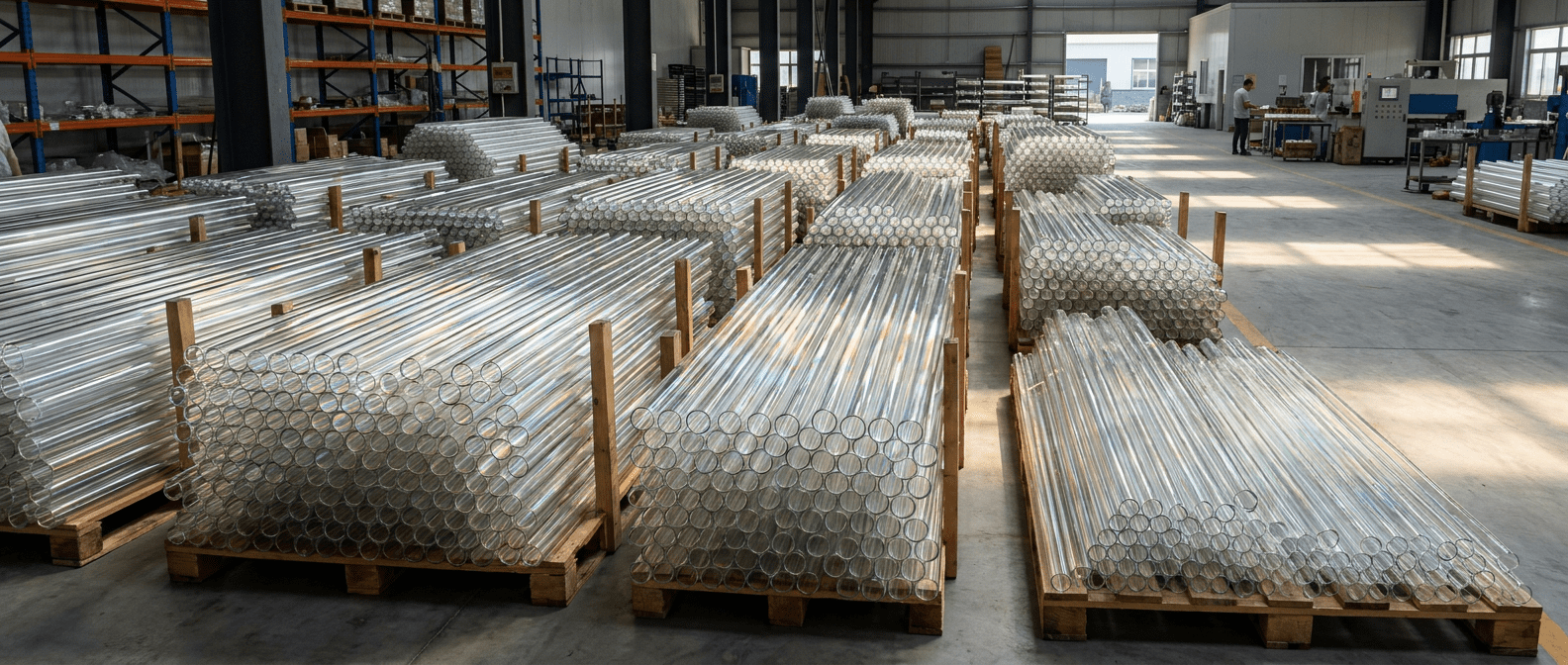
ملخص تنفيذي
في عالم المشتريات الدولية للأواني الزجاجية، الذي تتسم فيه المخاطر بارتفاعها، يكمن الفرق بين المنتج “السلعي” والأصل “الفاخر” في علم المواد ومنهجية التصنيع. لعقود طويلة، كان الزجاج الصودا-الكالي هو الخيار الافتراضي للاستهلاك في الأسواق الجماهيرية بسبب انخفاض تكلفة إنتاجه. ومع ذلك، مع تحول السوق العالمية نحو الاستدامة والسلامة الصحية والمتانة على المدى الطويل،, زجاج عالي البورسليكات 3.3 وقد برزت كرائدة بلا منازع.
وعندما تُدمج هذه المادة الفائقة مع من الأنبوب إلى المنتج عملية التصنيع هذه، ينتج عنها أواني زجاجية أخف وزنًا وأكثر شفافية وأكثر مقاومة للحرارة مقارنة بأي بديل مصنوع بالضغط في القوالب. يقدم هذا الدليل المرجعي الذي يتألف من أكثر من 1,500 كلمة مقارنة تقنية متعمقة بين زجاج الصودا والجير وزجاج البورسليكات المعالج بالأنبوب، مما يوفر للمشترين في قطاع الأعمال (B2B) الرؤى المستندة إلى البيانات اللازمة لتبرير اعتماد سلسلة توريد عالية الجودة.
1. الهندسة الذرية: لماذا يُعد البورون عنصراً مهماً
لكي نقدر حقًّا أداء زجاج البورسليكات، يجب أن نتجاوز السطح وننظر إلى الشبكة الذرية.
الزجاج الصودي-الكالسي: الشبكة غير المترابطة
يتكون الزجاج القياسي (الصودا-الجير) بشكل أساسي من السيليكا ($SiO_2$)، والصودا ($Na_2O$)، والجير ($CaO$). تعمل أيونات الصوديوم كـ“معدِّلات للشبكة”، حيث تكسر الروابط القوية بين السيليكون والأكسجين لخفض درجة حرارة الانصهار. ورغم أن هذا يجعل تشكيل الزجاج أسهل في آلات الضغط بالقالب عالية السرعة، إلا أنه ينتج عنه بنية ذرية “فضفاضة”. وعند تعريض الزجاج للحرارة، تهتز أيونات الصوديوم هذه بعنف، مما يتسبب في تمدد حراري كبير.
البورسليكات 3.3: القلعة التساهمية
يحل زجاج البورسليكات عالي التركيز 3.3 محل الصودا والجير بتركيز عالٍ من ثلاثي أكسيد البورون ($B_2O_3$). في هذه المادة، تندمج ذرات البورون في شبكة السيليكات كوحدات ثلاثية أو رباعية التنسيق، مما يؤدي إلى تكوين بنية تساهمية “متشابكة” بشكل أكثر إحكامًا.
نقطة البيانات الفنية: تتيح الكثافة الذرية لشبكة البورسليكات لها امتصاص الطاقة الحرارية دون حدوث إزاحة فيزيائية ملحوظة. وهذا هو السبب العلمي وراء معامل التمدد المنخفض للغاية الذي تبلغ قيمته $3.3 \pm 0.1 \times 10^{-6} K^{-1}$.
| الممتلكات | زجاج الصودا والليمون | زجاج عالي البورسليكات 3.3 |
|---|---|---|
| محتوى B2O3 | ~0% | 12.5% – 13.5% |
| محتوى ثاني أكسيد السيليكون (SiO₂) | 71% – 75% | 80% – 81% |
| مقاومة التحلل المائي | الفصل الثالث | الفئة 1 (ISO 719) |
| معامل الانكسار | 1.51 | 1.473 (لمعان أعلى) |
2. ميزة “معالجة الأنابيب”: التميز الهندسي
في شركة شوزو جيانمي للمنتجات الزجاجية المحدودة (JIANMEIGLASS), ، فنحن لا نكتفي بإذابة المواد الخام وضغطها في قوالب. بل نستخدم من الأنبوب إلى المنتج طريقة، تبدأ بتصميم دقيق أنابيب زجاجية بوروسيليكاتية.
لماذا تعتبر المعالجة الأنبوبية أفضل من الضغط بالقالب
تتضمن طريقة الضغط في القوالب التقليدية سكب “كتلة” من الزجاج المنصهر في قالب معدني. وتنتج عن هذه العملية ثلاثة عيوب متأصلة لا يمكن قبولها بالنسبة للعلامات التجارية المتميزة في قطاع الأعمال بين الشركات (B2B):
- تفاوت سماكة الجدار: تؤدي الجاذبية والمكبس المادي إلى عدم توسيط الكأس تمامًا أبدًا. وينتج عن ذلك منتجات ذات قواعد سميكة وثقيلة وجدران علوية رقيقة وهشة — وهو ما يشكل وصفة لـ“الانهيار التلقائي” في مطبخ المستهلك.
- آثار القوالب وخطوط الفصل: يؤدي ملامسة قالب معدني بارد نسبيًّا إلى ظهور حفر مجهرية و“خط” مرئي على الزجاج. وهذه العيوب ليست مجرد عيوب جمالية فحسب؛ بل هي “مراكز لتركيز الإجهاد” حيث تزداد احتمالية ظهور الشقوق.
- اللمسة النهائية “المُغيمة”: غالبًا ما يتطلب الزجاج المضغوط تلميعًا كيميائيًّا مكثفًا لتحقيق الشفافية.
على النقيض من ذلك،, معالجة الأنابيب تبدأ العملية بأنبوب زجاجي تم فحصه وتأكدت سماكته الموحدة البالغة 3.3. نستخدم مخارط عالية السرعة ولهب الأكسجين والهيدروجين لتشكيل الزجاج وهو معلق في الهواء. وينتج عن ذلك مصقول بالنار سطح يتميز بطبيعته بنعومة المرآة، ونقاء بصري، وتوازن هيكلي.
3. مقاومة الصدمات الحرارية: ضرورة أمنية
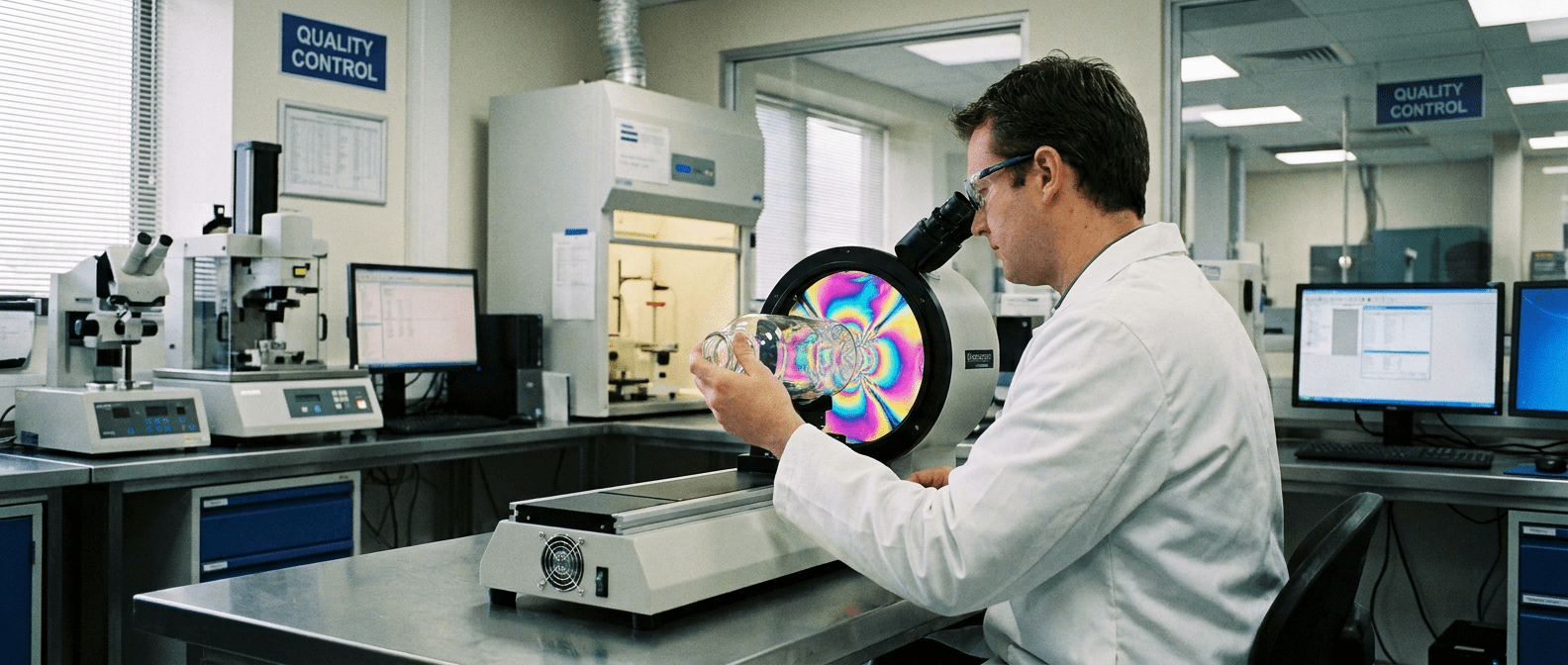
أبرز ما يميز زجاج البورسليكات من حيث قابليته للتسويق هو مقاومة الصدمات الحرارية. في المطبخ، تتعرض الأواني الزجاجية باستمرار لدرجات حرارة قصوى — سواء عند نقلها من الثلاجة إلى الميكروويف، أو عند ملئها بالماء المغلي لصنع الشاي.
فيزياء التمدد
عندما يتم تسخين الزجاج، فإنه يتمدد. وإذا تمدد أحد جوانب الطبق الزجاجي بسرعة أكبر من الجانب الآخر (بسبب التوزيع غير المتساوي للحرارة أو سماكة الزجاج)، فإن التوتر الناتج عن ذلك يؤدي إلى تحطمه. ولأن برطمانات زجاجية عالية البورسليكات بالجملة يبلغ معامل تمددها 3.3 فقط، لذا فإنها تتوسع بدرجة ضئيلة جدًّا.
تطبيق احترافي في مجال الأعمال بين الشركات (B2B): بالنسبة لمجموعات الضيافة وتجار التجزئة، تقلل هذه المتانة من المسؤولية القانونية. فالمنتج الذي يمكنه تحمل ارتفاع في درجة الحرارة بمقدار 170 درجة مئوية (338 درجة فهرنهايت) إنه منتج لن ينفجر في يد العميل، مما يحمي سمعة علامتك التجارية ويقلل من مخاطر التأمين ومعدلات إرجاع المنتجات.
4. القوة الميكانيكية ودقة الأبعاد
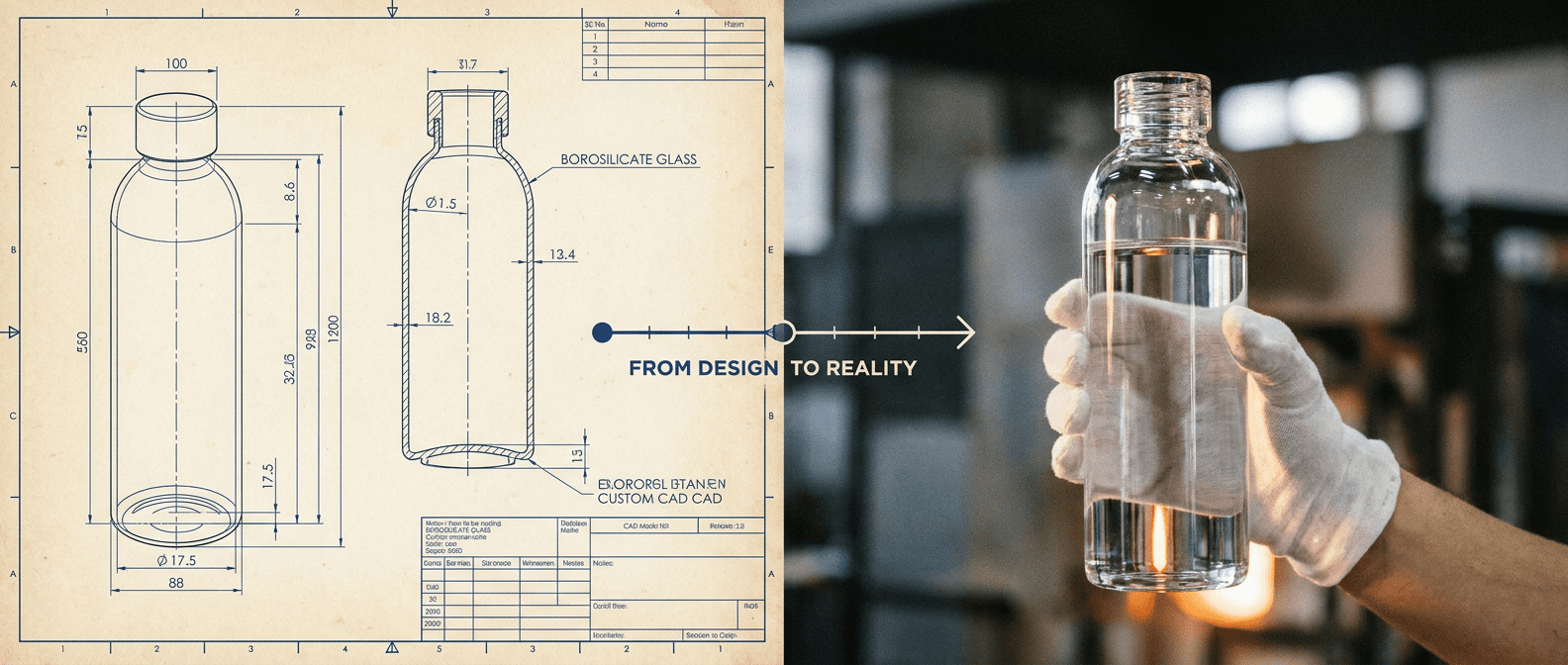
من المفاهيم الخاطئة الشائعة أن “الزجاج الأكثر سمكًا هو الزجاج الأقوى”. أما في حالة البورسليكات، فغالبًا ما يكون العكس هو الصحيح. ونظرًا لأن طريقة معالجة الأنابيب تتيح لنا صنع جدران أرق وأكثر اتساقًا، فإن الزجاج يكون أكثر مرونة وأفضل في توزيع قوة الصدمات المادية.
علم القياس الدقيق في شركة «جيانميغلاس»
نستخدم الميكرومتر الرقمي وأجهزة الاستشعار الليزرية للتحقق من سماكة جدران منتجاتنا أوعية زجاجية محكمة الإغلاق. يكفي انحراف بمقدار 0.2 مم حتى يتم رفض الدفعة. وتضمن هذه الدقة ما يلي:
- الأغطية تتناسب تمامًا: تتميز فتحاتنا الزجاجية بشكل دائري ضمن حدود التفاوت $ ± 0.1 مم $، مما يضمن إحكامًا محكمًا تمامًا لـ زجاجات مياه زجاج البورسليكات.
- الوزن ثابت: وهذا أمر بالغ الأهمية بالنسبة لتكاليف الشحن في مجال الخدمات اللوجستية والتجارة الإلكترونية على نطاق واسع، حيث يؤثر كل جرام على صافي الأرباح.
- يتم الحفاظ على النقاء البصري: لا توجد تموجات أو تشوهات أو “بذور” (فقاعات صغيرة) في الزجاج.
5. النقاء الكيميائي والامتثال للمعايير العالمية: إدارة الغذاء والدواء الأمريكية (FDA)، وقانون الغذاء والعطارات والمستحضرات التجميلية الألماني (LFGB)، وما وراء ذلك
في السوق العالمية لعام 2026، سيصبح مصطلح “آمن” متطلبًا قانونيًا، وليس مجرد مصطلح تسويقي رنان. ويُعد زجاج البورسليكات المادة الأكثر استقرارًا كيميائيًا للاستخدام في المنتجات التي تتلامس مع الأغذية.
مشكلة الزجاج من الفئة المنخفضة
يمكن أن تتسرب مادة الرصاص أو الكادميوم من العديد من المنتجات المصنوعة من الزجاج الصودا-الجيري، لا سيما تلك التي تحتوي على طلاء مينا سميك أو ملصقات. علاوة على ذلك، فإن الزجاج الصودا-الجيري معرض لـ“تآكل الزجاج” أو التغيم بمرور الوقت عند تعرضه للأطعمة الحمضية (مثل صلصة الطماطم) أو منظفات غسالات الأطباق القلوية.
الطبيعة “الخاملة” للبوروسيليكات
زجاجنا عالي البورسليكات 3.3 هو الفئة 1: مقاومة التحلل المائي. وهو في الأساس غير تفاعلي.
- متوافق مع معايير إدارة الغذاء والدواء الأمريكية (FDA): يفي بجميع معايير GRAS (المعترف بها عمومًا على أنها آمنة).
- متوافق مع معايير LFGB (ألمانيا/الاتحاد الأوروبي): اجتازت أكثر الاختبارات الأوروبية صرامةً فيما يتعلق بالخصائص الحسية والانتقال الكيميائي.
- المديرية العامة للمنافسة والمستهلكين والمالية والبحوث (فرنسا): يتوافق مع اللوائح الفرنسية المحددة الخاصة بالأواني الزجاجية.
من خلال التوريد أواني زجاجية مصنوعة خصيصًا من البورسليكات من خلال الشراء من مصنع معتمد مثل JIANMEIGLASS، فإنك تضمن استمرارية أعمالك في المستقبل في مواجهة التغيرات في لوائح السلامة الدولية والدعاوى القضائية التي قد يرفعها المستهلكون.
6. علم نفس المستهلك: تجربة “الفاخرة”
لماذا يدفع العملاء ثلاثة أضعاف السعر مقابل كوب زجاجي مصنوع من البورسليكات؟
- التجربة الحسية: إن الإحساس بالخفة والسطح الخالي من اللحامات يعبّران عن “الفخامة” و“التكنولوجيا المتطورة” بدلاً من “السلعة السائبة”.”
- اللمعان البصري: يمنح معامل الانكسار البالغ 3.3 للزجاج البورسليكاتي لمعانًا ووضوحًا يجعلان محتوياته (القهوة أو التوابل أو العصائر الملونة) تبدو أكثر جاذبية.
- إقرار الاستدامة: ينظر المستهلكون المعاصرون إلى البورسليكات على أنها مادة “دائمة”. فهي تمثل استثمارًا في مستقبل خالٍ من البلاستيك، بما يتماشى مع قيم جيل Z وجيل الألفية من المشترين.
7. دراسة حالة في مجال الأعمال بين الشركات (B2B): عائد الاستثمار في «Premium Switch»
العميل: متجر كبير لبيع أدوات المطبخ في أوروبا.
التحدي: ارتفاع معدلات الإرجاع (8.5%) لمجموعات التخزين المصنوعة من زجاج الصودا والجير التي تحمل العلامة التجارية الخاصة بالشركة، وذلك بسبب حدوث تشققات حرارية.
الحل: تم التحول إلى معالجة أنبوبية JIANMEIGLASS المجموعة.
النتيجة:
- معدل الإرجاع: انخفض من 8.5% إلى < 0.3%.
- متوسط سعر التجزئة: ارتفع من 12.99 يورو إلى €24.99.
- هامش الربح الصافي: تم تحسينه بواسطة 22% بفضل انخفاض وزن الشحن، وارتفاع مكانة العلامة التجارية، والتخفيض الكبير في تكاليف خدمة العملاء.
8. الأسئلة الشائعة حول الأعمال بين الشركات (B2B): إرشادات فنية وتجارية
س: هل كل “الزجاج المقاوم للحرارة” مصنوع من البورسليكات 3.3؟
ج: لا، على الإطلاق. يستخدم العديد من الموردين الزجاج “منخفض البورسليكات” (معامل 5.0 أو 7.0)، وهو أرخص ثمناً ولكنه يتمتع بمقاومة حرارية أقل بكثير. احرص دائماً على طلب زجاج معتمد 3.3 التوسع تقرير اختبار صادر عن مختبر تابع لجهة خارجية مثل SGS أو TUV.
س: لماذا يبدو الزجاج المصنَّع بالطريقة الأنبوبية أخف وزنًا إلى هذا الحد؟
ج: البورسليكات أقل كثافة بطبيعته ($2.23 غ/سم^3$ مقابل $2.5 غ/سم^3$) مقارنةً بالزجاج الصودا-الكالسي. علاوة على ذلك، ونظرًا لكونه أقوى، يمكننا تصميم جدران أرق تحقق نفس السلامة الهيكلية التي يحققها زجاج الصودا والجير السميك والثقيل.
س: كيف يؤثر “فوهة الأنبوب” على الإغلاق المحكم؟
ج: في الزجاج المضغوط في القالب، غالبًا ما يحتوي الفوهة على “خط فصل” أو عدم استواء يتسبب في حدوث تسربات هوائية دقيقة. وفي عملية معالجة الأنابيب التي نطبقها، تكون الفوهة مصقول بالنار على مخرطة، مما ينتج عنه حافة دائرية ناعمة تمامًا توفر إحكامًا تامًا من نوع 100% لـ أوعية زجاجية محكمة الإغلاق.
الخلاصة: الريادة في السوق بفضل العلم
لم يعد سوق الأواني الزجاجية يقتصر على الجانب العملي فحسب؛ بل أصبح يتعلق بالأداء والسلامة والجمال. من خلال اختيار JIANMEIGLASS وبفضل طريقتنا المتخصصة في معالجة الأنابيب، فإنكم تزودون عملاءكم بأحدث الأواني الزجاجية من الناحية التقنية المتوفرة حاليًا.
اتصل بشركة JIANMEIGLASS اليوم لطلب مجموعة عينات فنية أو تعرّف على منشأة الإنتاج الخاصة بنا التي تبلغ مساحتها 40,000 متر مربع عبر الإنترنت.