
 Arabic
  English
  Spanish
  German
يتطلب حساب التكلفة الإجمالية لاستيراد الأواني الزجاجية من الصين النظر إلى ما وراء سعر الوحدة الذي يحدده المورد. يركز العديد من المشترين على عرض السعر "فوب" (FOB) ويغفلون عن التغليف المصمم خصيصًا لتقليل الكسر، واستهلاك قوالب الأشكال المخصصة، وسلسلة الخدمات اللوجستية الكاملة التي تنقل الزجاج الهش عبر المحيطات. خلال أكثر من عقد من الإشراف على إنتاج الزجاج البورسليكاتي من المواد الخام إلى تحميل الحاويات، رأيت كيف يمكن لهذه البنود المهملة أن تغير التكلفة النهائية بنسبة مئوية كبيرة. يفصل هذا المقال كل طبقة من التكاليف حتى تتمكن من وضع ميزانية دقيقة، ومقارنة عروض الأسعار من الموردين بدقة، وتجنب تآكل الهوامش الذي يفاجئ المستوردين الجدد.
فهم سعر FOB من مصنع صيني للأواني الزجاجية
سعر FOB (تسليم على متن السفينة) هو السعر الذي يحدده المصنع للبضائع التي يتم تحميلها على سفينة في ميناء المغادرة. في مجال الأواني الزجاجية، يشمل هذا السعر عادةً المواد الخام (بشكل أساسي رمل الزجاج البورسليكاتي 3.3، ورماد الصودا، والألومينا)، والعمالة المباشرة للقولبة والتلدين، والمصاريف العامة المخصصة للمصنع، والهامش الربحي. ما لا يشمله السعر تلقائيًا هو تطوير القوالب، والتغليف المتخصص الذي يتجاوز علب التصدير القياسية، أو الاختبارات التي تجريها أطراف ثالثة للتأكد من الامتثال لمعايير السوق المقصودة.
عندما تقدم شركة Jianmei عرض أسعار لزجاجة مياه من زجاج البورسليكات سعة 500 مل، فإن سعر الوحدة FOB يعكس تكلفة التصنيع الشاملة لجميع التكاليف. ومع ذلك، إذا تطلب التصميم شكلاً مخصصاً أو غلافاً من السيليكون، يتم تطبيق رسوم القالب. قد يتكلف القالب ذو التجويف الواحد لكوب قياسي ما بين $1,200 و $2,500، ويتم استهلاك هذه الرسوم على كمية الطلب. يوزع طلب 10,000 وحدة مبلغ $2,000 على $0.20 لكل قطعة — وهو مبلغ متواضع. عند 1,000 وحدة، يضيف $2.00 لكل قطعة، مما يغير هامش الربح بشكل كبير. نحن نشجع المشترين على طلب تفصيل بنود الطلب الذي يفصل تكاليف القوالب والطباعة والتعبئة عن سعر الوحدة الأساسي. تمنع هذه الشفافية اكتشاف أي أمور بعد تقديم عرض الأسعار قد تؤدي إلى تعطيل الجداول الزمنية للمشتريات. تبدأ عملية الاختيار الموثوقة، كما هو موضح في دليلنا لاختيار مصنع لتصنيع الزجاج، بهذا المستوى من التفاصيل.
ما الذي يشمله عرض الأسعار القياسي للأواني الزجاجية بنظام FOB؟
ينبغي أن يتضمن عرض السعر القياسي بنظام "فوب" (FOB) الصادر عن مصنع زجاج صيني ذي سمعة طيبة السعر من المصنع بالإضافة إلى تكاليف النقل الداخلي إلى الميناء المحدد، وتكاليف التعبئة والتغليف للتصدير، ورسوم التخليص الجمركي الصينية. يقدم بعض الموردين عروض أسعار بنظام "فوب" تشمل فقط سعر الوحدة والتسليم في الميناء، بينما يحدد آخرون تكاليف مواد التعبئة والتغليف والتكديس البسيط على المنصات. هذا الاختلاف مهم لأنه إذا لم يتم تحديد التعبئة والتغليف، فقد تواجه لاحقًا رسومًا منفصلة مقابل الصناديق المقواة والفواصل المخصصة للتصدير. اسأل عما إذا كان عرض الأسعار يشمل الكرتون ذي الخمس طبقات، والفواصل الفردية للزجاجات أو البرطمانات، وأشرطة ربط المنصات — وهي ثلاثة عناصر تؤثر بشكل جوهري على كل من التكلفة ومعدل الكسر.
كيف تؤثر رسوم القوالب على تكلفة الوحدة ونقاط التعادل
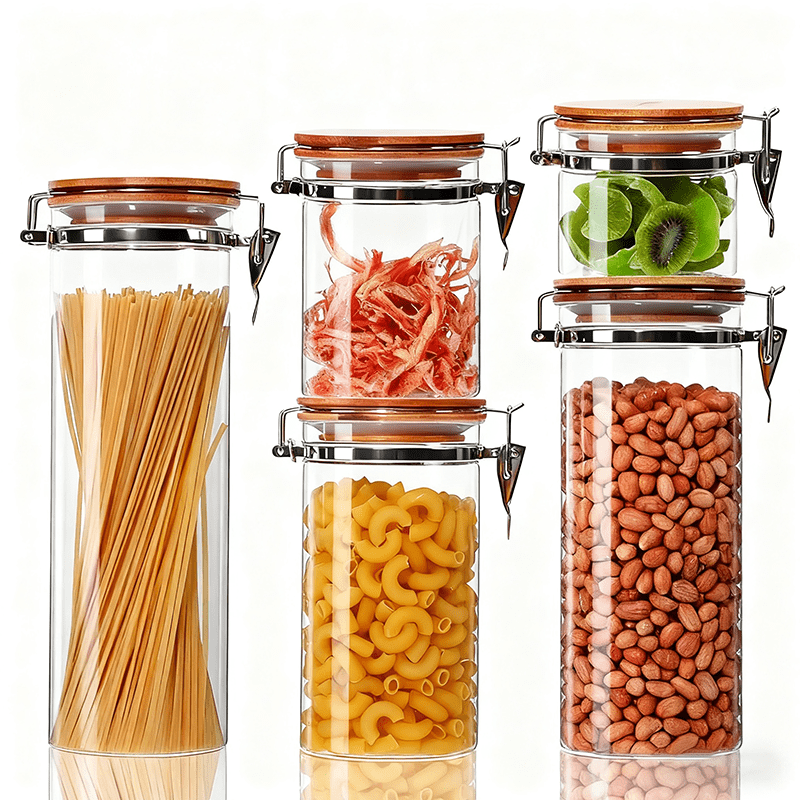
تُعد رسوم القوالب تكلفة تُدفع مرة واحدة، لكن تأثيرها المالي يعتمد كليًّا على حجم الإنتاج. أ برطمان زجاجي من البورسليكات يتطلب تصنيع منتج ذي شكل مخصص وشعار خاص استخدام قالب من الجرافيت أو الحديد الزهر، حيث تتراوح تكلفته بين $800 للأشكال البسيطة و$5,000+ للأدوات متعددة الأجزاء ذات الخطوط المعقدة. وحساب نقطة التعادل بسيط: قسّم التكلفة الإجمالية للقالب على كمية الطلب لمعرفة التكلفة الإضافية للوحدة. بالنسبة لطلبية مكونة من 20,000 قطعة باستخدام قالب $3,000، تبلغ الزيادة $0.15، وهي زيادة بالكاد ملحوظة. بالنسبة لتجربة تشغيلية لـ 2,000 قطعة، فإن نفس القالب يرفع التكلفة لكل وحدة بمقدار $1.50، مما قد يستهلك هامش الربح في البيع بالتجزئة. إذا كنت تختبر خطًا جديدًا للعلامة التجارية الخاصة، فاسأل عما إذا كان المصنع يقدم إطفاءً لرسوم القالب على عدة طلبات، وهي ممارسة توزع الاستثمار على أول ثلاثة أوامر شراء بدلاً من تحميلها بالكامل على الشحنة الأولى.
تكاليف الشحن البحري والنقل البحري لاستيراد الأواني الزجاجية
تتميز الأواني الزجاجية بثقلها وحجمها الكبير، لذا غالبًا ما تفاجئ تكاليف الشحن المستوردين الجدد. يبدأ الحساب بالوزن والحجم القابلين للتحصيل للشحنة. يمكن لحاوية عالية السعة بطول 40 قدمًا أن تستوعب ما يقرب من 28 إلى 32 مترًا مكعبًا من الأواني الزجاجية، لكن الحد الأقصى للوزن لحاوية قياسية يبلغ حوالي 26 طنًا متريًا. المنتجات الكثيفة مثل المكدسة برطمان زجاجيتصل الشحنات ذات الوزن الثقيل إلى الحد الأقصى للوزن بسرعة، بينما تملأ الزجاجات والأكواب خفيفة الوزن الحجم أولاً. سيحسب مزود الخدمات اللوجستية الرسوم إما بالكيلوغرام أو بالمتر المكعب، أيهما يدر إيرادات أعلى للشركة الناقلة، لذا ستدفع مقابل البعد الذي يملأ الحيز أولاً.
لحمولة متنوعة سعة 500 مل كوب زجاجي من البورسليكاتبالنسبة للحاويات ذات الأغطية الخشبية، تتسع الحاوية عادةً لـ 15,000 إلى 18,000 قطعة بعد احتساب مواد التغليف. يمكن أن تتراوح تكلفة الشحن البحري من شنغهاي إلى لوس أنجلوس بين 13,000 و 16,000 يوان صيني، اعتمادًا على الطلب الموسمي ورسوم الوقود الإضافية. أما بالنسبة لأوروبا، فتتراوح تكلفة الحاوية نفسها بين $4,500 و $7,500. تشمل هذه الأرقام تكاليف الشحن فقط؛ وتضاف رسوم المنشأ مثل رسوم المناولة في الميناء ورسوم التوثيق وتبخير الحاويات ما بين $300 و $700 لكل شحنة. إذا كان حجم طلبك أقل من حاوية كاملة (LCL)، فإن السعر يتحول إلى سعر المتر المكعب وغالبًا ما يتضمن رسومًا دنيا، مما يجعل الشحنات الصغيرة الحجم باهظة الثمن بشكل غير متناسب لكل وحدة. ننصح عملائنا عادةً بتجميع الطلبات في حاوية 20 قدمًا على الأقل كلما أمكن ذلك.
هل ينبغي عليك استخدام الشحن الجزئي (LCL) أم الحاوية الكاملة لنقل الأواني الزجاجية؟
يمكن أن تكون الشحنات الجزئية (LCL) خيارًا مناسبًا للعينات الأولية أو الطلبات التجريبية الصغيرة، لكن تكلفة الشحن للوحدة الواحدة للزجاج أعلى بكثير من الشحنات الكاملة (FCL) لأنك تتقاسم مساحة الحاوية وتدفع رسوم المناولة والتجميع في كل من المنشأ والوجهة. كما أن الشحن الجزئي يزيد من نقاط المناولة التي قد يتعرض فيها الزجاج للتلف. بالنسبة للطلبات التي تزيد عن 8 أمتار مكعبة تقريبًا، عادةً ما توفر الحاوية المخصصة مقاس 20 قدمًا تكلفة وصول أقل للقطعة الواحدة وتقلل من مخاطر التلف. تتمثل إحدى الاستراتيجيات العملية في دمج أنواع متعددة من المنتجات — مثل الأكواب والبرطمانات والزجاجات — في حاوية FCL واحدة من مصنع واحد لتحقيق أقصى استفادة من الحاوية.
الرسوم الجمركية والضرائب والتخليص الجمركي
تفرض كل دولة مستوردة رسومًا جمركية على الأواني الزجاجية، ويعتمد معدل الرسوم على رمز النظام المنسق (HS) للمنتج. وتندرج أكواب الشرب المصنوعة من زجاج البورسليكات عمومًا تحت الرمز HS 7013.37 أو 7013.49، اعتمادًا على المادة المستخدمة وما إذا كانت مصنوعة بالضغط أو بالنفخ. يمكن أن تندرج الحاويات الزجاجية لتخزين الأغذية تحت الرمز HS 7010.90. قد يكون الفرق في معدل الرسوم الجمركية بين التصنيفات كبيرًا — على سبيل المثال، في الولايات المتحدة، تخضع أكواب الشرب حاليًا لرسوم جمركية تتراوح بين 5% و7% تقريبًا، في حين قد يتم تصنيف بعض البرطمانات الزجاجية بمعدلات أقل بموجب أحكام مختلفة. يجب على المستوردين العمل مع وسيط جمركي لتأكيد الرمز الدقيق قبل تقديم الطلب، لأن التصنيف غير الصحيح يؤدي إلى دفع مبالغ زائدة أو، الأسوأ من ذلك، إلى فرض غرامات أثناء التدقيق.
بالإضافة إلى الرسوم الجمركية، تفرض معظم الدول ضريبة القيمة المضافة (VAT) أو ضريبة السلع والخدمات (GST) على مجموع قيمة CIF (التكلفة والتأمين والشحن) مضافًا إليها الرسوم الجمركية. بالنسبة للمستوردين في الاتحاد الأوروبي، يمكن أن تتراوح ضريبة القيمة المضافة هذه بين 17% و 27% حسب الدولة العضو. تخضع بعض فئات المنتجات لضرائب استهلاكية إضافية أو رسوم بيئية. تضيف رسوم التخليص الجمركي ورسوم صرف السمسار وتخزين المستودعات الجمركية في حالة تأخر المستندات ما بين $150 إلى $400 لكل شحنة. يجب أن تخصص ميزانية واقعية للرسوم والضرائب ما بين 7% و 12% من قيمة FOB لفئات المنتجات القياسية، ولكن هذا رقم يجب عليك التحقق منه مقابل جدول التعريفات الجمركية لبلد المقصد المحدد، وليس مجرد افتراض.
هل تختلف معدلات الرسوم الجمركية بين زجاج البورسليكات وزجاج الصودا والجير؟
نعم، وقد يكون الفرق جوهريًا. تُميّز بعض جداول التعريفات الجمركية بين زجاج البورسليكات (الذي يحتوي على نسبة أعلى من السيليكا وثلاثي أكسيد البورون) وزجاج الصودا والجير. ونظرًا لاستخدام زجاج البورسليكات في المختبرات والتطبيقات التي تتطلب درجات حرارة عالية، فإن بعض البنود الفرعية في نظام التصنيف المنسق (HS) الخاصة بأدوات زجاجية من البورسليكات تحمل معدل رسوم جمركية أقل من أدوات المائدة المصنوعة من زجاج الصودا والجير. إذا كان منتجك مصنوعًا من البورسليكات 3.3 (مع معامل تمدد حراري يبلغ حوالي 3.3×10^-6/K)، تأكد من أن الفاتورة التجارية للمورد وتقارير الاختبار تحدد “البورسليكات” وتذكر التركيب لدعم رمز التعريفة الأقل — وهي نقطة غالبًا ما يغفلها التجار العامون ولكن لا يغفلها المصنعون الذين يعرفون كيمياء منتجاتهم.
التغليف والكسر وعوامل التكلفة الخفية
يُعد الكسر أكبر تكلفة خفية في استيراد الأواني الزجاجية. فبدون التغليف المناسب، يمكن أن تصل معدلات الكسر إلى ما بين 51٪ و81٪ من إجمالي القطع، مما يؤدي مباشرةً إلى انخفاض المخزون القابل للبيع. في منشأتنا، نتابع معدلات الكسر حسب تكوين التغليف، والبيانات واضحة تمامًا: تقلل الصناديق الكرتونية المكونة من خمس طبقات والمزودة بفواصل داخلية فردية، وفواصل رغوية بين الطبقات، وربط البليت بالكامل من الكسر إلى أقل من 21٪. بالنسبة للسلع عالية القيمة مثل الأكواب ذات الجدران المزدوجة المنقوشة حسب الطلب أو مجموعات برطمانات التوابل، نضيف أكياس السيليكا جيل ونوجه الصناديق لمنع تحرك الحمولة أثناء النقل البحري. تتراوح التكلفة الإضافية للتغليف المحسّن عادةً بين $0.05 و $0.15 لكل وحدة، بينما تبلغ تكلفة استبدال 5% من البضائع المكسورة في طلبية مكونة من 20,000 قطعة بسعر $2.00 FOB $2,000 — وهو ما يتجاوز بكثير استثمار التغليف. هذا ليس مجرد أمر نظري؛ فقد رأينا عملاء يخفضون التكلفة الإجمالية عند الوصول بأكثر من 31٪ بمجرد التحول من التكديس القياسي على المنصات إلى استخدام حواجز فاصلة مخصصة.
لا يقع عبء الكسر بالكامل على عاتق المشتري إذا كان مصطلح إنكوتيرم هو FOB وكان الناقل هو المسؤول، لكن تتبع المسؤولية بين شركات النقل البحري عملية شاقة ونادراً ما تؤدي إلى استرداد القيمة الكاملة. لذلك، يدرج العديد من المستوردين ذوي الخبرة مخصصات للكسر تتراوح من 1% إلى 3% في نموذج التكلفة الخاص بهم حتى عند العمل مع عبوات مجربة، لأن الشحن بدون خسائر للزجاج هو أمر طموح، وليس مضمونًا. إذا كان برنامج منتجاتك يتضمن قوالب مخصصة تعيق التدفق النقدي، فمن المفيد التأكد من معايير التغليف الخاصة بالمصنع ومسؤولية الكسر خلال مرحلة عرض الأسعار. بالنسبة للطلبات التي تتضمن أشكالًا معقدة للغاية، فإن فريقنا متاح على [email protected] لمراجعة مواصفات التغليف قبل أخذ العينات.
هل يغطي التأمين الأضرار التي تحدث أثناء الشحن؟
يمكن أن يغطي تأمين البضائع البحرية حالات الكسر، لكن غالبًا ما تتضمن البوالص حدًا أدنى للخصم يبلغ حوالي 31٪ من قيمة الشحنة، مما يعني أن خسائر الكسر الصغيرة يتم تغطيتها ذاتيًا. توجد بوالص تأمين شاملة ضد جميع المخاطر بدون حد أدنى للخصم، لكنها تضيف ما يقارب 0.51٪ إلى 1.1٪ من قيمة CIF. بالنسبة للأواني الزجاجية الهشة، فإن التكلفة الإضافية مبررة إذا تجاوزت قيمة الوحدة بضعة دولارات. تأكد دائمًا مع شركة التأمين الخاصة بك مما إذا كان “كسر الزجاج” مذكورًا صراحةً؛ حيث تغطي ذلك بنود الشحن القياسية A، ولكن قد تستبعده البوالص الرخيصة.
حساب التكلفة الإجمالية عند الاستلام: إطار عمل عملي
التكلفة الإجمالية هي مجموع جميع النفقات التي تُنقل المنتج إلى باب مستودعك. الصيغة بسيطة، لكن دقة البيانات المدخلة هي التي تحدد ما إذا كانت ميزانيتك ستصمد أم لا. على سبيل المثال، لنفترض أن هناك طلبية مكونة من 15,000 قطعة من كوب من الزجاج البورسليكاتيمع طباعة شعار مخصص:
| فئة التكلفة | المبلغ (بالدولار الأمريكي) | لكل وحدة (بالدولار الأمريكي) |
|---|---|---|
| سعر فوب (الوحدة $1.80 × 15,000) | 27,000 | 1.80 |
| رسوم القالب ($2,000 ÷ 15,000) | 2,000 | 0.133 |
| الشحن البحري (حاوية 40 قدمًا) | 4,500 | 0.30 |
| التأمين البحري (0.51٪ من قيمة CIF) | 165 | 0.011 |
| الرسوم الجمركية (61٪ من سعر التكلفة والتأمين والشحن) | 1,943 | 0.13 |
| رسوم الوكيل الجمركي ورسوم الميناء | 350 | 0.023 |
| شاحنة داخلية إلى المستودع | 600 | 0.04 |
| الكمية التقديرية للبضائع المكسورة (21 طنًا من البضائع) | 540 | 0.036 |
| التكلفة الإجمالية عند الاستلام | 37,098 | 2.473 |
تبلغ تكلفة الوحدة بعد الشحن $2.47، وليس $1.80. ويمثل الفرق — $0.67 للقطعة الواحدة — التكاليف اللوجستية ومخاطر الشحن التي لا تظهر في عرض الأسعار الأولي الصادر عن المصنع. عند مقارنة موردين، يمكن أن يضيع انخفاض سعر الوحدة FOB بمقدار $0.10 على الفور بسبب ارتفاع معدل الكسر بمقدار 1% أو نمط تحميل حاويات أقل كفاءة. لهذا السبب نقدم للعملاء ورقة تكلفة مفصلة تحدد جميع المتغيرات، بما في ذلك وزن العبوة وأبعاد الكرتون، حتى يتمكنوا من إدخال بيانات دقيقة في حاسبة التكلفة النهائية الخاصة بهم.
كيف يمكنني احتساب تكلفة صرف العملات في نموذج التكلفة الخاص بي؟
قد تؤدي تقلبات سعر صرف الرنمينبي مقابل الدولار الأمريكي إلى تغيير سعر فوب بمقدار يتراوح بين 21 و51 نقطة أساس خلال فترة إنتاج مدتها 90 يومًا. إذا كنت تدفع للمصنع الصيني بالدولار الأمريكي، فإن المصنع يدرج احتياطيًا للعملة في عرض الأسعار. إذا كنت تدفع باليوان الصيني (عبر كيان في هونغ كونغ أو وكيل دفع)، فإنك تتحمل مخاطر الصرف مباشرة. قم بتثبيت سعر الصرف مع البنك الذي تتعامل معه أو مزود خدمة الدفع عند تأكيد الطلب، أو اطلب من المورد تقديم عرض الأسعار بالعملة التي ستدفع بها. قد يكلف العقد الآجل علاوة صغيرة، لكنه يزيل متغيرًا يمكن أن يحول شحنة مربحة إلى خسارة إذا انخفض الدولار بشكل كبير أثناء الإنتاج.
العوامل المشتركة التي تؤثر على التكلفة النهائية لطلبك من الأواني الزجاجية
قبل الالتزام بأي طلب شراء، ينبغي على فرق المشتريات جمع الوثائق التي تربط الأرقام المذكورة أعلاه بشحنة محددة. إن قائمة مراجعة شاملة للموردين تعزز اتفاقية التوريد الخاصة بك، تمامًا مثل المعايير التي نوضحها بالتفصيل في دليلنا الخاص بالبحث عن موردين متميزين. احفظ بعض المستندات الأساسية: بوليصة الشحن للتحقق من البضائع، وقائمة التعبئة مع أبعاد الكرتون، والفاتورة التجارية التي توضح رمز النظام المنسق (HS) والقيمة، وأي تقرير تفتيش من طرف ثالث. حتى مع وجود شريك موثوق به، يمكن أن تؤدي الأخطاء الصغيرة في الوثائق عند الجمارك إلى إضافة أيام من رسوم التأخير، كما أن بقاء الزجاج في مستودع جمركي يكلفك ضعف التكلفة — مرة في رسوم التخزين ومرة في الإيرادات المتأخرة. يتيح لك اتباع نهج منهجي لحساب تكلفة الوصول، جنبًا إلى جنب مع محادثة صريحة حول التعبئة والتغليف والكسر، تحديد سعر منتجك بثقة منذ اليوم الأول.
احصل على تفاصيل شفافة للتكاليف الخاصة ببرنامج الأواني الزجاجية الخاص بك
لا يُعد التنبؤ الدقيق بتكاليف استيراد الأواني الزجاجية مجرد تخمين عندما تتوفر لديك بيانات مباشرة من المصنع بشأن رسوم القوالب وخيارات التعبئة وخطط تحميل الشحن. يدفع العديد من المستوردين مبالغ زائدة لمجرد أن الفاتورة الأولية الصادرة عن موردهم لا توضح هذه البنود. ومن خلال العمل مع مصنع يكشف عن تفاصيل تكلفة FOB ويقدم بيانات عن الكسر حسب طريقة التعبئة، يمكنك تحديد تكلفة للوحدة الواحدة تتحمل ظروف الشحن الفعلية.
يرجى إرسال رقم القطعة والكمية المطلوبة وميناء الوجهة إلى [email protected]. وسنقوم بإرسال تقدير للتكلفة الإجمالية الشاملة، والتي تشمل تكاليف القوالب والتغليف والشحن ومتطلبات الامتثال الخاصة بنوع منتجك وسوقك.
أسئلة عملية حول استيراد الأواني الزجاجية من الصين
ما هو معدل الكسر الواقعي للأواني الزجاجية المستوردة؟
يُعد معدل التفاوت المسموح به من 2% إلى 3% رقمًا تخطيطيًّا عمليًّا لأواني المشروبات الزجاجية القياسية التي يتم شحنها في حاويات بحرية باستخدام تغليف مطابق لمعايير الصناعة. وقد تكون هناك حاجة إلى معدلات تفاوت أعلى بالنسبة للمنتجات ذات الجدران الرقيقة جدًّا أو الأشكال المعقدة. يُبلغ بعض عملائنا الذين يستخدمون فواصل فردية وعلب كرتون مقواة عن حدوث كسر متكرر حتى عند استخدام هامش 1%. ويكمن المفتاح في تتبع حالات الكسر حسب رمز المنتج (SKU) عبر شحنات متعددة، وتعديل الهامش بناءً على سجل المطالبات الخاص بكم، وليس بناءً على تقدير عام.
هل تخضع العينات الواردة من الصين لنفس الرسوم الجمركية وتكاليف الشحن؟
نعم، تخضع العينات للرسوم الجمركية في معظم البلدان إذا كانت لها قيمة تجارية، على الرغم من أن العديد من السلطات الجمركية تسمح بدخول العينات معفاة من الرسوم الجمركية إذا كانت قيمتها أقل من الحد الأدنى (على سبيل المثال، $800 في الولايات المتحدة). تتطلب شحن العينات عبر الشحن الجوي السريع تكلفة شحن أعلى بكثير لكل كيلوغرام مقارنةً بالشحن البحري، وغالبًا ما تتراوح بين $5 و$10 لكل كيلوغرام مقابل أقل من $1 لكل كيلوغرام للشحن البحري بالحاويات الكاملة (FCL). يجب تخصيص ميزانية تتراوح بين $150 و$400 لشحنة عينات سريعة تتضمن بضعة قطع زجاجية، بما في ذلك احتمال دفع رسوم الوكالة الجمركية في حالة إخضاع الشحنة للتفتيش. إذا تم توفير العينات مجانًا، فيمكن تحديد القيمة المُعلنة في الفاتورة التجارية على أنها تكلفة التصنيع فقط، مما يساعد على تقليل الرسوم الجمركية إلى أدنى حد.
كيف تؤثر تكاليف اختبار الامتثال على التكلفة الإجمالية للاستيراد؟
تتراوح تكلفة الاختبارات التي تجريها جهات خارجية للتأكد من الامتثال لمعايير إدارة الغذاء والدواء الأمريكية (FDA) أو قانون الأغذية والمشروبات والأدوية الألماني (LFGB) أو علامة CE بين $300 و$1,200 لكل مجموعة اختبار، اعتمادًا على عدد العناصر المراد تحليلها والمعيار المحدد. إذا كان المورد الخاص بك يحمل بالفعل شهادات صالحة تغطي فئة منتجك، فيمكنك تجنب الاختبارات الزائدة عن الحاجة. ومع ذلك، يطلب العديد من تجار التجزئة في أمريكا الشمالية وأوروبا تقارير اختبار خاصة بكل دفعة من مختبر معتمد مثل SGS أو Intertek، ويجب تضمين هذه التكلفة في نموذج التكلفة الإجمالية للمنتج عند وصوله. نحتفظ بشهادات FDA وLFGB سارية المفعول لأواني الزجاج البورسليكاتية الخاصة بنا ونشاركها مع العملاء أثناء تقديم عروض الأسعار حتى تتمكن من التأكد من مدى تغطية طلبك في إطار التغطية الحالية. أطلعنا على متطلباتك وسنؤكد لك توفر وثائق الامتثال.
إذا كنت مهتماً، اطلع على هذه المقالات ذات الصلة:
زجاج البورسليكات مقابل زجاج البورسليكات والزجاج العاديزجاج الجير الصودا
مورد متخصص في أكواب الزجاج البورسليكاتي عالية الجودة
اختيار مصنع تصنيع الزجاج الصيني
تقرير «JM Glass Insights» حول سوق زجاجات المياه المصنوعة من الفولاذ المقاوم للصدأ
ما هي مزايا استخدام الأكواب الزجاجية المعزولة؟