
 Arabic
  English
  Spanish
  German
 Heavy metal leaching in glassware is a raw material and production control problem, not a mysterious property of glass itself. Most food contact glassware made from high borosilicate 3.3 with controlled raw inputs and no added lead or cadmium passes migration testing with comfortable margins. I look at this from the factory floor, where leach testing is not about a single certificate but about keeping lead, cadmium, and other regulated metals out of the batch before molding. The standards, test methods, and production checks below are what repeatable compliance looks like.
Heavy Metal Leaching Risks in Glassware
Heavy metals in glassware come from a short list of avoidable sources. Leaded crystal uses lead oxide to improve clarity and workability; colored exteriors and rim bands may contain cadmium based pigments; recycled cullet of unknown origin can carry contamination. In everyday soda lime or borosilicate glass, the base structure carries almost none of these metals, but the decoration, coating, or recycled batch is where risk concentrates.
Acidic foods and drinks are the main extraction trigger. Acetic acid, citric acid, and hot liquids pull metal ions from surfaces at trace levels. That is why migration tests use acetic acid as a simulant. A product can look clean, contain no intentionally added lead, and still fail if a decorative rim uses the wrong pigment. Regulators therefore focus on the finished article rather than the raw glass composition alone.
Standards That Govern Glassware Heavy Metal Testing
Buyers often ask for one certification when they should be asking which test method applies to the product and market. The table below is the practical split.
| Standard or Framework | النطاق | Simulant and Conditions | Main Metals |
|---|---|---|---|
| ISO 7086-1 and ISO 7086-2 | Lead and cadmium release from glass hollowware | 4% acetic acid, 22°C, 24 hours | Lead, cadmium |
| EU Regulation 1935/2004 | All food contact materials sold in the EU | 3% acetic acid or specified food simulants | Heavy metals generally |
| FDA compliance policy for decorated glassware | Glass and ceramicware imported into the US | 4% acetic acid, 22°C, 24 hours | Lead, cadmium |
| LFGB and BfR recommendations | Food contact glass sold in Germany | 3% or 4% acetic acid | Lead, cadmium |
ISO 7086 is the most direct standard for glass hollowware because it names both the test method and the permissible limits in one place. EU Regulation 1935/2004 is the framework law; it does not set a single number for every glass product but requires that constituents not transfer in quantities harmful to human health. Germany’s LFGB testing works as a stricter market gateway for many European importers. In our company, the default is to test against the market standard stated in the contract, not the easiest one.
Laboratory Methods for Measuring Leached Heavy Metals
The common procedure fills the glass article roughly two thirds full with 4% acetic acid, holds it at 22°C for 24 hours, then measures the metals that moved into the solution. Atomic absorption spectrometry (AAS) and inductively coupled plasma mass spectrometry (ICP-MS) are the two main instruments. ICP-MS detects lower concentrations, which matters when a client asks for a report showing results below the regulated detection limit rather than simply a pass.
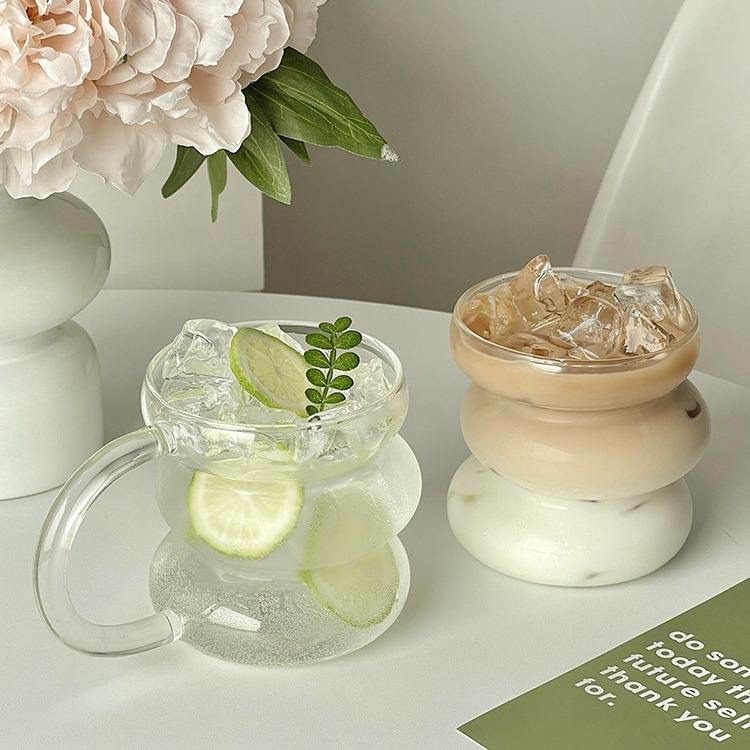
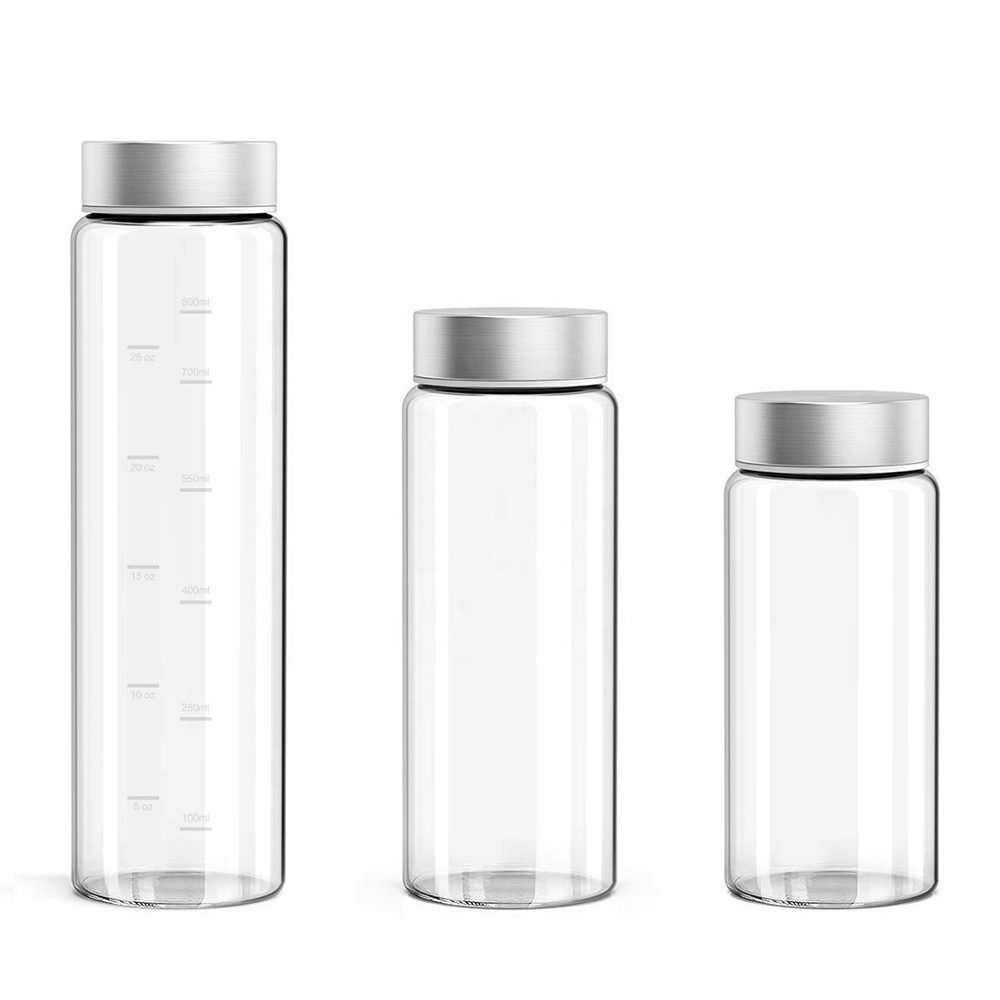
Surface area and ratio matter. A tall narrow bottle has a different surface to volume ratio than a wide rim cup, so laboratories calculate results per square decimeter or per declared volume. Decorated rims are tested separately in some methods because the lip is the contact point with the highest repeat exposure. A product can pass the interior body test and still require a rim specific test if the decoration sits at the lip.
Production Checks We Run Before Shipment
Our factory uses high borosilicate 3.3 glass as the default body because it does not require lead or cadmium in the formula. Raw material batches are controlled at intake, and incoming cullet is not mixed into food contact production without confirming origin. Decoration is the larger control point, so we specify lead free and cadmium free pigments on any rim band or coated exterior and isolate printed products through the same quality control line.
Before shipment, we can arrange third party migration testing through SGS or equivalent laboratories against FDA or LFGB requirements, depending on the target market. The company holds 120 testing certifications covering product categories from water bottles to storage jars. We keep batch records, raw material data sheets, and test reports together so the compliance chain is traceable after the container leaves the plant.
If your program involves colored exteriors, inner coatings, or lid seals, confirm whether the decoration method matches the intended market before you finalize the bill of materials. Send your SKU list to [email protected] and we will identify which migration test applies.
(س)
A Sourcing Question Worth Resolving Before You Commit
The risk here is not usually the glass body. It is discovering after production that a decorated rim, colored base, or low cost cullet source pushed a product outside a market’s limit. That delay is avoidable when the test method is fixed before tooling starts.
If you are sourcing برطمان زجاجيs, bottles, or cups for retail or food contact use, send your product list, target market, and decoration plan to [email protected]. We will confirm which standard applies and whether existing FDA, LFGB, or SGS test reports cover your SKUs.
Common Questions About Glassware Heavy Metal Testing
Does all glassware leach heavy metals?
Most well made food contact glassware releases heavy metals far below regulated limits, especially when the body is high borosilicate glass without leaded crystal or cadmium based pigments. Leaching becomes a real issue when an article contains a source metal at the surface. The test matters because it measures the finished product, not just the raw glass. For a buyer, the relevant question is not whether glass as a material is safe, but whether the specific decoration, lid, and batch can meet the market limit.
Does FDA approval guarantee that a كوب زجاجي is lead free?
There is no single FDA certificate that proves a glass cup is lead free. Compliance comes from test results against migration limits using the recognized method for the product category. A factory may hold FDA compliant test reports, but the report applies to the SKU tested. When a design changes, especially the decoration or rim coating, the testing scope should be revisited. Buyers should request the test report and check that the product description matches the item they are actually ordering.
Does high borosilicate glass need heavy metal testing?
It depends on how the product is decorated and assembled, but the glass body itself is not where risk concentrates. High borosilicate 3.3 glass is formulated without lead or cadmium, so the body generally passes with margin. The reason to test is the finished article. Lids, seals, colored exteriors, and printed areas can introduce metals that the base glass does not. We still run migration tests because market enforcement and retailer documentation ask for the finished product report, not a raw material statement.
What documentation should I ask from a glassware factory before ordering?
In our factory, we ask for the migration test report, the raw material data sheet, and the applicable standard before the first sample ships. The test report should name the SKU or sample, the simulant, the test duration, and the laboratory. The raw material data sheet confirms the glass grade and any heavy metal declarations. The standard tells you which market requirement the report covers. If you are comparing suppliers, send your product list and target market to [email protected] and we can confirm which reports apply.
إذا كنت مهتماً، اطلع على هذه المقالات ذات الصلة:
مصنع جميع الأواني الزجاجية المستديرة1 التوريد المباشر للمشترين العالميين
تغيير استراتيجيات القوارير الزجاجية للعلامات التجارية العالمية