
 Arabic
  English
  Spanish
  German
 Glass product safety standards create a real costing problem for importers. The same borosilicate glass food container can pass FDA requirements in the US, need LFGB compliance in Germany, and face separate migration limits in Australia. Buyers who wait until the order is in production to confirm test requirements end up paying for retesting, relabeling, or canceled shipments. In my experience managing glassware production, the difference is rarely the glass formula; it is whether the factory can produce consistent test documentation before the container is loaded. This comparison focuses on the limits and certificates that change how a glass product is specified across the US, EU, and Australia.
How Do US, EU, and Australia Compare on Glass Product Safety Standards?
US market access begins with FDA food contact rules. Borosilicate glass containers and drinkware fall under FDA oversight, with 21 CFR 177.1630 covering specific glass compositions. Enforcement concentrates on whether the finished article transfers lead or cadmium into food under normal use. EU market access is broader in documentation. Regulation (EC) No 1935/2004 sets the framework for food contact materials, while Regulation (EC) No 2023/2006 requires good manufacturing practice. Germany’s LFGB and individual member state enforcement add practical pressure, especially for decorated glassware. Australia does not use a single US style approval letter. Food contact safety is managed through the Food Standards Australia New Zealand Food Standards Code and state and territory health authorities, supported by Australian Consumer Law for product safety and labeling. Retailers and distributors often ask for EU or FDA style reports because local enforcement can vary.
| Market | Authority and core rule | Typical documentation | Main test focus |
|---|---|---|---|
| US | FDA, 21 CFR 177.1630 | FDA compliance statement | Lead and cadmium migration |
| EU | EC 1935/2004, 2023/2006, LFGB | Declaration of Compliance | Lead, cadmium, overall migration |
| Australia | FSANZ Food Standards Code, Australian Consumer Law | Supplier declaration | Heavy metals, product safety |
What Migration and Leaching Limits Apply to Food Contact Glass?
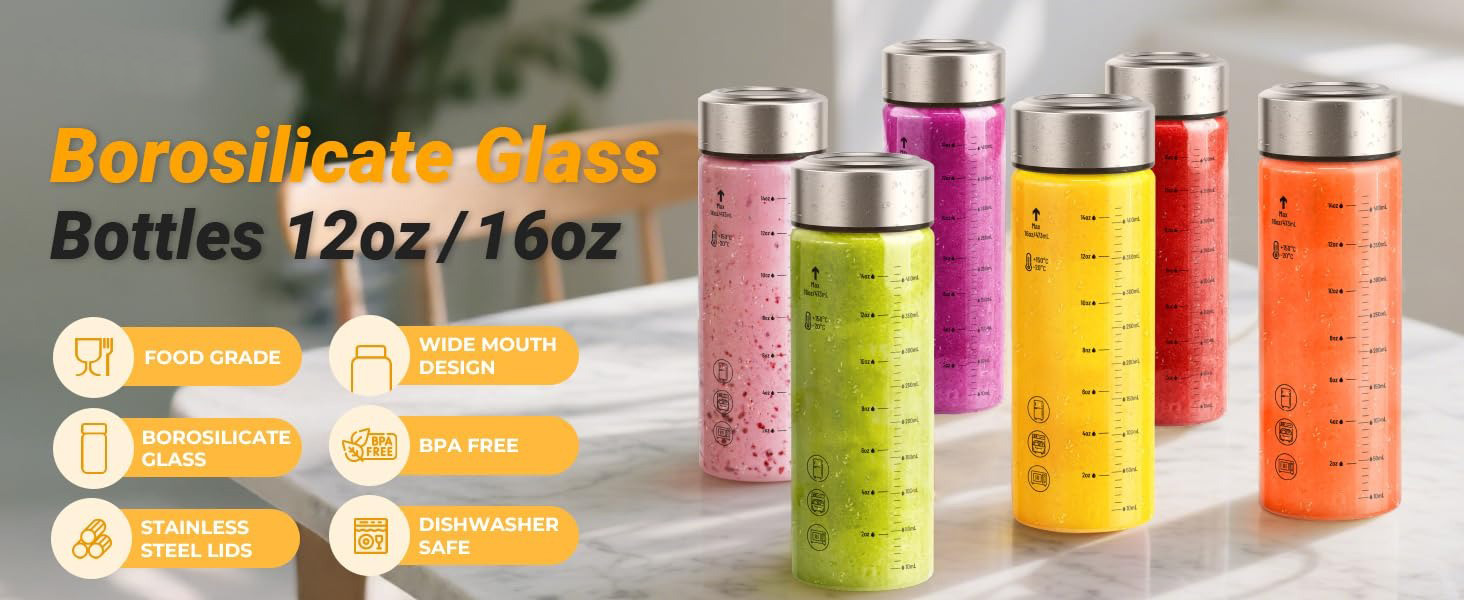
Importers sometimes confuse raw material safety with finished article safety. High borosilicate glass has low chemical reactivity, but the print, color, rim coating, or lid seal can change the result. Regulators do not simply measure total lead content in the glass. They extract the finished article with a food simulant, commonly 4% acetic acid, and measure the metals that migrate into the food contact surface. That is the key number on a test report.
Different markets separate the article in slightly different ways. FDA and EU enforcement both look carefully at decorated rims and external surfaces that may contact food or lips. Australia’s product safety system applies similar leach testing expectations, but requests often come from the retailer or importer rather than a single national certificate.
What Are the Most Common Failure Modes for Decorated Glass?
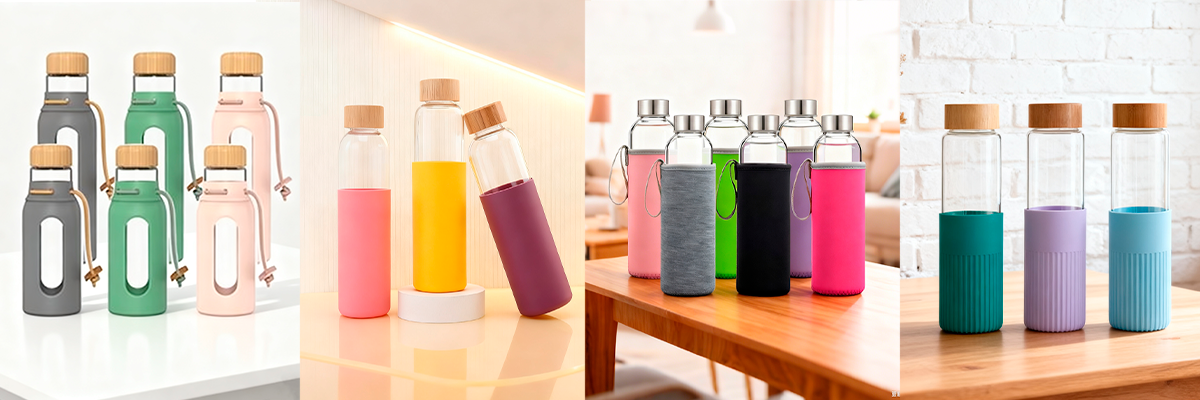
Printed logos and colored bands fail more often than clear glass. If the color is applied too close to the lip area or the cure temperature is wrong, the finished surface can release metals. A factory should test the decorated article after firing or curing, not the undecorated blank. At our plant, we separate decoration placement from food contact surfaces in the drawing stage and keep test reports tied to the final decorated SKU.
Why Do Certification Gaps Delay US, EU, and Australia Shipments?
A single test report does not automatically clear all three markets. A buyer may hold an FDA compliance statement and assume the same file works for Europe. EU importers are often asked for a Declaration of Compliance under Regulation (EC) No 1935/2004 plus an LFGB or SGS report for Germany. Australian retail buyers may accept an EU report but still ask for a local declaration or batch traceability statement. The delay is not usually the glass itself. It is the time needed to obtain the missing document and, in some cases, retest with a different method or product batch.
Certifications such as ISO 9001, BSCI, and CE marking belong in the supplier file, but they do not replace food contact migration reports. We maintain testing certifications for FDA and LFGB/SGS on our borosilicate drinkware and food storage containers, and we keep the test scope mapped to product families. That mapping matters more than the number of certificates.
If your program includes mixed برطمان زجاجيs, bottles, and cups in one shipment, it is worth confirming that each material and lid configuration has been tested for the same migration limits before you finalize the BOM. Send your SKU list to [email protected] and I can clarify which test reports we can match to the production lot.
What Factory Test Records Should Buyers Verify for Glass Safety Standards?
Buyers should check four things on every safety document: the standard cited, the tested article description, the lid or seal material, and the test date. A report for a clear glass jar does not cover the same jar with a colored silicone sleeve and a printed logo. The factory should also be able to trace the report to a production lot or product family, because regulators and large retailers increasingly ask for batch level traceability.
We treat the test file as part of the bill of material. For a كوب زجاجي من البورسليكات with wood lid, the document set includes the glass body, the wood lid, and the silicone seal. For a tea tumbler, it includes the glass, lid, and any infuser or strainer where the hot water will touch. If any component changes supplier, the file must be updated before the next order ships.
| Document | What it should show |
|---|---|
| FDA compliance statement | Material, intended food types, use conditions |
| EU Declaration of Compliance | EC 1935/2004 reference, tested article, lab and date |
| LFGB or SGS report | Lead and cadmium migration, test method |
| Australian supplier declaration | FSANZ compliance, batch traceability |
(مع غطاء خشبي)
How Do I Spot a Generic Test Report?
Generic reports show the product category but not the SKU. If the certificate says borosilicate drinkware without capacity, lid type, color, or finish, it may not cover the exact order. Ask for the report number and match it to a production work order. That step takes less time than a customs hold.
How Can You Source Glass Products That Pass All Three US, EU, and Australia Safety Standards?
Start with the final article, not the raw glass. Decide the capacity, lid system, decoration, and target market before production, then bring those choices into the test plan. Working from product family drawings prevents the classic sequence: samples approved, production completed, and then a retailer in another market asks for a document that was never quoted.
We carry borosilicate glass lines with FDA, LFGB, and SGS test records. The range includes drinkware, food storage, and canisters.
| Product | المواد | Test focus |
|---|---|---|
| Borosilicate glass cup with wood lid | 3.3 borosilicate glass, wood lid, silicone seal | هيئة الغذاء والدواء الأمريكية، LFGB، SGS |
| Borosilicate glass tea tumbler | 3.3 borosilicate glass, BPA-free | هيئة الغذاء والدواء الأمريكية، LFGB، SGS |
| BPA-free borosilicate glass drinkware | 3.3 borosilicate glass, 304 stainless steel lid, silicone seal | هيئة الغذاء والدواء الأمريكية، LFGB، SGS |
| Transparent glass food storage canister | Borosilicate glass, BPA-free | هيئة الغذاء والدواء الأمريكية، LFGB، SGS |
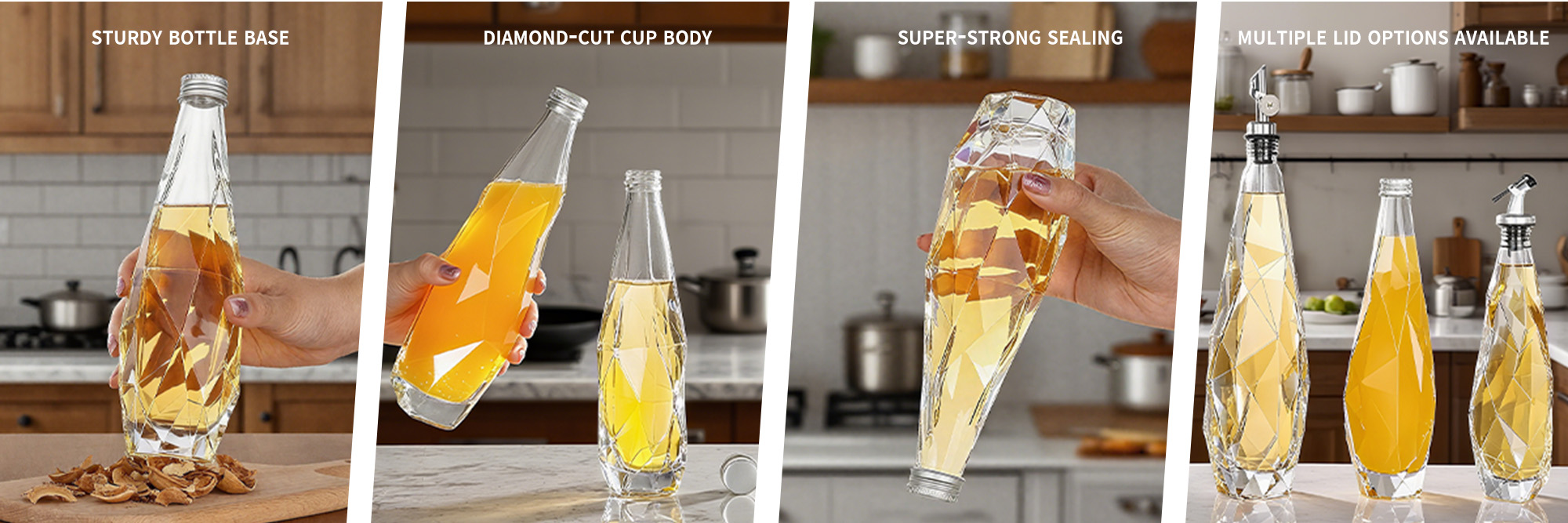
Most shipment delays begin after the goods are produced. If you source glass jars and drinkware for retail in more than one of these markets, older test reports or mismatched documentation become expensive. We run FDA, LFGB, and SGS test records against the actual final article, including lid and seal materials, before packing. Send your part number, capacity, and target market to [email protected] and we will confirm which documents are available for that exact configuration.
What Do Importers Ask About Glass Product Safety Standards?
Does an FDA report cover EU and Australian sales?
No. An FDA report covers US food contact compliance and does not automatically satisfy EU or Australian requirements. The European buyer will usually ask for a Declaration of Compliance under Regulation (EC) No 1935/2004 and may require LFGB or SGS testing for the German market. Australian retail chains often accept EU or FDA reports as supporting evidence but still ask for a supplier declaration or batch traceability. Treat the three files as related but separate documents.
Is high borosilicate glass automatically safe for food contact?
The raw glass is generally low risk, but the finished article is not automatically compliant. Clear borosilicate glass has low chemical reactivity, yet the printed logo, colored band, wood lid, seal, or silicone sleeve can introduce a migration risk. FDA, EU, and Australian enforcement all look at the final article, not the glass powder. The safest position is a test report for the exact SKU with its full lid and decoration configuration. A certificate that covers only the raw material misses the components most likely to fail.
Do color printing and logo placement change the testing results?
It depends on where the decoration sits and how it is cured. Color printed near the lip or in the food contact zone is much more likely to affect lead and cadmium migration than a logo printed low on the outside of a jar. If the curing temperature is not controlled, the finished surface can release metals even when the ink itself passed incoming inspection. The article should be tested after decoration, not before. In our production planning, we keep high risk colors away from the lip area and tie the report to the decorated version.
What should I do if a buyer asks for a standard I have not seen?
In our production records, the most common request is a standard that a retailer added after the original order was placed. Start by asking the buyer for the full standard number and the country where it will be enforced. Some requests are not legal requirements but private retailer specifications. Once the reference is clear, compare it with the existing FDA, LFGB, or SGS test scope. If the target article has already been tested for the same migration endpoints, the gap may be small. Share the standard reference and your target product line with [email protected], and we can confirm whether current test documentation covers it.
إذا كنت مهتماً، اطلع على هذه المقالات ذات الصلة:
أكثر المنتجات مبيعاً في عيد الحب وطوال العام
ما الفرق بين البرطمانات الزجاجية والزجاجات الزجاجية؟
ما هي مزايا استخدام الأكواب الزجاجية المعزولة؟
مصنع جميع الأواني الزجاجية المستديرة1 التوريد المباشر للمشترين العالميين
تغيير استراتيجيات القوارير الزجاجية للعلامات التجارية العالمية