
 Arabic
  English
  Spanish
  German
 The glassware sector feels different now than it did even two years ago. Procurement conversations that once centered on unit cost and lead time have shifted toward material performance, environmental accountability, and long-term brand positioning. For B2B buyers and glassware brands watching these 2026 glassware industry trends unfold, the challenge is less about predicting what comes next and more about recognizing which shifts have already taken root. The patterns emerging in sustainable sourcing, advanced glass compositions, and customization capabilities are reshaping how purchasing decisions get made—and who ends up winning those contracts.
Sustainability Has Moved From Preference to Procurement Standard
Eco-friendly glassware is no longer a differentiator reserved for premium brands. It has become a baseline expectation in B2B procurement conversations. The demand for recycled glass solutions and verifiable carbon footprint reduction now influences supplier shortlists before pricing discussions even begin.
This shift reflects broader pressure from end consumers, but also from regulatory environments tightening around packaging waste and manufacturing emissions. Brands that once treated green manufacturing as a marketing angle are discovering it affects their ability to secure shelf space with major retailers and hospitality groups. Circular economy principles in glass production—where post-consumer material re-enters the manufacturing stream—are gaining traction because they address both environmental concerns and raw material cost volatility.
How Sustainability Will Shape B2B Glassware Purchasing by 2026
Procurement managers are increasingly treating sustainable sourcing as a primary filter rather than a secondary consideration. By 2026, supplier certifications demonstrating environmental compliance will likely function as table stakes for serious bids. The cost-benefit analysis of green glass has shifted: while upfront material costs may run slightly higher, the long-term advantages in brand positioning, regulatory compliance, and retailer relationships often outweigh the premium.
Practical evaluation means looking beyond marketing claims. Verifiable sustainability practices matter—third-party audits, transparent material sourcing documentation, and demonstrated commitment to circularity. Suppliers who can prove their environmental credentials will find themselves on more shortlists.
Borosilicate Glass Gains Ground in Demanding B2B Applications
Material science advancements have expanded what glassware can do, and borosilicate glass sits at the center of this evolution. Its heat-resistant glass and cold-resistant glass properties make it suitable for applications where traditional soda-lime glass would crack or degrade. Precision glass production methods have improved consistency, while automated manufacturing technology has made borosilicate more accessible at commercial volumes.
The result is durable glassware that performs reliably across temperature extremes—a characteristic that matters enormously in pharmaceutical glass packaging, laboratory settings, and premium food & beverage glass applications.
Emerging Materials and Manufacturing Processes
Smart glass technology and automated glass production continue advancing, though adoption varies by application. 3D printing glass has moved from experimental curiosity to viable production method for certain specialized components, offering design possibilities that traditional molding cannot achieve. These material science breakthroughs provide enhanced functionality, though their commercial relevance depends heavily on specific use cases and volume requirements.
Why Borosilicate Matters for B2B Buyers
The practical appeal of borosilicate glass comes down to performance under stress. Its thermal shock resistance means containers can move from freezer to microwave without cracking—a property that traditional glass simply cannot match. Chemical resistance glass properties make it ideal for pharmaceutical and laboratory applications where inert containers are non-negotiable.
For food & beverage glass, borosilicate offers both functional durability and aesthetic clarity. The material’s robust nature translates to lower breakage rates in commercial settings, which affects total cost of ownership beyond the initial purchase price.
The comparison between borosilicate and traditional soda-lime glass highlights why material selection matters in demanding B2B environments:
| الميزة | زجاج البورسليكات | زجاج الصودا والليمون |
|---|---|---|
| المقاومة الحرارية | High (up to 300°C) | معتدل (حتى 150 درجة مئوية) |
| المتانة الكيميائية | ممتاز | جيد |
| الصدمة الحرارية | مقاومة عالية | مقاومة منخفضة |
| الوزن | Lighter for equivalent strength | أثقل |
| التطبيقات | Labware, bakeware, pharmaceutical | Drinkware, windows, containers |
للمزيد من المعلومات عن الاختلافات المادية، يمكنك قراءة 《زجاج البورسليكات مقابل زجاج البورسليكات والزجاج العاديزجاج الجير الصودا》. This article provides a comprehensive comparison.
Customization Drives Brand Differentiation
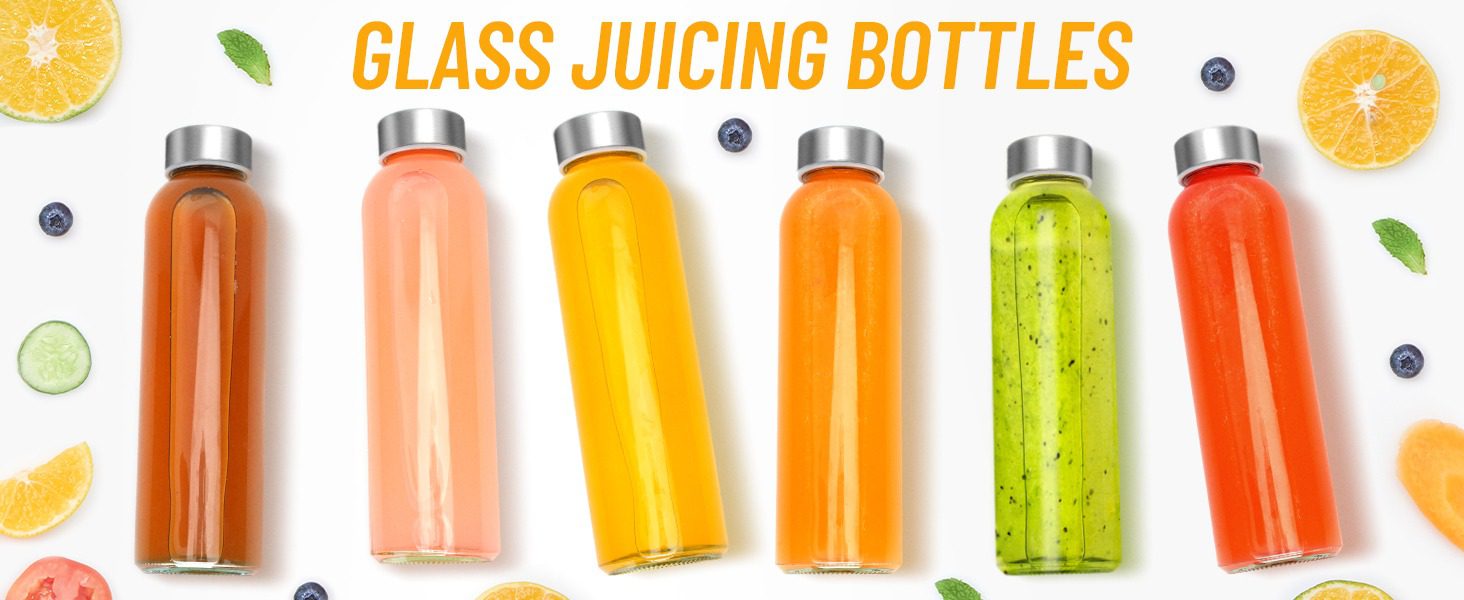
Custom glassware solutions have become a competitive necessity rather than a luxury option. OEM glassware design capabilities allow brands to create unique glass designs that reinforce brand identity glass and enhance packaging aesthetics in ways that off-the-shelf options cannot match.
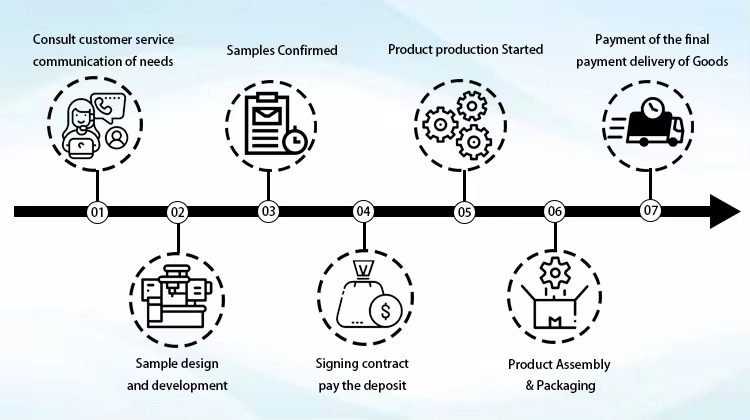
Glass product customization technology has advanced significantly. Intricate designs, specialized finishes, and bespoke shapes that once required prohibitive tooling investments are now achievable at reasonable volumes. This shift enables smaller brands to compete on presentation while giving larger brands the ability to create distinctive product lines.
We specialize in custom orders, offering ODM/OEM/OBM services for various products, including زجاجة ماء زجاجية من البورسليكات و كوب زجاجي من البورسليكات. These capabilities ensure brands can achieve distinct market positioning through tailored design and material selection.
Supply Chain Resilience and Quality Assurance Remain Critical
Managing global glass market complexities requires attention to both logistics and compliance. Glassware supply chain resilience has become a priority after recent years demonstrated how quickly disruptions can cascade through procurement pipelines.
Quality certifications including FDA and CE approval are non-negotiable for most B2B applications. International trade compliance adds another layer of complexity, particularly for buyers sourcing across multiple regions. Effective logistics for glassware—a product category where breakage rates directly affect profitability—requires reliable supplier partnerships built on transparent communication and consistent quality control.
For a deeper understanding of supplier selection, explore 《خمس قواعد ذهبية للعثور على موردين ممتازين دليل المشتريات لمنتجات زجاج البورسليكات》. This resource offers valuable guidance for B2B buyers navigating these considerations.
Partner with Xuzhou Jianmei Glass Products for Future-Ready Glassware Solutions
As the glassware industry evolves, partnering with a manufacturer that combines innovation, quality, and reliability is paramount. Xuzhou Jianmei Glass Products Co., Ltd. is your trusted partner, specializing in heat/cold-resistant borosilicate glass with 45 appearance patents and 120 international certifications (FDA, CE). Our 40,000 sq.m facility and advanced machinery ensure high-volume, high-quality production, from custom OEM projects to specialized borosilicate jars, water bottles, and cups. With a commitment to excellence and global reach, we empower B2B buyers and brands to navigate 2026 glassware industry trends with confidence. Contact us today to explore how our expertise can elevate your brand’s glassware strategy and foster a bright cooperation. Email: [email protected]
Frequently Asked Questions on 2026 Glassware Industry Trends
What are the key drivers for innovation in the 2026 glassware market?
Sustainability demands lead the list, followed closely by material science advancements like borosilicate glass technology. Enhanced product functionality—including smart glass applications—and consumer preference for customizable, aesthetically distinctive glass packaging also push manufacturers toward innovation. Automation and digital technologies help meet these requirements efficiently while supporting sustainable glass production at scale.
How can B2B buyers ensure the quality and compliance of their glassware suppliers?
Start with internationally recognized certifications: FDA, CE, and ISO provide baseline assurance. Beyond certifications, examine a supplier’s patent portfolio, production capacity, and track record with custom orders and OEM services. Regular audits and transparent communication about material sourcing and manufacturing processes help verify that compliance and glassware quality assurance remain consistent over time.
What role will borosilicate glass play in future B2B packaging and product design?
Borosilicate glass will continue expanding its presence in applications requiring thermal shock resistance, chemical inertness, and long-term durability. Pharmaceutical containers, premium beverage bottles, and specialized kitchenware represent natural fits for the material. Its clear appearance and association with quality align with consumer expectations for sustainable, high-performance materials—giving brands using durable B2B glassware a distinct positioning advantage.