
 Arabic
  English
  Spanish
  German
 الأفضل كوب زجاجي لا تعتمد أحجام أكواب القهوة والشاي والمشروبات الباردة على مجرد تحويلات بسيطة من الأونصة إلى الملليلتر. ففنجان القهوة الساخنة سعة 8 أونصات وكوب الشاي المثلج سعة 16 أونصة يتطلبان سماكات جدران وقطرات قاعدة وخصائص قابلية التكديس مختلفة، وقد يؤدي الخطأ في تحديد هذه المعايير إلى زيادة حالات الكسر أو تكاليف الشحن. بعد عقد من الإشراف على إنتاج الأواني الزجاجية البورسليكاتية في شركة Xuzhou Jianmei، تعلمت أن مجموعة الأحجام المناسبة هي توازن بين ما يتوقعه المستهلكون، وما يمكن لأدوات القوالب إنتاجه بكفاءة، وكيف تتصرف الخصائص الحرارية عند الأحجام المختلفة. يغطي هذا الدليل السعات القياسية للمشروبات، ويشرح لماذا تعتبر بنية الزجاج ومنطق التصنيع أكثر أهمية من جدول الأحجام العام، ويوضح كيفية اختيار مزيج فعال من حيث التكلفة للاستخدام في متاجر البيع بالتجزئة أو المقاهي أو خدمات تقديم الطعام.
ما هو حجم الكوب الزجاجي الأنسب لتناول القهوة والشاي والمشروبات الباردة؟
يبدأ تحديد حجم فنجان القهوة بنوع المشروب. عادةً ما تُقدم الإسبريسو في أكواب سعتها 60–90 مل، بينما تتراوح سعة أكواب القهوة المُعدة بالتنقيط في أمريكا الشمالية بين 240 مل (8 أونصات) و355 مل (12 أونصة). في كوب زجاجي من البورسليكات فيما يتعلق بالإنتاج، تُعد السعة البالغة 300 مل (5.8 × 16.4 سم) خيارًا متعدد الأغراض: فهي تتسع لجرعتين من القهوة مع مساحة كافية للحليب، أو لقهوة مرشحة قياسية مع مساحة كافية للكريمة. أما الكوب بسعة 420 مل (6.6 × 18.9 سم) فيناسب أكواب «فلات وايت» أو «لاتيه» الأكبر حجمًا الشائعة في المقاهي المتخصصة. بالنسبة للشاي الساخن، تناسب السعات من 300 مل إلى 420 مل أيضًا، لكن الكوب بسعة 500 مل يصبح مفيدًا للشاي المثلج أو المشروبات المُعدّة بالتخمير البارد. تتطلب المشروبات الباردة مثل القهوة المثلجة والعصائر والمشروبات المخفوقة أحجامًا أكبر؛ حيث يُعد الحجم 500 مل (6.6 × 20.7 سم) و750 مل (7.0 × 25.9 سم) أكثر الأحجام طلبًا لدينا لهذه الاستخدامات.
يمكن أن يساعد الجدول الذي يلخص فئات المشروبات الشائعة وسعات أكواب «جيانمي» المطابقة لها في تسريع المفاوضات مع الموردين.
| نوع المشروب | نطاق الحجم المعتاد | الحجم الموصى به لأكواب «جيانمي» الزجاجية |
|---|---|---|
| إسبريسو / ماتشياتو | 60–100 مل | 300 مل (مع مساحة كافية لإضافة جرعة مزدوجة) |
| القهوة المُصفَّاة / أمريكانو | 240–355 مل | 300 مل أو 420 مل |
| لاتيه / كابتشينو | 240–420 مل | 300 مل أو 420 مل |
| شاي ساخن (كوب) | 200–400 مل | 300 مل أو 420 مل |
| الشاي المثلج / الشاي المُخمَّر على البارد | 300–700 مل | 500 مل أو 750 مل |
| سموذي / عصير | 400–800 مل | 500 مل، أو 750 مل، أو 1000 مل |
تغطي المعايير القياسية التي تبلغ حوالي 300 مل و500 مل و750 مل معظم احتياجات المشروبات، مع تبسيط عملية إدارة المخزون.
لماذا يُعد الزجاج البورسليكاتي ونوع الجدار عاملين مهمين في أداء الحجم
يعد اختيار المادة المناسبة للكوب وبنية جدرانه أمرًا بالغ الأهمية بقدر أهمية السعة نفسها. الزجاج البورسليكاتي، الذي يتميز بمعامل تمدد حراري منخفض (3.3×10⁻⁶)، يقاوم الصدمات الحرارية في نطاق درجات حرارة تتراوح من -20 درجة مئوية إلى 300 درجة مئوية، مما يعني أن الكوب سعة 500 مل المملوء بالماء المغلي لن يتشقق عند وضعه في الثلاجة لاحقًا. لا ينطبق هذا على الزجاج الصودا-الجيري القياسي الذي غالبًا ما يتلف عند فروق درجات الحرارة التي تتجاوز 60 درجة مئوية. يضيف التصميم ذو الجدار المزدوج عزلًا حراريًا: ففنجان القهوة ذو الجدار المزدوج سعة 420 مل يحافظ على سخونة المحتوى بينما يظل الجدار الخارجي باردًا عند اللمس، مما يلغي الحاجة إلى غلاف واقٍ. ومع ذلك، فإن الجدار المزدوج يزيد من التكلفة والوزن، مما يؤثر على حجم الشحن. أما أكواب البورسليكات ذات الجدار الواحد فهي أخف وزنًا وأكثر قابلية للتكديس، مما يجعلها الخيار المفضل في البيئات ذات الحجم الكبير مثل المقاهي حيث تُعد سرعة الغسل والتخزين أمرًا مهمًا. وبالنسبة للمشروبات الباردة، عادةً ما يكون الجدار الواحد كافيًا، حيث إن التحكم في التكثف يتطلب استخدام منشفة أو قاعدة أكواب على أي حال. لذا، فإن اختيار الحجم يرتبط بنوع الجدار: بالنسبة للمشروبات التي يُقصد الاحتفاظ بها لفترات طويلة، تحظى الأحجام الأصغر (300–420 مل) ذات الجدار المزدوج بشعبية، بينما تُعد أكواب المشروبات الباردة الأكبر حجمًا (500–750 مل) مناسبةً أكثر عندما تكون ذات جدار واحد ومزودة بمقبض أو شريط سيليكون.
الجدار المزدوج مقابل الجدار المفرد: كيف يؤثر تصميم الجدار على درجة حرارة المشروب حسب الحجم
عند سكب سائل ساخن في كوب من البورسليكات ذي الجدار الواحد سعة 500 مل، ترتفع درجة حرارة السطح الخارجي بسرعة، مما يجعل حمله غير مريح لأكثر من بضع ثوانٍ ما لم يتم استخدام مقبض أو غلاف واقٍ. ومع ذلك، فإن النسخة ذات الجدار المزدوج من نفس السعة تعمل على العزل بشكل فعال للغاية بحيث يظل الجدار الخارجي قريبًا من درجة حرارة الغرفة لمدة 15–20 دقيقة. لكن المقابل هو الوزن وارتفاع التكديس. وقد لاحظنا في خطوط الإنتاج لدينا أن الأكواب ذات الجدار المزدوج التي تزيد سعتها عن 500 مل تصبح أثقل بشكل ملحوظ وتتطلب عملية تلدين أكثر دقة لتجنب حدوث تشققات إجهاد بين الجدارين. بالنسبة لمجموعات الهدايا المخصصة للبيع بالتجزئة، تُعد الأكواب ذات الجدار المزدوج بسعة 300 مل و420 مل هي الخيارات الأكثر عملية؛ أما بالنسبة للاستخدام في المطاعم أو المقاهي، فإن الأكواب ذات الجدار الواحد بسعة 500 مل تساعد على خفض التكاليف وزيادة الإنتاجية.
كيف يؤثر تصميم القوالب والحد الأدنى لكمية الطلب على اختياراتك لحجم الأكواب الزجاجية
استخدام قاعدة قالب واحدة لأحجام متعددة: خفض تكاليف الأدوات
في عملية الإنتاج، يمكن تكييف قاعدة قالب واحدة لإنفاخ ارتفاعات مختلفة، مما ينتج مجموعة من السعات مثل 300 مل و420 مل و500 مل من نفس القطر ولكن بارتفاعات متفاوتة. وهذا يقلل تكلفة أدوات القوالب بنسبة 30–50% مقارنة بطلب قوالب منفصلة لكل حجم. وغالبًا ما نوصي المشترين باختيار أحجام تشترك في قطر قاعدة مشترك — على سبيل المثال، تتناسب الأحجام 300 مل و420 مل و500 مل جميعها مع قالب بقاعدة 66 مم في مصنعنا، بينما تشترك الأحجام 550 مل و750 مل في قاعدة قطرها 70 مم. كما أن هذا التجميع يبسط عملية إدراج الملحقات في العبوات وطبقات التغليف.
الحد الأدنى لكمية الطلب: تخطيط مزيج الأحجام لتلبية الحد الأدنى لكمية الطلب دون تراكم المخزون
يلعب الحد الأدنى لكمية الطلب (MOQ) دورًا مباشرًا: يبلغ الحد الأدنى لكمية الطلب للعينات القياسية لدينا قطعة واحدة، لكن الإنتاج الضخم يتطلب عادةً ما لا يقل عن 2,000–5,000 قطعة لكل مقاس للحصول على أسعار تنافسية. إذا طلب المشتري عشرة أحجام مختلفة بكميات صغيرة لكل منها، فإن استهلاك تكلفة القوالب سيجعل سعر الوحدة مرتفعًا. بدلاً من ذلك، نقترح اختيار 3–4 أحجام تغطي 80% من قائمة المشروبات، ثم توسيع نطاق الإنتاج. يحافظ هذا النهج على انخفاض تكلفة الوحدة مع تلبية طلب السوق.
إذا كان برنامجك يتضمن متطلبات حجمية محددة لا تتوافق مع قواعد القوالب القياسية، فمن المستحسن التأكد من جدوى تصنيع الأدوات المخصصة وتكاليفها قبل وضع اللمسات الأخيرة على قائمة المواد. يرجى التواصل معنا عبر البريد الإلكتروني [email protected].
ملاءمة أحجام الأكواب مع قنوات التسويق المختلفة
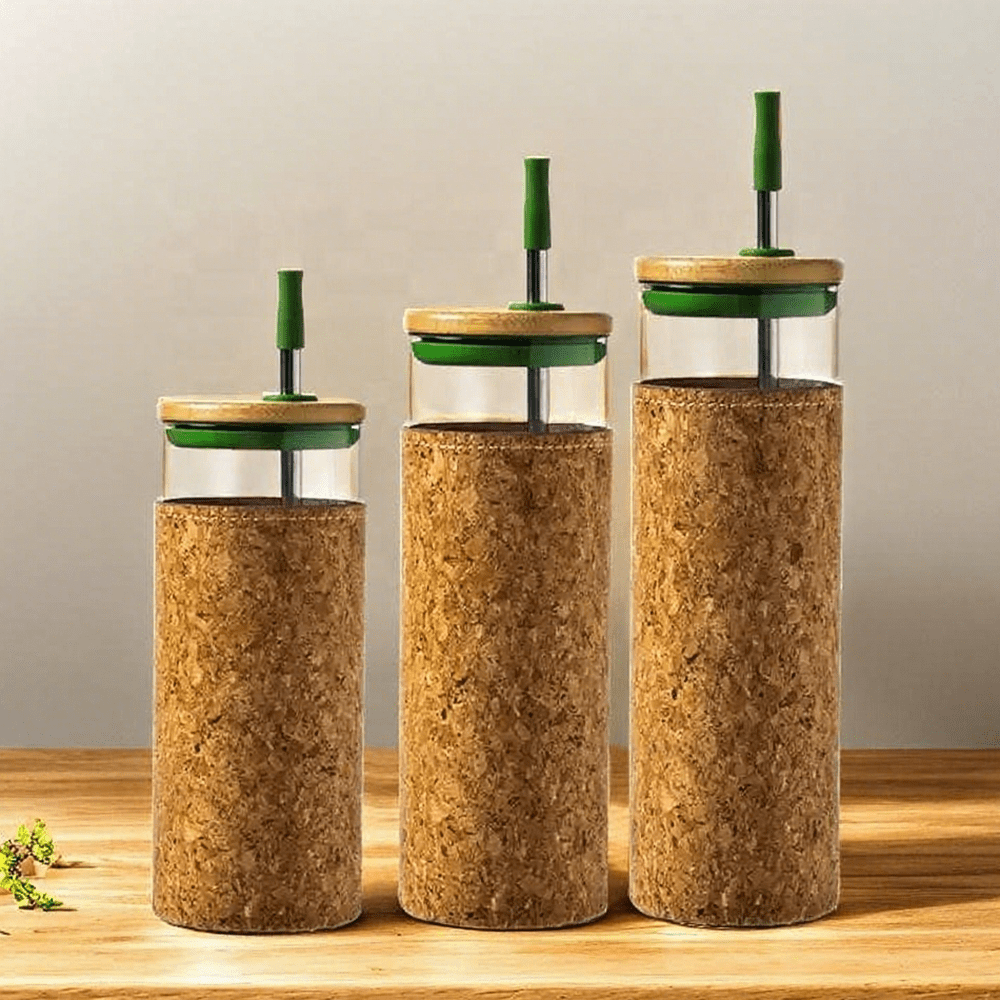
أواني تقديم المشروبات في المقاهي والمطاعم: الأحجام المناسبة للخدمة ذات الحجم الكبير
يحتاج المقهى العادي إلى مجموعة أكواب زجاجية قابلة للتكديس ومتينة. نلاحظ أن معظم المقاهي تعتمد بشكل قياسي على سعة 300 مل للإسبريسو والماتشياتو، و420 مل لللاتيه، و500 مل للقهوة المثلجة أو القهوة المُخمَّرة على البارد. تتناسب هذه الأحجام مع آلات الإسبريسو القياسية وتسهل تخزينها. فالكوب سعة 300 مل، على سبيل المثال، يمكنه استيعاب جرعة مزدوجة مع رغوة دقيقة دون انسكاب، بينما يستوعب الكوب سعة 500 مل الثلج والشراب والجرعة الكاملة. ويتيح تخزين هذه الأحجام الثلاثة للباريستا تلبية 90% من الطلبات دون الحاجة إلى تغيير نوع الأكواب.
التجزئة والتجارة الإلكترونية: أفضل أحجام الأكواب لجذب المستهلكين
بالنسبة للمستهلكين المنزليين، فإن المظهر الجذاب وملاءمة المنتج كهدية أكثر أهمية من الاستخدام اليومي. تحقق الأكواب سعة 300 مل و420 مل المزودة بأغطية من الخشب الطبيعي مبيعات جيدة كأطقم لمحبي القهوة، بينما تجذب الأكواب سعة 500 مل أو 750 مل المزودة بأغطية من الخيزران وقشات قابلة لإعادة الاستخدام المشترين المهتمين بالصحة. وتحول طباعة الشعار المخصص على هذه الأحجام هذه المنتجات إلى سلع تحمل العلامة التجارية. غالبًا ما يبدأ تجار التجزئة بحزمة مبدئية مكونة من 3 أحجام (300 مل، 420 مل، 500 مل) لاختبار الطلب، ثم يتوسعون بناءً على بيانات المبيعات. وتزداد شعبية الخيار سعة 750 مل بين محبي شاي الفقاعات ومشروبات السموذي الكبيرة الحجم.
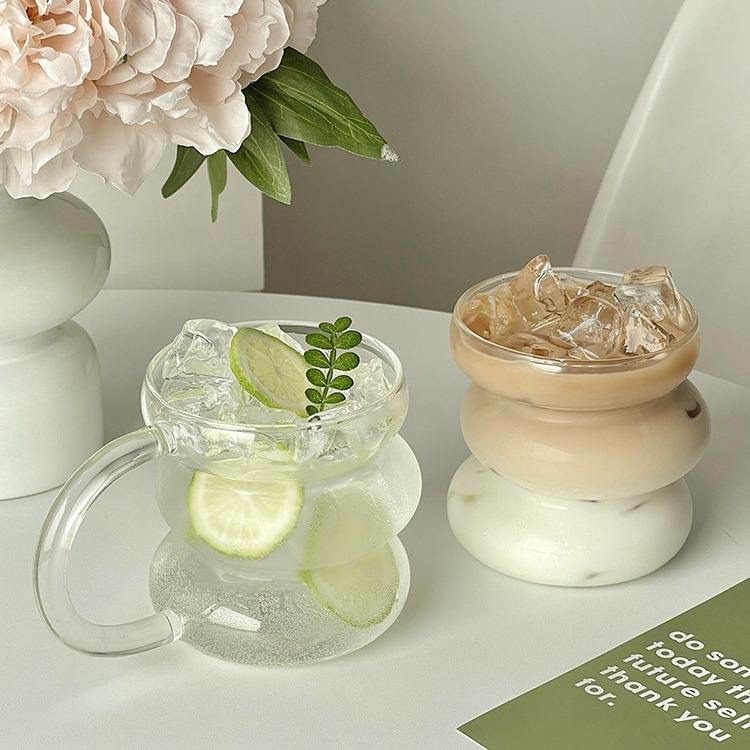
توريد أكواب الزجاج البورسليكاتي: الأسئلة التي يجب طرحها على الشركة المصنعة
القدرات الإنتاجية الرئيسية التي يجب التحقق منها (بما في ذلك دقة الحجم والاختبارات الحرارية)
قبل الالتزام بطلبية كبيرة، تأكد من أن المصنع يمتلك قدرات تصميم القوالب داخليًّا وخطوط نفخ آلية. في شركة Jianmei Glass، نستخدم 100 آلة متطورة موزعة على مساحة إنتاج تبلغ 40,000 متر مربع، مما يتيح لنا الحفاظ على تفاوتات أبعاد لا تتجاوز ±0.5 مم في أقطار الأكواب — وهو أمر بالغ الأهمية لضمان ملاءمة الأغطية وقابلية التكديس. اطلب نتائج اختبار الصدمة الحرارية التي تُظهر التبديل بين -20 درجة مئوية و120 درجة مئوية دون حدوث تشققات، واطلب شهادات سلامة الأغذية الصادرة عن إدارة الغذاء والدواء الأمريكية (FDA) أو هيئة سلامة الأغذية الألمانية (LFGB). لدينا كوب زجاجي يتضمن عملية الإنتاج دورات تلدين موثقة تقلل من الإجهاد المتبقي، وهي تفصيلة مهمة لأي كوب سيُستخدم يوميًا لحمل السوائل الساخنة.
كيف تدعم شركة «جيانمي جلاس» الأحجام المخصصة للأكواب والشحن إلى جميع أنحاء العالم
بفضل 45 براءة اختراع خاصة بالتصميم و120 شهادة اختبار، نتولى تطوير الأشكال المخصصة بدءًا من الرسم التخطيطي وصولًا إلى عينة ما قبل الإنتاج في غضون 15–25 يومًا لتعديلات القوالب القياسية. ويسمح إنتاجنا اليومي البالغ 200,000 قطعة لنا بتلبية الطلبات الموسمية المتزايدة دون تأخير في التسليم. نقوم بالشحن إلى أمريكا الشمالية وأمريكا الجنوبية وأوروبا وأوقيانوسيا، ونقدم خدمات تصنيع المعدات الأصلية (OEM) وتصميم وتصنيع المنتجات (ODM) مع خيارات طباعة الشعار مثل الطباعة بالشاشة الحريرية أو النقش بالليزر. ونظرًا لأن منشأتنا تنتج كلاً من أكواب زجاجية ذات جدار مزدوج وبالنسبة للأكواب ذات الجدار الواحد، يمكننا تجميع الطلبات ذات الأحجام المتنوعة في حاوية واحدة.
إذا كنت تخطط لإنتاج مجموعة من الأكواب الزجاجية وترغب في التأكد من أن الأحجام تتناسب مع مجموعات القوالب الحالية، فيرجى إرسال رقم القطعة والكميات المتوقعة إلى [email protected]. يمكننا تقديم عرض أسعار ومقترح عينات يتناسب مع احتياجات السوق الخاصة بك.
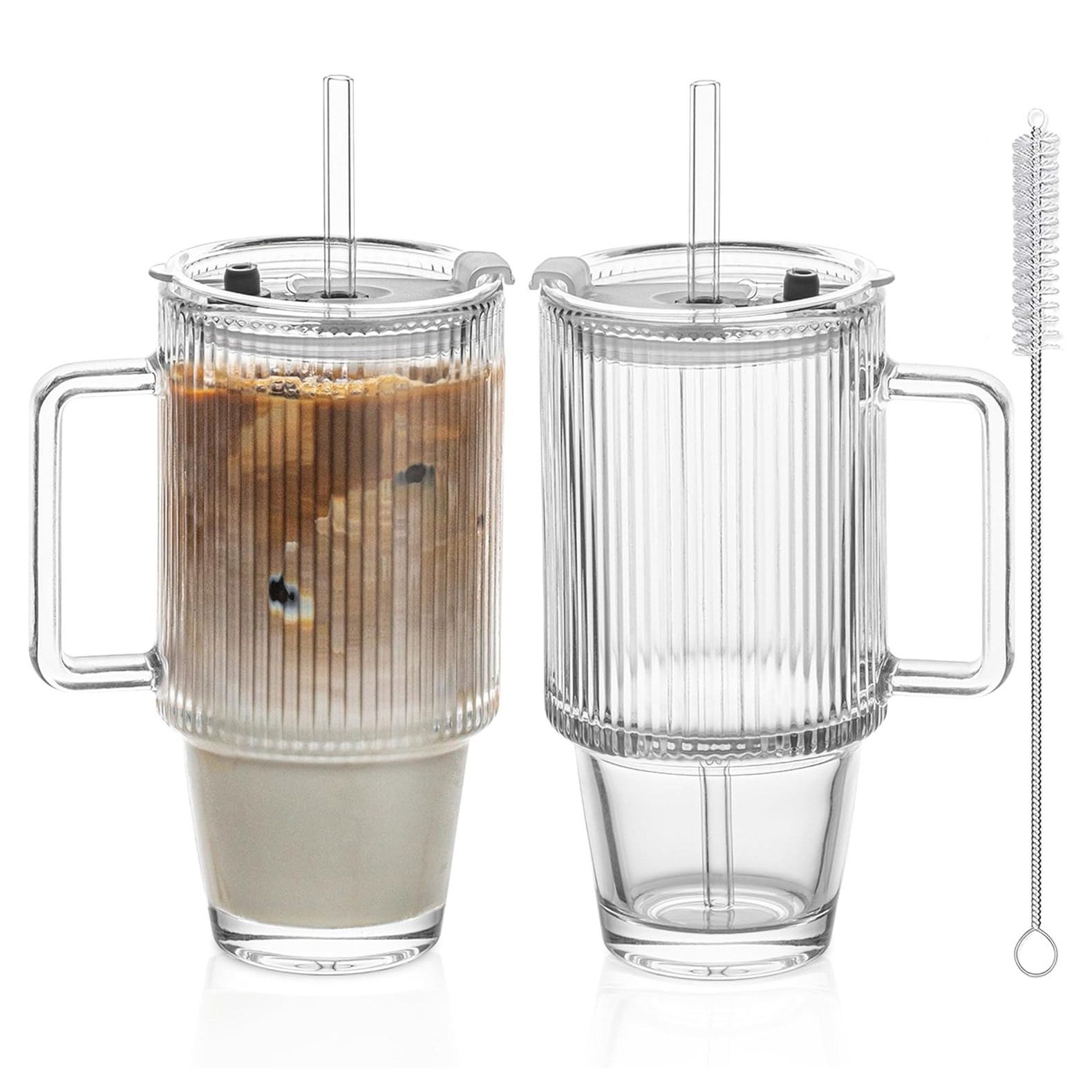
أسئلة شائعة حول أحجام الأكواب الزجاجية
ما هو الحجم القياسي لفنجان القهوة بالأونصات؟
من 8 إلى 12 أونصة (240–355 مل) للقهوة المُعدّة بالتنقيط، و5–6 أونصات للكابتشينو، على الرغم من أن العديد من المقاهي المتخصصة تقدم الآن لاتيه بحجم 12–16 أونصة. الحجم الذي ننتجه عادةً، وهو 300 مل (10 أونصات)، يمثل حلًا وسطًا بين مشروب الإسبريسو الكبير والقهوة المُقطرة الصغيرة، مما يجعله شائعًا لدى المحلات التي ترغب في تقليل عدد أصناف الأكواب الزجاجية.
كم ملليلتراً يسع كوب المشروبات الباردة العادي؟
تتسع الكوب القياسي للقهوة المثلجة لـ 16–20 أونصة (473–591 مل). وتغطي أحجامنا التي تبلغ 500 مل و750 مل هذا النطاق بشكل جيد. كما أن الحجم 750 مل كبير بما يكفي لتناول العصائر أو شاي الفقاعات دون الحاجة إلى إعادة التعبئة بشكل متكرر.
هل يؤثر سمك الزجاج على الاحتفاظ بالحرارة باختلاف أحجام الأكواب؟
تضيف الجدران الزجاجية الأكثر سمكًا كتلة حرارية، ولكنها تزيد الوزن أيضًا. ويوفر الزجاج البورسليكاتي بسمك يتراوح بين 2 و2.5 ملم قوة كافية للاستخدام اليومي دون أن يجعل الكوب يبدو ثقيلًا. أما بالنسبة للأكواب ذات الجدران المزدوجة، فإن الفراغ الهوائي بين الطبقات يوفر العزل بغض النظر عن السماكة؛ ومن ثم فإن الحجم الإجمالي هو الذي يحدد مدة الاحتفاظ بالحرارة. فالكوب ذو الجدران المزدوجة سعة 500 مل يحتفظ بالحرارة لفترة أطول من الكوب سعة 300 مل، وذلك ببساطة بسبب نسبة الحجم إلى المساحة السطحية.
ما هو الحجم الأمثل لكوب الزجاج البورسليكاتي لتناول الشاي الساخن؟
يختلف شرب الشاي باختلاف الثقافات. غالبًا ما تتراوح سعة الأكواب على الطراز الإنجليزي بين 350 و400 مل؛ بينما تتراوح سعة أكواب الشاي في شرق آسيا بين 100 و300 مل. أما بالنسبة للبيع بالتجزئة العام، فإن الأكواب المصنوعة من البورسليكات بسعة تتراوح بين 300 و420 مل توفر مرونة أكبر. تحافظ النماذج ذات الجدران المزدوجة على سخونة الشاي دون حرق اليدين، ويوفر الحجم الذي يبلغ 420 مل مساحة كافية لوضع كيس شاي أو مصفاة.
ما هي الكمية الدنيا للطلب بالنسبة للأحجام المخصصة؟
يسمح مصنعنا بالحصول على عينات بحد أدنى للطلب يبلغ قطعة واحدة فقط، ولكن بالنسبة للإنتاج الضخم باستخدام قوالب مخصصة، فإن الحد الأدنى المعتاد يتراوح بين 2,000 و5,000 وحدة لكل تصميم. ونوصي بشدة بالحصول على عينة ما قبل الإنتاج أولاً للتحقق من دقة الحجم وسلوك الصب. يرجى مشاركة متطلباتكم مع فريقنا عبر البريد الإلكتروني [email protected] وسنقوم بتأكيد ما هو ممكن تنفيذه.
إذا كنت مهتماً، اطلع على هذه المقالات ذات الصلة:
كيفية شراء زجاجات المياه الأكثر رواجًا في السوق
أكواب زجاجية من البورسليكات صالحة للاستخدام الغذائي ومقاومة للانفجار