
 Arabic
  English
  Spanish
  German
 Running a restaurant means watching costs bleed from unexpected places. Glassware sits near the top of that list for many operators, though it rarely gets the attention it deserves during budget reviews. The constant cycle of breakage, replacement orders, and cleanup time adds up faster than most realize. Borosilicate glassware changes that equation. Its thermal resistance and structural integrity translate to fewer replacements and smoother daily operations. For establishments willing to make the switch, the math often works out to roughly 30% lower breakage costs over time.
What Glassware Breakage Actually Costs Your Restaurant
Standard soda-lime glass breaks. That’s not a flaw in any particular product—it’s just the nature of the material when subjected to commercial kitchen conditions. The direct cost shows up in replacement purchases, but the full picture extends further. Staff members stop service to sweep up shards. Managers reorder inventory more frequently than planned. And every broken piece carries a small but real injury risk that can escalate into workers’ compensation claims.
| Restaurant Type | Average Annual Glassware Breakage Costs |
|---|---|
| Fine Dining | $5,000 – $15,000 |
| Casual Dining | $3,000 – $10,000 |
| Cafes/Bars | $2,000 – $8,000 |
| Quick Service | $1,000 – $5,000 |
These figures vary by volume and service style, but the pattern holds across segments. A casual dining spot might not notice $500 in monthly breakage as a line item, yet that same amount compounds into thousands annually. The hidden costs of breakage extend beyond the glass itself—labor time, safety incidents, and the operational friction of managing unpredictable inventory needs all factor in.
The Material Science Behind Borosilicate Durability
Borosilicate glass earns its reputation through chemistry, not marketing. The addition of boron trioxide to the glass composition lowers the thermal expansion coefficient significantly. In practical terms, this means the material barely expands or contracts when temperatures shift rapidly. A glass that goes from a freezer to a hot dishwasher cycle without cracking isn’t performing magic—it’s just responding predictably to its molecular structure.
This differs fundamentally from tempered glass. Tempered glass vs borosilicate represents two different approaches to strength. Tempering creates surface compression through rapid cooling, making the outer layer harder but leaving the core vulnerable if that surface is compromised. Borosilicate’s resilience runs through the entire material. The scratch resistant glass surface maintains clarity longer, and the thermal shock resistance handles the temperature swings that destroy standard glassware in commercial settings.
How does borosilicate glassware withstand extreme temperature changes in a restaurant setting?
The low thermal expansion coefficient is the key factor. When borosilicate glass encounters rapid temperature shifts—say, moving from freezer safe glass storage directly to an oven safe glass application—it expands and contracts so minimally that stress fractures don’t form. This makes it genuinely dishwasher safe glassware that survives the hot wash and cool-down cycles that crack standard options. For restaurants running high-volume dishwashing operations, this stability eliminates a major source of breakage.
Measuring the Financial Impact of Reduced Breakage
The cost savings from borosilicate glassware show up in straightforward ways. A restaurant spending $10,000 annually on glassware replacement might see that figure drop to $7,000 or below. That 30% reduction represents real capital that can move elsewhere in the operation. But the efficiency gains extend beyond the purchase orders.
Staff time matters. Every broken glass means someone stops their primary task to handle cleanup, disposal, and potentially first aid. Multiply those interruptions across a busy service, and the labor cost adds up. Reduced breakage means smoother workflow and less waste restaurant operations need to manage.
One cafe operation reported a 35% decrease in monthly breakage after switching to borosilicate. For a high-volume establishment cycling glassware through dishwashers constantly while serving both hot and cold beverages, that reduction translated to thousands in annual savings. The initial investment in long-lasting glassware paid back within the first year. This kind of cost-effective tableware decision directly impacts restaurant profit margins without requiring operational changes.
Article Recommendation: If you are interested in how glass compares to other materials, check 《أفضل المواد المستخدمة في أواني الشرب الزجاج السيراميك أو الفولاذ المقاوم للصدأ》.
Safety and Sustainability Considerations
Borosilicate glass behaves differently when it does break. The fragments tend to be larger and less sharp than soda-lime glass shards. This characteristic reduces injury severity for both staff and customers, contributing to better restaurant safety standards overall. Fewer cuts mean fewer incident reports and lower risk of workers’ compensation claims.
The sustainability angle deserves mention too. Borosilicate glass is fully recyclable, making it eco-friendly glassware that aligns with broader waste reduction goals. Restaurants pursuing sustainable restaurant supplies can point to their glassware choices as part of that commitment. The material’s longevity also means less frequent manufacturing demand and reduced shipping volume over time.
Are there specific safety advantages of using borosilicate over traditional glassware for staff and customers?
The shatter pattern makes the biggest difference. When borosilicate glass breaks, it produces larger pieces rather than the fine, sharp fragments common with soda-lime glass. This shatter resistant glass characteristic makes cleanup safer and reduces the likelihood of serious cuts. For staff safety restaurant operations and glassware injury prevention, this represents a meaningful improvement over traditional options.
Customer experience benefits from the material’s clarity and weight as well. Borosilicate feels lighter and more refined in hand, which contributes to the overall dining perception without sacrificing durability.
Selecting a Reliable Glassware Supplier
The supplier relationship matters as much as the material choice. Bulk glassware purchasing requires consistent quality across large orders, and not every manufacturer maintains those standards. Look for partners with FDA certified glassware and CE certified glass credentials—these certifications indicate compliance with safety and quality benchmarks.
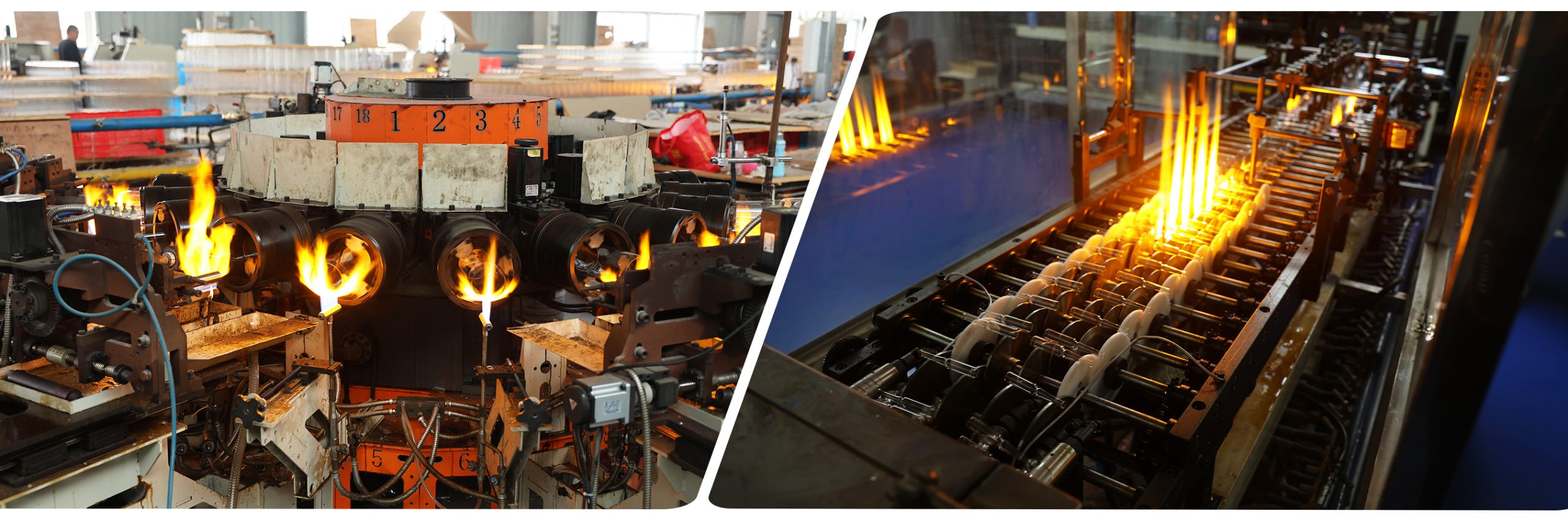
Custom glassware solutions allow restaurants to align their tableware with brand identity. Logo etching, specific shapes, and size variations all become possible with the right manufacturing partner. Xuzhou Jianmei Glass Products Co., Ltd. offers high-volume production capabilities alongside customization options, supporting both standardization and differentiation needs. Supplier reliability glassware sourcing ensures that reorders arrive on schedule and meet the same quality standards as initial purchases.
This kind of restaurant equipment investment pays dividends over years of operation. The upfront cost difference between standard and borosilicate glassware narrows considerably when measured against replacement frequency and operational efficiency gains.
Partner with Xuzhou Jianmei Glass for Superior Glassware
Reducing overhead while maintaining service quality requires smart sourcing decisions. Xuzhou Jianmei Glass Products Co., Ltd. manufactures premium borosilicate glassware built for commercial durability. Contact our team at [email protected] to discuss custom solutions and learn how certified, high-volume production can support your establishment’s glassware needs.
Frequently Asked Questions About Borosilicate Glassware for Restaurants
What is the typical return on investment for restaurants switching to borosilicate glassware?
Most restaurants see meaningful ROI within 12-24 months. The primary driver is reduced breakage—fewer replacement orders, less labor spent on cleanup and reordering, and lower inventory management overhead. These savings compound over time, making the initial price difference negligible against long-term operational costs. Restaurant profit margins benefit directly from this shift in glassware strategy.
How does borosilicate glass compare in weight and feel to traditional restaurant glassware?
Borosilicate runs lighter than soda-lime glass despite its greater strength. Staff handling glassware throughout service notice the difference in fatigue levels. The material’s clarity and refined feel also contribute to customer perception—guests often associate lighter, clearer glassware with higher quality dining experiences. The durability doesn’t come at the expense of elegance.
Can borosilicate glassware be customized for branding and specific restaurant aesthetics?
Manufacturers with custom capabilities can produce bespoke designs including logo etching, unique shapes, and varied sizes. This allows restaurants to maintain brand consistency across their tableware while gaining the durability benefits of borosilicate. Xuzhou Jianmei Glass Products Co., Ltd. specializes in these custom borosilicate glassware solutions, combining functional performance with distinctive visual identity.