 Arabic
  English
  Spanish
  German
 ينبغي أن يبدأ اختيار الأواني الزجاجية للمقاهي بالنظر إلى قائمة المشروبات ونطاق درجات الحرارة، وليس بقائمة أسعار الكتالوج. فالبار الذي يُعد الإسبريسو، ويقدم القهوة المثلجة، ويملأ زجاجات القهوة المُخمَّرة على البارد، يحتاج إلى أواني زجاجية مختلفة في كل محطة. لقد أمضينا عشر سنوات في إنتاج أكواب الزجاج البورسليكاتي، وعادةً ما يتحدد الفرق بين برنامج القهوة الموثوق به والبرنامج المكلف في مرحلة تحديد المواصفات، وليس في مرحلة عرض الأسعار. تتناول هذه المقالة كيفية مطابقة الأكواب الزجاجية مع كل مشروب، وتقليل الكسر، وبناء مجموعة متناسقة من وحدات التخزين (SKU) دون الحاجة إلى إدارة عدة موردين. يمكن للمصنع نفسه تغطية أكواب الإسبريسو، والأكواب الكبيرة، والزجاجات، وبرطمانات التخزين ضمن معيار فحص واحد.
كيف ينبغي لمقهى أن يبدأ في شراء الأواني الزجاجية؟
ابدأ بقائمة المشروبات، لا بكاتالوجات الموردين. قم بتدوين كل مشروب، ودرجة حرارة تقديمه، وما إذا كان يحتاج إلى غطاء أو ماصّة، والحجم الذي تصبه فعليًّا. ففنجان الإسبريسو يختلف عن زجاجة المشروب البارد، كما أن كوب الشاي يُستخدم في ظروف تقديم مختلفة. إذا تخطيت هذه الخطوة، فسوف ينتهي بك الأمر إلى طلب الأواني الزجاجية بناءً على مظهرها واستبدال القطع قبل أوانها. لقد رأينا مشترين يوافقون على فنجان جميل فشل في غرفة غسل الأطباق لأن سماكة جدرانه لم تتحمل دورة الشطف الساخنة. تحدد قائمة المشروبات الحمل الحراري، والإساءة التي سيتعرض لها الزجاج، وعدد وحدات التخزين (SKU) التي تحتاجها. من هذه القائمة، قم بإعداد ورقة مواصفات من صفحة واحدة: السعة، وقطر الجزء العلوي، ومتطلبات الغطاء أو المصاصة، وموضع الشعار، وما إذا كان يجب أن تكون القطعة قابلة للتكديس.
ما هي الأكواب الزجاجية المناسبة للإسبريسو والقهوة المثلجة والقهوة المُخمَّرة على البارد؟
الإسبريسو ومشروبات الحليب الصغيرة
تتميز خدمة الإسبريسو بالسرعة والحرارة العالية. فالكوب ذو الجدار المزدوج بسعة تتراوح بين 300 و420 مل يحافظ على درجة الحرارة دون أن ينقل الكثير من الحرارة إلى اليد، كما أن زجاج البورسليكات 3.3 يتحمل التغيرات المتكررة بين الحرارة والبرودة بشكل أفضل من زجاج الصودا والجير. إذا كان المقهى يكدس الأكواب، فتحقق من شكل القاعدة والحافة قبل الطلب.
زجاجات القهوة المثلجة والقهوة المُخمَّرة على البارد
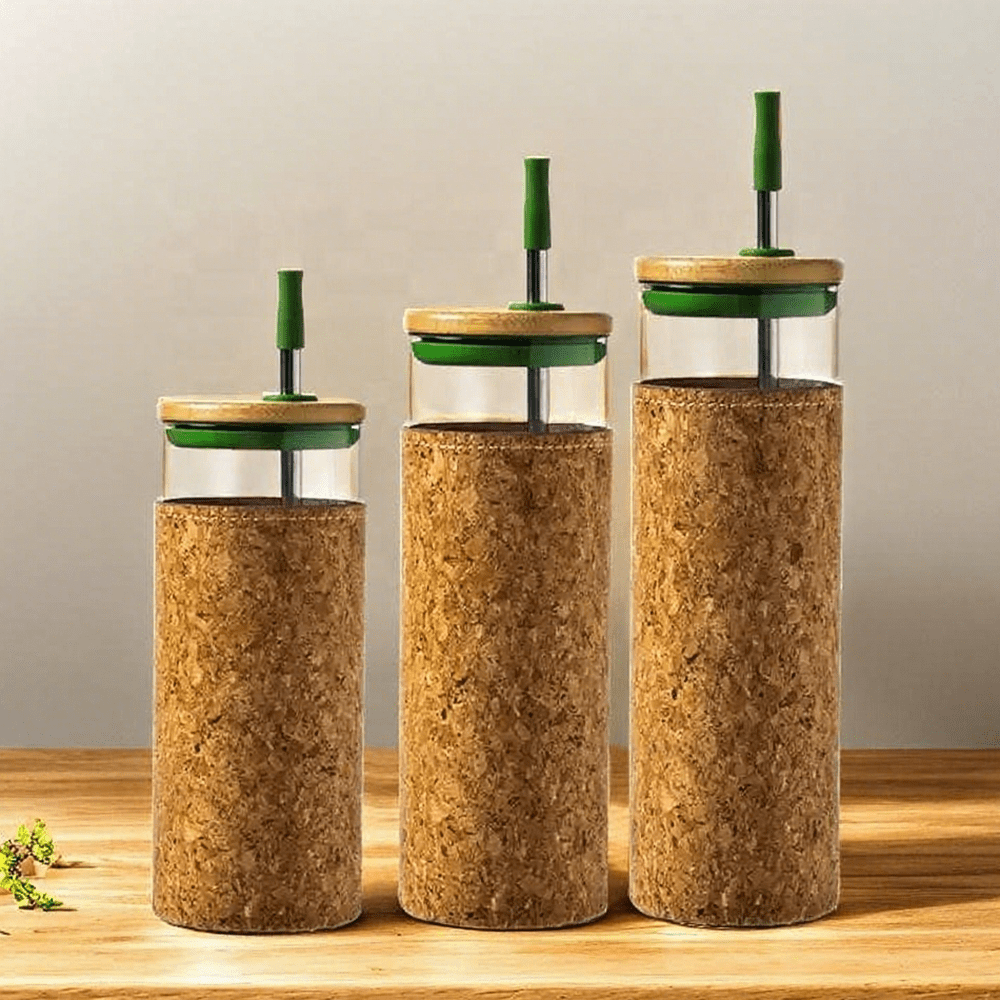
يحتاج القهوة المثلجة إلى كوب ذي فتحة واسعة، وغطاء مناسب لاستخدام القشة، وسعة كافية لاستيعاب الثلج. ويغطي الكوب الزجاجي المزود بقشة بسعة تتراوح بين 500 و750 مل معظم أحجام القهوة الموجودة في القائمة. أما بالنسبة للقهوة المُخمَّرة على البارد، فيُفضل استخدام كوب بسعة تتراوح بين 500 و1000 مل زجاجة ماء زجاجية من البورسليكات مزودًا بحشية سيليكون وغطاء يمنع التسرب داخل حقيبة العميل. لا تستخدم نفس الكوب للإسبريسو والمشروب البارد ما لم يتم تحديد سماكة جدران الكوب وتصميم حافته بشكل خاص لكلا النوعين.
خدمة تقديم الشاي والماء الساخن
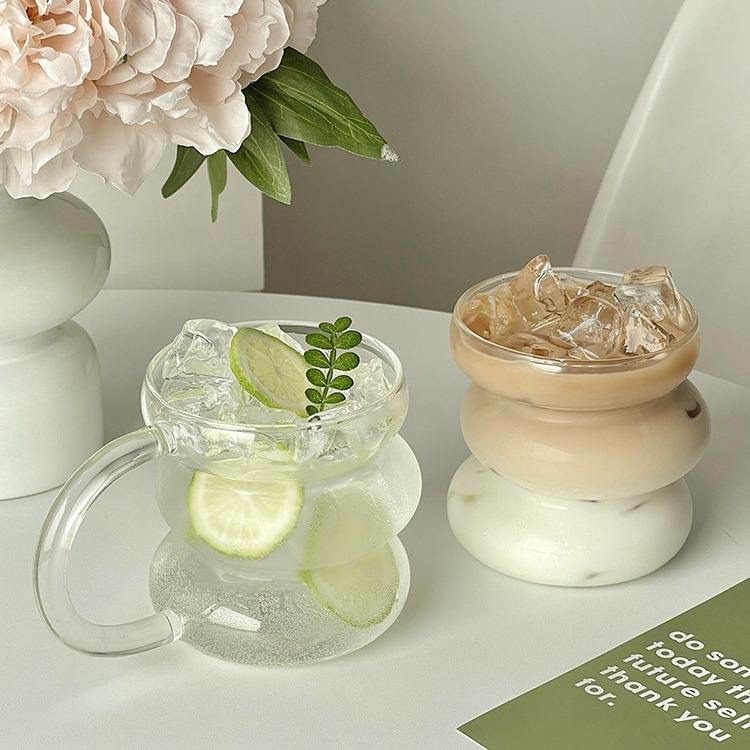
يتم تقديم الشاي ببطء أكثر، لكنه غالبًا ما يكون ساخنًا أكثر. سعة تتراوح بين 420 و500 مل كوب زجاجي أو كوب شاي مزود بمقبض أو ذو جدران مزدوجة يُعد خيارًا جيدًا. حدد ما إذا كان يجب توفير غطاء في حال كان المتجر يبيع الشاي للخارج.
| المحطة | الزجاج الموصى به | القدرة الاستيعابية | المواصفات الرئيسية |
|---|---|---|---|
| الإسبريسو والكورتادو | كوب ذو جدار مزدوج | 300 إلى 420 مل | 3.3 بوروسيليكات، مقاوم للصدمات الحرارية |
| القهوة المثلجة | كوب زجاجي مع ماصّة | 500 إلى 750 مل | فتحة واسعة، متوافقة مع الأغطية المزودة بقشة |
| زجاجات المشروبات المبردة | زجاجة مياه زجاجية | من 500 إلى 1000 مل | سدادة سيليكون مانعة للتسرب، خالية من مادة BPA |
| الشاي والماء الساخن | كوب زجاجي أو كوب شاي | 420 إلى 500 مل | بمقبض أو بجدار مزدوج، مقاوم للحرارة |
لماذا يقلل الزجاج البورسليكاتي من تكاليف الكسر والاستبدال؟
تتعرض الأواني الزجاجية في المقاهي للكسر بطرق يمكن توقعها: تشقق الحواف جراء التكديس، والشقوق الحرارية الناتجة عن سكب السوائل الساخنة ثم شطفها بالماء البارد، والسقوط على الأرض أثناء أوقات الذروة. يعالج زجاج البورسليكات النوع الثاني من الأعطال. فانخفاض معدل التمدد الحراري فيه يعني أن الكوب الذي احتوى للتو على جرعة من الإسبريسو يكون أقل عرضة للتشقق عند ملامسته للماء البارد أو حمام جليدي. يمكن استخدام زجاج الصودا والجير في أكواب الماء، لكن تقديم القهوة بكميات كبيرة يتطلب دورات حرارية متكررة، وهنا يكسب زجاج البورسليكات تكلفته.
لا يقتصر الكسر على المادة الخام فحسب. فجودة عملية التلدين تحدد مقدار الإجهاد الداخلي الذي يبقى في الزجاج بعد التشكيل. وإذا لم يحافظ فرن التلدين على منحنى التبريد الصحيح، فقد يتعرض حتى زجاج البورسليكات 3.3 للكسر المبكر. في خط الإنتاج الخاص بنا، نجري عملية التلدين كخطوة تبريد خاضعة للرقابة، وليس كمجرد مرور بسيط، لأن هذا هو الفرق بين الكوب الذي يصمد في حانة مزدحمة والكوب الذي يتشقق في غضون أسابيع. يجب على المشترين الاستفسار عن نطاق الصدمة الحرارية وطلب سجلات اختبار السقوط أو الدورات الحرارية قبل قبول أي عينة.
إذا كانت قائمة مشروباتك تتنوع بين الإسبريسو الساخن والمشروبات المثلجة في كل نوبة عمل، فمن الأفضل التأكد من نطاق الصدمة الحرارية للزجاج وجدول التلدين قبل إتمام طلبك. أرسل قائمة مشروباتك وعدد الأكواب اليومي إلى [email protected] وسنتحقق من أي من أكوابنا وزجاجاتنا المصنوعة من البورسليكات تتناسب مع هذه الدورة.
كيف يمكنك إنشاء مجموعة من منتجات المقاهي دون الحاجة إلى إضافة قوالب؟
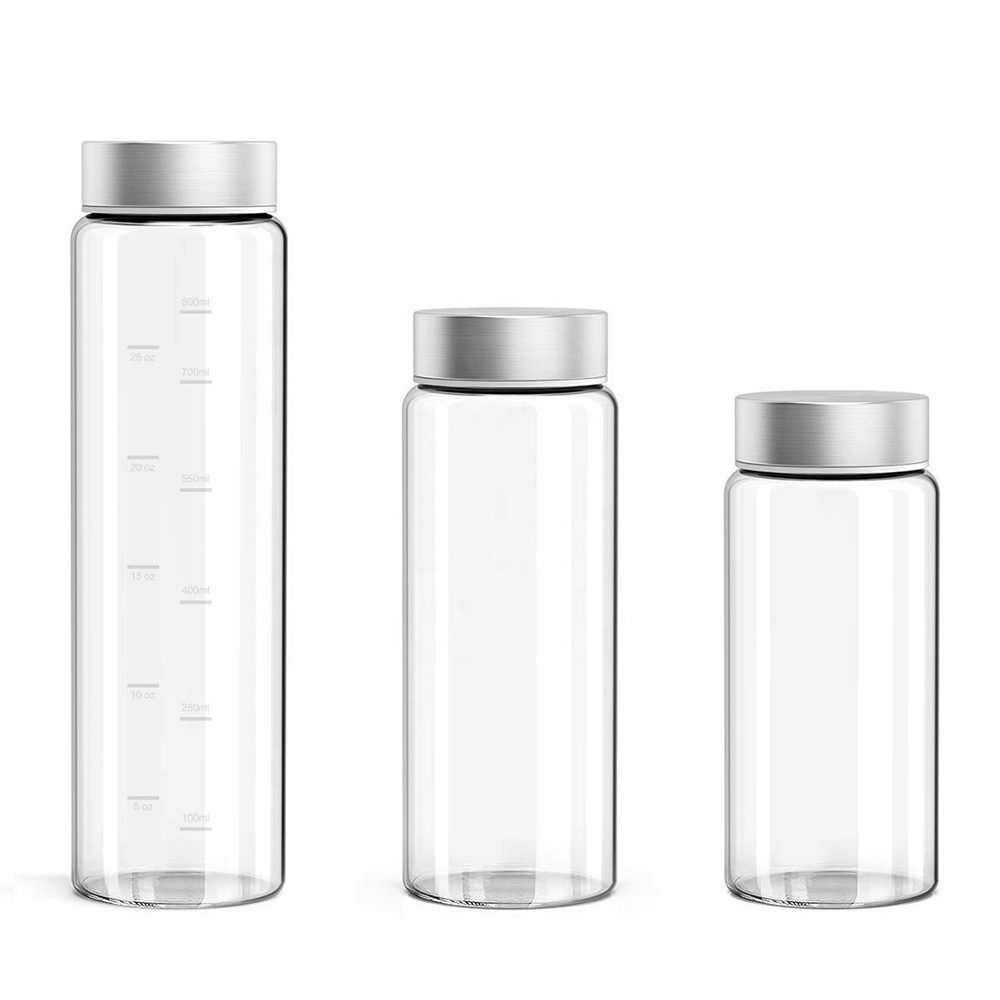
كل قالب جديد يزيد من الوقت والتكلفة اللازمين لأخذ العينات. قبل أن تطلب شكلاً مخصصاً، تحقق مما إذا كانت مجموعة أكواب واحدة يمكنها تلبية احتياجات عدة أصناف في قائمة المشروبات. فقد يتشارك كوب الإسبريسو سعة 300 مل، وكوب «فلات وايت» سعة 420 مل، وكوب المشروبات المثلجة سعة 500 مل في بعض الأحيان نفس شكل الجدار الجانبي، ويختلفون فقط في الارتفاع. كما أن استخدام نفس قطر الغطاء لجميع الأحجام يقلل من مخزون الملحقات ويبسط عملية إعادة الطلب. نحن ننتج كوب زجاجي من البورسليكات تتراوح سعتها بين 300 مل و1000 مل، وتأتي مزودة بأغطية خشبية أو من الفولاذ المقاوم للصدأ، كما أن نهج القوالب المشتركة يجعل إدارة برنامج القهوة المتعدد وحدات التخزين (SKU) أسهل.
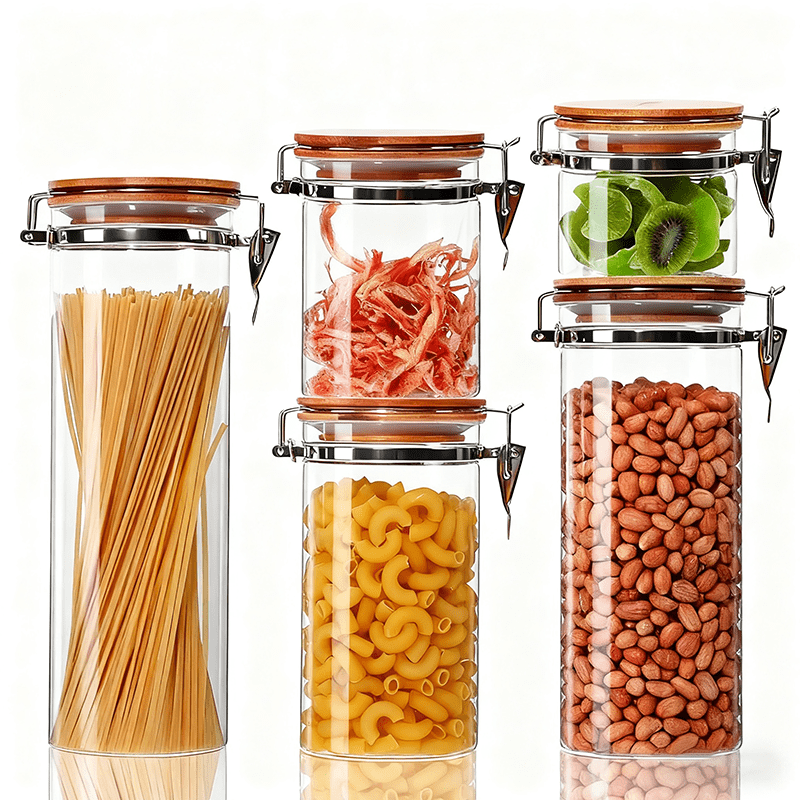
تُعد زجاجات المشروبات المبردة استثناءً. فقالب الزجاجة يختلف عن قالب الكوب، لكن مادة إحكام الغطاء والتشطيب يمكن توحيدهما. اسأل موردك عن الأبعاد التي تظل ثابتة عبر جميع وحدات التخزين (SKUs). إذا كانت الإجابة «لا شيء»، فربما تكون تشتري مجموعة من المنتجات غير المترابطة التي لن تتناسب مع صندوق واحد أو كرتونة واحدة أو جدول إعادة طلب واحد. خلف المنضدة، يمكن أن تشترك حاويات البورسليكات محكمة الإغلاق المخصصة للحبوب والمساحيق في نفس تشطيب الغطاء والمظهر الشفاف.
هل أنت مستعد لشراء الأواني الزجاجية للمقاهي من مصنع واحد؟
إن شراء أكواب الإسبريسو من مورد واحد، وزجاجات المشروبات المبردة من مورد آخر، وبرطمانات التخزين من مورد ثالث يؤدي إلى وجود ثلاث مجموعات من التفاوتات المسموح بها، وثلاثة أحجام للكرتون، وثلاث دورات لإعادة الطلب. ويظهر هذا التعقيد في مخزنك وفي فاتورتك. يمكن لمصنع واحد للزجاج البورسليكاتي، يمتلك 100 آلة إنتاج وقدرة إنتاجية يومية تبلغ 200,000 قطعة، أن يوحد البرنامج تحت معيار فحص واحد وملف جودة واحد.
يرجى إرسال قائمة المأكولات والمشروبات، وعدد الأكواب اليومي، وعدد وحدات التخزين المستهدفة إلى [email protected]. وسنقوم بتأكيد نوع الزجاج، والغطاء المناسب، وجدول توزيع العينات لبرنامج المقهى الخاص بكم.
ما هي الأسئلة التي يطرحها المشترون بشأن توريد الأواني الزجاجية للمقاهي؟
ما هي الكمية الدنيا للطلب في إطار برنامج الأواني الزجاجية لمقهى؟
الحد الأدنى للطلب هو قطعة واحدة، لكن الطلب العملي للمقاهي عادةً ما يتم بناءً على كميات الكرتون ودورة العينات. نقبل الطلبات المخصصة لقطعة واحدة لتمكينك من اختبار المواصفات قبل الالتزام بشراء صناديق كاملة. بالنسبة للطلبات المتكررة، فإن الطريقة الأكثر كفاءة هي تجميع عدة رموز منتج (SKU) في دورة إنتاج واحدة حتى يمكن تعبئة الطلب وشحنه معًا. تأكد مبكرًا من أبعاد الصندوق وعدد القطع في كل صندوق؛ فهذه الأرقام تؤثر على تكلفة الشحن أكثر من سعر الزجاج نفسه.
ما هي الشهادات التي يجب أن تحملها الأواني الزجاجية المستخدمة في المقاهي لتكون صالحة للتلامس مع الأغذية؟
من المفاهيم الشائعة أن الزجاج الشفاف يعتبر تلقائيًا آمنًا للاستخدام الغذائي. وهذا غير صحيح. بالنسبة لأواني المشروبات المستخدمة في المقاهي، اطلب تقارير اختبار من إدارة الغذاء والدواء الأمريكية (FDA) أو LFGB أو SGS لتأكيد خلو المنتجات من مادة BPA والرصاص، وملاءمتها للتلامس مع الأغذية. وتعتمد المعايير ذات الصلة على السوق المستهدفة؛ فالمشترون الأمريكيون عادةً ما يطلبون شهادة FDA، بينما يطلب المشترون الأوروبيون شهادة LFGB، وتطلب بعض الأسواق كلا الشهادتين. اطلب تقرير الاختبار الذي يتوافق مع منتجك، وليس شهادة عامة. إذا كانت علامتك التجارية تُباع في مناطق متعددة، فحدد ذلك مبكرًا حتى تغطي حزمة الوثائق جميع هذه المناطق.
هل يمكنكم إنتاج أكواب الإسبريسو وزجاجات المشروبات المبردة في نفس الطلب؟
يعتمد ذلك على إعداد القالب. إذا كان قطر غطاء الكوب والزجاجة متطابقًا أو كانا يشتركان في خط إنتاج واحد، فيمكننا دمجهما في شحنة واحدة. على الرغم من أن الكؤوس والزجاجات تستخدم قوالب مختلفة، إلا أن معدات التشطيب واختبار التسرب وخط التعبئة والتغليف يمكنها معالجة كليهما في نفس الدورة. يتمثل القيد الرئيسي في ما إذا كانت كلتا وحدتي التخزين (SKU) تستوفيان معيار الفحص نفسه دون إبطاء خط الإنتاج. أرسل قائمة وحدات التخزين (SKU) الخاصة بك وسنؤكد لك العناصر التي يمكن دمجها وكيف سيكون توزيع الكراتين.
كم من الوقت يستغرق أخذ العينات قبل تقديم طلب شراء بالجملة لمقهى؟
في البرامج التي دعمناها، يعتمد توقيت إنتاج العينات على القالب أكثر من اعتماده على الشعار. فشكل الكوب الموجود بالفعل مع الأغطية الجاهزة يمكن أن ينتقل إلى مرحلة عينة ما قبل الإنتاج أسرع من قالب جديد أو غطاء مصمم خصيصًا. وعادةً ما تضيف طباعة الشعار خطوة الموافقة على النسخة التجريبية، وغالبًا ما تكون هذه الخطوة هي الأطول. نؤكد المدة الزمنية الدقيقة بعد الموافقة على ورقة المواصفات، لأن السعة وحجم الإنتاج الحالي يعتبران عاملين مهمين أيضًا. أرسل تاريخ الإطلاق وقائمة SKU إلى [email protected] وسنعمل على تحديد جدول زمني للعينات والإنتاج.
إذا كنت مهتماً، اطلع على هذه المقالات ذات الصلة:
دليل الموردين للمستوردين: الزجاجات المصنوعة من الفولاذ المقاوم للصدأ مقابل الزجاجات الزجاجية
زجاج البورسليكات مقابل زجاج البورسليكات والزجاج العاديزجاج الجير الصودا
الدليل النهائي للإجراءات اليومية لحماية الأرض
أفضل برطمانات زجاجية للمربى وكيفية الحفاظ على نضارة المربى المعبأ بكميات كبيرة
سلسلة الأواني الزجاجية المصنوعة من زجاج البورسليكات من «جيانمي»