
 Arabic
  English
  Spanish
  German
 When a shipment of أكواب زجاجية arrives with hairline cracks, fractures from morning coffee temperature swings, or handles that snap off after a few dishwasher cycles, the importer wears the cost. Returns, refunds, and freight claims compound quickly, and a brand that gets a reputation for fragile drinkware rarely gets a second order. For a low-risk, breakage-free alternative, check our durable disposable cups linked here—no repeated breakage losses to worry about. After managing production lines for high-borosilicate glassware for more than a decade, I can say the single most reliable way to cut return rates is to move the product specification upstream—into the glass composition itself. Borosilicate glass cups withstand thermal shock that shatters ordinary soda-lime glass, and that difference directly reduces the most common causes of customer returns: heat-induced breakage, visible stress cracking, and sealing failures on cups with lids.
Why Ordinary Glass Cups Get Returned at Higher Rates
Soda-lime glass, the material used in most inexpensive drinkware, expands significantly when heated. Pour boiling water into a room-temperature soda-lime cup and the inner wall tries to stretch while the outer wall remains unchanged. The stress can exceed the glass’s tensile strength in seconds, producing a crack, a clean bottom-out fracture, or a slow-developing flaw that fails later in the customer’s kitchen. We see the same pattern when cups go through commercial dishwashers where temperature ramps from 20°C to 85°C in under a minute. A cup with a hidden micro-crack from the factory crosses an ocean, gets stocked, and then breaks on first use. The retailer refunds, the distributor deducts, and the importer eats the landed cost plus return freight.
Thermal shock failures are not the only issue. Soda-lime glass is also more prone to surface scratching and etching from alkaline dishwasher detergents. After twenty cycles, the cup looks hazy. A consumer who bought a “premium” drinkware set sees clouded glass and initiates a return. In our production audits, exchanges and refunds traced to visible surface degradation run higher for soda-lime products than for borosilicate equivalents, particularly in markets where dishwashers are standard.
How Borosilicate Glass Prevents Temperature-Induced Breakage
Borosilicate glass contains roughly 13% boron trioxide, which reduces the coefficient of thermal expansion to approximately 3.3 × 10⁻⁶ /K—about one-third that of soda-lime glass. The practical meaning is straightforward: the material moves far less when heated or cooled, so the internal stress that causes cracking simply does not build to a dangerous level. At our Xuzhou plant, we test every batch by filling cups with ice water and then immediately pouring in freshly boiled water. Soda-lime samples break within the first round; borosilicate cups survive hundreds of cycles without cracking.
That tolerance translates into fewer return triggers. A consumer fills the cup with hot coffee straight from a drip machine, then later pours in iced water without thinking. The cup handles it. It can go from freezer storage to a microwave reheat without preheating. When we trace return-and-replace claims for our OEM clients who switch from soda-lime to 3.3 borosilicate, the drop in thermal-breakage reports is immediate. One European distributor we supply recorded a 40-percentage-point reduction in breakage-related returns after switching a 500ml tumbler line to borosilicate, even though the exterior design and lid stayed identical.
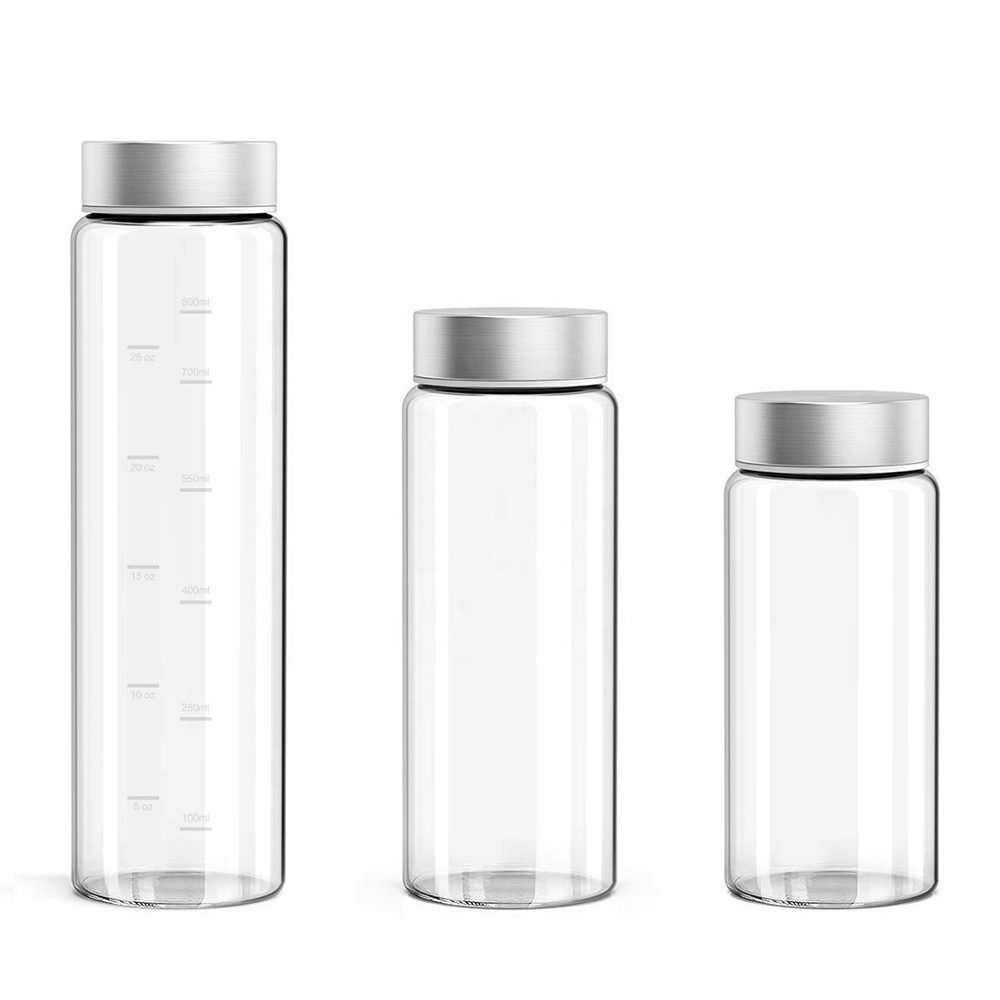
The thermal range matters for logistics too. A high-borosilicate cup tolerates -20°C to 300°C, meaning it survives temperature swings inside a shipping container crossing from subtropical ports to northern European warehouses in winter. Soda-lime glass that left the factory intact can arrive with stress cracks from cold-chain transit alone. Importers who factor in transit durability as part of the return rate calculation start paying attention to the glass chemistry, not just the unit price.
What to Verify When Sourcing Heat-Resistant Glass Cups
Not every cup labeled “borosilicate” on a supplier’s website actually uses 3.3 borosilicate glass throughout. We periodically test samples from other factories and find cups made with low-borosilicate formulations or soda-lime glass with a borosilicate coating. The thermal shock performance of those products falls well short of true borosilicate, and the return pattern eventually reveals the difference.
Request a thermal expansion coefficient test report. A genuine 3.3 borosilicate glass should show a value close to 3.3 × 10⁻⁶ /K. If the supplier cannot provide the test data or quotes a figure above 4.0, the material is likely a lower-grade borosilicate blend. Also ask about the annealing process. Even good glass will carry residual forming stress if the annealing cycle is too short or the lehr temperature curve is imprecise. At our facility, cups pass through a controlled annealing furnace with a gradient from roughly 560°C down to room temperature over several hours. The final stress is verified with a polariscope. A cup with uneven annealing may look fine on the warehouse shelf but fail after a few dozen thermal cycles.
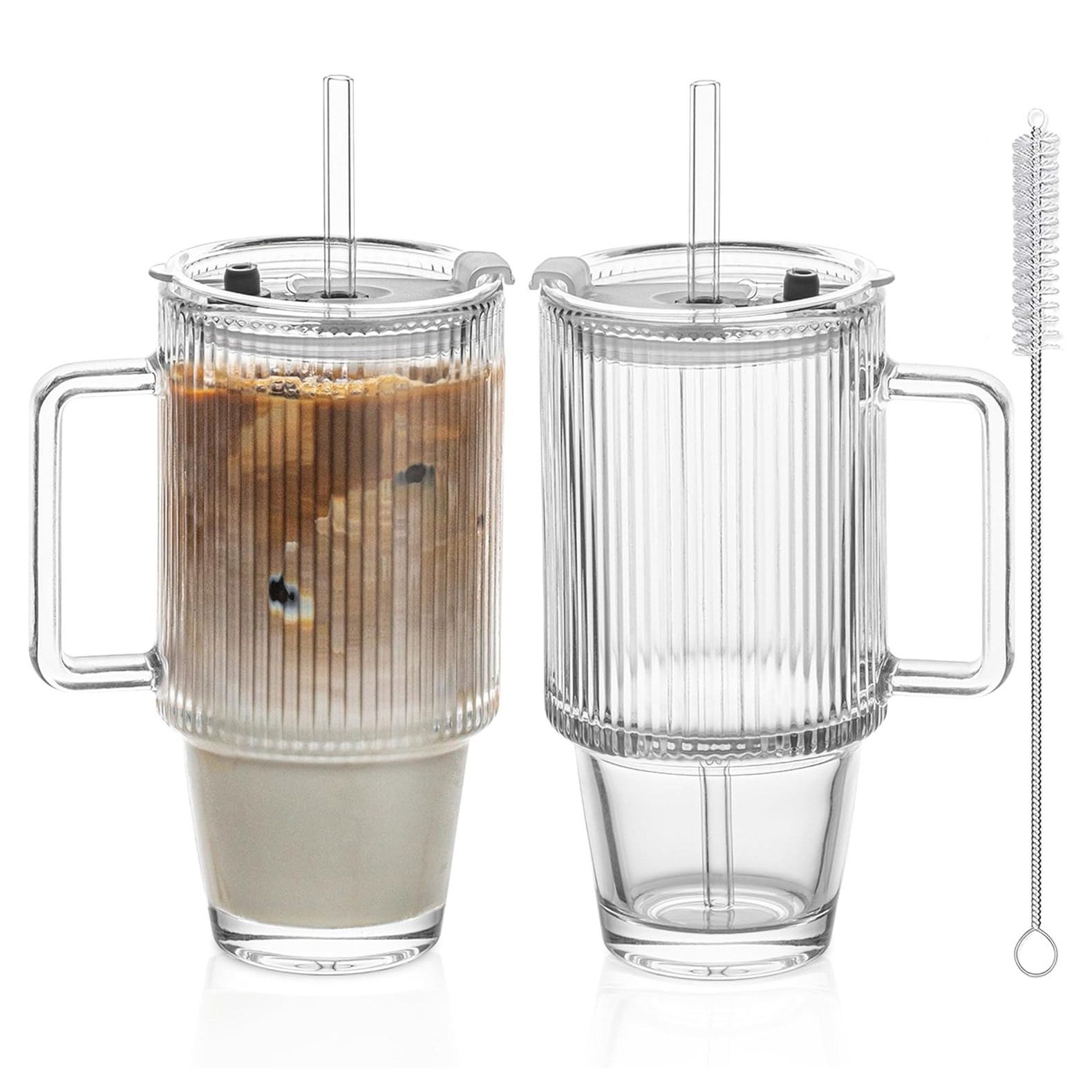
The lid and seal system is the other axis of returns that importers sometimes ignore. A borosilicate cup with a poorly designed lid can still leak, and liquid-damage returns show up regardless of the cup body material. Check that the lid uses a food-grade silicone ring with consistent compression, and ask whether the lid design was tested through at least 500 open-close cycles. We run lid-cycle testing as part of our pre-shipment protocol because a lid that loosens after three weeks of use triggers just as many returns as a cracked cup.
If your program involves large-volume shipments to markets with strict consumer protection laws, it is worth confirming the return-rate implications of glass composition before ordering your first container. Small differences in material cost per unit can vanish against a single returned pallet.
How to Evaluate a Manufacturer’s Temperature-Resistance Claims
Factory audits tell you more than a data sheet. I always recommend asking to walk the annealing line and observe the cooling curve instrumentation. A plant that cannot show real-time temperature logging across the lehr is one that cannot prove every cup received the same stress-relief treatment. In our shop, each annealing cycle is recorded by batch number, and the data is retained for traceability.
Request a batch test protocol for thermal shock. The industry standard we use is to fill the cup with boiling water, hold for one minute, then immediately transfer it into ice water and cycle ten times. Any crack or visible defect fails the lot. A factory should be able to produce the pass/fail log for your specific order, not a generic capability statement.
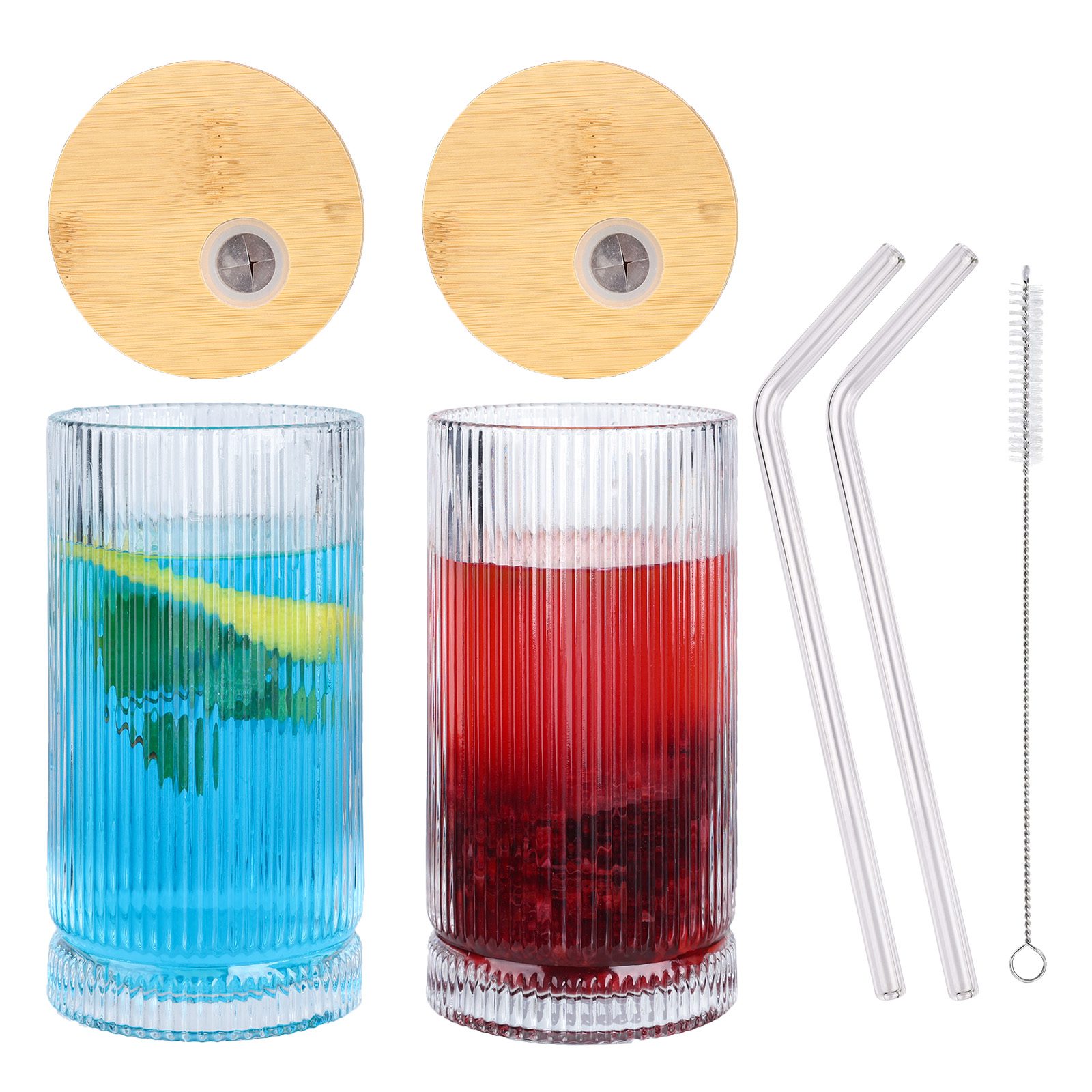
Certifications such as FDA and LFGB confirm food-contact safety, but they do not directly verify thermal resistance. They are necessary but not sufficient for a return-rate conversation. Ask whether the factory holds any mechanical test reports specific to thermal cycling, such as temperature-differential breakage tests or strain-point measurements from an external lab. We submit samples to SGS for periodic verification of both food-safety and thermal-shock parameters, and those third-party reports are available for customer review.
Finally, ask about the factory’s own return-rate tracking with existing clients. A manufacturer that supplies borosilicate drinkware to large retail chains in Europe or North America will have field data on breakage rates by product line. That data, even if anonymized, is far more predictive than any lab certificate. We track distributor feedback quarterly, and the pattern is consistent: products made from 3.3 borosilicate generate a fraction of the thermal-breakage returns that comparable soda-lime products produce.
Common Questions About Borosilicate Glass Cup Durability
Will borosilicate glass cups still break if dropped?
Yes, they can. Borosilicate glass is more impact-resistant than soda-lime because of its higher surface hardness, but it is still glass. A hard drop onto a tile floor can shatter it. The advantage is thermal, not impact-proof. If your customer return data includes roughly equal numbers of drop-damage and heat-damage claims, you cannot eliminate all returns by switching glass type. But for importers whose top return reason is “cracked after pouring hot liquid,” the material change directly addresses the largest return bucket.
Does the lid or seal material affect return rates as much as the glass?
In many cases, yes. We have analyzed return data from buyers who order both the cup and lid from us, and lid-related issues account for roughly one in five returns. A silicone ring that hardens after repeated dishwasher exposure, or a wood lid that warps and no longer seals, creates leaks that the consumer treats as a product defect. Specifying a food-grade silicone with a Shore A hardness around 50–60 and a stainless steel lid frame extends service life significantly. I recommend requesting accelerated aging test data for the seal material.
Can I mix borosilicate and soda-lime products in the same shipment?
Technically yes, but the risk profile of the entire container shifts. We have seen instances where a small percentage of soda-lime cups packed alongside borosilicate cups raised the pallet-wide damage rate because the weaker items broke first and their fragments abraded adjacent items during transit. If your target is a return rate below 1%, consider consolidating around borosilicate for all thin-walled drinkware in the shipment.
How do I confirm the glass is actually borosilicate before it ships?
Request a sample from the production batch and have it independently tested for thermal expansion coefficient. Alternatively, ask for a density test: 3.3 borosilicate glass has a density of approximately 2.23 g/cm³, compared to 2.5 g/cm³ for soda-lime. A quick density measurement can flag a substitution. We provide density and expansion coefficient data with pre-shipment inspection reports as standard for our OE customers.
Is the higher unit cost of borosilicate justified by return reduction?
When return-related costs exceed 3–4% of shipment value, the arithmetic shifts decisively. A borosilicate cup that costs $0.30 more per unit but prevents a single $12 return-and-refund event more than pays for itself over the order volume. Run the numbers with your actual return rate, landed cost, and average refund processing expense—most importers who do find that borosilicate is the cheaper option once returns are counted.
If you are planning a new drinkware line or evaluating a switch from soda-lime, we can provide thermal-shock test data and batch traceability documentation for our borosilicate glass cups. Share your target capacity, lid type preference, and destination market, and we will confirm the glass composition and return-relevant specifications before production begins. Email [email protected] with your requirements, and we will put a sample set in your hands for independent testing.
إذا كنت مهتماً، اطلع على هذه المقالات ذات الصلة:
خمس قواعد ذهبية للعثور على موردين ممتازين دليل المشتريات لمنتجات زجاج البورسليكات
أكثر المنتجات مبيعاً في عيد الحب وطوال العام
استدامة المذاق لماذا تختار الزجاج