
 Arabic
  English
  Spanish
  German
 When sourcing OEM glass bottles with silicone sleeves, the difference between a product that feels secure and one that slips is in the manufacturing integration, not just the material choice. After ten years overseeing borosilicate glass production, I’ve seen that proper sleeve adhesion and bottle molding are what actually deliver durable grip. A bottle that passes daily use tests consistently comes from a factory that controls annealing temperatures and sleeve fit with the same precision. For brands looking to stand out, understanding these production details helps avoid returns and build customer trust.
Why Choose OEM Glass Bottles with a Silicone Sleeve?
A زجاجة ماء زجاجية with a silicone sleeve answers two buyer concerns at once: the purity of glass and the hand-friendly grip of a soft exterior. Borosilicate glass resists thermal shock, so the bottle can handle boiling water or iced drinks without cracking. The sleeve adds a layer of shock absorption and makes the bottle comfortable to hold, even when wet. In our factory, we’ve observed that customers who add a colored silicone sleeve to their OEM order often see a quicker retail turnaround because the product looks distinct on a crowded shelf and communicates safety at first glance.
How Does the Silicone Sleeve Enhance Grip and Durability?
A well-fitted sleeve does two jobs mechanically: it increases surface friction against the palm, and it distributes impact forces across a larger area of the glass wall. The silicone grade determines how well it performs both tasks. Food-grade platinum-cured silicone holds its elasticity longer than peroxide-cured alternatives and resists temperature degradation. In our drop tests from a height of one meter onto a hard floor, bottles with a 2 mm sleeve showed a measurable reduction in breakage compared to those with a thinner or no sleeve. The sleeve must be molded to the bottle’s exact diameter—too loose and it slips during use, too tight and installation can scratch the glass during assembly.
If your brand targets active users or gym customers, the sleeve also solves a real-world problem: sweat condensation on cold drinks no longer makes the bottle slippery. It is a small detail that drives repeat purchases.
What Should You Look for in an OEM Glass Bottle Manufacturer?
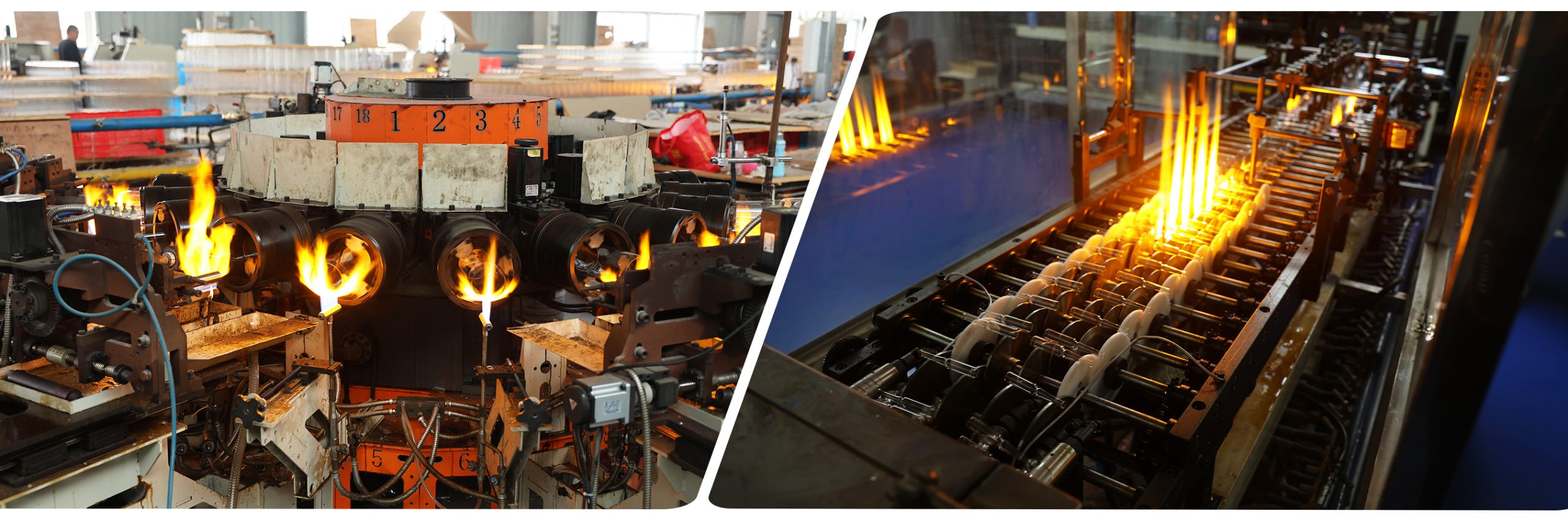
Not every glass factory has experience with sleeve integration. Look for a manufacturer that owns its molding and annealing lines rather than outsourcing, because consistent wall thickness directly affects how the sleeve seats on the bottle. A reliable supplier will hold certifications relevant to your market—FDA for the US, LFGB for Europe—and should be able to share recent test reports for heavy metal leaching and thermal shock. At our facility, we run 100 automated machines across 40,000 square meters, producing 200,000 pieces daily. We maintain 120 testing certifications and 32 intellectual property registrations, which signal a commitment to process control that a smaller operation may not match.
During supplier evaluation, ask for a pre-production sample that includes the sleeve applied exactly as it would be in the final shipment. This reveals fit tolerance, print alignment, and any assembly issues before the order scales.
What Customization Options Are Available for Your Glass Bottle and Sleeve?
Most of our OEM clients combine several custom choices to build a unique product. Bottle capacity commonly ranges from 400 ml to 1,000 ml, with wide-mouth or narrow-mouth openings depending on the intended use. The silicone sleeve can be ordered in any Pantone color, including translucent and metallic-effect finishes.
Logo application is another decision point. The table below compares the three methods we offer most frequently.
| الطريقة | المتانة | التفاصيل | الأفضل لـ |
|---|---|---|---|
| Silk Screen | عالية | Solid colors, simple logos | Large runs, promotional sets |
| Laser Engraving | Permanent | Fine lines, no added material | Premium branding, glass-only positions |
| Decal Transfer | متوسط-عالي | Full-color artwork with gradients | Photographic or complex designs |
Beyond decoration, clients often ask for custom packaging—foam inserts in a rigid box, retail-ready hang tags, or color sleeves around the box. These add perceived value and reduce damage during shipping, which is important when the product contains glass.
What Production Capacity and Lead Times Can You Expect?
A factory running multiple production lines can absorb large orders without delaying existing clients. Our daily output of 200,000 pieces means a standard container order of 30,000 bottles ships within 30 days after sample approval. Creating a new mold adds 25 to 30 days, depending on complexity, because the mold steel must be machined and polished before trial runs. The sample stage itself takes 7 to 10 days when using existing molds, and another round of review after mold modifications if the shape is new.
One practical tip: if you need to supply retail shelves for a fixed holiday window, build in an extra two weeks for shipping and customs clearance. A transparent timeline keeps inventory planning accurate.
How Do You Verify Quality from Sample to Bulk Shipment?
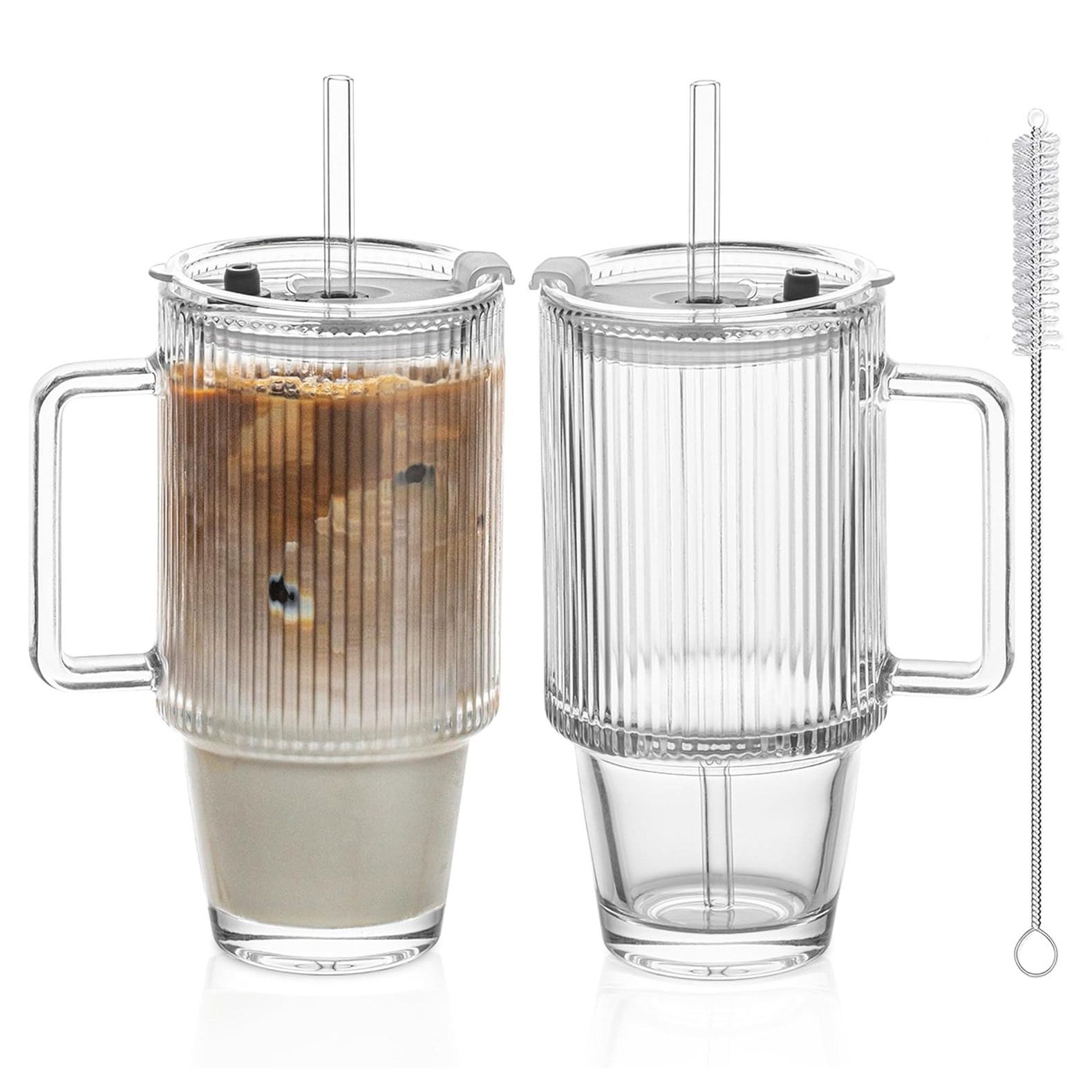
A quality control process that looks only at the final carton is reactive. We apply inspection gates at multiple points: raw material checks on the borosilicate glass composition, in-line monitoring of annealing profiles, and a 100% visual check after the sleeve is applied. Pre-shipment inspection pulls a random sample from the finished batch and verifies dimensions, thermal shock resistance, and sleeve adhesion under simulated use.
For buyers who cannot visit the factory, we offer video documentation of critical inspection steps. Ask for real-time photos of the annealing curve or a short clip of the drop test. These records are easy to produce and hard to fake, giving you confidence before you wire the balance payment.
Whether you are launching a new fitness brand or expanding a corporate gift program, the durability of your glass bottles starts at the production line. Share your part number and quantity with us at [email protected], and we will confirm stock availability and lead time.
Common Questions About OEM Glass Bottles with Silicone Sleeves
What is the minimum order quantity for custom glass bottles with silicone sleeves?
We accept orders as low as one piece for sampling, but bulk custom production typically starts at 1,000 pieces depending on the complexity of the mold and decoration. This number balances tooling costs with unit price. When you reach out with your target specs, we can quote both small trial batches and full container volumes.
Are the silicone sleeves dishwasher safe and heat resistant?
Yes. We use food-grade silicone that withstands dishwasher temperatures up to 100°C without deforming or releasing odors. The sleeve retains its elasticity through hundreds of wash cycles, so it does not become loose or crack. For bottles intended for dishwasher use, we recommend smooth sleeve surfaces without deep textured patterns that might trap water.
How long does it take to receive a custom sample?
Sample production with an existing mold takes 7 to 10 days, plus transit time. If a new mold is required, plan for 25 to 30 days for mold fabrication and the first trial run. We then ship the sample for your approval. Scheduling sample requests well before a major order deadline avoids production bottlenecks.
Can I combine different bottle sizes in the same shipment?
Absolutely. We can mix SKUs in one container as long as the total order volume meets the minimum container requirements. This flexibility lets you test multiple sizes or colors in your market without tying up inventory in a single variant. Let us know the specific sizes and sleeve colors you are considering, and we will confirm the container loading plan.
إذا كنت مهتماً، اطلع على هذه المقالات ذات الصلة:
أفضل برطمانات زجاجية للمربى وكيفية الحفاظ على نضارة المربى المعبأ بكميات كبيرة
ما الفرق بين البرطمانات الزجاجية والزجاجات الزجاجية؟
زجاجات مياه رياضية فاخرة مزودة بأغطية واقية