
 Arabic
  English
  Spanish
  German
 ترتبط سمعة أي علامة تجارية للعناية بالبشرة بتفاصيل حسية نادرًا ما يعبّر عنها المستهلكون صراحةً — مثل وزن العبوة في اليد، وسلاسة دوران الغطاء، وشفافية الزجاج التي تدل على النقاء. وعندما تفشل هذه العناصر، قد تتلاشى مصداقية حتى التركيبة الفاخرة. OEM برطمان زجاجيلذلك، يجب أن تلبي عبوات منتجات العناية بالبشرة متطلبين: التوافق الكيميائي مع المكونات التي غالبًا ما تكون تفاعلية، والشعور بالرفاهية اللمسية الذي يعزز القدرة على تحديد الأسعار. واستنادًا إلى خبرة تزيد عن عقد من الزمن في إنتاج الزجاج عالي البورسليكات، فقد رأيت العديد من العلامات التجارية تختار البرطمان بناءً على الجانب الجمالي وحده، لتكتشف لاحقًا أن الزجاج يتفاعل مع تركيبتها أو أن التباين بين الدفعات يضعف معايير علامتها التجارية. يحدد هذا الدليل المتطلبات المتعلقة بالمواد، واللوائح التنظيمية، والتخصيص، والجودة التي تهم على مستوى التصنيع — حتى تتمكن من تحديد مواصفات عبواتك بالدقة التي يستحقها منتجك.
ما هي المتطلبات المادية والتنظيمية التي تنطبق على البرطمانات الزجاجية المصنعة من قبل الشركات المصنعة للمعدات الأصلية (OEM) والمخصصة للعناية بالبشرة؟
يؤثر تكوين الزجاج بشكل مباشر على سلامة البرطمان وأدائه من حيث مدة الصلاحية. تُصنع معظم برطمانات مستحضرات التجميل من زجاج الصودا والجير، وهو مادة اقتصادية وقابلة لإعادة التدوير على نطاق واسع، لكن متانته الكيميائية قد تتأثر سلبًا بسبب المكونات الحمضية أو المخلبية مثل أحماض ألفا هيدروكسي (AHA) والريتينويدات وفيتامين C. ولضمان الاستقرار على المدى الطويل، يوفر زجاج البورسليكات (معامل تمدد 3.3) مقاومة فائقة للتحلل المائي وتحملًا حراريًّا عاليًا — فهو يتحمل التقلبات في درجات الحرارة أثناء التعبئة والشحن دون حدوث تشققات دقيقة، كما أنه أقل عرضة للتسرب. ينتج مصنعنا عبوات زجاجية عالية المحتوى من البورسليكات حاصلة على 120 شهادة اختبار من جهات خارجية، بما في ذلك شهادات إدارة الغذاء والدواء الأمريكية (FDA) وقانون الأغذية والأشخاص والأدوية الألماني (LFGB)، مما يضمن الامتثال لمعايير الأسواق في أمريكا الشمالية وأوروبا.
وبصرف النظر عن نوع الزجاج، فإن الامتثال للوائح التنظيمية أمر غير قابل للتفاوض. بالنسبة للولايات المتحدة، يجب أن يستوفي البرطمان متطلبات لائحة إدارة الغذاء والدواء (FDA) 21 CFR 175.300 فيما يتعلق بالتلامس مع الأغذية المائية والدهنية؛ وعلى الرغم من أن مستحضرات التجميل ليست أغذية، فإن معظم المستوردين يتبنون هذه المعايير كمعيار مرجعي لسلامة التلامس مع البشرة. تفرض لائحة الاتحاد الأوروبي (EC) 1223/2009 بشأن مستحضرات التجميل قيودًا صارمة على انتقال المعادن الثقيلة، مما ينظم بشكل فعال نقاء الزجاج. يزودك المصنع الذي يخضع لاختبارات LFGB أو SGS للتحقق من انبعاث الرصاص والكادميوم بالوثائق اللازمة لتلبية متطلبات الامتثال الخاصة بأمازون وتدقيقات المشترين بالتجزئة.
| المواد | مقاومة المواد الكيميائية | الصدمة الحرارية | التكلفة المعتادة (للبرطمان الواحد) | أفضل حالة استخدام |
|---|---|---|---|---|
| زجاج الصودا والجير | معتدل؛ تجنب التركيبات ذات درجة الحموضة المنخفضة أو المُخلبية | ضعيف؛ خطر الكسر عند درجات حرارة تزيد عن 60 درجة مئوية | $0.15–0.30 | الكريمات المخصصة للسوق الشامل، ذات مدة الصلاحية القصيرة |
| زجاج البورسليكات العالي | عالية؛ مقاومة للأحماض والقلويات والمواد الفعالة المعقدة | ممتاز؛ من -20 درجة مئوية إلى 300 درجة مئوية | $0.30–0.80 | السيرومات الفاخرة، والمنتجات التي تحتوي على مكونات فعالة، وعمليات التعبئة الساخنة |
| الزجاج الكهرماني (الصودا-الكلس) | مشابه للزجاج الصودا-الجيري المزود بحماية من الأشعة فوق البنفسجية | مثل الجير الصودي | $0.20–0.40 | التركيبات الحساسة للضوء (الريتينول، الزيوت العطرية) |
بالنسبة للعلامات التجارية التي تبيع منتجاتها في أستراليا أو الشرق الأوسط، أوصي بالتأكد من توفر شهادات دول مجلس التعاون الخليجي (GCC) أو معايير SABS لدى المورد قبل الالتزام بتصنيع القالب. غالبًا ما يتم تجاهل هذه الأمور إلى أن يتم رفض مستندات الشحن، مما يتسبب في تأخير يمتد لأسابيع.
كيف يمكنك تخصيص البرطمانات الزجاجية لعلامتك التجارية في مجال التجميل؟
يبدأ التخصيص قبل مرحلة التزيين: يجب أن يتوافق الشكل الأساسي للبرطمان وسعته وتصميم عنقه مع خط التعبئة الخاص بك وتوافق الأغطية. لقد طورنا قوالب مخصصة لسعات تتراوح من عبوات كريم سعة 15 مل إلى عبوات زبدة الجسم سعة 250 مل، مع أقطار عنق تتراوح من 48 مم إلى 89 مم لتناسب المضخات الخالية من الهواء الشائعة، وأغطية التوزيع، والأغطية الخشبية. يتراوح استثمار القالب المخصص عادةً بين $800 و$3,000 اعتمادًا على درجة التعقيد وعدد التجاويف، ولكنه يتيح تصميمات حصرية لا يمكن تقليدها بسهولة — وهي ميزة استراتيجية لعلامات العناية بالبشرة الخاصة.
بمجرد تحديد شكل الزجاجة، تعمل التشطيبات السطحية والزخارف على نقل هوية علامتك التجارية إلى الزجاج نفسه. ويمنح التلميع — الذي يتم تحقيقه من خلال الحفر بالحمض أو السفع الرملي — مظهرًا ناعمًا غير لامع يخفي بصمات الأصابع ويضفي طابعًا جماليًا مستوحى من صيدليات العصور القديمة. يمكن للطباعة بالشاشة الحريرية باستخدام أحبار خزفية طباعة شعارك بلون واحد أو لونين، وستتحمل الغسل المتكرر والتلامس مع المنتج دون أن يتلاشى لونها، على عكس الملصقات الورقية. يخلق النقش بالليزر علامة دقيقة ودائمة مناسبة للخطوط الفاخرة حيث تهم التفاصيل الدقيقة. ويحظى الختم الساخن على كامل جسم الزجاجة باللون الذهبي أو الفضي بشعبية كبيرة في شرائح الأسواق الشرق أوسطية والآسيوية.
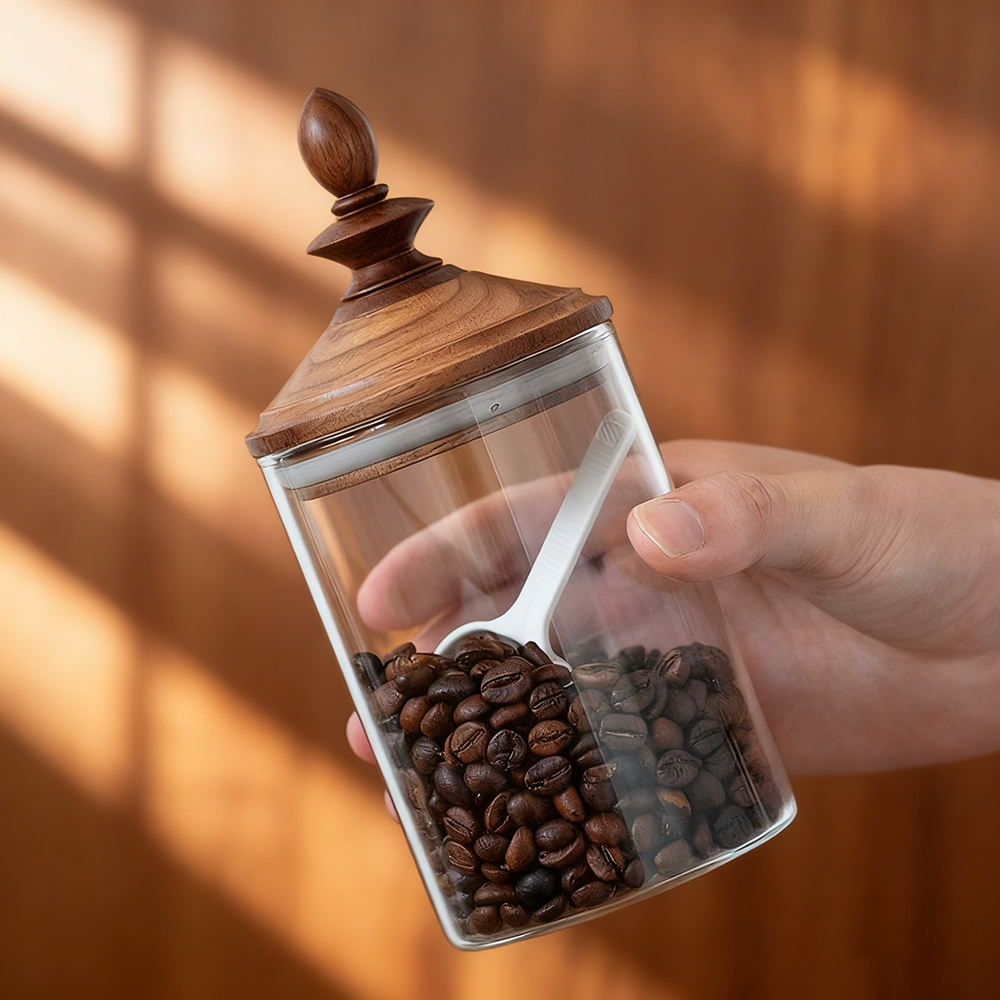
يُعد اختيار الأغطية قرارًا منفصلاً له آثار وظيفية. يضفي الغطاء المصنوع من الخيزران أو الخشب مظهرًا طبيعيًا وصديقًا للبيئة، ولكنه قد لا يوفر الإغلاق المحكم الذي يضمنه الغطاء البلاستيكي أو المعدني الملولب المزود ببطانة من السيليكون. بالنسبة للسيرومات والمستحضرات التي تتطلب حفظًا ثابتًا، نوصي دائمًا باستخدام غطاء من الفولاذ المقاوم للصدأ 304 مزود بحشية داخلية من السيليكون، والذي يمكن تخصيصه بنقش شعارك عليه.
ما الذي يجب أن تبحث عنه في شركة تصنيع برطمانات زجاجية أصلية (OEM)؟
يُعطيك قسم الإنتاج في المصنع فكرة أوضح عن جودة البرطمانات المستقبلية أكثر من أي كتيب مبيعات. وتشمل المعايير الرئيسية وجود فرن تلدين وقدرته على التحكم في درجة الحرارة — فإذا لم يتم تلدين الزجاج بشكل صحيح، فإن الإجهاد المتبقي سيؤدي إلى حدوث تشققات أثناء النقل أو عند تعبئته بمنتج ساخن. تستخدم منشأتنا فرن تلدين مستمر مزود بنظام تحكم متعدد المناطق، مما يقلل الإجهاد الداخلي إلى أقل من 10 نانومتر/سم، وهو ما يقل بكثير عن المعيار الصناعي الذي يتراوح بين 20 و30 نانومتر/سم. اطلب من أي مورد منحنى التلدين الخاص به؛ فإذا لم يتمكن من تقديمه، فمن المرجح أن يكون زجاجه غير متسق من حيث المتانة.
بالإضافة إلى عملية التلدين، يجب النظر إلى القدرة الإنتاجية المتكاملة. فالمصنع الذي يمتلك ورشة قوالب خاصة به، وخطوط ضغط أو نفخ آلية، ووحدة تزيين داخلية، يمكنه تقصير مدة التسليم وممارسة رقابة أفضل على الجودة. تبلغ مساحة مصنع Xuzhou Jianmei Glass 40,000 متر مربع ويضم 100 آلة متطورة، ويُنتج 200,000 قطعة يوميًا، مما يعني أن طلبك لن يُهمل عند ارتفاع الطلب. كما أننا نمتلك 45 براءة اختراع متعلقة بالمظهر، وهو ما يدل على أن المصنع يستثمر في ابتكار التصميم، وليس فقط في حجم الإنتاج.
تُعد الشهادات دليلاً موجزاً على الامتثال، ولكن يجب التحقق من صحتها بالنسبة للمنشأة المعنية. فوجود شهادة ISO 9001 سارية المفعول، إلى جانب التسجيل لدى إدارة الغذاء والدواء الأمريكية (FDA) وتقارير اختبارات قانون الأغذية والمشروبات الألماني (LFGB) الصادرة خلال الـ 12 شهراً الماضية، يشير إلى وجود رقابة مستمرة من جهة خارجية. أنصح المستوردين بطلب نسخة من أحدث تقرير تدقيق — فإذا ما تباطأ المصنع في تلبية هذا الطلب، فهذا يعد علامة تحذير.
كيف تؤثر مراقبة جودة الإنتاج على علامتك التجارية للعناية بالبشرة؟
قد تؤدي التباينات في جودة البرطمانات الزجاجية إلى الإضرار بخط منتجات العناية بالبشرة بطرق تظهر مباشرة للمستخدم النهائي — مثل غطاء لا يتوافق مع الخيوط، أو برطمان يتشقق عند الحافة، أو قاعدة تتمايل على سطح مستوٍ. وتُعزى هذه العيوب مباشرةً إلى ثغرات في مراقبة الجودة: مثل تجاوز التفاوتات في الأبعاد 0.3 مم، أو عدم اكتمال عملية التلدين، أو وجود تلوث في مادة فصل القالب التي تترك بقايا.
في مصنعنا، تخضع كل دفعة إنتاجية لثلاث مراحل فحص: (1) مقاييس «مقبول/غير مقبول» لإنهاء العنق والقطر، (2) اختبار الصدمة الحرارية على 5% من البرطمانات في كل دورة إنتاج، و(3) الفحص البصري تحت إضاءة LED للكشف عن الفقاعات والشوائب والعيوب السطحية. نرفض الدفعات التي يتجاوز معدل العيوب فيها 1.5 وفقًا لمعيار AQL. إذا كان برنامجكم يتضمن منتجات فاخرة للعناية بالبشرة ذات سعر تجزئة مرتفع، فمن المفيد التأكد من معيار أخذ عينات العيوب وما إذا كان المصنع يستخدم الفحص الآلي بالكاميرا. تواصلوا مع فريقنا عبر البريد الإلكتروني [email protected] مع تحديد مستوى العيوب المستهدف، وسنقوم بمشاركة أحدث البيانات المتعلقة بقدراتنا.
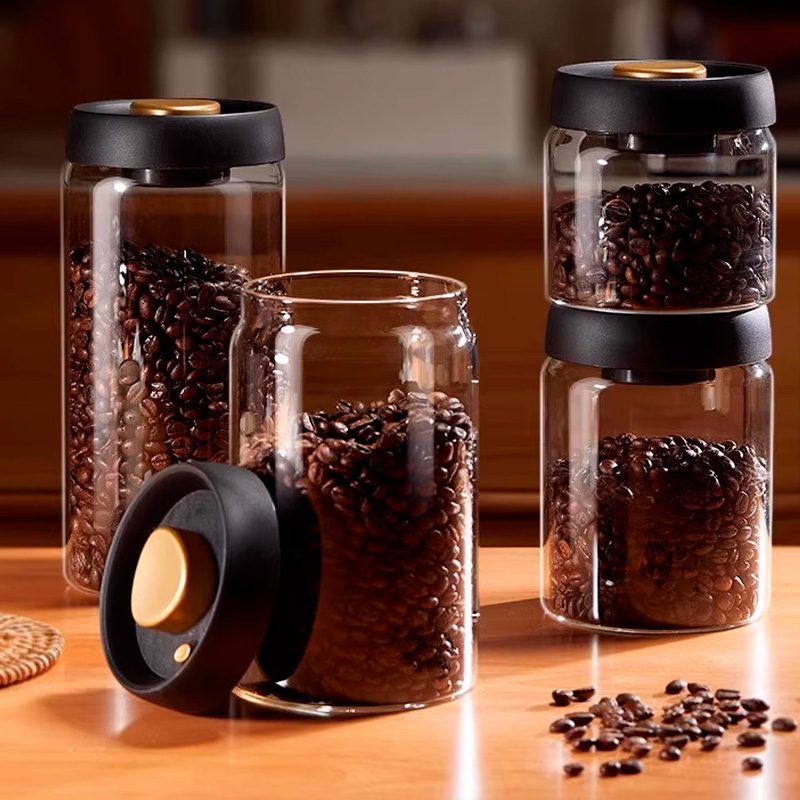
تعد سلامة الختم عاملاً آخر غير مرئي. فوعاء الكريم الذي يبدو مثاليًّا ولكنه يسمح بتسرب الرطوبة سيؤدي إلى تدهور المكونات الفعالة للمنتج في غضون أسابيع. ونقوم باختبار الضغط لمجموعات الأوعية والأغطية باستخدام انخفاض تفاضلي في الفراغ عند -0.5 بار لمدة 30 ثانية، ونرفض أي تسرب يتجاوز 3% من الوحدات المختومة. هذا المستوى من الاختبار ليس شائعًا؛ حيث تعتمد العديد من المصانع الصغيرة على طريقة بسيطة تتمثل في “الرج والتحقق”، والتي لا تكتشف التسربات الدقيقة. لذا، يجب الإصرار على الحصول على معايير اختبار الإغلاق الموثقة عند شراء البرطمانات الزجاجية للتركيبات الحساسة.
ما هي الخطوات اللازمة لبدء مشروعك الخاص بالبرطمانات الزجاجية المخصصة؟
- حدد متطلباتك الفنية والجمالية. يرجى تحديد نوع الزجاج، والسعة (بالمليلتر أو الأونصة)، ونوع وقطر فتحة العنق، ونوع الغطاء المطلوب، وطريقة الزخرفة، والمعايير التنظيمية المطلوب الامتثال لها. كلما زادت دقة المعلومات التي تقدمها مسبقًا، زادت سرعة إصدار عرض الأسعار الخاص بك.
- اطلب إجراء اختبار تجريبي. حتى في حالة وجود قالب جاهز، اطلب 5 إلى 10 عينات إنتاجية مزودة بالزخرفة التي تريدها. اختبرها باستخدام الحشوة الفعلية للمنتج، وقم بإجراء اختبار الاهتزاز للتأكد من ملاءمتها للنقل، وتحقق من عزم إحكام الغطاء بعد التعرض لدورات حرارية.
- تقييم العينة وتحسينها. لا تستعجل في هذه الخطوة. غالبًا ما نوفر 2–3 جولات من التكرار لأن التعديلات الطفيفة — مثل تغيير مسافة الخيط في غطاء الزجاجة بمقدار 0.5 مم — يمكن أن تقضي على مشاكل إغلاق العبوات في خطوط التعبئة عالية السرعة.
- الاتفاق على معايير الفحص وشروط الدفع. يرجى تحديد مستوى AQL ومواصفات التعبئة والتغليف وفترة تاريخ الشحن في الفاتورة الأولية. تبلغ مدة التسليم المعتادة لدينا 25–35 يومًا اعتبارًا من تاريخ الموافقة على القالب، مع حد أدنى للطلب يبلغ قطعة واحدة فقط للطلبات التجريبية — وهي مرونة نادرة جدًّا في صناعة الزجاج.
- الإنتاج الضخم وفحص ما قبل الشحن. نرحب بوجود مفتش من جهة خارجية أو بإجراء الفحص عبر الفيديو من جانبنا أثناء مرحلة الإنتاج، كما نقدم قائمة تفصيلية بالمحتويات مصحوبة بصور لوكيل الشحن الخاص بكم.

ابدأ مشروعك الخاص بصناعة البرطمانات الزجاجية وفقًا لمعايير OEM
قد يؤدي اختيار البرطمان الزجاجي غير المناسب لتركيبة العناية بالبشرة إلى الإضرار بأداء المنتج وتقويض ثقة المستهلك — وهي مشكلات لا يمكن لأي حملة تسويقية إصلاحها. من خلال الشراكة مع شركة تصنيع تتحكم في عمليات التلدين والتفاوتات المسموح بها والتزيين تحت سقف واحد، ستحصل على رؤية شاملة للعملية من البداية إلى النهاية وسرعة أكبر في طرح المنتج في السوق. أرسل السعة المستهدفة، وشكل عنق البرطمان، ومفهوم الزخرفة إلى [email protected]. سنرسل إليك خطة إنتاج نموذجية وعرض أسعار مفصّل في غضون يومي عمل، مستعينين بنفس المعدات التي تنتج 200,000 قطعة من الزجاج عالي البورسليكات يوميًا.
أسئلة شائعة حول البرطمانات الزجاجية المصنعة من قبل الشركات المصنعة للمعدات الأصلية (OEM) المخصصة للعناية بالبشرة
ما هي الكمية الدنيا للطلب بالنسبة للبرطمانات الزجاجية المخصصة المصنعة حسب طلب العميل (OEM)؟
We accept a minimum order quantity of just 1 piece for sample trials. For mass production, the MOQ depends on the mold and decoration complexity, typically starting at 5,000 units for a custom jar with silk‑screen printing. This low entry barrier allows startups and indie brands to test the market before committing to large runs.
Will borosilicate glass jars look the same as ordinary glass jars?
Most consumers cannot tell the difference visually, but borosilicate glass has a slightly higher light transmittance and a more crystalline appearance due to its purity. Over time, it resists clouding better than soda‑lime glass, especially when exposed to acidic ingredients. For luxury brands, this maintained clarity supports the perception of product freshness.
What decoration techniques are most durable for cosmetic jars?
Ceramic silk‑screen printing offers the longest durability because the ink fuses with the glass surface during a tempering process. It resists scratching, solvent attack, and repeated washings. Laser engraving is permanent and suited for minimalist branding, but it doesn’t allow multi‑color graphics. Hot stamping provides a premium metallic finish, yet it can wear off with frequent handling, so we recommend it for limited‑edition collections where exclusivity matters.
How do I ensure the glass jar is compatible with my product’s preservative system?
The glass itself is inert, but the lid liner and any organic coatings on the glass must be checked. We provide full material declaration sheets (MDS) that list all substances in contact with the product, including the silicone seal and any decoration ink. Cross‑reference these with your preservative’s stability data, or send us your formula’s ingredient list and we’ll confirm compatibility, drawing on our test reports for common skincare actives.
What shipping precautions protect glass jars in transit?
We use individual cell partitions and reinforced outer cartons designed to pass ISTA 1A drop testing. For ocean freight, we further wrap cartons with moisture‑barrier film. If you need additional protection for high‑end retail packaging, we can add foam inserts and individually poly‑bag each jar. Share your distribution channel requirements and we’ll recommend a packaging configuration that keeps freight damage below 1%.
إذا كنت مهتماً، اطلع على هذه المقالات ذات الصلة:
استدامة المذاق لماذا تختار الزجاج
أكواب زجاجية من البورسليكات صالحة للاستخدام الغذائي ومقاومة للانفجار
دليل الموردين للمستوردين: الزجاجات المصنوعة من الفولاذ المقاوم للصدأ مقابل الزجاجات الزجاجية
وظيفة النمط الخاص بك دليل مصادر القارورة الحرارية