 Arabic
  English
  Spanish
  German
 يُعد فحص ما قبل الشحن لطلبات الأواني الزجاجية بوابة الجودة النهائية قبل مغادرة الحاوية للمصنع. كما أنه المرحلة التي تتحول فيها وعود الموردين الغامضة إلى حقائق قابلة للتحقق. لقد توليت إدارة إنتاج الزجاج عالي البورسليكات لأكثر من عشر سنوات، وأجد أن عمليات الفحص التي تمنع معظم المشكلات ليست معقدة أبدًا: بل هي محددة. يجب على المشترين الحضور مزودين بعينة معتمدة، ورسم أبعاد، وحد أقصى متفق عليه للعيوب. تشرح الأقسام أدناه كيفية فحص الأواني الزجاجية بالطريقة التي يتبعها مدير الإنتاج، بدءًا من قواعد أخذ العينات والفحوصات البصرية وصولاً إلى التعبئة والتغليف ووضع الملصقات وقرارات الإفراج عن الشحنة.
ما الذي يشمله فحص ما قبل الشحن لطلبات الأواني الزجاجية؟
لا يُعد الفحص السابق للشحن الخاص بطلبات الأواني الزجاجية مجرد عملية فحص واحدة؛ بل هو مراجعة منظمة للسلع النهائية بعد بدء التعبئة وقبل ختم الحاوية. يجب على المفتش التحقق من كمية الطلب، ورموز الأصناف، وأبعاد المنتج، والسعة، والمظهر الخارجي، ومدى ملاءمة الغطاء أو الفوهة، والملصقات، والتغليف الداخلي، ومتانة الكرتون، وعلامات الشحن. بالنسبة للزجاج البورسليكاتي، يجب أن يؤكد الفحص أيضًا أن الزجاج قد خضع لعملية التلدين بشكل صحيح. فالتلدين غير السليم يترك إجهادًا متبقيًا قد يظهر لاحقًا على شكل تشققات تلقائية، لذا فإن العينة المعتمدة لا تكفي إذا لم تخضع دفعة الإنتاج لنفس منحنى التلدين.
في مصنعنا، نتعامل مع عملية الفحص على أنها مراجعة من ثلاث مراحل: سجلات الإنتاج، وقياس العينات المادية، وسلامة التعبئة. توضح سجلات الإنتاج ما إذا كانت الدفعة متوافقة مع معايير أخذ العينات والتلدين. ويكشف القياس المادي أي انحراف في الأبعاد قبل وصول المنتج إلى العميل. أما سلامة التعبئة فتمنع حدوث أي تلف قد لا يُكتشف إلا عند وصول الطلب إلى الخارج.
ما هي عمليات الفحص التي تكشف عن معظم عيوب الأواني الزجاجية قبل التحميل؟
أسرع طريقة لتفويت عيب ما هي فحص الأواني الزجاجية دون اتباع نظام تصنيف العيوب. نحن نستخدم طريقة أخذ العينات وفقًا لمعيار ISO 2859-1 ونتفق على حدود AQL قبل بدء الإنتاج. وتخضع العيوب الكبرى، مثل الشقوق، والكسور على الحافة، والحواف الحادة، والفقاعات الشديدة، أو الأشكال المشوهة، لحدود أكثر صرامة، وعادةً ما تكون AQL 2.5. أما العيوب الطفيفة مثل الخدوش الخفيفة، أو الفقاعات الصغيرة، أو التباين الطفيف في سماكة الجدران، فتخضع لحد AQL 4.0. ولا يُسمح مطلقًا بالعيوب الحرجة: فلا يُقبل الزجاج المكسور، أو الحواف الحادة المكشوفة، أو التلوث المرئي. ويُعد الجدول أدناه مثالاً على التصنيف الذي نستخدمه.
| فئة العيوب | أمثلة على الأواني الزجاجية الشائعة | مرجع أخذ العينات | الإجراءات المتخذة في حالة الفشل |
|---|---|---|---|
| الحرجة | زجاج مكسور، حواف حادة، تلوث | تم فحص 100% | رفض أو تعليق |
| رائد | حافة متشققة، فقاعة كبيرة، شكل مشوه | AQL 2.5 | الفرز وإعادة المعالجة |
| قاصر | خدش طفيف، فقاعة صغيرة، اختلاف طفيف في الجدار | AQL 4.0 | القبول مع ملاحظة |
| مستحضرات التجميل | اختلال محاذاة الملصق، تلطخ طفيف في الطباعة | AQL 4.0 | إعادة صياغة الملصقات |
إحدى النقاط التي غالبًا ما يتم تجاهلها هي المكان الذي يجب فحصه أولاً على الزجاج نفسه. ففي البرطمانات والأكواب والزجاجات المصنوعة من زجاج عالي البورسليكات، يُعد الحافة والقاع أكثر المناطق تعرضًا للضغط. تتشكل الحافة عند قطع الكتلة الزجاجية، أما القاع فهو المكان الذي يميل فيه التبريد إلى أن يكون غير متساوٍ. وإذا اجتازت هاتان المنطقتان الفحص، فعادةً ما يجتاز الجسم الفحص أيضًا. لقد رأيت مشترين يقضون وقتًا طويلاً في فحص لمعان السطح، فيغفلون عن شق دقيق يبدأ من أسفل القاعدة.
(س)
كيف ينبغي عليك فحص الجودة البصرية والأبعاد والوظيفية؟
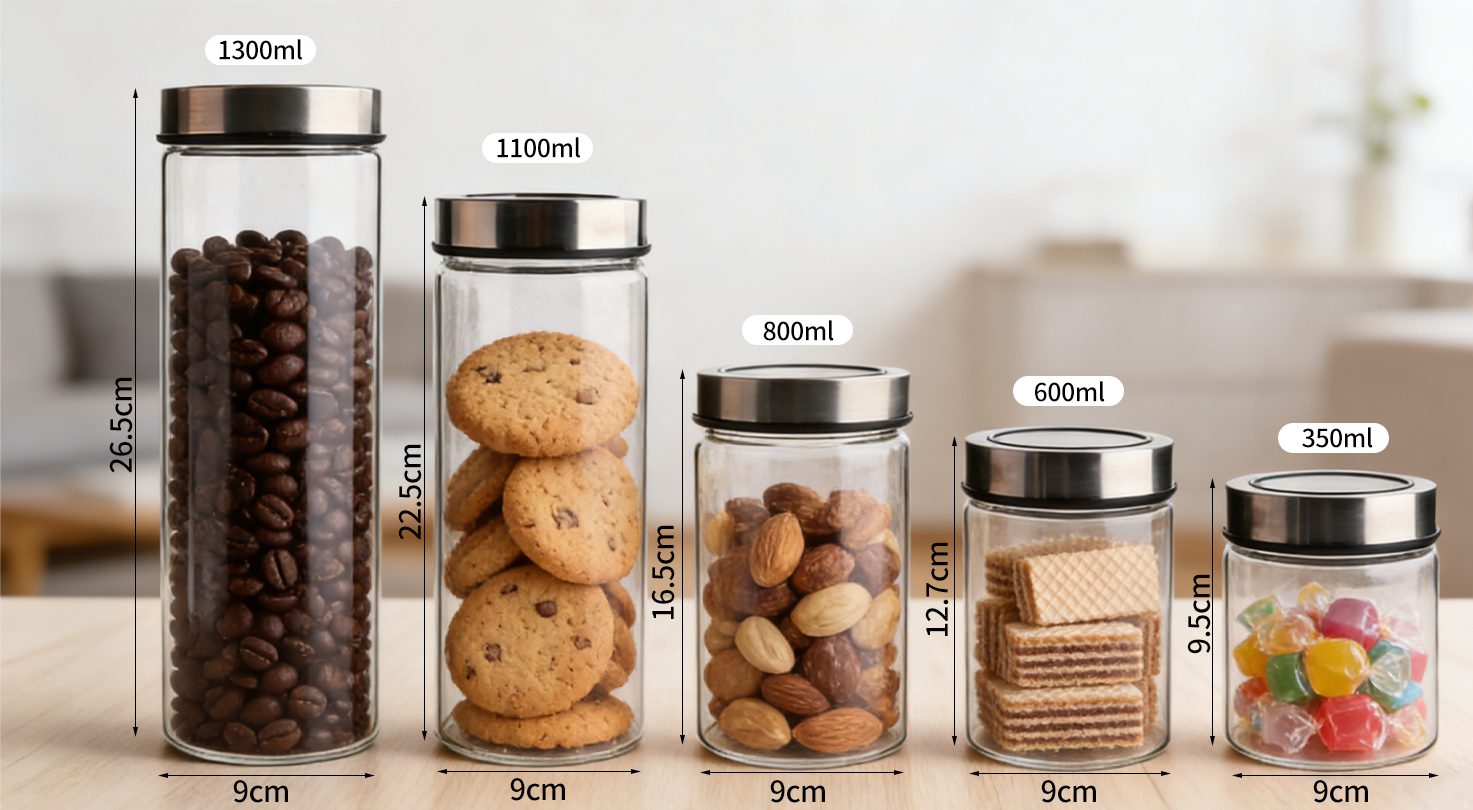
ابدأ بالطلب. احسب عدد الصناديق أولاً، ثم افحص عينة من القطع الموجودة بداخلها. إذا كان عدد الصناديق غير صحيح، فسيكون عدد القطع غير صحيح أيضًا. ثم انتقل إلى العينة المعتمدة. قارن اللون والوضوح والشكل ونوعية السطح في نفس ظروف الإضاءة التي من المرجح أن يراها المشتري. أ برطمان زجاجي قد تظهر في ضوء LED المصنعي أن هذه القطعة تبدو مقبولة، لكن في ضوء النهار قد تظهر أسلاكها أو قد يظهر عدم انتظام سماكة الجدران.
لإجراء الفحوصات الأبعاد، استخدم الفرجار وقارورة قياس السعة. تحقق من السعة والارتفاع والقطر وحجم الفتحة وفقًا للرسم. في الأواني الزجاجية، قد يؤدي اختلاف بمقدار ملليمتر واحد في حجم الفتحة إلى عدم إحكام إغلاق الغطاء. لقد رأيتُ تجاهل التفاوت المسموح به في الأغطية لأن البرطمان بدا سليمًا، ثم وصل الطلب بأغطية أصبحت فضفاضة بعد الاستخدام الأول.
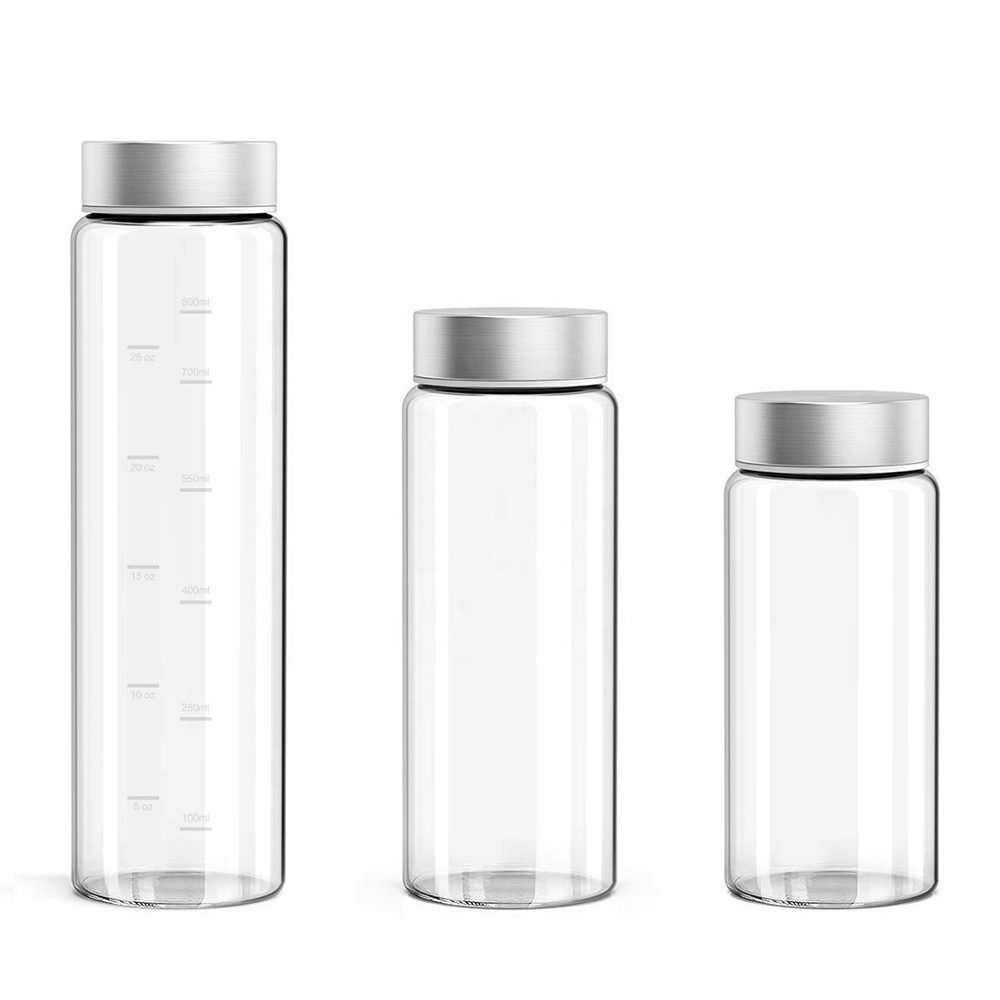
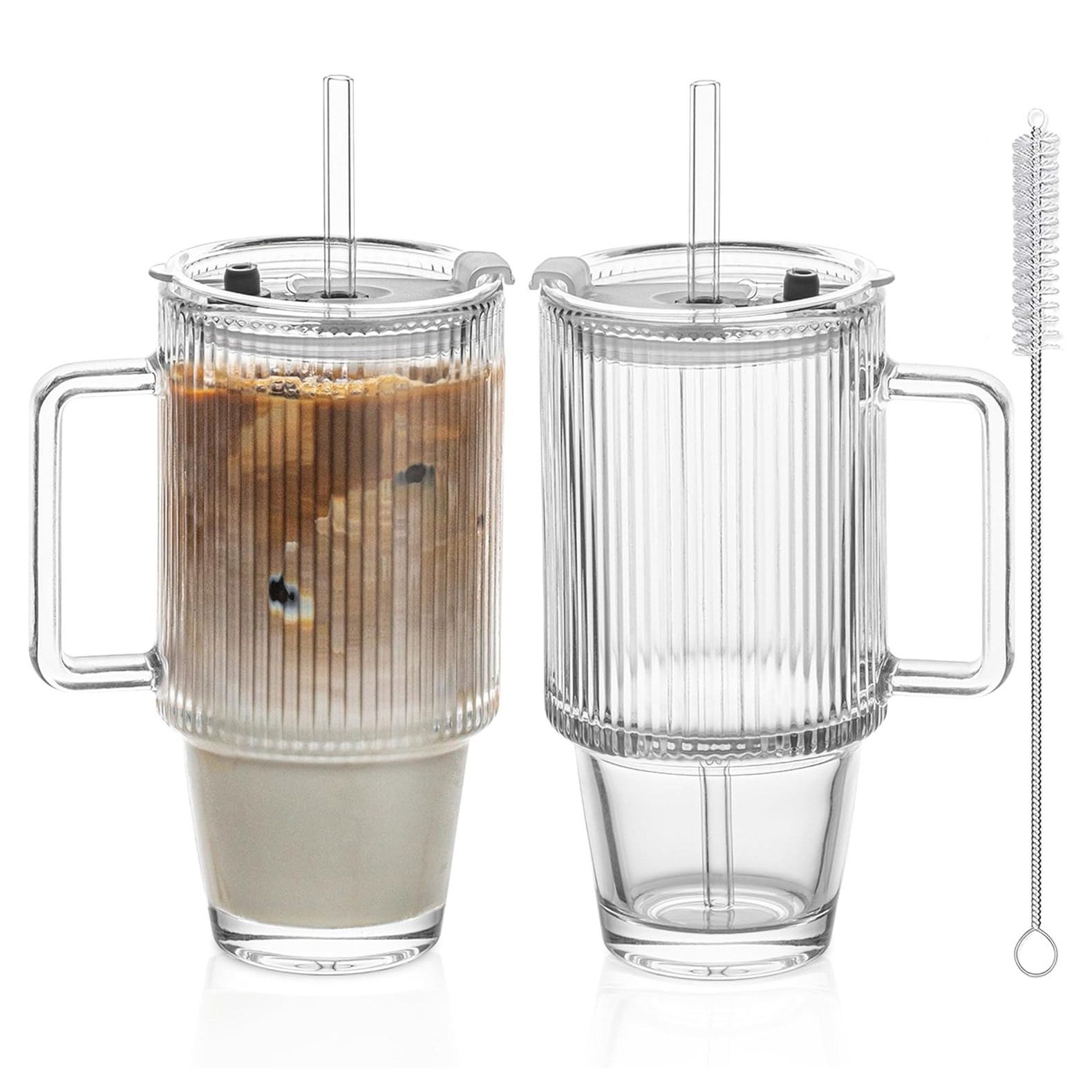
تعتمد الجودة الوظيفية على المنتج. بالنسبة لزجاجة المياه المصنوعة من زجاج البورسليكات، تحقق من ملاءمة الغطاء، وموضع حشية السيليكون، وعمل الفوهة، وما إذا كانت الزجاجة تقف بشكل مستوٍ. بالنسبة لوعاء التخزين، تحقق من ضغط إحكام الغطاء وحلقة الإحكام. بالنسبة للكوب المزود بمقبض، اسحب المقبض برفق وافحص نقطة التثبيت بحثًا عن أي شقوق أو فقاعات. يجب فحص الأداء الحراري على عينة من نفس الدفعة. الزجاج عالي البورسليكات المستخدم في أكوابنا وبرطماناتنا مصنّف لدرجات حرارة تتراوح من -20 درجة مئوية إلى 300 درجة مئوية، لكن هذا الأداء يعتمد على جودة التلدين وتجانس جدران المنتج، وليس على المادة الخام فحسب. إذا كان برنامجك يتضمن تعبئة بدرجات حرارة عالية أو تفاوتات ضيقة في الحافة، فتأكد من معلمات الأبعاد والتلدين قبل إتمام ملف الفحص. أرسل هذه المعلمات إلى [email protected].
كيف يمكنك التحقق من الامتثال لمعايير السلامة ووضع العلامات وتغليف الصادرات؟
يجب أن تتطابق وثائق السلامة مع المنتجات الموجودة في الصناديق، وليس فقط مع الملف العام للمصنع. قد يمتلك مورد زجاج البورسليكات العديد من الشهادات، لكن يجب على المفتش التأكد من أن تقرير الاختبار يشير إلى نفس المادة، ونطاق السعة، وتركيبة الغطاء أو الختم المذكورة في الطلب. تمتلك شركة Xuzhou Jianmei Glass Products 120 شهادة اختبار تغطي متطلبات إدارة الغذاء والدواء الأمريكية (FDA) وشهادة CE ومتطلبات التصدير ذات الصلة، ونحافظ على ربط ملفات الاختبار بفئات المنتجات حتى يتمكن المشترون من تتبعها أثناء التفتيش.
من السهل إغفال العلامات لأنها توضع على الرف وليس داخل المنتج. تحقق من رمز ملامسة الأغذية، والسعة، وعلامة المنشأ، وأي تحذيرات للمستهلكين يقتضيها السوق المقصود. فقد تؤدي العلامات غير الصحيحة أو المفقودة إلى إيقاف الشحنة عند الجمارك حتى لو كان الزجاج نفسه سليمًا.
يجب فحص العبوات بنفس الدقة التي يتم بها فحص الزجاج. انظر إلى توزيع الفواصل، والتغليف الفردي، وضغط الكرتون. فالكرتون الذي ينهار أثناء النقل يتسبب في تلف قطع أكثر من أي عيب في التصنيع. قارن علامة الشحن بأمر الشراء وتأكد من أن المنصات ليست متدلية أو مغلفة بشكل غير محكم. بالنسبة لخطوط الإنتاج الهشة، نجري اختبار سقوط عينة من الكرتون قبل التعبئة النهائية.
ما الذي يجب عليك فعله بعد فحص ما قبل الشحن؟
معظم نتائج الفحص لا تقتصر على «مقبول» أو «غير مقبول»؛ بل هي قائمة بالشروط. يجب أن يغادر المشتري المصنع حاملاً تقرير فحص موقّعًا، وقائمة بالعيوب، وإجراءات تصحيحية متفق عليها. إذا كان الطلب يحتوي على عيوب جسيمة تتجاوز مستوى AQL، فيجب احتجاز الحاوية والمطالبة بالفرز أو إعادة التصنيع قبل التحميل. اطلب صورًا للقطع التي تمت إعادة تصنيعها وموعدًا لإجراء الفحص مرة أخرى.
إن إعداد موجز فحص واضح يقلل من هذا الخطر قبل وصول المفتش. إذا كانت طلبية الأواني الزجاجية الخاصة بك تتضمن أشكالًا مخصصة، أو تفاوتات ضيقة في الأغطية، أو ملصقات خاصة بسوق الوجهة تكون جديدة عليك، فيرجى إرسال رقم القطعة والكمية ومعيار الفحص إلى [email protected]. يمكننا إعداد قائمة مراجعة ما قبل الشحن وسجلات العينات حتى يعمل المفتش بناءً على بيانات إنتاج مؤكدة بدلاً من الافتراضات.
ما هي الأسئلة التي يطرحها المشترون بشأن فحص ما قبل الشحن لطلبات الأواني الزجاجية؟
هل يمكنني الاستعانة بشركة تفتيش خارجية لطلبات الأواني الزجاجية؟
نعم، وبالنسبة للطلبات الأولى، عادةً ما يكون هذا هو الخيار الأفضل لأن المفتش المستقل يكتشف النقاط التي يغفلها المورد. ومع ذلك، يجب أن يعمل المفتش استنادًا إلى العينة المعتمدة من جانبكم والحدود المكتوبة للعيوب. وبدون هذه الوثائق، سيقتصر تقرير الطرف الثالث على وصف ما لاحظه المفتش فقط، دون تحديد ما إذا كان ينبغي شحن الطلب أم لا. أرسل نفس موجز الفحص إلى المصنع قبل الزيارة.
كم عدد القطع التي يجب أن يفحصها المفتش؟
يعتمد ذلك على حجم الدفعة ومستوى المخاطرة الذي تحدده. وبموجب طريقة أخذ العينات وفقًا لمعيار ISO 2859-1، فإن الدفعة الأكبر لا تتطلب فحص نسبة أكبر بكثير؛ بل تتطلب عينة أكبر. أما بالنسبة للعيوب الحرجة، فإننا نفحص جميع القطع التي يمكن الوصول إليها. أما بالنسبة للعيوب الكبرى والعيوب الطفيفة، فإننا نطبق مستوى AQL المتفق عليه. ويُفضل معظم المشترين الحصول على عينة أصغر حجمًا ومحددة جيدًا مع تعريفات واضحة للعيوب، بدلاً من إجراء عد عشوائي كبير بدون قاعدة اتخاذ قرار.
ما هو العيب الأكثر شيوعًا الذي يُلاحظ في الأواني الزجاجية المصنوعة من البورسليكات؟
في سجلات الإنتاج لدينا، تتمثل المشكلات البصرية الأكثر شيوعًا في وجود فقاعات صغيرة، وتباين طفيف في سماكة الجدران، وتشوهات طفيفة في الحافة. وقد تظهر الفقاعات بالقرب من خط التماس القالب أو عند نقطة قطع الزجاج. وعادةً ما تكون الفقاعات الصغيرة القليلة والمحدودة مجرد عيوب تجميلية. أما تجمعات الفقاعات المركزة أو الفقاعات السطحية المفتوحة فتشكل خطرًا مختلفًا، خاصةً على الحافة أو عند مفصل المقبض. ولهذا السبب، فإن نظام تصنيف العيوب أكثر أهمية من مجرد عدد العيوب وحده.
متى يجب عليّ رفض شحنة من الأواني الزجاجية؟
يجب أن يستند قرار الرفض إلى فئة العيب، وليس إلى الانطباع العام عن الكرتونة. ويُعتبر الزجاج المكسور، أو الحواف الحادة المكشوفة، أو التلوث أسبابًا فورية لرفض الشحنة. كما تُعد العيوب الكبرى التي تتجاوز الحد الأقصى المسموح به (AQL) المتفق عليه، أو أي عيب يؤثر على سلامة ملامسة الأغذية، أسبابًا لرفض الإفراج عن الشحنة. قم بحجز الحاوية واطلب الفرز أو إعادة التصنيع قبل التحميل. إذا كانت طلباتك تتضمن أواني زجاجية بوروسيليكاتية مصنوعة حسب الطلب، فيُرجى إرسال متطلبات الفحص الخاصة بك إلى [email protected] حتى نتمكن من تأكيد قائمة التحقق قبل الشحن قبل وصول المفتش الخاص بك.
إذا كنت مهتماً، اطلع على هذه المقالات ذات الصلة:
اختيار مصنع تصنيع الزجاج الصيني
why risk bpa embrace glass 100 safe sustainable and stylish
خمس نقاط رئيسية للعروض الترويجية على مدار العام