
 Arabic
  English
  Spanish
  German
 The private label glassware space has quietly become one of the more interesting corners of the housewares industry. What started as a cost-saving alternative for retailers has evolved into a legitimate brand-building strategy, particularly in North American and European markets where consumers have grown comfortable—even enthusiastic—about store brands and direct-to-consumer offerings. The economics work, the quality has caught up, and the customization possibilities now rival what traditional branded manufacturers offer.
Why Private Label Glassware Keeps Gaining Ground
Private label glassware market trends point in one direction: up. The shift isn’t mysterious. Consumers have become more value-conscious without sacrificing their expectations for quality. They want products that look good, perform well, and don’t carry inflated price tags driven by marketing budgets rather than material costs.
E-commerce glassware sales have amplified this dynamic considerably. When a brand can reach customers directly through online channels, the traditional retail markup structure becomes optional rather than mandatory. Private label operators have seized this opportunity, building product lines that compete on merit rather than shelf placement deals.
The appeal for retailers and emerging brands comes down to control. Private label models let businesses dictate specifications, set pricing strategies, and build genuine brand equity rather than simply reselling someone else’s products. Consumer preferences for glassware have also shifted toward durability, sustainability, and distinctive aesthetics—all areas where customized manufacturing shines.
 Getting Quality and Compliance Right from the Start
Market entry into the US and EU demands serious attention to standards. This isn’t optional complexity—it’s the baseline for legitimate participation in these markets.
Borosilicate glass manufacturing requires precision at every stage. The material itself offers excellent thermal properties, but those advantages only materialize when production processes maintain tight tolerances. Custom glassware production without robust quality control in glass production is essentially gambling with your brand reputation.
OEM glassware solutions must satisfy specific regulatory frameworks. FDA approved glassware standards govern US market access, while CE certified glass products are the entry ticket for European distribution. These aren’t bureaucratic formalities—they represent genuine safety and quality thresholds that protect consumers and, by extension, the brands serving them.
Manufacturing operations that take compliance seriously invest in testing infrastructure. Holding 120 testing certifications, including FDA and CE approvals, reflects that commitment. The intellectual property side matters too: 45 appearance patents and 32 IP rights protect both product designs and the partners who build their businesses around them. Heat-resistant glass products and cold-resistant glass containers made from 3.3 borosilicate glass deliver the performance these certifications verify.
How can private label glassware brands ensure product quality and compliance in the US and EU markets?
Start with manufacturing partner selection. The compliance record and testing protocols of your supplier determine your own compliance posture. Thorough supplier vetting for glassware isn’t due diligence theater—it’s risk management.
Manufacturers should provide glassware testing certifications covering every product in your line. Regular facility audits catch drift before it becomes a problem. Regulatory compliance glassware EU requirements and FDA glassware standards aren’t static, so your partners need systems that track and adapt to changes. This approach costs more upfront but prevents the catastrophic expenses of recalls, liability claims, and reputation damage.
Building Supply Chains That Actually Work
Global glassware exports depend on logistics that can handle complexity without creating bottlenecks. Supply chain resilience in glassware manufacturing has become a competitive differentiator, particularly after recent years demonstrated how quickly disruptions cascade through poorly designed networks.
Managing glassware imports/exports effectively requires experience with customs procedures, shipping logistics, and the documentation requirements that vary by destination. Flexible minimum order quantity options matter for businesses at different scales—large distributors need volume efficiency while emerging brands need small batch glassware orders that don’t require warehouse-filling commitments.
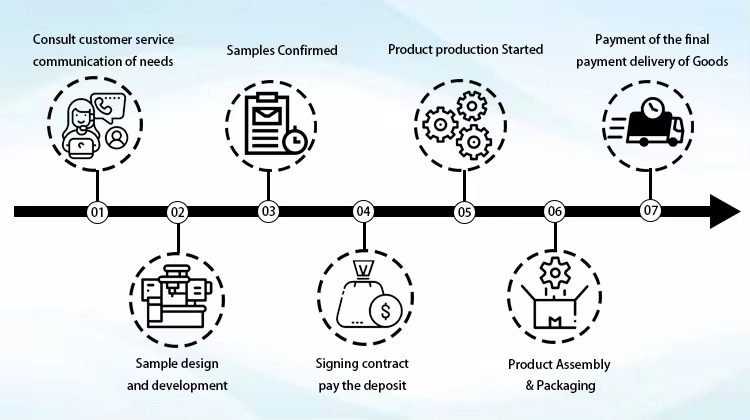
Customization capabilities separate generic suppliers from genuine partners. Extensive glassware customization services let brands create products that reflect their specific vision rather than selecting from predetermined catalogs. Custom logos, varied capacities, and lid options transform commodity products into branded offerings. Direct factory supply eliminates intermediary markups, making cost-effective glassware sourcing achievable without sacrificing quality.
| نوع المنتج | نطاق السعة | خيارات التخصيص | الميزات الرئيسية |
|---|---|---|---|
| زجاجة مياه زجاجية | 500ml, 420ml-1000ml | الجسم، والشكل، والحجم، والشعار | BPA-free, Eco-friendly, Leak-proof |
| كوب زجاجي | 300ml-1000ml | الشعار، السعة، الغطاء | Heat-resistant, Leak-proof, Food-grade |
| Glass Tea Tumbler | 420 مل، 500 مل، 1000 مل | Body, Shape, Opening | Wide mouth, Heat-resistant, Recyclable |
| Food Storage Canister | قابل للتخصيص | الهيكل، الشكل، السعة | صديقة للبيئة وقابلة لإعادة التدوير |
Where Innovation Creates Competitive Distance
Brand differentiation glassware requires more than logo placement. Continuous glass product development and material exploration separate brands that lead from those that follow. Private label kitchenware benefits enormously from designs and material properties that competitors can’t easily replicate.
Sustainable glassware options have moved from niche preference to mainstream expectation. Consumers increasingly factor environmental impact into purchasing decisions, and glass—inherently recyclable and durable—fits this shift well.
Borosilicate glass exemplifies material-driven differentiation. Its thermal resistance spans -20°C to 300°C, making it suitable for applications from freezer storage to hot beverage service. This versatility appears across product categories: borosilicate glass jars, water bottles, and food storage containers all benefit from the material’s properties.
The 45 appearance patents covering diverse products—from glass jar suppliers to water bottle manufacturers—reflect ongoing investment in glassware innovation. كوب زجاجي wholesale options provide variety without requiring custom development for every SKU.
What are the emerging trends in materials and design for private label glassware that drive consumer demand?
Eco-friendly glassware materials and minimalist glassware design dominate current preferences. Consumers want functional glassware innovations that improve daily use without unnecessary complexity. Leak-proof seals and wide-mouth designs for easy cleaning represent practical improvements that justify premium positioning.
Lightweight construction without durability compromise remains an engineering challenge that rewards successful solutions. Smart glassware technology—temperature indicators, app connectivity—exists at the experimental edge, though mainstream adoption remains uncertain. These trends shape development priorities for private label brands watching where consumer attention moves next.
Finding the Right Manufacturing Partner
Selecting private label glassware manufacturers ranks among the most consequential decisions a brand makes. The right partner offers comprehensive glassware OEM services and custom glassware suppliers capabilities that match your ambitions.
Manufacturing partner selection criteria should emphasize experience depth and intellectual property strength. A decade of expertise combined with 32 IP rights indicates established capabilities and commitment to the business. Flexible service models—custom orders, sample services, varied MOQ structures—matter for brands at different growth stages.
Understanding private label vs. branded glassware positioning helps clarify strategic options. Private label doesn’t mean generic or inferior; it means building brand equity through products you control rather than products you license. The partnership approach that works focuses on supporting brand vision from initial concept through market delivery.
What are the key advantages for businesses partnering with a specialized glassware manufacturer for private label products?
Cost savings private label production offers the most obvious advantage—eliminating brand licensing fees and marketing subsidies built into traditional branded products. Access to advanced technology and specialized expertise without capital investment accelerates capability building.
Faster product launch glassware timelines result from working with partners who have solved manufacturing challenges before. Expert glassware production ensures consistent quality and compliance without requiring internal expertise development. The collaboration enhances market competitiveness and brand reputation simultaneously.
Forge Your Private Label Success with Xuzhou Jianmei Glass Products Co., Ltd.
As a leading glassware manufacturer with over a decade of expertise, Xuzhou Jianmei Glass Products Co., Ltd. is your strategic partner for navigating the thriving US and EU private label markets. Our commitment to quality, innovation, and compliance is backed by 45 appearance patents, 32 IP rights, and 120 testing certifications (FDA, CE). With a daily production capacity of 200,000 pieces and flexible custom, OEM, and sample services, we empower brands to realize their vision. From heat/cold-resistant borosilicate glass jars to bespoke water bottles and cups, discover how our advanced capabilities and global reach can elevate your brand. Contact us today at [email protected] for a bright and prosperous collaboration, starting from just a 1-piece minimum order.
Frequently Asked Questions About Private Label Glassware
What are the primary benefits of launching a private label glassware brand in the US or EU?
Higher profit margins top the list—you capture value that would otherwise flow to brand owners and intermediaries. Greater brand control lets you respond to market shifts without waiting for supplier product cycles. Building genuine customer loyalty around products you own creates long-term business value that reselling branded goods never achieves. The overhead savings compared to traditional brand development can be substantial when you leverage established manufacturing capabilities.
How important is borosilicate glass for private label products, especially for heat and cold resistance?
Borosilicate glass matters significantly for products facing thermal stress. Water bottles that hold hot coffee, food storage that moves between freezer and microwave, coffee cups that won’t crack under temperature swings—all benefit from the material’s thermal shock resistance. The durability and non-leaching properties also support premium positioning in markets where consumers scrutinize safety credentials. For private label brands targeting quality-conscious US and EU consumers, borosilicate often represents the right material choice.
What kind of customization options are available for private label glassware orders?
The range extends from fundamental design changes—unique molds and shapes—through branding elements like logos, colors, and finishes, to packaging that reinforces brand identity at unboxing. Comprehensive OEM and custom order services from manufacturers like Xuzhou Jianmei Glass Products Co., Ltd. let brands create products that precisely match market positioning rather than adapting generic offerings. The customization depth available today rivals what major brands achieve through captive manufacturing.