
 Arabic
  English
  Spanish
  German
 إن إطلاق علامة تجارية للسلع المنزلية تتضمن مجموعة كاملة من أدوات المطبخ الزجاجية يعني الاهتمام باختيار الموردين بشكل صحيح منذ اليوم الأول. لقد شاهدت علامات تجارية تتعثر لأنها استعجلت في هذه المرحلة، ورأيت علامات أخرى تبني مكانتها في السوق على المدى الطويل لأنها تعاملت مع اختيار الموردين وتطوير المنتجات بنفس الجدية التي تعاملت بها مع التسويق. وعادةً ما يكمن الفرق في مدى دقة التفكير في اختيار المواد، والشراكات التصنيعية، وأنظمة الجودة قبل تقديم أول طلب شراء بالجملة.
بناء خط منتجاتك من أدوات المطبخ الزجاجية انطلاقًا من رؤية واضحة للمنتج
تتشكل مجموعة أدوات المطبخ الزجاجية عندما تعرف بالضبط ما الذي تصنعه ولماذا. تتكامل هنا أبحاث السوق وهوية العلامة التجارية — فهما يحددان كل شيء بدءًا من مواصفات المنتج وصولاً إلى درجات جودة المواد. إن إرساء هذا الأساس بشكل صحيح أمر أكثر أهمية مما تدركه معظم العلامات التجارية، لأن تغيير المسار بعد الالتزام بالقوالب ودورات الإنتاج يصبح مكلفًا بسرعة.
اكتشاف الفجوة التي يمكن لعلامتك التجارية سدها
يكون الدخول إلى السوق أكثر نجاحًا عندما تحدد شيئًا محددًا مفقودًا. وهذا يعني دراسة اتجاهات المستهلكين، وتحديد ما يقدمه المنافسون، واكتشاف الاحتياجات التي لا يلبيها أحد بشكل جيد. ربما يكون ذلك أسلوبًا جماليًا معينًا يلقى صدىً لدى المشترين الأصغر سنًّا، أو ميزات وظيفية تفتقر إليها المنتجات الحالية. ويُشكّل هذا التحليل استراتيجيتك التمييزية ويمنحك أساسًا ملموسًا يمكنك البناء عليه. إن فهم ما يريده الناس فعليًّا — وليس فقط ما يتم بيعه بالفعل — هو ما يوجه خط الإنتاج بأكمله.
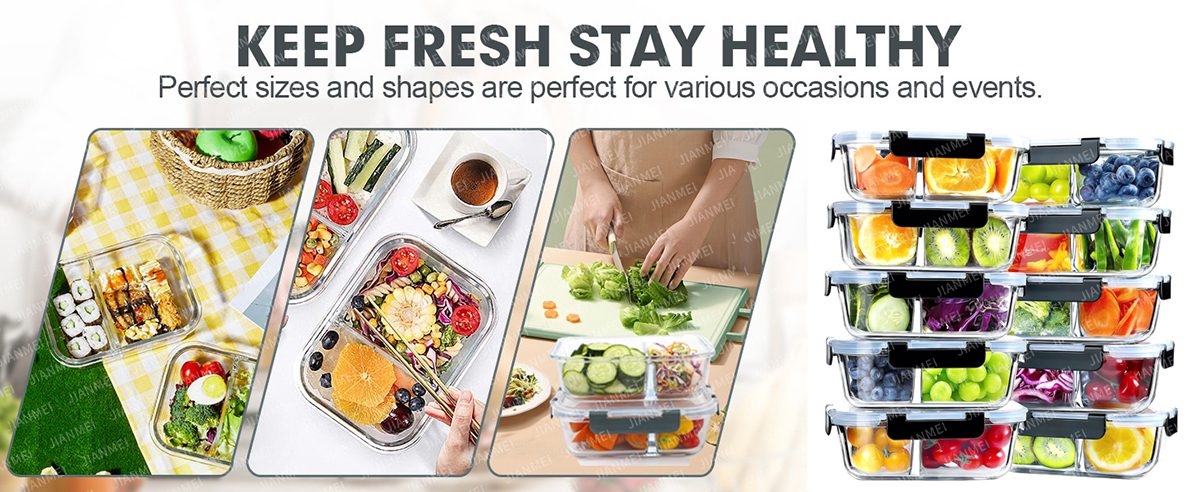
أسباب تفضيل الزجاج البورسليكاتي
يستحق زجاج البورسليكات سمعته الطيبة في مجال أدوات المطبخ الفاخرة لأسباب عملية. يتحمل هذا المادة درجات حرارة تتراوح بين -20 درجة مئوية و300 درجة مئوية، مما يعني أنه يمكن نقله من الفريزر إلى الفرن دون أن يتشقق. وتأتي هذه المقاومة للصدمات الحرارية من تركيبة الزجاج نفسه — حيث يخلق محتوى أكسيد البورون بنية تتمدد وتنكمش بشكل أكثر اتساقًا مقارنةً بالزجاج الصودا-الجيري القياسي. وبالإضافة إلى الأداء المتعلق بدرجات الحرارة، فإن زجاج البورسليكات غير سام، وأخف وزنًا مما قد تتوقع، ويتحمل الاستخدام اليومي. وتتوافق هذه الخصائص مع ما يتوقعه المشترون المعاصرون من أدوات المطبخ عالية الجودة: مواد آمنة، ومتانة حقيقية، وتعدد الاستخدامات عبر طرق الطهي المختلفة.
التحقق من مصنعي الزجاج بالطريقة الصحيحة
إن اختيار الشريك الصناعي المناسب هو ما يحدد ما إذا كانت خط إنتاج أدوات المطبخ الزجاجية الخاصة بك ستحقق النجاح أم ستواجه الصعوبات. وهذه ليست عملية يمكنك اختصارها. فالتقييم المنهجي للمصنعين المحتملين — من حيث قدراتهم وموثوقيتهم ومدى ملاءمتهم لاحتياجاتك الخاصة بأدوات المطبخ الزجاجية المخصصة — يتطلب وقتًا واهتمامًا. ومن خلال عملي مع العديد من العلامات التجارية في وضع استراتيجيات التوريد الخاصة بها، تعلمت العوامل التي تنبئ فعليًّا بنجاح الشراكة.
العوامل الرئيسية في اختيار الشركة المصنعة
إن اختيار شركة مصنعة للزجاج يتطلب الموازنة بين عدة معايير تؤثر بشكل مباشر على جودة المنتج وموثوقية الإنتاج. فالسمعة مهمة، لكن التكنولوجيا التي تستند إليها عملياتها وقدرتها على البحث والتطوير لا تقل أهمية. هل يمكنها التعامل مع تصاميم الزجاج المخصصة؟ هل تقدم خدمات عينات مناسبة؟ هل ستحمي ملكيتك الفكرية؟ وتكتمل الصورة بجودة التواصل وقدرتها على التوسع بالتوازي مع نمو شركتك.
| الاعتبارات | الوصف | الأهمية |
|---|---|---|
| الطاقة الإنتاجية | حجم الإنتاج اليومي والقدرة على تلبية الطلب. | عالية |
| التكنولوجيا والبحث والتطوير | الآلات الحديثة، والابتكار في تركيبة الزجاج وتصميمه. | عالية |
| الشهادات | تضمن شهادات FDA و CE و LFGB و SGS الامتثال للمعايير والسلامة. | الحرجة |
| التخصيص | خدمات تصنيع المعدات الأصلية (OEM) وتصنيع التصميمات الأصلية (ODM)، والقدرة على إنتاج قوالب وتصميمات خاصة بالشركة. | عالية |
| مراقبة الجودة | الاختبارات الداخلية، والالتزام بالمعايير الدولية. | الحرجة |
| مدة التسليم | جداول إنتاج وتسليم فعالة لضمان الدخول إلى السوق في الوقت المناسب. | متوسط |
كيفية الاستفادة من التصميمات الأصلية (OEM) والتصميمات المخصصة لصالح علامتك التجارية
تصبح قدرات الشركة المصنعة في مجال التصنيع حسب الطلب (OEM) والتصميم المخصص ميزة تنافسية لك عند استخدامها بشكل صحيح. وهذا يعني التعاون في تصميمات حصرية، وتطوير قوالب خاصة بعلامتك التجارية، وتحديد الميزات التي تميز برطماناتك الزجاجية وزجاجاتك الزجاجية وأكوابك الزجاجية عن المنتجات العادية. يقوم المصنع المتميز بتحويل مواصفات منتجك إلى سلع نهائية مع حماية ملكيتك الفكرية من خلال براءات اختراع التصميم. تدعم شركة Xuzhou Jianmei Glass Products هذا النوع من التعاون، حيث تحول المفاهيم إلى منتجات زجاجية مخصصة عالية الجودة مع توفير الحماية المناسبة للملكية الفكرية.
أنظمة الجودة، والامتثال، وحماية ما أنجزته
تشكل الرقابة الصارمة على الجودة، والامتثال للوائح التنظيمية، وحماية الملكية الفكرية العمود الفقري لأي إطلاق ناجح لعلامة تجارية. فهذه العناصر ليست مجرد بنود يجب تحديدها في قائمة — بل هي ما يحافظ على سلامة منتجاتك، وسمعة علامتك التجارية، ويمنع نسخ تصميماتك. إن النجاح في تحقيق ذلك يقلل من المخاطر ويبني ثقة المستهلك التي تدعم استمرار علامة تجارية للسلع المنزلية على المدى الطويل.
دمج الجودة والامتثال في عملياتك
تتطلب الجودة والامتثال للمعايير في خط إنتاج أدوات المطبخ الزجاجية اهتمامًا على مستويات متعددة. ابدأ باختبار سلامة المواد للتأكد من خلو المنتجات من مادة BPA والرصاص. قم بتطبيق أنظمة إدارة الجودة التي تغطي عملية الإنتاج بأكملها، بدءًا من فحص المواد الخام وصولاً إلى التعبئة والتغليف النهائي. احصل على الشهادات التي تتطلبها أسواقك المستهدفة — موافقة إدارة الغذاء والدواء الأمريكية (FDA) للولايات المتحدة، وعلامة CE لأوروبا. توفر الاختبارات التي تجريها جهات خارجية تحققاً مستقلاً من أن منتجاتك تفي بالمعايير الدولية ولوائح الاستيراد. ويحمي هذا النهج المستهلكين ويضمن مرور منتجاتك عبر الجمارك دون أي مشاكل.
حماية تصاميمك وهويتك التجارية
تعد حماية تصاميمك الفريدة أمراً أكثر أهمية مما تدركه العديد من العلامات التجارية الجديدة. تغطي براءات التصميم أدوات المطبخ الزجاجية المسجلة الملكية، بينما تحمي العلامات التجارية هوية علامتك التجارية. تأخذ شركة «شوزو جيانمي للمنتجات الزجاجية» حماية الملكية الفكرية على محمل الجد، حيث تمتلك 45 براءة اختراع خاصة بالمظهر و32 حقًا من حقوق الملكية الفكرية. ويضمن هذا الالتزام الحفاظ على حصرية التصاميم ومنع أي انتهاكات من شأنها أن تقوض مكانة العلامة التجارية في السوق. إذا كنت تستثمر في تصاميم مخصصة، فتأكد من أن شريكك في التصنيع يشاركك هذه الأولوية.
توصيل المنتجات إلى الأسواق العالمية بكفاءة
تحدد عمليات اللوجستيات وإدارة سلسلة التوريد ما إذا كانت أدوات المطبخ الزجاجية الخاصة بك ستصل إلى العملاء في الوقت المحدد وبتكلفة معقولة. ويؤدي تحسين هذه العمليات إلى تقليل التأخيرات، والسيطرة على النفقات، وبناء الموثوقية التي تحتاجها علامتك التجارية. كما أن سلسلة التوريد المنظمة جيدًا تدعم كل من إطلاق منتجاتك لأول مرة وخططك للتوسع.
التعامل مع متطلبات الشحن الدولي
تتطلب لوائح الشحن والاستيراد الدولية خبرة متخصصة. فمن الضروري فهم شروط «إنكوترمز» (Incoterms)، وإدارة رسوم الاستيراد بشكل صحيح، والتعاون مع وكلاء الشحن الذين يعرفون المسارات والمتطلبات. يجب أن تكون الوثائق صحيحة، كما أن الامتثال للمعايير التجارية لكل سوق يمنع حدوث التأخيرات التي تضر بعلاقات العملاء. وتضمن استراتيجية لوجستية مبنية على هذه المعرفة وصول منتجاتك من أدوات المطبخ الزجاجية إلى العملاء في جميع أنحاء العالم دون تعقيدات لا داعي لها.
من الانطلاق إلى النمو
يُتوج التوريد الاستراتيجي بإطلاق العلامة التجارية، لكن العمل يستمر مع توسع نطاق أعمالك. فدخول السوق، والتوزيع بالتجزئة، والاستجابة لملاحظات العملاء هي العوامل التي تدفع النجاح على المدى الطويل. وتستند كل مرحلة إلى أساس التوريد الذي قمت بوضعه.
يبدأ الدخول الفعال إلى السوق بتحديد قنوات التوزيع المناسبة في قطاع التجزئة، وبناء حملات تسويقية تصل إلى المشترين المستهدفين. وينبغي أن تُستخدم ملاحظات العملاء كأساس للتحسين المستمر وتوجيه توسيع خط الإنتاج. ومع تزايد الطلب، يصبح توسيع نطاق الإنتاج بكفاءة هو الأولوية. وتضمن الشراكات بين الشركات (B2B) مع الشركات المصنعة القادرة على التعامل مع أحجام أكبر — مثل شركة «Xuzhou Jianmei Glass Products» — استمرارية الإمداد. تدعم منشآتهم التي تبلغ مساحتها 40,000 متر مربع وفريقهم المكون من 200 شخص قدرة إنتاج يومية تبلغ 200,000 قطعة، مما يعني أن نموك لن يتجاوز قدرة سلسلة التوريد الخاصة بك. ويدعم هذا النوع من التعاون الاستراتيجي تطوير العلامة التجارية على المدى الطويل واختراق السوق بشكل أعمق.
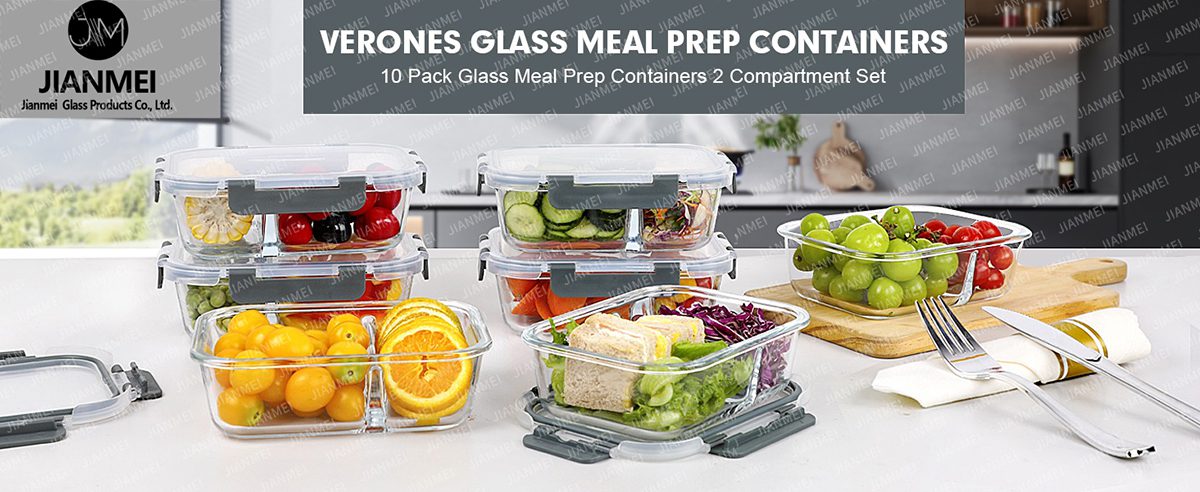
شريك مع شوزهو جيانمي للمنتجات الزجاجية
بالنسبة لعلامات المنتجات المنزلية الراغبة في الحصول على مجموعة كاملة من أدوات المطبخ الزجاجية، توفر شركة «شوزو جيانمي للمنتجات الزجاجية المحدودة» الخبرة والقدرة اللازمتين لتحقيق ذلك. بفضل 45 براءة اختراع خاصة بالمظهر، و32 حقًا من حقوق الملكية الفكرية، وشهادات اعتماد تشمل FDA وCE، فإن منشأتنا التي تبلغ مساحتها 40,000 متر مربع وفريقنا المكون من 200 شخص قادران على تلبية طلبات التصنيع حسب الطلب (OEM) بدءًا من القطع الفردية وصولًا إلى إنتاج يومي يصل إلى 200,000 قطعة. تواصل معنا عبر البريد الإلكتروني [email protected] لمناقشة رؤية علامتك التجارية والبدء في بناء شيء يدوم طويلاً.
الأسئلة الشائعة حول توريد أدوات المطبخ الزجاجية
ما هي المدة الزمنية المعتادة اللازمة لتوريد مجموعة أدوات مطبخ زجاجية مصنوعة حسب الطلب؟
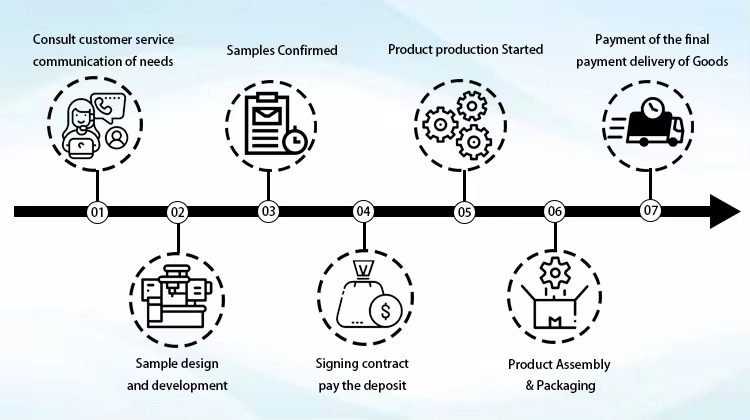
توقع أن يستغرق أخذ العينات الأولية من 2 إلى 4 أسابيع، تليها فترة تتراوح بين 8 و12 أسبوعًا للإنتاج الضخم وتنفيذ الطلبات. وقد تؤدي القوالب المخصصة ومتطلبات المواد المحددة إلى إطالة هذه المدد الزمنية. كما يؤثر تعقيد التصميم وحجم الطلب أيضًا في هذه المدد. ويساعد التواصل الواضح مع الشركة المصنعة للأواني الزجاجية على إدارة التوقعات والحفاظ على سير جدول التصنيع وفقًا للخطة الموضوعة.
كيف يمكن لشركة «شوزو جيانمي لمنتجات الزجاج» تلبية متطلبات التصميم الفريدة لعلامتي التجارية؟
تتخصص شركة «شوزو جيانمي للمنتجات الزجاجية» في تلبية الطلبات المخصصة والتصنيع حسب الطلب (OEM) لمنتجات الزجاج البورسليكاتي. يعمل فريقنا على تطوير قوالب خاصة بالشركة وتنفيذ تصاميم فريدة باستخدام آلات متطورة وخبرة متراكمة. نقدم الدعم لعملائنا بدءًا من المفهوم الأولي وحتى مرحلة الإنتاج، مع تلبية المتطلبات الجمالية والوظيفية المحددة، مع الحرص على حماية براءات اختراع التصميم والملكية الفكرية طوال العملية.
ما هي الشهادات الضرورية للتوزيع الدولي لأدوات المطبخ الزجاجية؟
تشمل موافقة إدارة الغذاء والدواء الأمريكية (FDA) السوق الأمريكية، في حين أن علامة CE مطلوبة في الاتحاد الأوروبي. وتوفر شهادات LFGB وSGS تأكيدًا إضافيًا على سلامة المنتج وجودة المواد. وتؤكد هذه الشهادات أن أدوات المطبخ الزجاجية تتوافق مع لوائح الصحة والسلامة، مما يسهل إجراءات التخليص الجمركي وقبولها في أسواق التجزئة في جميع أنحاء العالم.
لماذا يُعد زجاج البورسليكات المادة المفضلة لصناعة أدوات المطبخ الحديثة؟
يتحمل زجاج البورسليكات درجات الحرارة القصوى — من درجات التجمد إلى الحرارة العالية — دون أن يتشقق، وذلك بفضل مقاومته الفائقة للصدمات الحرارية. وهذه المادة غير سامة، وأخف وزنًا من الزجاج العادي، كما أنها تقاوم الخدوش بشكل أفضل من معظم البدائل الأخرى. وتؤدي هذه الخصائص إلى إطالة عمر المنتج والحفاظ على نقاء الأطعمة والمشروبات، وهو ما يفسر سبب اختيار العلامات التجارية المتميزة لأدوات المطبخ لهذه المادة باستمرار.
ما هي الكمية الدنيا للطلب بالنسبة لأدوات المطبخ الزجاجية المصنوعة حسب الطلب؟
يختلف الحد الأدنى للطلب حسب نوع المنتج ومستوى التخصيص. قد تكون الحد الأدنى للطلبات أقل بالنسبة للمنتجات القياسية، في حين أن التصاميم المخصصة التي تتطلب قوالب جديدة تحتاج عادةً إلى كميات أكبر لتغطية تكاليف الأدوات. توفر شركة Xuzhou Jianmei Glass Products مرونة في هذا الصدد — حيث يبلغ الحد الأدنى للطلب 1000 قطعة للعينات، مع إنتاج قابل للتوسع يدعم إنتاج الدفعات الصغيرة والطلبات الكبيرة على حد سواء مع نمو علامتك التجارية.
إذا كنت مهتماً، اطلع على هذه المقالات ذات الصلة:
قصة نشأة أكواب الزجاج
تقرير «JM Glass Insights» حول سوق زجاجات المياه المصنوعة من الفولاذ المقاوم للصدأ