
 Arabic
  English
  Spanish
  German
 The push toward sustainable packaging has moved well past the early-adopter phase. What once felt like a niche concern now sits at the center of supply chain decisions, brand positioning, and regulatory compliance. I’ve watched this shift accelerate over the past several years, and the pressure on packaging choices has never been more intense. Consumers notice what their products come in. Regulators are tightening rules around waste and material circularity. And the gap between genuine sustainability and surface-level greenwashing has become easier to spot. For brands navigating this landscape, material selection carries real consequences for both environmental impact and long-term market position.
Why Sustainable Packaging Has Become a Business Priority
The conversation around sustainable packaging has fundamentally changed. Consumer sustainability demands now drive purchasing decisions in ways that directly affect revenue. People want to know that the packaging they discard aligns with their values, and they’re increasingly willing to pay more for products that deliver on that promise.
Regulatory pressure compounds this shift. Governments across multiple regions have implemented stricter packaging regulations targeting waste reduction, extended producer responsibility, and material circularity requirements. Companies that lag behind face not just compliance costs but reputational damage that can take years to repair.
The environmental stakes are equally clear. Plastic waste has reached crisis proportions globally, with microplastics appearing in ecosystems from deep ocean trenches to remote mountain peaks. This reality has pushed eco-friendly packaging trends from marketing talking points into core strategic considerations. Addressing the problem requires more than better messaging. It demands genuine changes in material selection and supply chain practices that can withstand scrutiny.
How Glass Compares to Other Packaging Materials
Any honest evaluation of packaging materials needs to account for the full lifecycle. Lifecycle assessments provide the data-driven comparisons that separate real sustainability from wishful thinking, examining recyclability, carbon footprint, and resource depletion across a material’s entire journey.
Biodegradable packaging and compostable packaging alternatives have attracted significant attention, and they offer genuine benefits in specific applications. The challenge lies in scalability and end-of-life infrastructure. Many biodegradable materials require industrial composting facilities that simply don’t exist in most regions. Without proper disposal pathways, these materials often end up in landfills where they behave much like conventional plastics.
Glass occupies a different position in this landscape. Its circular economy packaging pathway is already established and functional. The material can be recycled indefinitely without degradation in quality, which means a glass container manufactured today could theoretically be reprocessed and reused for generations. This infinite recyclability contributes meaningfully to carbon footprint reduction over time, particularly when recycling infrastructure is well-developed.
Is glass truly more sustainable than plastic for packaging?
Glass holds clear sustainability advantages over plastic when you examine the full picture. The infinite recyclability of glass means it can be reprocessed into new containers repeatedly without losing structural integrity or purity. Plastic, by contrast, degrades with each recycling cycle. Most recycled plastic gets downcycled into lower-value products and eventually reaches a point where further recycling becomes impractical.
The persistence of plastic in the environment presents another critical distinction. Microplastics have become a pervasive pollutant, appearing in drinking water, food supplies, and human tissue samples. Glass is chemically inert and non-toxic. It doesn’t leach chemicals into its contents or break down into harmful particles. For applications where product purity and consumer safety matter, infinitely recyclable glass offers a level of assurance that plastic simply cannot match.
What Glass Packaging Offers Brands and Consumers
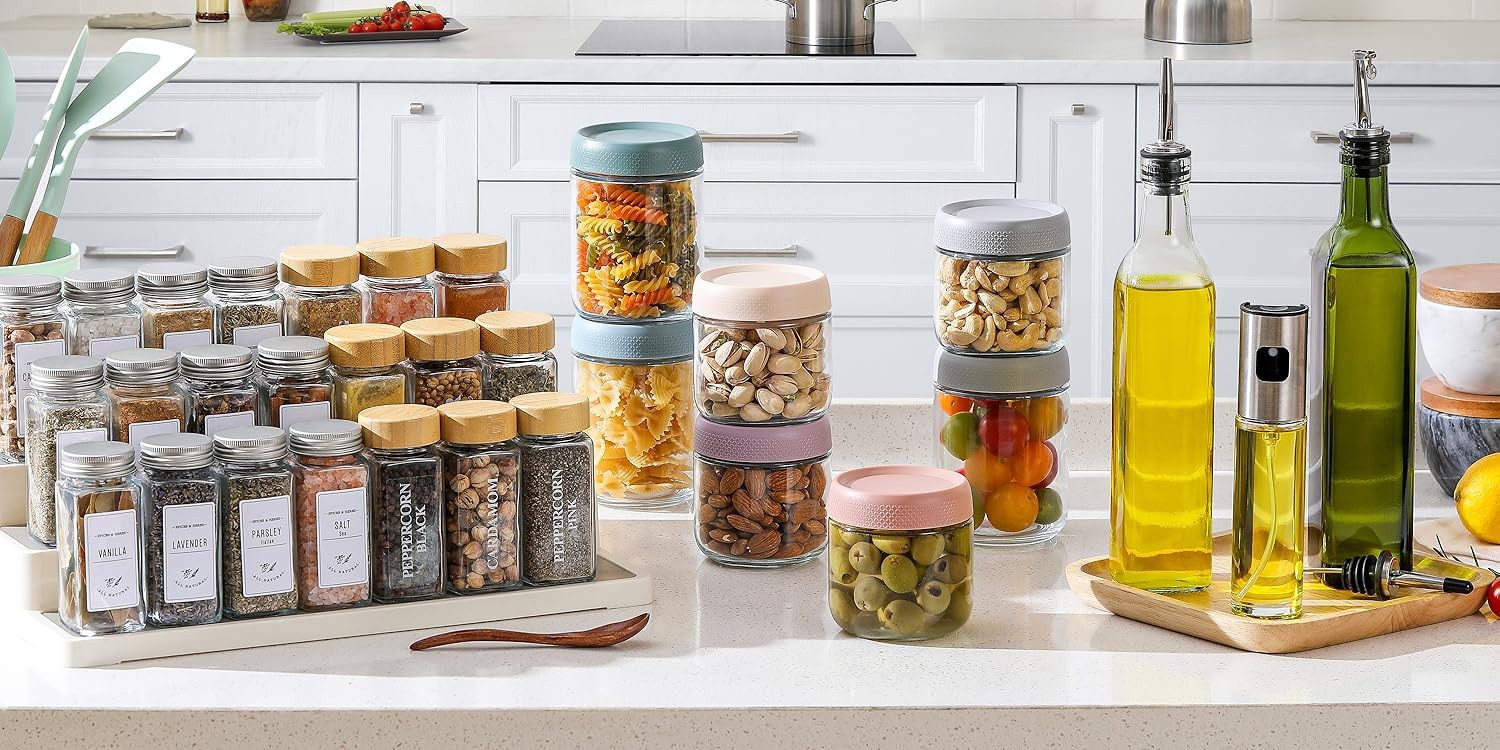
The advantages of glass packaging extend beyond environmental metrics into practical benefits that affect both brand positioning and consumer experience. Consumer preference for glass remains consistently strong, driven by perceptions of quality, purity, and health that have persisted across generations.
Glass preserves product integrity in ways that other materials struggle to match. The material forms an impermeable barrier that protects contents from external contaminants while maintaining freshness over extended periods. For food grade glass applications and beverages, this translates directly into taste and aroma preservation. Products stored in glass simply taste better and stay fresh longer.
The premium aesthetic of glass contributes to brand differentiation in crowded markets. Products packaged in glass are perceived as higher quality, which can justify elevated price points and strengthen customer loyalty. The inherent stability of borosilicate glass further supports product shelf life extension, reducing waste throughout the supply chain and improving consumer satisfaction.
Initial cost comparisons often favor plastic, but the long-term economics tell a different story. Glass recyclability reduces material costs over time, and avoiding plastic-related environmental remediation expenses can represent significant savings as regulatory scrutiny intensifies.
| الميزة | Glass Packaging | Plastic Packaging |
|---|---|---|
| قابلية إعادة التدوير | Infinitely recyclable | محدودة، وغالبًا ما تكون محدودة |
| Material Purity | Inert, non-leaching | Potential chemical leaching |
| Product Preservation | Excellent barrier properties | Permeable to gases/vapors |
| Brand Perception | Premium, high-quality | Often perceived as lower-value |
| Longevity | Durable, long-lasting | Prone to degradation |
For more insights into the benefits of glass, consider reading 《استدامة المذاق لماذا تختار الزجاج》.
Practical Strategies for Transitioning to Glass Packaging
Moving to glass packaging requires addressing real operational challenges, though strategic planning can mitigate most of them effectively. Supply chain sustainability considerations extend from raw material sourcing through distribution logistics, and each stage presents opportunities for optimization.
Initial investments in glass packaging typically run higher than plastic alternatives. Equipment may need modification, and handling procedures often require adjustment. The return on investment sustainable packaging delivers tends to materialize over longer time horizons through enhanced brand value, reduced environmental liabilities, and improved customer retention.
Packaging design for sustainability plays a crucial role in successful transitions. Lightweighting techniques can reduce material usage and transportation costs while maintaining structural integrity. Robust construction minimizes breakage during transit, addressing one of the most common concerns about glass logistics.
Compliance with material safety standards remains non-negotiable. FDA and CE certifications provide the verification that consumers and regulators expect, ensuring that packaging innovation doesn’t compromise safety or quality.
What are the challenges and benefits of transitioning to glass packaging?
The transition to glass packaging involves navigating several practical challenges. Higher upfront costs for materials and specialized machinery represent the most immediate barrier. Increased weight affects logistics costs and carbon footprint calculations for transportation. Fragility during transport requires more careful handling and potentially different packaging configurations.
The benefits, however, are substantial and compound over time. Enhanced brand image resonates with increasingly sustainability-conscious consumers. Superior product preservation reduces waste and improves customer satisfaction. Infinite recyclability aligns with circular economy principles that are becoming regulatory requirements in many markets. The long-term ROI emerges through reduced environmental impact, stronger market positioning, and increased acceptance among consumers who prioritize sustainable choices.
Xuzhou Jianmei Glass and Sustainable Glass Solutions
Xuzhou Jianmei Glass Products Co., Ltd. has built its operations around sustainable glass solutions since its founding in 2014. The company specializes in heat and cold-resistant borosilicate glass products, including jars, water bottles, and cups designed for durability and repeated use.
The manufacturing facility spans 40,000 square meters and houses 100 advanced machines capable of producing 200,000 pieces daily. This scale supports custom glass packaging solutions while maintaining consistent quality across high-volume orders. The company holds 45 appearance patents and 32 intellectual property rights, reflecting ongoing investment in packaging innovation.
Products like the 500ml Wholesale Glass Water Bottle and Borosilicate Glass Cup with Wood Lid meet rigorous quality standards backed by 120 testing certifications, including FDA and CE compliance. As a global glass supplier serving markets across North America, South America, Europe, and Oceania, the company provides reliable quality glassware production with ODM, OEM, and OBM service options. Minimum order quantity starts at 1000 piece, making sustainable glass accessible across different business scales.
How does Xuzhou Jianmei Glass Products ensure the sustainability of its glass products?
Sustainability at Xuzhou Jianmei Glass operates across multiple dimensions. The company uses durable borosilicate glass known for exceptional longevity and heat resistance, which reduces replacement frequency and extends product lifecycles. Manufacturing processes prioritize energy efficiency and waste reduction throughout production.
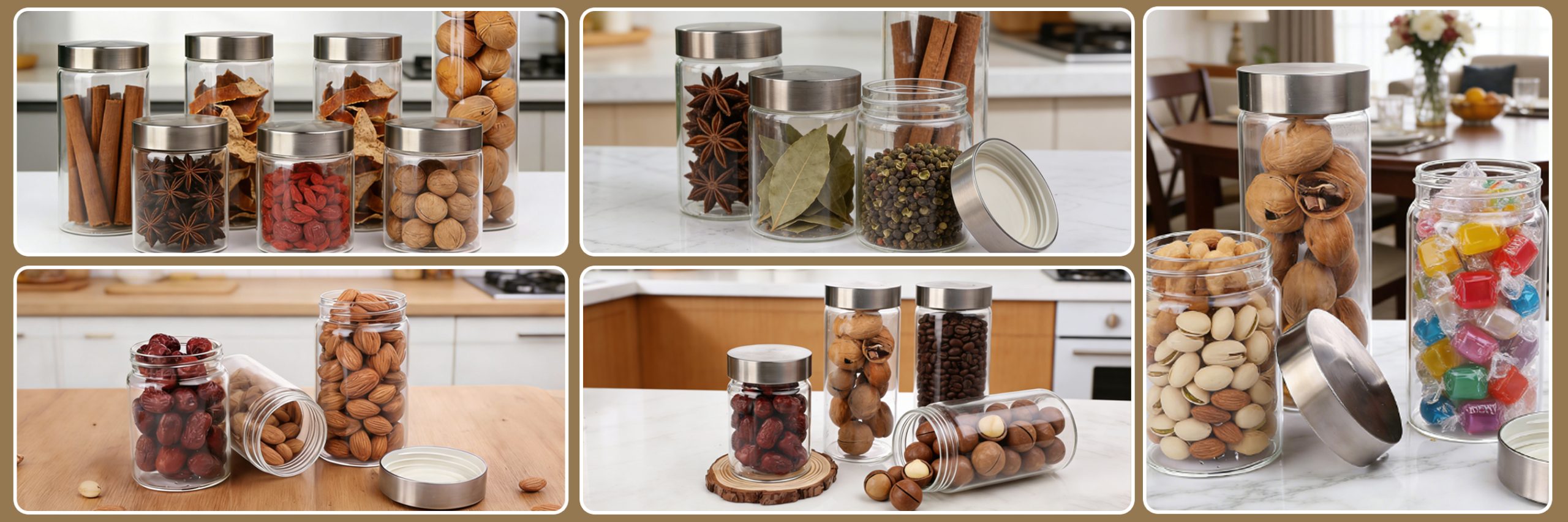
Strict quality control ensures products like the Transparent Glass Food Storage Canister are BPA-free, lead-free, and food-grade. These standards promote safe, reusable solutions that consumers can rely on for years. This commitment to eco-friendly glass production and responsible material sourcing reflects a broader understanding that sustainable packaging requires attention to every stage of the product lifecycle.
Where Glass Fits in the Future of Packaging
The trajectory of sustainable material innovation points clearly toward materials that can deliver genuine environmental benefits at scale. Glass fits this direction naturally. Its infinite recyclability, chemical inertness, and established recycling infrastructure position it as a foundational material for zero-waste packaging solutions.
Realizing this potential requires collaboration across the supply chain. Manufacturers, brands, retailers, and consumers all play roles in building the circular economy that makes glass packaging most effective. The infrastructure exists. The consumer demand is present. The regulatory environment increasingly favors materials with verifiable sustainability credentials.
As a durable, infinitely recyclable, and inert material, glass stands as a practical cornerstone for green economy packaging strategies that can withstand both market scrutiny and environmental accounting.
To explore how glass can transform your product line, discover more in 《تغيير استراتيجيات القوارير الزجاجية للعلامات التجارية العالمية》.
Contact us at [email protected] for a bright cooperation.