
 Arabic
  English
  Spanish
  German
 يحتاج الزجاج الذي يلامس الطعام إلى كسب هذا الامتياز. وبعد سنوات من مشاهدة المنتجات وهي تمر عبر عمليات الاعتماد ورؤية ما يفصل بين الموردين الموثوق بهم والموردين المشكوك فيهم، فإن الفرق يكمن في علم المواد وانضباط التصنيع اللذين يعملان معًا. تقوم شركة Xuzhou Jianmei Glass Products ببناء الزجاج الآمن للأغذية حول كلا المبدأين، حيث تخدم السلع الاستهلاكية والتطبيقات التجارية التي لا يمكن التفاوض بشأن السلامة فيها.
ما الذي يجعل الزجاج آمنًا للتلامس مع الطعام
الزجاج المخصص للطعام يمنع المواد الضارة من الانتقال إلى أي شيء يحمله. تأتي السلامة من كيفية تركيب الزجاج ومدى إحكام التحكم في التصنيع.
يتميز زجاج البورسليكات لأنه بالكاد يتفاعل مع أي شيء. فصلصة الطماطم الحمضية، وعصائر الحمضيات، والأطعمة المخمرة - لا يسحب أي منها المواد الكيميائية من البورسليكات المصنوع بشكل صحيح. مقاومة الصدمات الحرارية مهمة أيضًا. يتطلب نقل حاوية من المجمد إلى الميكروويف دون أن تتشقق بنية جزيئية معينة يفتقر إليها زجاج الصودا والجير ببساطة. تقدم منتجاتنا من البورسليكات المقاوم للحرارة والبرودة أداءً جيدًا على كلا الجبهتين.
تحدد العديد من الخصائص ما إذا كان الزجاج مؤهلاً لأن يكون زجاجاً صالحاً للاستخدام في الأغذية أم لا:
- عدم التفاعل: يجب ألا تُطلق التركيبة معادن ثقيلة مثل الكادميوم في الزجاج أو أن تؤثر على معايير الزجاج الخالي من الرصاص عند تعرضه للطعام.
- مقاومة حرارية: النجاة من التقلبات السريعة في درجات الحرارة دون حدوث عطل هيكلي. يتعامل البورسليكات البورسليكات مع هذا الأمر بشكل أفضل من البدائل.
- سلامة السطح: يقاوم السطح الأملس غير المسامي الاستعمار البكتيري وينظف جيداً.
- نقاء بصري: رؤية ما بداخله مهم لكل من فحص السلامة والاستخدام العملي.
منتجات مثل برطمانات تخزين الطعام المصنوعة من زجاج البورسليكات تخضع لاختبارات تؤكد هذه الخصائص. والنتيجة هي أوانٍ زجاجية غير سامة تعمل في مختلف سيناريوهات ملامسة الطعام.
كيفية مقارنة أنواع الزجاج للتطبيقات الغذائية
| الميزة | زجاج الصودا والليمون | زجاج البورسليكات |
|---|---|---|
| التركيب | ارتفاع أكسيد الصوديوم وأكسيد الكالسيوم | أكسيد ثلاثي البورون العالي، السيليكا |
| المقاومة الحرارية | منخفضة؛ الصدمة الحرارية تسبب الكسر | عالية؛ تتعامل مع التقلبات من -20 درجة مئوية إلى 300 درجة مئوية |
| الخمول الكيميائي | معتدل؛ بعض الترشيح في درجات الحرارة المرتفعة | عالية؛ احتمالية ارتشاح ضئيلة للغاية |
| المتانة | ملائم للتعامل اليومي | مقاومة فائقة للخدش |
| التطبيقات | الجرار والزجاجات والنوافذ | أواني الطهي، أواني المختبرات, زجاجة ماء زجاجية, كوب زجاجي |
يفسر اختلاف التركيب فجوة الأداء. ينشئ ثالث أكسيد البورون شبكة جزيئية أكثر إحكامًا تقاوم كلاً من الهجوم الكيميائي والإجهاد الحراري. للاطلاع على تحليل أعمق للمواد، انظر 《كيفية التمييز بين زجاج الصوداليم وزجاج البورسليكات》.
متطلبات الاعتماد العالمية للزجاج الملامس للأغذية
تفرض الأسواق المختلفة قواعد مختلفة، ولكن يبقى الشاغل الأساسي ثابتًا: إثبات أن الزجاج لن يضر المستهلكين. توفر الشهادات هذا الإثبات من خلال بروتوكولات اختبار موحدة.
تحمل منتجات Xuzhou Jianmei Glass Products 120 شهادة اختبار، بما في ذلك شهادات إدارة الأغذية والعقاقير (FDA) و CE. هذه الشهادات ليست زخرفية - فهي تمثل امتثالاً موثقًا لعتبات السلامة المحددة.
تشمل الشهادات الرئيسية ما يلي:
- زجاج معتمد من إدارة الغذاء والدواء الأمريكية (الولايات المتحدة الأمريكية): يؤكد على أن المنتجات تفي بمتطلبات سلامة ملامسة الأغذية الأمريكية.
- أواني زجاجية حاصلة على شهادة CE (أوروبا): يوضح التوافق مع المعايير الصحية والبيئية الأوروبية.
- شهادة LFGB (ألمانيا): معروف ببروتوكولات الاختبار المتطلبة بشكل خاص التي تغطي العديد من معايير السلامة.
تتطلب هذه المعايير الدولية للزجاج اختباراً مكثفاً للمنتج الزجاجي قبل الموافقة عليه.
معايير السلامة الخاصة بإدارة الغذاء والدواء الأمريكية (FDA) و CE للزجاج
يضع كلا الإطارين حدودًا قابلة للقياس لانتقال المواد الكيميائية ومحتوى المعادن الثقيلة. يحاكي الاختبار ظروف الاستخدام الفعلي - الأطعمة الحمضية ودرجات الحرارة المرتفعة وأوقات التلامس الممتدة - لقياس ما ينتقل من الزجاج إلى الطعام.
ويواجه الرصاص والكادميوم أكثر الحدود صرامة لأن آثارهما الصحية موثقة بشكل جيد. تتطلب مواصفات حدود ترشيح المعادن الثقيلة في مواصفات الزجاج تركيزات أقل من العتبات التي يمكن أن تتراكم إلى مستويات ضارة على مدى أنماط الاستخدام العادية. يتم التدقيق في تركيبة الزجاج نفسه، إلى جانب أي عناصر زخرفية أو طلاءات أو معالجات سطحية قد تُدخل مسارات تلوث.
وقد أثبتت المنتجات التي تجتاز هذه المعايير ثباتها في ظروف أكثر عدوانية من الاستخدام المنزلي أو التجاري المعتاد.
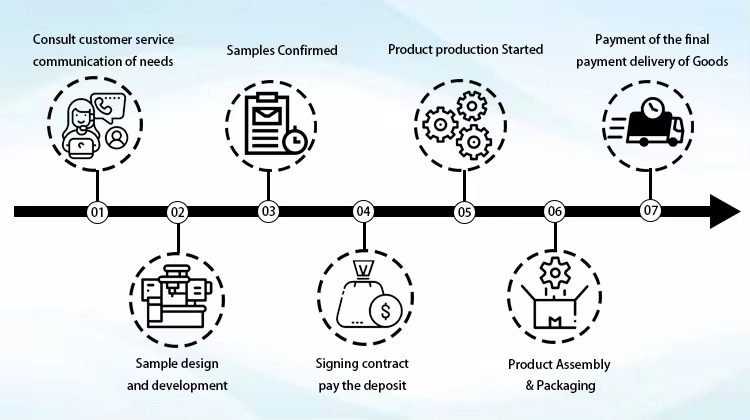
الطرق العملية للتحقق من سلامة الزجاج
إن معرفة ما يجب البحث عنه يفصل الشراء المستنير عن التخمين. تعمل عدة طرق للتحقق على مستويات مختلفة من الدقة.
تحقق من علامات الاعتماد أولاً. تشير شعارات FDA و CE و LFGB إلى التحقق من طرف ثالث. تحمل هذه العلامات وزنًا قانونيًا - لا يمكن للمصنعين عرضها دون اجتياز الاختبارات المرتبطة بها.
فحص ملصق المنتج بعناية. تشير إعلانات مثل “آمن للطعام” أو “خالٍ من الرصاص” أو “خالٍ من BPA” إلى وعي الشركة المصنعة بمخاوف السلامة. لا تشير الملصقات المفقودة إلى وجود مشاكل بالضرورة، ولكن وجودها يدل على جهود الامتثال المتعمدة.
طلب الوثائق من الموردين. يجب أن تكون تقارير الاختبار والشهادات متوفرة بالنسبة للمنتجات الأصلية المخصصة للاستخدام الغذائي. ويُثير التردد أو عدم القدرة على تقديم الوثائق تساؤلات تستحق المتابعة.
فهم أصول التصنيع. تختلف عمليات مراقبة جودة الزجاج اختلافًا كبيرًا من منشأة إلى أخرى. إن معرفة مكان وكيفية تصنيع المنتجات توفر السياق اللازم لتقييم الادعاءات.
تحافظ شركة «شوزو جيانمي لمنتجات الزجاج» على الشفافية الكاملة في الوثائق. إننا زجاجة ماء زجاجية من البورسليكات و كوب زجاجي من البورسليكات تأتي المنتجات مصحوبة بسجلات شهادات يمكن التحقق منها.
فحص وجود المعادن الثقيلة في الزجاج
تقدم التحاليل المختبرية الاحترافية نتائج قاطعة. تخضع العينات لاختبارات الاستخلاص الحمضي التي تحاكي التلامس مع الأغذية، ثم تُحلَّل المحاليل الناتجة لتحديد تركيزات المعادن.
تتوفر وسائل الفحص على مستوى المستهلك من خلال مجموعات اختبار الرصاص المخصصة للمنتجات الزجاجية. تتفاعل هذه المسحات بشكل مرئي مع الرصاص الموجود على الأسطح، مما يوفر مؤشراً سريعاً على المشاكل المحتملة. ومع ذلك، فإنها لا تستطيع تحديد التركيزات كمياً أو الكشف عن التلوث الكامن تحت السطح. ومن المنطقي التعامل مع النتائج الإيجابية على أنها تحذيرات وليس تشخيصات.
يتمثل النهج الأكثر موثوقية في الجمع بين شراء المنتجات المُصنَّفة صراحةً على أنها زجاج خالٍ من الكادميوم وخالٍ من الرصاص، ومدعومة بشهادات معترف بها، مع التحقق من الموردين. وتُقلِّل هذه الاستراتيجية متعددة المستويات من المخاوف المتعلقة باختبار الأواني الزجاجية للكشف عن المعادن الثقيلة، دون الحاجة إلى الوصول الشخصي إلى المختبرات.
الالتزام بالمعايير التصنيعية في صناعة الزجاج الآمن للاستخدام الغذائي
تحدد المعدات والعمليات ما إذا كانت مواصفات السلامة ستُترجم إلى أداء فعلي للمنتج. وتشكل آلات تصنيع الزجاج المتطورة، التي تعمل في إطار نظام صارم لإدارة الجودة، الأساس في هذا الصدد.
يضم مصنعنا الذي تبلغ مساحته 40,000 متر مربع 100 آلة متطورة، وتبلغ طاقته الإنتاجية اليومية 200,000 قطعة. ويتيح هذا الحجم الحفاظ على جودة ثابتة في إنتاج الزجاج، مع دعم الابتكار المستمر في منتجات الزجاج.
يضم نهج التصنيع عدة عناصر أساسية:
الهندسة الدقيقة يحافظ على تناسق تركيبة الزجاج دفعة بعد دفعة. تؤثر التباينات في نسب المواد الخام أو درجات حرارة المعالجة على خصائص المنتج النهائي.
مراقبة الجودة الآلية يكتشف العيوب قبل وصولها إلى مرحلة التعبئة. وتقوم أجهزة الاستشعار بالكشف عن العيوب الهيكلية والتلوث والتباينات في الأبعاد التي قد يفوتها الفحص اليدوي.
نقاء المادة يبدأ الأمر باختيار المصادر. فالمواد الخام عالية الجودة والخالية من الإضافات الضارة تقضي على التلوث من مصدره، بدلاً من محاولة إزالته لاحقًا.
ضوابط بيئية منع التلوث المنقول جواً أثناء الإنتاج. وتعد نظافة المنشآت أمراً بالغ الأهمية بالنسبة للمنتجات التي ستتلامس مع الأغذية.
الموظفون المدربون استكمال النظام. يدرك فريقنا المكون من 200 موظف المتطلبات الفنية والآثار المتعلقة بالسلامة المترتبة على عملهم.
يضمن هذا النهج الشامل أن كل برطمان زجاجي و كوب زجاجي يستوفي معايير السلامة الموثقة.
القيمة التجارية للزجاج المعتمد الآمن للاستخدام الغذائي
تقدم الشهادات مزايا تتجاوز مجرد استيفاء المتطلبات التنظيمية. فديناميكيات السوق تكافئ الموردين القادرين على إثبات مستوى أمان مُثبت.
ثقة المستهلكين وهذا ينعكس مباشرةً على قرارات الشراء. فالتحقق المستقل له وزن أكبر من ادعاءات الشركة المصنعة وحدها. ويتزايد اهتمام المشترين بالبحث عن معلومات تتعلق بسلامة المنتج قبل اتخاذ قرار الشراء.
الحد من المخاطر يحمي استمرارية الأعمال. فالتكاليف الناجمة عن عمليات سحب المنتجات، ومطالبات المسؤولية القانونية، والضرر الذي يلحق بالسمعة جراء الإخفاقات في مجال السلامة تفوق بكثير تكلفة الحصول على الشهادة المناسبة. فالوقاية خير من العلاج.
الوصول إلى الأسواق يتوسع مع الحصول على شهادات معترف بها. تقبل المناطق المختلفة معايير مختلفة، لكن الحصول على موافقة إدارة الغذاء والدواء الأمريكية (FDA) وعلامة CE يفتح الباب أمام معظم الأسواق الرئيسية. وبدون هذه الشهادات، تظل شرائح كاملة من العملاء بعيدة المنال.
التمييز بين العلامات التجارية الأمور في الفئات المزدحمة. إن التميز في مجال السلامة المثبتة يميز المنتجات عن المنافسين الذين يطلقون ادعاءات لا أساس لها. وهذا يدعم بناء سمعة العلامة التجارية بمرور الوقت.
عمر المنتج وغالبًا ما يرتبط ذلك بالحصول على الشهادات. حيث تهدف عملية الاختبار إلى ضمان المتانة والأداء، مما يعني أن المنتجات الحاصلة على شهادات عادةً ما تدوم لفترة أطول. ويتوافق ذلك مع أهداف المنتجات الزجاجية المستدامة من خلال تقليل وتيرة الاستبدال.
تتعاون شركة «شوزو جيانمي لمنتجات الزجاج» مع الشركات التي تسعى إلى تحقيق هذه المزايا. فحلولنا المعتمدة المصنوعة من زجاج البورسليكات المقاوم للحرارة والبرودة تضمن سلامة المنتج ورضا العملاء على حد سواء. اكتشف زجاجة مياه زجاجية للشرب من البورسليكات و برطمانات تخزين الطعام المصنوعة من زجاج البورسليكات خيارات. تظهر وجهة نظر إضافية في 《لماذا يعتبر الزجاج منتجًا أساسيًا لنجوم الرفوف الخاصة بك》.
تعاون مع شركة «جيانمي جلاس» لتحقيق التميز المعتمد
تأكد من أن منتجاتك الزجاجية تفي بأعلى المعايير العالمية لسلامة الأغذية. في شركة Xuzhou Jianmei Glass Products Co., Ltd.، نجمع بين أحدث تقنيات التصنيع وعمليات الاعتماد الصارمة لتقديم حلول من زجاج البورسليكات المقاوم للحرارة والبرودة التي يمكنك الوثوق بها. بفضل 45 براءة اختراع في التصميم، و32 حقًا في الملكية الفكرية، و120 شهادة اختبار بما في ذلك شهادات إدارة الغذاء والدواء الأمريكية (FDA) وعلامة CE، فإن التزامنا بالجودة لا مثيل له. تواصل معنا لتقديم الطلبات المخصصة، أو للحصول على خدمات تصنيع المعدات الأصلية (OEM)، أو لاستكشاف مجموعتنا الواسعة من البرطمانات وزجاجات المياه والأكواب. اتصل بنا اليوم على [email protected] لتعاون مشرق وآمن.
الأسئلة المتكررة حول الزجاج الآمن للاستخدام الغذائي
ما هي الشهادات التي ينبغي للمشترين البحث عنها عند شراء الزجاج الآمن للاستخدام الغذائي؟
ومن بين الشهادات الأكثر شهرةً: موافقة إدارة الغذاء والدواء الأمريكية (FDA)، وشهادة CE، ومعيار LFGB. وتتضمن كل منها بروتوكولات اختبار محددة للمواد الملامسة للأغذية، والتي تثبت سلامتها للاستخدام مع الأطعمة والمشروبات. وتغطي موافقة إدارة الغذاء والدواء الأمريكية (FDA) متطلبات السوق الأمريكية، بينما تتناول شهادة CE المعايير الأوروبية، أما معيار LFGB فيمثل اختبارات ألمانية صارمة بشكل خاص. وقد اجتازت المنتجات الحاصلة على شهادات متعددة تقييمًا أكثر شمولاً.
هل يؤثر نوع الزجاج على سلامة الأغذية، أم أن جميع أنواع الزجاج مناسبة بنفس الدرجة؟
يُعد نوع الزجاج عاملاً مهمًا للغاية. ولا تستوفي متطلبات السلامة الخاصة بالتلامس مع الأغذية سوى أنواع محددة من الزجاج المخصص للاستخدام الغذائي. ويُعد زجاج البورسليكات وزجاج الصودا والجير الخيارين الرئيسيين، مع تميز زجاج البورسليكات بأداء فائق. يؤدي محتوى ثالث أكسيد البورون في زجاج البورسليكات إلى تكوين بنية أكثر استقرارًا من الناحية الكيميائية، مما يجعله زجاجًا غير تفاعليًا وأكثر موثوقية للاستخدامات الصعبة مثل الطهي أو التخزين طويل الأمد.
ما الذي يجعل زجاج البورسليكات الخيار المفضل لتخزين الطعام والطهي؟
يتحمل زجاج البورسليكات درجات الحرارة القصوى التي من شأنها أن تؤدي إلى تحطم أنواع الزجاج الأخرى. وتسمح مقاومته الحرارية، التي يعود الفضل فيها إلى مادة البورسليكات، بنقله بين الفريزر والفرن دون أن يتعرض لأي عطل. كما توفر البنية الجزيئية المتماسكة خمولًا كيميائيًا ممتازًا، مما يعني أن الأطعمة الحمضية أو القلوية لا يمكنها استخلاص مواد ضارة من الزجاج. تتضافر هذه الخصائص لتكوين أوعية طعام آمنة ومتينة، مناسبة للاستخدام في الميكروويف ولفترات تخزين طويلة.