 Arabic
  English
  Spanish
  German
 بالنسبة لعلامة تجارية متخصصة في القهوة، فإن كل نقطة تفاعل مع العملاء لها أهميتها، ويُعد الكوب بمثابة لوحة إعلانية يومية لشركتك. البيع بالجملة كوب من الزجاج البورسليكاتيلا تمثل الأكواب مجرد اتجاه؛ بل هي قرار شراء يستند إلى علم المواد والمتانة وتقديم العلامة التجارية. ومع ذلك، تتجاهل العديد من العلامات التجارية للقهوة التفاصيل التصنيعية الحاسمة التي تميز الكوب الموثوق والمتين عن الكوب الذي يتشقق مع الاستخدام اليومي. بصفتي مديرًا لإنتاج زجاج البورسليكات لأكثر من عقد من الزمن، فقد لاحظت المواصفات التي تهم فعليًّا في المقاهي المزدحمة. يوضح هذا الدليل المعايير الفنية ومعايير التخصيص وتقييم الموردين التي يجب على كل علامة تجارية للقهوة تطبيقها قبل تقديم الطلب.
لماذا تفضل العلامات التجارية للقهوة استخدام البورسليكات؟ كوب زجاجيs
تواجه المقاهي بيئات تتميز بكميات كبيرة من العمل ووتيرة سريعة. فالكوب الذي يتشقق أو يحتفظ بالروائح أو ينكسر بسبب التغيرات المفاجئة في درجات الحرارة يزيد من تكاليف الاستبدال ويعطل سير العمل. ويحل زجاج البورسليكات هذه المشكلات بفضل معامل التمدد الحراري المنخفض ومقاومته للصدمات الحرارية. فهو ينتقل بأمان من الفريزر إلى الماء المغلي دون أن ينكسر، وهي خاصية قمت بالتحقق منها في خطوط التلدين واختبار الجودة لدينا.
لا تتسرب من هذه المادة أي مواد كيميائية، كما أنها لا تحتفظ ببقع القهوة أو روائحها، مما يحافظ على نقاء كل فنجان. وهذا أمر مهم لمحامصي القهوة المتخصصين الذين تتطلب خصائص نكهاتهم استخدام أوعية محايدة. وعلى عكس البدائل الخزفية، تتميز أكواب البورسليكات بخفة وزنها ومتانتها، كما أنها آمنة للغسل في غسالة الأطباق وشفافة، مما يعزز عرض فن اللاتيه. ينتج مصنعنا أكثر من 200,000 قطعة يوميًا، وقد أثبتت جودة زجاج البورسليكات المتسقة أهميتها بالنسبة لسلاسل المقاهي التي تتلقى طلبات من عدة مواقع.
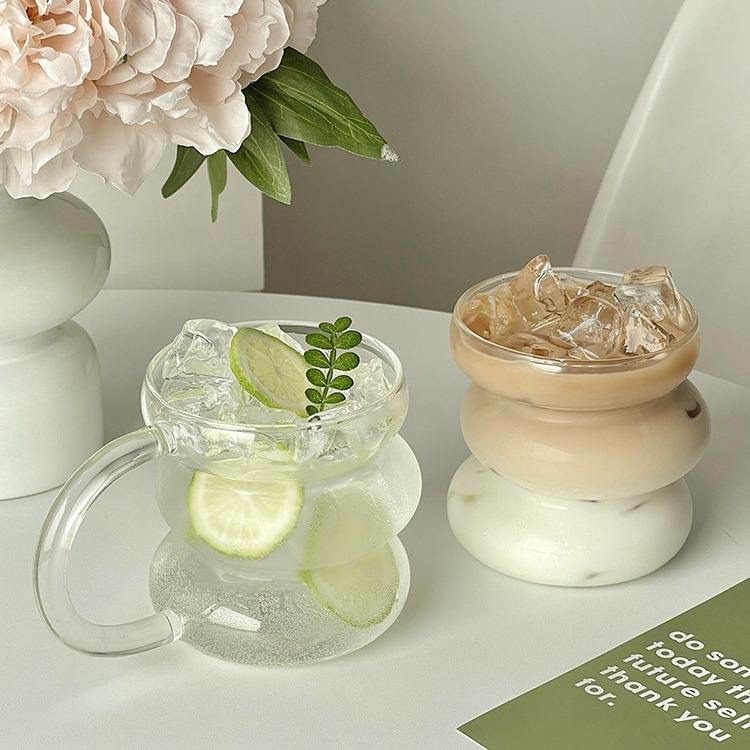
المواصفات الفنية الأساسية التي يجب على العلامات التجارية للقهوة التحقق منها
قبل الالتزام بالتعامل مع مورد ما، قم بمراجعة ورقة المواصفات الفنية. فليست جميع أنواع زجاج البورسليكات متماثلة. ابحث عن زجاج البورسليكات 3.3، الذي يحتوي على ما يقارب 13% من ثالث أكسيد البورون ويوفر أفضل مقاومة حرارية. وفيما يلي الخصائص الأساسية التي يجب التحقق منها:
| الممتلكات | المتطلبات النموذجية |
|---|---|
| المواد | 3.3 زجاج البورسليكات 3.3 زجاج البورسليكات |
| معامل التمدد | ≤ 3,3 × 10⁻⁶/درجة مئوية |
| نطاق درجة الحرارة | من -20 درجة مئوية إلى 300 درجة مئوية |
| سماكة الجدار (جدار أحادي) | 2.5–3.5 ملم |
| المجلدات | 300 مل، 400 مل، 500 مل |
يؤثر سمك الجدار على كل من العزل والوزن. بالنسبة لمشروبات الإسبريسو، يُعد سمك الجدار الذي يتراوح بين 2.5 مم و3 مم مناسبًا؛ كما أن التصميم ذو الجدار المزدوج يزيد من العزل ويمنع تكوّن التكثيف. تأكد من أن المقبض مدمج في الجسم بدلاً من أن يكون ملصوقًا، لأن المقابض الملصقة تتلف مع تكرار دورات غسل الأطباق في غسالة الأطباق. تؤثر عملية التلدين، التي تعمل على تخفيف الضغط الداخلي، بشكل مباشر على معدلات الكسر. في منشأتنا، نراقب منحنيات درجة حرارة التلدين بدقة لتقليل الشقوق الدقيقة إلى أدنى حد. اطلب من المورد تقديم دليل على إجراء اختبار الضغط المتبقي.
يجب أن يتراوح نطاق تحمل درجات الحرارة بين -20 درجة مئوية و300 درجة مئوية لضمان ملاءمة المنتج للمشروبات الساخنة وسلامته عند غسله في غسالة الأطباق. إذا كنت تخطط للبيع في أسواق خاضعة للرقابة، فتأكد من أن كل شحنة مصحوبة بتقارير معملية خاصة بكل دفعة تتضمن اختبارات المعادن الثقيلة واختبارات الانتقال الكلي.
(مع غطاء خشبي)
التخصيص الذي يعزز هوية العلامة التجارية
الكوب العادي لا يترك أي انطباع لدى عملائك. يمكن أن تشمل استراتيجية العلامة التجارية الخاصة بك طباعة الشعار، أو تخصيص القوالب، أو تصميم العبوات. تنتج طباعة الشاشة الحريرية على الزجاج شعارات متينة ومقاومة للغسل في غسالة الأطباق. أما النقش بالليزر فيوفر علامة مميزة ودائمة. كما قمنا بتطبيق أغطية سيليكون ملونة أو تشطيبات بلورية لإنشاء مجموعات مميزة.
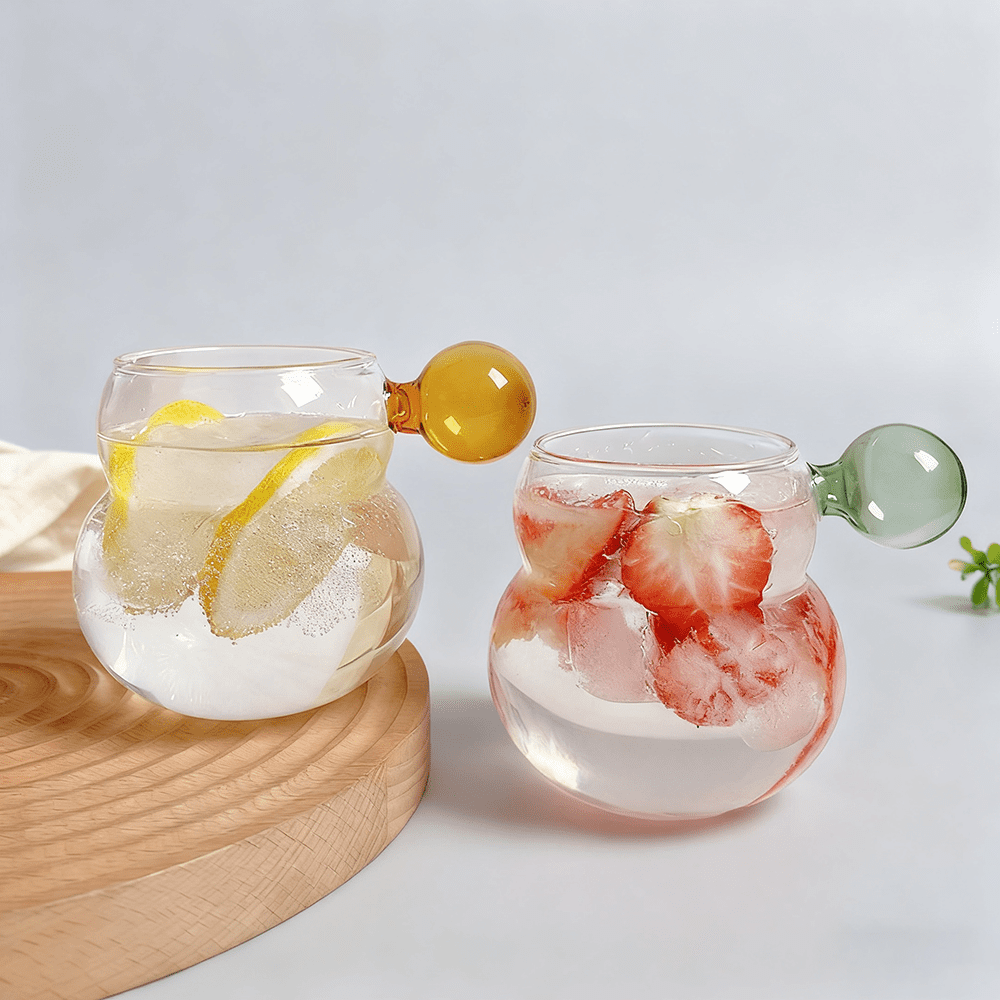
يتيح تخصيص القوالب إمكانية ابتكار أشكال فريدة. فقد قمنا بتطوير أكواب على شكل قرع، وأجسام ذات أوجه متعددة، وملمس مضلع، مما يمنح العلامة التجارية طابعاً مميزاً. وقد تحول طلب أحد العملاء للحصول على كوب زجاجي سعة 350 مل مزود بمسند إبهام مريح إلى منتج مميز لمقهى معين بعد ثلاث جولات من النماذج الأولية. وبالنسبة لهذه التصاميم الحصرية، تعتمد تكلفة القالب على درجة التعقيد، لكن تكلفة الوحدة الواحدة تتوزع بسرعة مع زيادة حجم الإنتاج.
يبدأ الحد الأدنى لكمية الطلب لدينا من قطعة واحدة بالنسبة للمنتجات المتوفرة في المخزون، لكن مشاريع القوالب المخصصة تتطلب حجمًا أوليًّا أكبر، وعادةً ما يكون بضعة آلاف من الوحدات. وأوصي بالبدء بعينة ما قبل الإنتاج للتحقق من الشكل والتوازن وموضع الشعار قبل الشروع في الإنتاج الكامل.
كيفية تقييم شركة مصنعة لأكواب الزجاج البورسليكاتي
إن تقييم مصنع ما لا يقتصر على الصور وعروض الأسعار فحسب. أنصح العلامات التجارية للقهوة بالتركيز على ثلاثة ركائز أساسية: حجم الإنتاج المثبت، والشفافية في مراقبة الجودة، والشهادات الشاملة.
أولاً، حجم الإنتاج. يمكن لمنشأة تمتد على مساحة 40,000 متر مربع وتضم 100 آلة متطورة للقولبة والتلدين، مثل منشأتنا، أن توفر إنتاجاً متسقاً وتلبي الطلبات الموسمية المتزايدة. وتعني الطاقة الإنتاجية اليومية البالغة 200,000 قطعة أن طلبكم لن يتأخر بسبب مشاريع أخرى. تحققوا بشكل خاص من قائمة معدات المصنع: خطوط الضغط والنفخ الأوتوماتيكية الخاصة بالأكواب، وليس مجرد آلات إنتاج الزجاجات.
ثانياً، مراقبة الجودة. اسأل عن الطريقة التي يتبعها المصنع لاختبار الصدمة الحرارية، واستقطاب الإجهاد، وجودة عملية التلدين. يقوم مختبرنا بإخضاع كل دفعة لاختبار التباين الحراري، من 20 درجة مئوية إلى 100 درجة مئوية في غضون ثوانٍ، ويتحقق من عدم وجود تموجات أو تشققات باستخدام جهاز استقطاب الضوء. اطلب عينة من صحيفة مراقبة الجودة التي ستتلقاها مع كل شحنة.
ثالثًا، الشهادات. يجب أن يحمل المصنع الذي يخدم الأسواق العالمية علامات FDA وLFGB وCE، بالإضافة إلى تقارير التدقيق مثل BSCI الخاصة بالامتثال للمعايير الاجتماعية. ونحن نمتلك 120 شهادة اختبار و32 حقًا من حقوق الملكية الفكرية، مما يدل على التزامنا بالتحسين المستمر للجودة.
إذا كان برنامجك ينطوي على استخدام يومي مكثف وتحتاج إلى ضمان أن الأكواب ستتحمل التغيرات السريعة في درجات الحرارة، فمن الأفضل التأكد من معايير الاختبار مع الشركة المصنعة قبل وضع اللمسات الأخيرة على المواصفات. تواصل معنا عبر البريد الإلكتروني [email protected] لمناقشة متطلباتك، وسنقوم بمشاركة بيانات الاختبار ذات الصلة معك.
اللوجستيات، والشهادات، وما يمكن توقعه من طلب مصنع
تحدد الشهادات شروط الوصول إلى الأسواق. بالنسبة للولايات المتحدة، يُعد الامتثال لمعايير إدارة الغذاء والدواء (FDA) فيما يتعلق بالزجاج الملامس للأغذية شرطًا غير قابل للتفاوض. أما بالنسبة لأوروبا، فيُشترط إجراء اختبارات LFGB من قبل مختبر معتمد. نقدم تقارير SGS الصادرة عن جهة خارجية بشأن المعادن الثقيلة والكادميوم وتسرب الرصاص عند الطلب. تأكد من أن موردك يقدم هذه المستندات باللغة الإنجليزية أو بلغتك المحلية، وأنها حديثة الصدور.
تعد التغليف عاملاً آخر حاسماً في نجاح أو فشل المنتج. فقد يؤدي كسر الزجاج أثناء النقل إلى تدمير هوامش الربح. تستخدم تغليفات التصدير القياسية لدينا حشوات رغوية وعلب كرتونية مقسمة، مع إجراء اختبارات السقوط وفقاً لمعايير ISTA. ناقش متطلبات التغليف الخاصة بك في وقت مبكر، خاصةً إذا كنت تخطط للبيع عبر موقع أمازون، الذي لديه بروتوكول اختبار السقوط الخاص به للسلع القابلة للكسر.
تختلف مدة التنفيذ. بالنسبة للمنتجات المتوفرة في المخزون والتي تتضمن طباعة شعار بسيط، يمكن أن ينتهي الإنتاج في غضون 15–20 يومًا. أما القوالب المخصصة فتستغرق 30–45 يومًا إضافية، بما في ذلك تصنيع القالب وأخذ العينات والتعديلات. احرص دائمًا على تخصيص فترة احتياطية لا تقل عن أسبوعين لتغطية فحص ما قبل الشحن والعمليات اللوجستية. نوصي بطلب عدد قليل من القطع الإضافية أكثر من احتياجاتك لتغطية أي خسارة قد تحدث أثناء النقل.
اختيار الكوب المناسب لمشروعك في مجال القهوة
تتنافس العلامات التجارية للقهوة على مستوى التجربة التي تقدمها للعملاء، ويُعد الكوب عنصراً حاسماً في تلك التجربة. لقد شاهدتُ مقاهيًّ غيرت هويتها التجارية من خلال التحول إلى استخدام أكواب زجاجية من البورسليكات تحمل علامتها التجارية، والتي تحتفظ بالحرارة وتتميز بمظهر جميل وتدوم لآلاف مرات الغسل. المفتاح هو الشراكة مع مصنع يفهم كلاً من علم الزجاج ومتطلبات قطاع القهوة. عندما تجد موردًا يتسم بالشفافية بشأن بيانات عملية التلدين الخاصة به ويكون على استعداد لإطلاعك على معدلات الفشل، فأنت على الطريق الصحيح.
قبل اتخاذ القرار النهائي، يرجى إرسال رقم القطعة والكمية وأي متطلبات خاصة تتعلق بالتشطيب إلى [email protected]. وسنقوم بإعداد ورقة المواصفات والأسعار والجدول الزمني، كما سنقوم، إذا لزم الأمر، بتسريع إرسال عينة لتقييمها.
أسئلة شائعة حول أكواب الزجاج البورسليكاتي بالجملة
هل يمكن أن تنكسر أكواب الزجاج البورسليكاتي؟
نعم، يمكن لأي زجاج أن ينكسر نتيجة الصدمات أو الصدمات الحرارية الشديدة. ومع ذلك، فإن عملية التلدين السليمة واستخدام زجاج البورسليكات 3.3 يقللان بشكل كبير من احتمالية الكسر الناتج عن التقلبات الحرارية اليومية. في عملية الإنتاج لدينا، نستبعد أي قطعة يتجاوز فيها الإجهاد المتبقي عتبة محددة يتم قياسها باستخدام جهاز قياس الاستقطاب. والنتيجة هي كوب يتحمل التغيرات السريعة من السخونة إلى البرودة بشكل أفضل بكثير من زجاج الصودا والجير أو البدائل التي لم تخضع لعملية تلدين جيدة.
ما هي الكمية الدنيا للطلب بالنسبة للأكواب المخصصة؟
بالنسبة للأكواب الجاهزة المصنوعة من زجاج البورسليكات، يبلغ الحد الأدنى للطلب قطعة واحدة، مما يسهل تجربة المنتج. وعادةً ما تتطلب تصاميم القوالب المخصصة كميات أكبر، اعتمادًا على درجة التعقيد، لكننا نتعاون مع العلامات التجارية للقهوة لإيجاد حجم إنتاجي أولي عملي. وقد قمنا بتلبية طلبات الإنتاج الأولي التي تصل إلى 3,000 وحدة فقط، وذلك في حالة وجود شعار بسيط وتباين بسيط في الشكل.
كيف يمكنني التأكد من أن الأكواب تستوفي معايير سلامة الأغذية؟
اطلب تقارير الاختبار الخاصة بكل دفعة. نحن نقدم وثائق الـ FDA وLFGB وSGS لكل طلب. تؤكد هذه التقارير مستويات الرصاص والكادميوم، وحدود الانتقال الإجمالية، وأداء الصدمة الحرارية. إذا كنت تبيع منتجاتك في مناطق متعددة، فتأكد من أن موردك قادر على تقديم الشهادات المناسبة لكل سوق.
كم من الوقت يستغرق استلام عينة أو طلب كامل؟
يتم شحن عينات المنتجات المتوفرة في المخزون في غضون 5–7 أيام. يستغرق الإنتاج الكامل للمنتجات المتوفرة في المخزون مع طباعة الشعار 15–20 يومًا، بالإضافة إلى مدة الشحن. أما القوالب المخصصة، فتستغرق 30–45 يومًا لإنشاء القالب وإعداد العينات. نوصي بمشاركتنا الجدول الزمني لمشروعك في وقت مبكر حتى نتمكن من مواءمة القوالب والطباعة والتعبئة مع تاريخ الإطلاق الخاص بك. أرسل جدولك الزمني إلى [email protected] للحصول على خطة إنتاج مخصصة.
إذا كنت مهتماً، اطلع على هذه المقالات ذات الصلة:
استدامة المذاق لماذا تختار الزجاج
نقص الزجاج العالمي يضرب موسم العطلات
الدليل النهائي للإجراءات اليومية لحماية الأرض