
 Arabic
  English
  Spanish
  German
 عند شراء أواني المشروبات لعلامة تجارية متخصصة في اللياقة البدنية، أو صندوق اشتراك في منتجات العافية، أو برنامج ترطيب خاص بالشركات، فإن فتحة الزجاجة ليست مجرد تفصيل ثانوي. فهي تحدد أي مستخدم نهائي سيختار المنتج، وكيفية استخدام الزجاجة يوميًا، وما إذا كانت الطلبات المتكررة ستتبع ذلك أم لا. فتحة واسعة زجاجة ماء زجاجيةتُناسب الزجاجات ذات الفوهة العريضة أنماط استهلاك محددة لا يمكن للزجاجات ذات الفوهة الضيقة أن تضاهيها، لكنها ليست الحل الأمثل لكل قناة بيع بالتجزئة. وبالاستناد إلى خبرة تزيد عن عقد من الزمن في إنتاج الزجاج البورسليكاتي في منشأتنا التي تبلغ مساحتها 40,000 متر مربع في جيانغسو، فقد لاحظت أي فئات من المشترين تحقق مبيعات ثابتة، وأيها تطلب مرة واحدة ثم تختفي. يحدد هذا المقال الدوافع الحقيقية وراء شراء الزجاجات ذات الفوهة العريضة، حتى تتمكن من تحديد ما إذا كان شكلها يناسب خط منتجاتك أم لا.
ما الذي يميز زجاجات المياه الزجاجية ذات الفوهة العريضة في السوق؟
لا يقتصر الفرق بين الزجاجة ذات الفوهة العريضة وتلك ذات الفوهة الضيقة على قطر الفتحة فحسب، بل إنه يغير نهج التصنيع برمته، وسلوك المستخدم النهائي، وطريقة عرض المنتج في متاجر البيع بالتجزئة.
تتميز الزجاجات ذات الفوهة العريضة عادةً بفتحات يتراوح قطرها بين 45 مم و55 مم، مقارنةً بالتصاميم القياسية ذات الفوهة الضيقة التي يتراوح قطر فتحاتها بين 25 مم و35 مم. تتيح هذه الفتحة الأكبر للمستخدمين إضافة مكعبات الثلج وشرائح الفاكهة وأكياس الشاي ومساحيق المكملات الغذائية مباشرةً إلى الزجاجة دون الحاجة إلى قمع. كما أن عملية التنظيف أسرع، حيث يمكن لليد أو الفرشاة الوصول إلى الجدران الداخلية دون الحاجة إلى أدوات متخصصة. وتؤدي هذه المزايا العملية إلى تكوين شريحة مستخدمين متميزة. وعادةً ما يكون مشتري الزجاجات ذات الفوهة العريضة شخصًا يقوم بإعداد المشروبات بدلاً من مجرد حمل الماء، مثل محبي مشروبات السموذي الذين يضيفون مسحوق البروتين في صالة الألعاب الرياضية، أو محبي الصحة الذين ينقعون الخيار والنعناع في المنزل، أو مستخدمي الأنشطة الخارجية الذين يعيدون ملء الزجاجة من مصادر المياه الطبيعية حيث تكون السرعة عاملاً مهمًا.
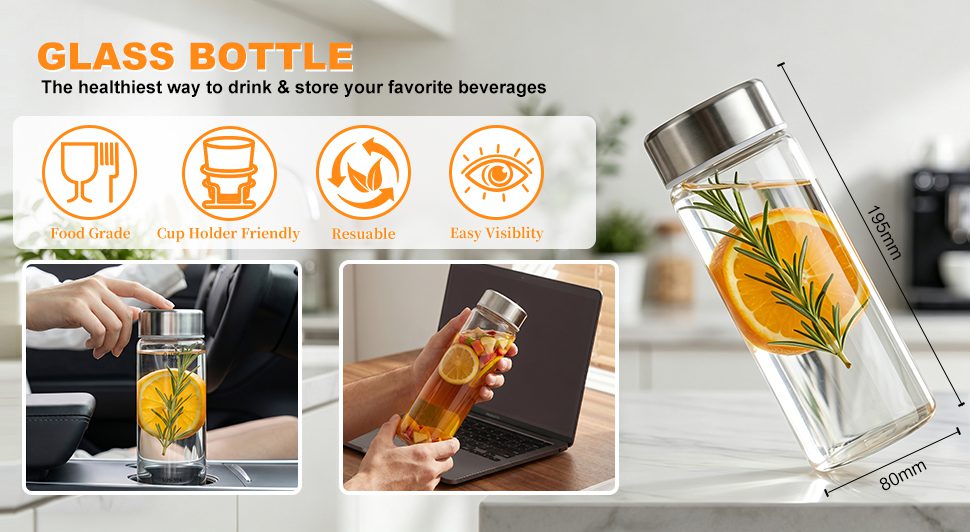
من وجهة نظر الإنتاج، يتطلب الشكل ذو الفوهة العريضة تشكيل عنق أوسع أثناء عملية القولبة، مما يؤدي إلى تعرض الزجاج لأنماط إجهاد مختلفة خلال عملية التلدين. وتزيد الفتحة الأوسع من خطر حدوث انحراف بيضاوي الشكل إذا لم يتم التحكم بدقة في معدل التبريد. تعمل أفران التلدين لدينا بدورات أطول عند إنتاج الزجاجات ذات الفوهة العريضة مقارنةً بالزجاجات ذات الفوهة الضيقة التي لها نفس سماكة الجدار، وهذا ينعكس على تكلفة الوحدة. والمشترون الذين يدركون هذه العلاقة بين شكل الزجاجة وتكلفة الإنتاج يتفاوضون بشكل أكثر واقعية.
كما أن المادة نفسها لها أهميتها. فالزجاج البورسليكاتي، بفضل معامل التمدد الحراري المنخفض الذي يتميز به، يتحمل التقلبات الحرارية التي تتعرض لها الزجاجات ذات الفوهة العريضة — بدءًا من دورات غسيل الأطباق الساخنة وصولاً إلى التخزين في الثلاجة الباردة جدًّا — دون أن تظهر شقوق دقيقة حول الحافة. أما الزجاج الصودا-الكالي، فلا يمكنه القيام بذلك بشكل موثوق. لقد شاهدت حالات تكسر في حواف الزجاجات ذات الفوهة العريضة المصنوعة من زجاج الصودا والجير في غضون ستة أشهر من الاستخدام اليومي. وبالنسبة لأي علامة تجارية تروّج لزجاجاتها ذات الفوهة العريضة باعتبارها منتجًا يوميًا متينًا، فإن زجاج البورسليكات يمثل الحد الأدنى المطلوب، وليس الحد الأقصى.
من الذي يشتري فعليًّا زجاجات المياه الزجاجية ذات الفوهة العريضة بكميات كبيرة؟
بعد معالجة الطلبات الواردة من أكثر من 40 دولة، تظهر أنماط واضحة بشأن الجهات التي تقدم طلبات متكررة بكميات كبيرة لشراء الزجاجات ذات الفوهة العريضة. ولا يتوزع الحجم بالتساوي بين جميع أنواع المشترين.
القطاع المهيمن هو العلامات التجارية المتخصصة في اللياقة البدنية والعافية. يطلب هؤلاء المشترون زجاجات ذات فتحة واسعة بسعة تتراوح بين 500 مل و1000 مل، مزودة بأغطية سيليكون وعلامات زمنية، وغالبًا ما تكون مزودة بملحقات لإضافة الفاكهة. ويستخدم المستهلكون النهائيون هذه الزجاجات أثناء جلسات الصالة الرياضية ودروس اليوغا والتدريب في الهواء الطلق، حيث تتيح الفتحة الواسعة سهولة إضافة الثلج أو المكملات الغذائية. وتتجاوز معدلات إعادة الطلب من العلامات التجارية المتخصصة في اللياقة البدنية معدلات أي قطاع آخر في بياناتنا الإنتاجية، لأن عملاءها يتعاملون مع الزجاجة كأداة يومية وليس كأداة شرب تُستخدم من حين لآخر.
أما القطاع الثاني من حيث الحجم فهو قطاع العافية المؤسسية والمشترين الترويجيين. تطلب الشركات زجاجات زجاجية ذات فوهة عريضة تحمل علامتها التجارية لاستخدامها في مجموعات الترحيب بالموظفين الجدد، والهدايا الترويجية لبرامج العافية، والهدايا الترويجية للمؤتمرات. وعادةً ما تكون هذه الطلبات كبيرة الحجم ولكنها موسمية، حيث تتركز في الربع الرابع استعدادًا لإطلاق برامج العام التالي، وفي الربع الثاني لحملات العافية الصيفية. وعادةً ما تكون متطلبات التخصيص أبسط مقارنةً بعلامات اللياقة البدنية، حيث تقتصر على طباعة شعار بلون واحد على قالب قياسي، لكن توقعات التغليف أعلى لأن الزجاجة تصل إلى المستخدم النهائي كهدية.
تشكل العلامات التجارية المتخصصة في صناديق الاشتراك شريحة أصغر حجماً لكنها آخذة في النمو. ويقوم هؤلاء المشترون بشراء زجاجات ذات فتحة واسعة بسعة تتراوح بين 400 مل و750 مل، في مجموعات ألوان متناسقة، لاستخدامها في صناديق الاشتراك الشهرية المخصصة للصحة والرفاهية والصديقة للبيئة. وتكون متطلبات الحد الأدنى للطلب (MOQ) لديهم أقل من متطلبات العلامات التجارية المتخصصة في اللياقة البدنية، لأنهم يقومون بتغيير وحدات التخزين (SKUs) كل ربع سنة، لكنهم يولون أهمية كبيرة لمرونة الإنتاج والقدرة على تعديل السعة لتناسب أحجام زجاجات متعددة ضمن نفس عائلة القوالب.
| شريحة المشترين | السعة النموذجية | طلبات الميزات الرئيسية | نمط الطلب | معدل إعادة الطلب |
|---|---|---|---|---|
| العلامات التجارية في مجال اللياقة البدنية والعافية | 500 مل – 1000 مل | غلاف سيليكون، علامات الوقت، مصفاة | الكميات الكبيرة الفصلية | عالية |
| الرفاهية المؤسسية | 400 مل – 750 مل | طباعة الشعار، تغليف الهدايا | موسمية (الربع الثاني، الربع الرابع) | متوسط |
| صندوق الاشتراك | 400 مل – 750 مل | تنوع الألوان، حد أدنى صغير للطلب | تناوب شهري | متوسط-عالي |
| الأنشطة الخارجية والترفيهية | 750 مل – 1000 مل | غطاء مانع للتسرب، غلاف متين | شحنات بالجملة نصف سنوية | متوسط |
وهناك قطاع رابع جدير بالملاحظة، وهو العلامات التجارية للمشروبات المتخصصة، وسلاسل مقاهي الشاي الفوار، ومحلات العصائر، وشركات العصائر المعصورة على البارد التي تستخدم الزجاجات ذات الفوهة العريضة كأوعية للتقديم وكمنتج للبيع بالتجزئة في آن واحد. ولا يمكن التنبؤ بحجم مبيعاتها لأنها مرتبطة بدورات توسع المتاجر، ولكن عندما تقوم هذه الشركات بالطلب، فإنها تطلب بكميات كبيرة. فقد يعادل طلب واحد من سلسلة عصائر ما يعادل حجم مبيعات علامة تجارية متخصصة في اللياقة البدنية لمدة ستة أشهر.
لماذا تفضل العلامات التجارية المتخصصة في اللياقة البدنية والعافية الزجاجات ذات الفوهة العريضة على الزجاجات القياسية؟
لا تختار العلامات التجارية المتخصصة في اللياقة البدنية الزجاجات ذات الفوهة العريضة لمجرد أنها قرأت تقريرًا عن الاتجاهات السائدة. بل تختارها لأن عملاءها يشتكون عندما تكون الفوهة ضيقة جدًّا.
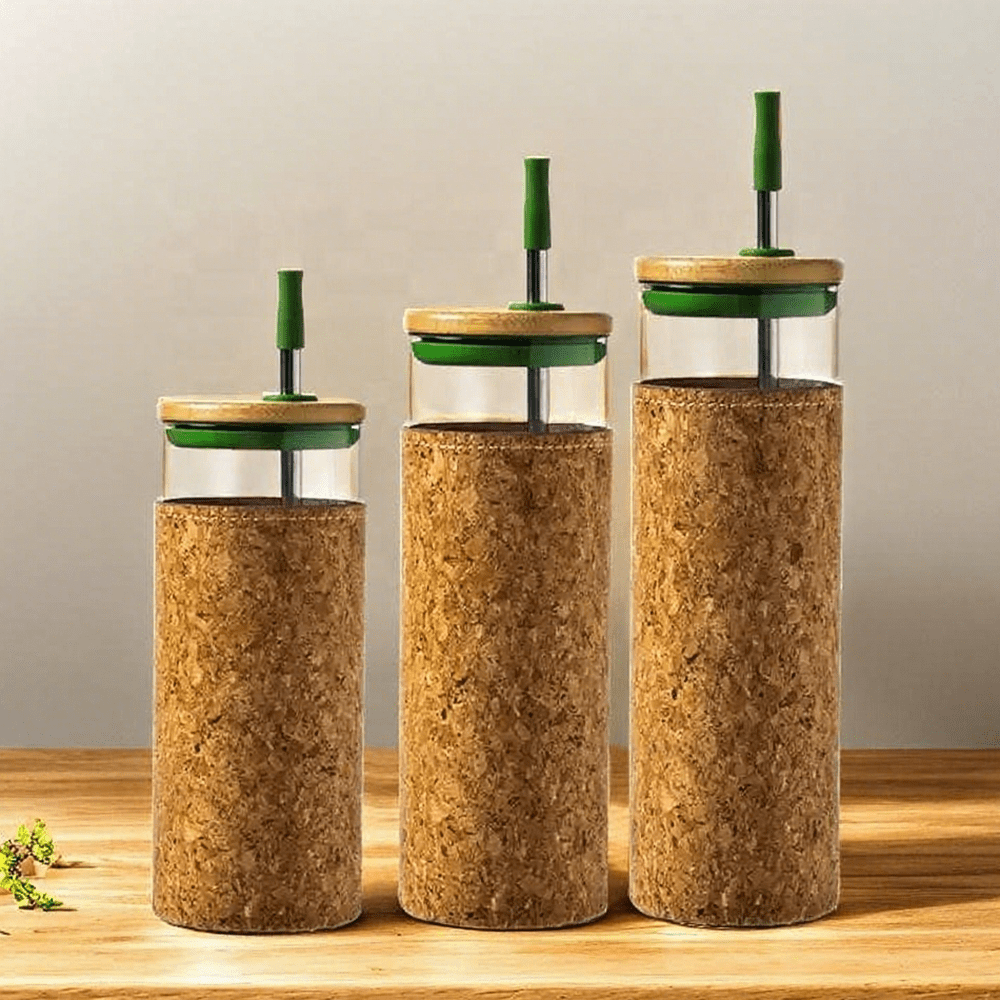
تتمثل الحالة الاستخدامية الأساسية في الترطيب بعد التمرين باستخدام المكملات الغذائية. فمرتاد الصالة الرياضية الذي ينهي جلسته يرغب في صب مسحوق البروتين في الزجاجة، وإضافة الماء أو الحليب، ثم رجها وشربها. أما الزجاجة ذات الفوهة الضيقة فتحول هذه العملية إلى خطوتين تتطلبان استخدام كوب خلط منفصل. أما الفوهة العريضة فتغني عن كوب الخلط تمامًا، وهذا التغيير البسيط في السلوك هو ما يعزز ولاء المستخدم للعلامة التجارية. فعندما تحل الزجاجة محل منتجين في حقيبة الصالة الرياضية، تقل احتمالية تغيير المستخدم للعلامة التجارية عند الشراء التالي بشكل كبير.
إذا كانت علامتك التجارية تستهدف قطاع اللياقة البدنية وكنت تتردد بين اختيار قوالب ذات فتحة واسعة أو ضيقة، فإن بيانات الحجم تشير بقوة إلى تفضيل الفتحة الواسعة لنطاق السعة الذي يبدأ من 500 مل وما فوق. ومع ذلك، فإن تصميم الغطاء لا يقل أهمية عن قطر الفتحة. فالزجاجة ذات الفوهة العريضة المزودة بغطاء قابل للقلب سيئ التصميم، والتي تتسرب محتوياتها داخل حقيبة الصالة الرياضية، ستؤدي إلى عمليات إرجاع المنتج بغض النظر عن مدى ملاءمة الفتحة لاستخدام الملعقة. قبل الشروع في دورة الإنتاج، تأكد من أداء إحكام إغلاق الغطاء مع السوائل المحددة التي ستستخدمها، حيث تتفاعل مشروبات البروتين ومخاليط ما قبل التمرين ومشروبات الإلكتروليت بشكل مختلف مع الحشوات السيليكونية. تواصل معنا عبر البريد الإلكتروني [email protected] مع ذكر الاستخدام المستهدف، وسنوصيك بتكوين الغطاء المناسب.
تُعزز العلامات الزمنية الموجودة على جسم الزجاجة تجربة استخدامها في مجال اللياقة البدنية. فالزجاجة ذات الفوهة العريضة التي تحمل أهدافًا زمنية مطبوعة عند الساعة 9 صباحًا، و12 ظهرًا، و3 مساءً، و6 مساءً، تصبح بمثابة «مدرب ترطيب» بدلاً من مجرد وعاء. وتشير العلامات التجارية المتخصصة في اللياقة البدنية إلى أن الزجاجات ذات الفوهة العريضة والمزودة بعلامات زمنية تحقق تفاعلًا أكبر على وسائل التواصل الاجتماعي مقارنةً بالزجاجات التي لا تحمل علامات، وذلك لأن المستخدمين يلتقطون صورًا لتوثيق تقدمهم. ويُعد هذا المحتوى العضوي الذي يتم إنشاؤه بشكل تلقائي بمثابة دعم لتسويق العلامة التجارية دون الحاجة إلى إنفاق إضافي.
يُعد الغلاف السيليكوني متطلبًا آخر خاصًّا بمجال اللياقة البدنية، ويصعب تنفيذه بشكل جيد على زجاجة ذات فوهة عريضة مقارنةً بزجاجة ذات فوهة ضيقة. يجب أن يثبت الغلاف على جسم الزجاجة بإحكام مع ترك العنق الأوسع سهل الوصول إليه، كما يجب أن يتحمل الإزالة المتكررة للتنظيف دون أن يتمزق. نجري اختبارات ثبات الغلاف على كل قالب جديد للزجاجات ذات الفوهة العريضة لأن القطر الأكبر يغير طريقة تمدد الغلاف أثناء التركيب. فالغلاف الذي ينزلق أثناء الاستخدام يشكل خطرًا على السلامة إذا كان المستخدم يمسك بزجاجة زجاجية ممتلئة بيدين مبللتين في صالة الألعاب الرياضية.
كما أن مقاومة درجات الحرارة تهم مشتري منتجات اللياقة البدنية أكثر مما يدركه معظم الناس. فالزجاجة التي تُترك في سيارة ساخنة بين التمرين والمكتب يجب أن تتحمل الارتفاع الحاد في درجة الحرارة دون أن يفقد الغطاء إحكام إغلاقه. والزجاج البورسليكاتي يتعامل مع هذا الأمر بسهولة. أما الزجاج الصودا-الكالي فيمكن أن يتعرض لتسربات في الإغلاق عندما يتمدد حافة الزجاجة بمعدل يختلف عن معدل تمدد خيوط الغطاء. لقد شاهدت شحنات كاملة تُرفض في موانئ الوصول لأن المشتري اختبر الزجاجات في بيئة تبلغ درجة حرارتها 60 درجة مئوية ووجد تسربات في الأغطية لم تظهر عند درجة حرارة الغرفة.
الاعتبارات المتعلقة بالتصنيع التي تؤثر على طلبك من الزجاجات ذات الفوهة العريضة
إذا اقتصرت مقارنتك بين الموردين على سعر الوحدة لكل زجاجة، فأنت تتجاهل العوامل التي ستحدد ما إذا كان طلبك سيصل وفقًا للمواصفات وفي الموعد المحدد.
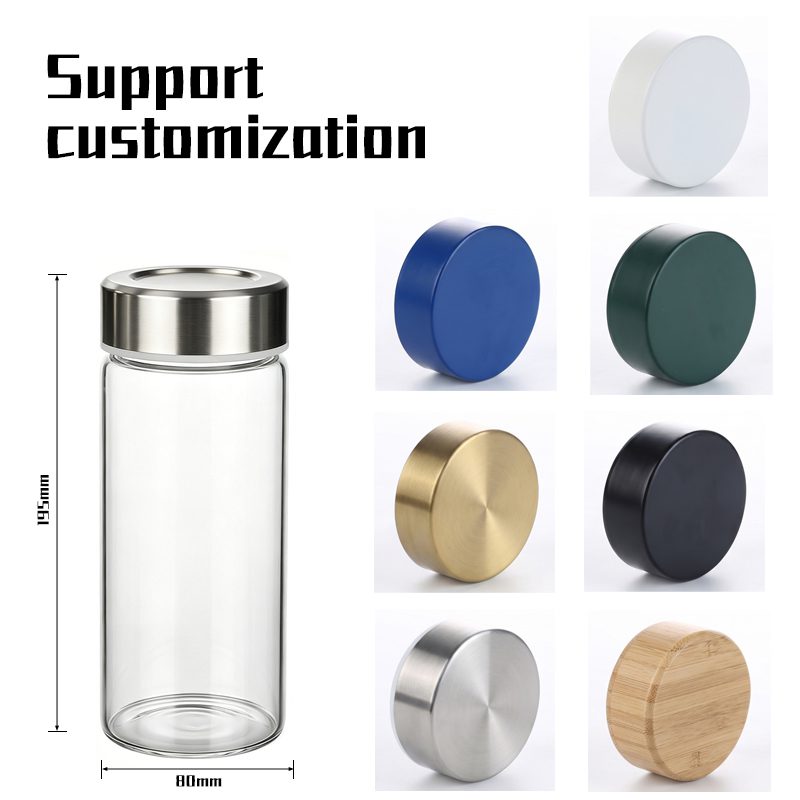
يُعد القالب العامل الأول المؤثر في التكلفة. فتكلفة تصنيع قالب زجاجة ذات فوهة عريضة أعلى من تكلفة تصنيع قالب زجاجة ذات فوهة ضيقة بنفس السعة، لأن العنق الأوسع يتطلب تصميمًا أكثر تعقيدًا لقالب النفخ، بالإضافة إلى رقابة أكثر دقة على التفاوتات المسموح بها في حلقة التثبيت. الحلقة النهائية هي الجزء الملولب في الجزء العلوي من الزجاجة حيث يتم تثبيت الغطاء، وفي الزجاجة ذات الفوهة العريضة، يكون محيط هذه الحلقة أكبر، مما يعني أن أي انحراف في القطر يزداد حجمه. نحافظ على تفاوتات حلقة النهاية عند ±0.3 مم في قوالبنا ذات الفوهة العريضة. قد تعرض المصانع التي تستخدم معدات قديمة رسومًا أقل للقالب، لكنها تنتج حلقات نهائية بتفاوت يبلغ ±0.8 مم، وهذا الفارق الذي يبلغ نصف المليمتر هو الفارق بين الغطاء الذي يغلق بإحكام والغطاء الذي يتسرب منه السائل.
تزداد مدة دورة التلدين مع زيادة قطر الفتحة. حيث يبرد الزجاج من الخارج إلى الداخل، وتؤدي الفتحة الأوسع إلى تعريض مساحة سطح أكبر للهواء المحيط خلال مرحلة التبريد. وإذا كان التدرج الحراري حادًا للغاية، فإن الإجهاد المتبقي يتركز حول الحافة وتصبح الزجاجة عرضة للانهيار الناتج عن الصدمة الحرارية. يقوم خط الإنتاج لدينا بضبط سرعة حزام فرن التلدين لكل مجموعة قوالب، وتسير الزجاجات ذات الفوهة العريضة باستمرار بسرعة أبطأ بمقدار 15% إلى 20% مقارنةً بالزجاجات ذات الفوهة الضيقة التي لها نفس سماكة الجدار. وهذا يؤثر بشكل مباشر على التكلفة لكل وحدة وعلى الطاقة الإنتاجية اليومية. والمصنع الذي يعرض نفس السعر للزجاجات ذات الفوهة العريضة والزجاجات ذات الفوهة الضيقة من نفس السعة إما أنه يتحمل التكلفة بنفسه لكسب الطلب، أو أنه يتجاهل تعديل عملية التلدين.
كما يختلف معدل العائد الإنتاجي أيضًا. فكلما اتسعت الفتحة، زاد معدل الرفض في مرحلة مراقبة الجودة؛ وذلك لأن عيوب الحافة، والبيضاوية، وتفاوتات السطح، والانحرافات في الأبعاد تصبح أكثر وضوحًا وتزداد احتمالية حدوثها أثناء عملية التشكيل. يمكن لخط الإنتاج الآلي الذي يتم صيانته جيدًا أن يحافظ على معدل رفض يتراوح بين 2% و3% للزجاجات ذات الفوهة الضيقة. أما بالنسبة للزجاجات ذات الفوهة العريضة، فإن معدل الرفض الذي يتراوح بين 4% و5% يُعد أمرًا طبيعيًا، وأي معدل أقل من ذلك يشير إما إلى معدات استثنائية أو إلى معيار لمراقبة الجودة يسمح بمرور المنتجات الهامشية.
هذه العوامل الثلاثة — تكلفة القالب، ومدة الدورة، ومعدل العائد — تفسر السبب في أن الزجاجات ذات الفوهة العريضة عادةً ما تُباع بسعر أعلى يتراوح بين 10% و18% مقارنةً بنظيراتها ذات الفوهة الضيقة على مستوى البيع بالجملة. والمشترون الذين يفهمون هيكل التكلفة هذا يتفاوضون انطلاقًا من معرفة وافية. أما المشترون الذين يعاملون جميع الزجاجات على أنها سلع قابلة للتبادل، فينتهي بهم الأمر إلى قبول منتجات أقل جودة أو دفع ثمن الفارق في العائدات وتضرر سمعتهم لاحقًا.
بالنسبة للمشترين الذين يقيّمون ما إذا كانوا سيقومون بتطوير قالب مخصص ذي فتحة واسعة أم سيستخدمون قالبًا مصنعيًّا موجودًا بالفعل، فإن المفاضلة واضحة. فالقالب الموجود بالفعل يغني عن دفع رسوم القالب ويقصر المدة الزمنية اللازمة للحصول على العينة إلى حوالي أسبوعين. تتراوح تكلفة القالب المخصص بين $800 و$2,500 حسب درجة التعقيد، ويستغرق إنتاج العينة الأولى من أربعة إلى ستة أسابيع، لكنك تمتلك حقوق التصميم حصريًا. غالبًا ما تسترد العلامات التجارية التي تخطط لإنتاج نفس وحدة التخزين (SKU) لمدة عامين أو أكثر استثمارها في القالب من خلال الخصم على الكمية الذي يأتي مع إعداد إنتاج مُحسّن. أما العلامات التجارية التي تختبر فئة منتجات جديدة، فيجب أن تبدأ باستخدام قالب موجود بالفعل، ولا تتحول إلى القالب المخصص إلا بعد التأكد من وجود طلب في السوق.
كيفية تقييم موردي الزجاجات ذات الفوهة العريضة لخط إنتاجك
يظهر الفرق بين المورد الذي يلتزم بالتسليم بانتظام والمورد الذي يسبب متاعب لفريق خدمة العملاء في التفاصيل التي لا يتحقق منها معظم المشترين إلا بعد فوات الأوان.
ابدأ بالتحقق من مادة الزجاج. يجب أن تحتوي زجاجة البورسليكات على ثالث أكسيد البورون بنسبة تتراوح بين 12% و15% من حيث التركيب، وهذا ما يحدد مقاومة الصدمة الحرارية. أصر على الحصول على تقرير تكوين المواد من مختبر خارجي معتمد، مثل SGS أو Intertek أو TÜV، وليس شهادة داخلية. نحن نقدم تقارير تركيب من جهات خارجية مع كل موافقة على قالب جديد، لأننا رأينا العديد من المشترين يكتفون بقبول كلام المورد، ثم يكتشفون لاحقًا أن الزجاج كان من نوع الصودا والجير العادي عندما أبلغ عملاؤهم عن حدوث تشققات في الحواف بعد الاستخدام العادي في غسالة الأطباق.
تُعد الشهادات المعيارية بمثابة المرشح الثاني. بالنسبة للسوق الأمريكية، يُعد الامتثال لمعايير إدارة الغذاء والدواء (FDA) المتعلقة بالتلامس مع الأغذية أمرًا إلزاميًا. أما بالنسبة للاتحاد الأوروبي، فإن قانون الأغذية والأدوية والمستحضرات التجميلية الألماني (LFGB) هو المعيار المكافئ. وبالنسبة للمشترين الذين يبيعون منتجاتهم في كلا السوقين في آن واحد، يجب أن تستوفي الزجاجة كلا المعيارين، كما يجب أن تمتثل مواد الغطاء، وموانع التسرب المصنوعة من السيليكون، وأي طباعة زخرفية بشكل منفصل أيضًا. المورد الذي يحمل شهادتي إدارة الغذاء والدواء (FDA) وقانون الأغذية الألماني (LFGB) هو مورد استثمر في البنية التحتية للاختبار ويفهم المتطلبات التنظيمية للسوق المستهدف. تحمل شركة JM Glass شهادات إدارة الغذاء والدواء (FDA) وقانون الأغذية الألماني (LFGB) وشركة SGS التي تغطي خط منتجاتنا الكامل من البورسليكات، ونقوم بإعادة الاختبار سنويًّا بدلًا من الاعتماد على شهادة أولية واحدة.
يحدد حجم المصنع ما إذا كان المورد قادرًا على تلبية احتياجات نموك. فقد يقدم مصنع يعمل بثلاثة خطوط إنتاج عرض أسعار تنافسيًا لطلبك الأول، لكنه قد يفشل في تسليم طلبك الثاني في الموعد المحدد لأن طلب عميل آخر يشغل طاقته الإنتاجية. تضم منشأتنا 100 آلة آلية موزعة على مساحة 40,000 متر مربع، وتنتج 200,000 قطعة يوميًا. وهذا الفائض في الطاقة الإنتاجية يعني أن طلبك التالي لن يتنافس مع طلب عميل آخر على وقت الإنتاج.
نقطة الفحص الأخيرة هي عملية الموافقة على العينات، التي تكشف عن المورد أكثر من أي تقرير تدقيق. فالمورد الذي يرسل إليك عينة واحدة ويطلب منك تأكيدها يختلف عن المورد الذي يرسل ثلاث عينات متطابقة من دفعات إنتاج مختلفة ويطلب منك قياسها. يُعد الاتساق بين الدفعات أصعب ما يمكن تحقيقه في إنتاج الزجاج، وتُعد عملية العينات فرصتك الأولى للتحقق من ذلك. نطلب ثلاث عينات إنتاجية من دورات إنتاج منفصلة لكل موافقة على قالب جديد قبل أن نسمح بالإنتاج الضخم، ونوصي مشترينا بأن يطبقوا نفس المعيار على مورديهم.
إذا كانت خطوط إنتاجك تعتمد على تلبية متطلبات قناة بيع بالتجزئة معينة — سواء كان ذلك اختبار سقوط العبوات الذي تطبقه أمازون، أو تكوينًا معينًا للمنصات النقالة لمتاجر التجزئة الكبرى، أو تناسق الألوان في مجموعة أدوات المطبخ المتناسقة — فإن الوقت المناسب لتأكيد هذه التفاصيل هو قبل بدء الإنتاج. الزجاجات ثقيلة وهشة، وقد لا توفر العبوة التي تثبت زجاجة ذات فوهة ضيقة الحماية الكافية لزجاجة ذات فوهة عريضة أثناء النقل بسبب اختلاف توزيع الوزن. أرسل مواصفات التعبئة ومتطلبات ميناء الوجهة إلى [email protected] مع ذكر رقم القطعة والكمية، وسنقوم بتأكيد تكوين الإنتاج والتعبئة المناسب لسوقك المحدد.
أسئلة شائعة حول توريد زجاجات المياه الزجاجية ذات الفوهة العريضة
ما هو الحد الأدنى المعتاد للطلب (MOQ) للزجاجات الزجاجية ذات الفوهة العريضة المصنوعة حسب الطلب؟
بالنسبة للقالب الموجود الذي يتضمن طباعة الشعار، تبدأ كمية الطلب الدنيا عادةً من 500 إلى 1,000 قطعة. أما بالنسبة للقالب المخصص الذي تم تطويره خصيصًا لعلامتك التجارية، فإن الحد الأدنى لكمية الطلب يرتفع إلى 3,000 إلى 5,000 قطعة، وذلك لأن تكلفة القالب يجب أن تُقسَّط على دورة إنتاج كبيرة بما يكفي لتبرير تكلفة الإعداد. تقدم بعض المصانع عروض أسعار بكميات طلب دنيا أقل، لكنها تدمج تكلفة القالب في سعر الوحدة، مما يكلف أكثر عند الطلبات المتعددة مقارنة بدفع تكلفة القالب مقدمًا. في JM Glass، نقدم حدًا أدنى للطلب يبلغ قطعة واحدة لتقييم العينة، ونقوم بتحديد الكميات بناءً على اختيارك للقالب ومتطلبات التخصيص الخاصة بك.
كيف يؤثر شكل الزجاجة ذات الفوهة العريضة على السعر مقارنةً بالزجاجات ذات الفوهة الضيقة؟
يعتمد ذلك على السعة المحددة وتصميم القالب، لكن الفرق في السعر يتراوح عادةً بين 10% و18% على مستوى البيع بالجملة. وهناك ثلاثة عوامل تؤدي إلى ذلك: ارتفاع تكلفة تصنيع القوالب، وزيادة مدة دورة التلدين، وارتفاع معدل المنتجات المرفوضة. إذا قدم المورد نفس السعر للزجاجات ذات الفوهة العريضة والزجاجات ذات الفوهة الضيقة، فاطلب منه بيانات معدل المنتجات المرفوضة في عمليات إنتاج الزجاجات ذات الفوهة العريضة. فالمصنع الذي لا يتتبع هذه البيانات إما أنه يتحمل التكلفة مؤقتًا أو أنه يشحن منتجات ذات جودة متدنية.
هل يمكنني خلط الزجاجات ذات الفوهة العريضة والزجاجات ذات الفوهة الضيقة في طلب واحد؟
نعم، لكن الكفاءة تعتمد على عدد مرات تغيير القوالب التي يتطلبها طلبك. فأشكال الزجاجات المختلفة تتطلب إعدادات مختلفة للقوالب، كما أن تبديل القوالب على خط الإنتاج يضيف وقتًا للتحويل. ويُعد دمج ثلاثة أو أربعة رموز SKU في طلب واحد أمرًا ممكنًا إذا استوفى كل رمز SKU الحد الأدنى لكمية الإنتاج. أما خلط ثمانية SKUs بكميات منخفضة لكل SKU، فيؤدي إلى ارتفاع تكلفة الوحدة بشكل كبير لأن خط الإنتاج يقضي وقتًا أطول في عملية التبديل مقارنةً بوقت الإنتاج الفعلي. وحيثما أمكن، قم بتجميع طلبك حسب فئة القوالب؛ فالزجاجات التي تشترك في نفس قالب الجسم وتختلف فقط في نوع الغطاء أو الطباعة يمكن إنتاجها معًا بكفاءة.
ما هي الشهادات التي يجب عليّ التحقق منها قبل تقديم طلب شراء زجاجات ذات فتحة واسعة؟
بالنسبة للسوق الأمريكية، يُعد الامتثال لمعايير إدارة الغذاء والدواء (FDA) فيما يتعلق بالمواد الملامسة للأغذية أمرًا غير قابل للتفاوض. أما بالنسبة للاتحاد الأوروبي، فإن شهادة LFGB تؤدي نفس الغرض. كما يشترط كلا السوقين أن تستوفي أختام الأغطية والحشيات وأي عناصر زخرفية نفس معايير ملامسة الأغذية التي يخضع لها الزجاج نفسه. ويجب أن يشمل اختبار خلو المنتجات من مادة BPA جميع المكونات البلاستيكية والسيليكونية، وليس الزجاج فقط. إن المورد الذي يمتلك تقارير اختبار من SGS أو Intertek مؤرخة خلال آخر 12 شهرًا يثبت امتثاله المستمر، بدلاً من مجرد شهادة لمرة واحدة. اطلب تقارير الاختبار الفعلية بدلاً من الاكتفاء ببيان موجز.
كيف يمكنني التأكد من أن الزجاجة ذات الفوهة العريضة ستصمد أمام الاستخدام الفعلي في السوق المستهدفة؟
يُعد اختبار الصدمة الحرارية الاختبار الفردي الأكثر دلالة. يجب أن تتحمل الزجاجة ذات الفوهة العريضة المصنوعة من البورسليكات تقلبًا في درجة الحرارة من 100 درجة مئوية إلى 0 درجة مئوية دون أن تتشقق. اطلب توثيقًا بالفيديو لهذا الاختبار على القالب الخاص بك، وليس عرضًا توضيحيًّا عامًّا من المصنع. يضع التصميم ذو الفوهة العريضة ضغطًا أكبر على الحافة أثناء التغيرات السريعة في درجة الحرارة مقارنةً بالتصميم ذي الفوهة الضيقة، لذا فإن هذا الاختبار أكثر أهمية للمنتجات ذات الفوهة العريضة مقارنةً بالزجاجات القياسية. إذا كان السوق المستهدف يشمل مناطق ذات درجات حرارة قصوى أو مستهلكين يضعون الزجاجات بانتظام في غسالة الأطباق، فتأكد من مقاومة الصدمة الحرارية وأداء إحكام إغلاق الغطاء بعد دورات متكررة في غسالة الأطباق. شاركنا سيناريوهات الاستخدام الخاصة بك وسنقوم بتأكيد مواصفات المواد وبروتوكولات الاختبار المناسبة. تواصل معنا عبر البريد الإلكتروني [email protected] لمناقشة متطلباتك.
إذا كنت مهتماً، اطلع على هذه المقالات ذات الصلة:
تنبيه: أكثر المنتجات مبيعًا في موسم الأعياد
كيفية شراء زجاجات المياه الأكثر رواجًا في السوق
اختيار مصنع تصنيع الزجاج الصيني