 German
  English
  Arabic
  Spanish
 The fitness industry is changing in ways that feel less like a trend and more like a correction. After years of plastic dominance, brands are quietly reassessing what their products are made of. Some of this comes from regulatory pressure, some from supply chain economics, but a significant portion stems from customers who now ask questions they never used to ask. The shift toward glass in fitness products reflects this broader reckoning with material choices and their downstream consequences.
Consumer Expectations Have Moved Past Plastic
Consumer preferences are not what they were five years ago. Awareness of plastic pollution has moved from environmental circles into mainstream consciousness, and microplastics have become a household concern. This awareness shows up directly in purchasing behavior. People actively seek out eco-friendly packaging, and they remember which brands deliver on that expectation. Surveys repeatedly confirm that corporate social responsibility influences buying decisions, particularly among younger demographics. For fitness brands, this creates a straightforward calculation: brand reputation now depends partly on environmental positioning. Ignoring these shifts does not just risk bad press. It risks losing customers to competitors who understood the moment earlier.
Glass Eliminates the Chemical Leaching Problem
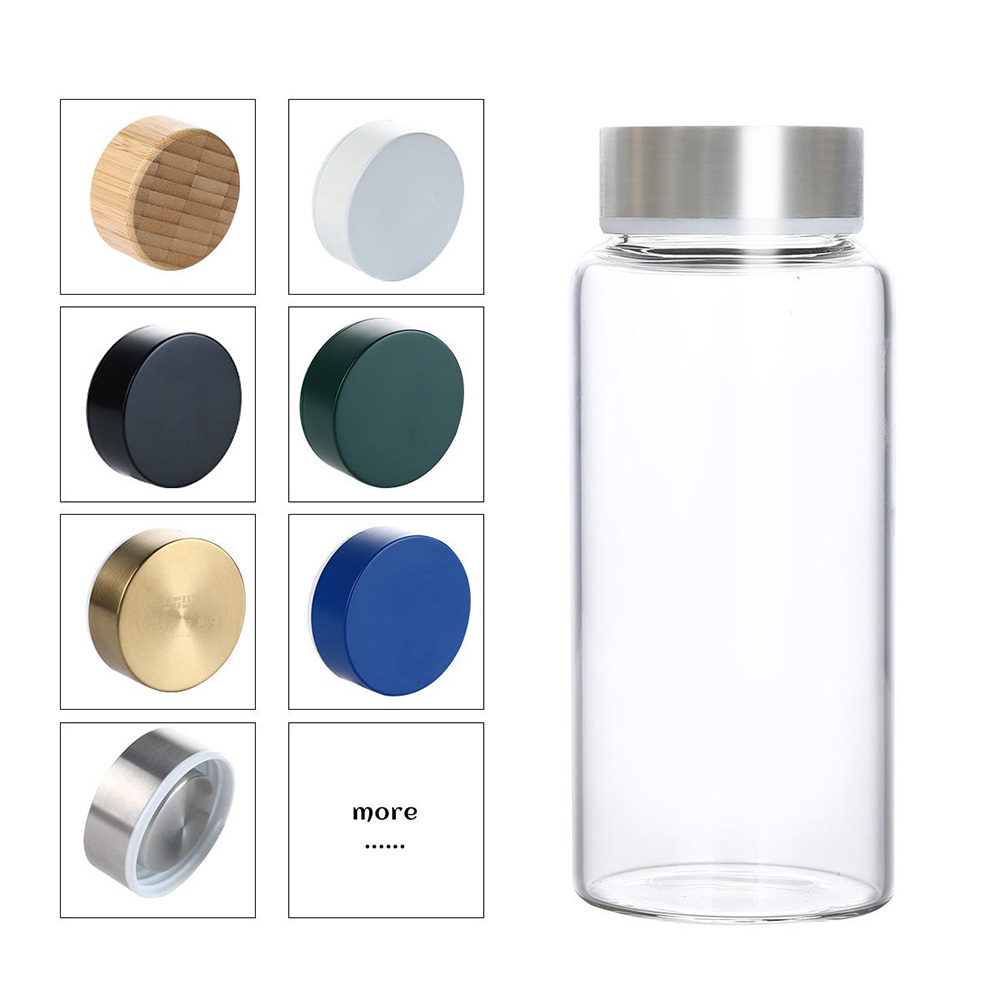
Glass offers health advantages that plastic simply cannot match. As an inert material, glass does not interact chemically with its contents. Nothing leaches out. This matters because plastic products commonly contain BPA and phthalates, plasticizers with documented health concerns that scientific research continues to investigate. Glass sidesteps this entire category of risk. Beyond safety, there is the practical matter of taste. Plastic can impart subtle flavors or odors to beverages, something health-conscious consumers notice immediately. Glass preserves taste purity, keeping water or sports drinks exactly as intended. For daily hydration, food-grade glass provides a non-toxic material that requires no compromise.
| Merkmal | Plastikflaschen | Glasflaschen |
|---|---|---|
| Material | Often contains BPA, phthalates | Inert, BPA-free, phthalate-free |
| Auswaschung | Can leach chemicals, especially when heated | Non-leaching, preserves purity |
| Taste | May impart plastic taste/odor | Taste-neutral, preserves original flavor |
| Wiederverwertbarkeit | Begrenzt, oft downgecycelt | 100% and infinitely recyclable |
| Dauerhaftigkeit | Prone to scratches, can degrade | Highly durable, resistant to wear and tear |
| Sicherheit | Potential health concerns from chemical transfer | Chemically stable, safe for repeated use |
For further insights into material comparisons, consider reading 《die besten Materialien für Trinkgeschirr Glas, Keramik oder Edelstahl》
Sustainability Credentials That Actually Hold Up
Glass packaging strengthens a fitness brand’s environmental claims in ways that withstand scrutiny. The material is 100% recyclable and maintains its quality through infinite recycling cycles. Plastic, by contrast, typically downcycles into lower-grade materials before eventually reaching landfills. When brands adopt glass, they make a visible commitment to sustainable packaging solutions that environmentally conscious consumers recognize and reward. This recognition translates into customer loyalty and favorable word-of-mouth. Glass also carries a perceived premium quality that elevates brand positioning. Products feel more substantial, more considered. For brands pursuing corporate social responsibility initiatives, glass provides tangible evidence rather than marketing language.
Durability and Design Options Have Expanded
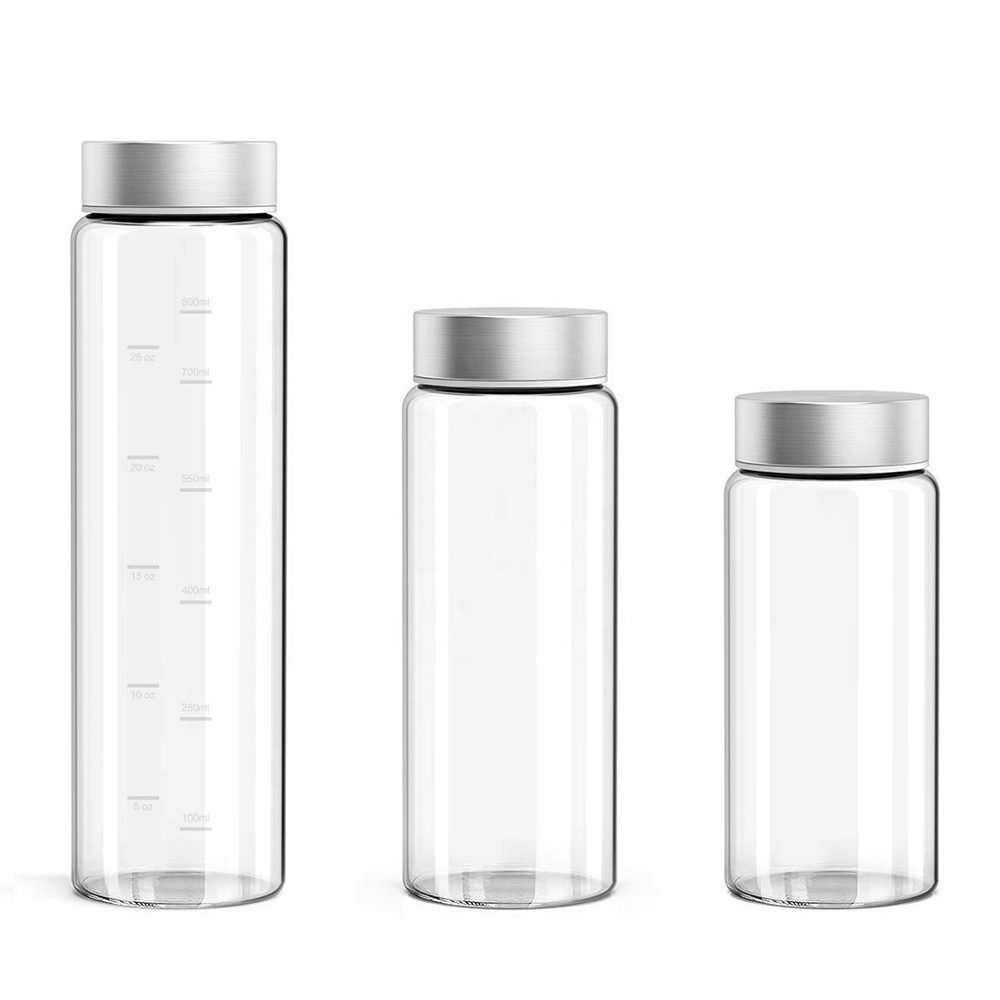
The fragility concern that once limited glass adoption has largely been addressed through material science. Borosilicate glass, in particular, offers enhanced durability through superior resistance to thermal shock. A borosilicate glass water bottle handles temperature extremes that would stress conventional glass, making it practical for fitness contexts where hot and cold beverages alternate. The design possibilities have also expanded. Glass surfaces accept printing cleanly, allowing for custom branding options that include logos, patterns, and messaging. This flexibility supports product innovation and market differentiation. Wholesale glass bottles can be customized across body shape, size, and finish, giving brands meaningful control over their product identity.
Practical Steps for Brands Considering the Transition
Switching to glass involves operational decisions beyond material selection. Supply chains need adjustment, and manufacturing processes may require new partnerships. Working with an experienced glass water bottle supplier reduces friction during this transition. Xuzhou Jianmei Glass Products Co., Ltd. provides OEM glass solutions with established quality assurance protocols. Cost analysis should account for the full picture: glass products command higher perceived value and support reuse models that plastic cannot match. Custom orders and sample services are available with a minimum order quantity of 1 piece, which accommodates testing before larger commitments. Distribution reaches North America, South America, Europe, and Oceania.
Long-Term Positioning Favors Glass
Market trends in fitness continue moving toward health consciousness and environmental responsibility. Glass aligns with both trajectories. Brands that adopt glass now position themselves ahead of tightening regulations and shifting consumer standards. The material builds consumer safety and trust through its chemical stability and recyclability. Sustainable packaging market projections suggest continued growth, making glass a strategic investment in brand equity rather than a short-term expense. This perspective matters for brands planning beyond the next product cycle.
Working with Xuzhou Jianmei Glass
Xuzhou Jianmei Glass Products Co., Ltd. specializes in heat and cold-resistant borosilicate glass products. The company holds 45 appearance patents, 32 intellectual property rights, and 120 testing certifications including FDA and CE. Production operates from a 40,000 square meter facility with 100 advanced machines, outputting 200,000 pieces daily. Custom glass bottles and OEM services support brands seeking high-quality borosilicate glass products tailored to specific requirements. The combination of manufacturing capacity and certification coverage makes the company a practical partner for brands pursuing sustainable product lines.
FAQ
Q1: What are the primary health benefits of using glass over plastic for fitness products?
A1: Glass does not leach chemicals into beverages because it is chemically inert. This eliminates exposure to BPA, phthalates, and other plasticizers that plastic products commonly contain. The material also preserves taste without absorbing odors, which matters for people who use the same bottle daily across different beverages.
Q2: How does glass contribute to a fitness brand’s sustainability goals?
A2: Glass can be recycled indefinitely without losing material quality, unlike plastic which typically downcycles before reaching landfills. This infinite recyclability reduces long-term waste and provides brands with verifiable environmental credentials rather than aspirational claims.
Q3: Is borosilicate glass durable enough for active fitness use?
A3: Borosilicate glass is engineered specifically for durability. Its resistance to thermal shock means it handles temperature swings from hot coffee to ice water without stress fractures. The material also resists scratches better than standard glass, making it practical for gym bags and outdoor use.
Q4: Can fitness brands customize glass products to align with their branding?
A4: Glass surfaces accept printing techniques cleanly, allowing for detailed logos, color matching, and design elements. Customization extends to bottle shape, size, and finish, giving brands control over product differentiation in competitive markets.
Q5: What kind of support does Xuzhou Jianmei Glass offer for brands looking to switch to glass?
A5: The company provides OEM and ODM services covering design consultation, material selection, production, and delivery logistics. Products carry FDA and CE certifications. Sample services with a 1-piece minimum order quantity allow brands to evaluate quality before committing to larger production runs.
Connect with Jianmei Glass Today
Sustainable, high-quality glass products can strengthen your fitness brand’s market position. Contact us to discuss specific requirements and customization options. Email us at [email protected] for a bright cooperation.