
 German
  English
  Arabic
  Spanish
 Borosilicate glassware color customization allows brands to create distinctive product lines, but the finishing method you choose determines how well that color withstands daily use. Over the years, we have tested spray coating, screen printing, and decal application on millions of units, and the evidence is clear: high-temperature fired-on glass coating offers the best combination of durability and food-contact safety. This article explains the technical options, their production implications, and how to make a sourcing decision that protects your brand’s quality promise.
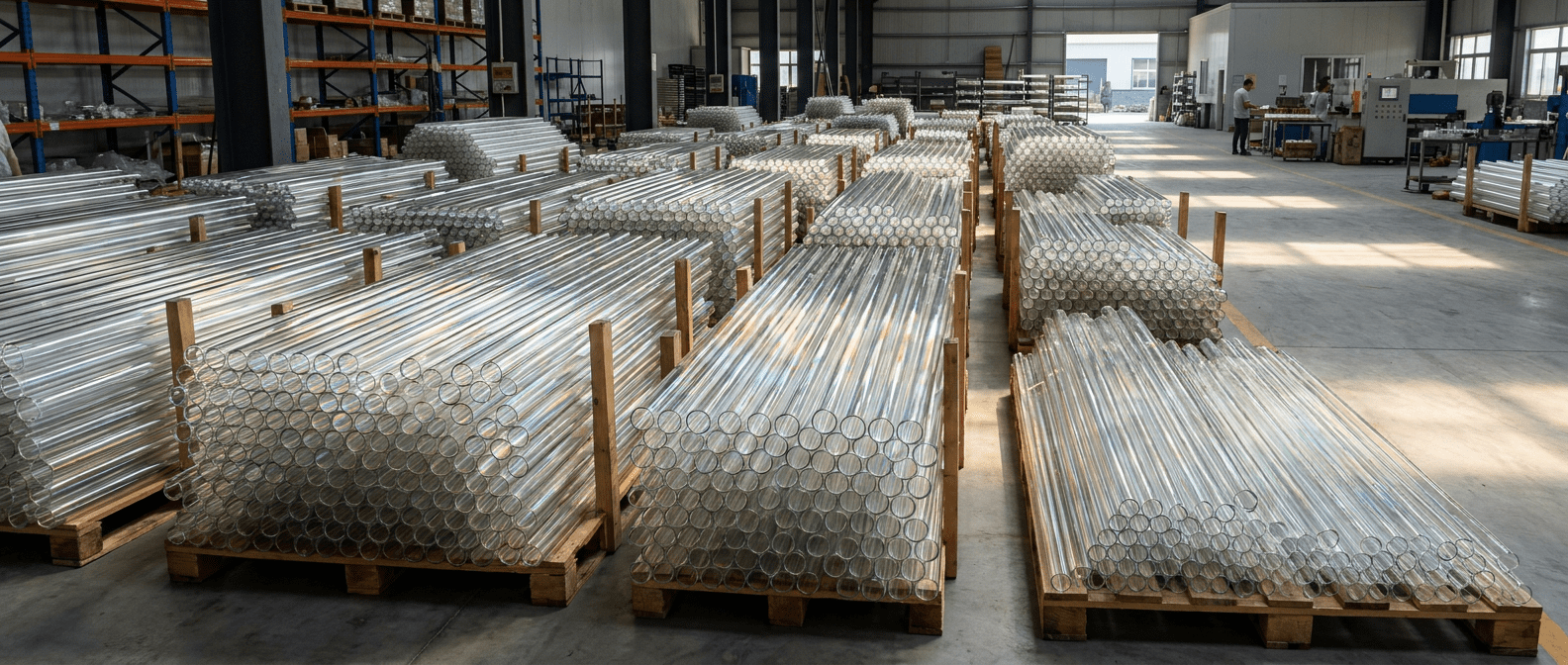
What Are the Main Color Customization Methods for Borosilicate Glass?
The four most common decoration techniques in borosilicate glass production are spray coating, silk screen printing, decal transfer, and, in rare cases, colored glass melt. Each comes with distinct cost, durability, and design flexibility profiles.
| Verfahren | Process | Dauerhaftigkeit | Color Range | Typical Lead Time |
|---|---|---|---|---|
| Spray coating | High-temperature firing after spraying | Excellent; fuses with glass surface | Broad, including gradients | Longer setup |
| Silk screen printing | Pigment pushed through screen, then fired | Good for flat surfaces | Limited to simple designs | Mittel |
| Abziehbild-Transfer | Printed film applied, then low-temperature cure | Moderate; may peel with heavy use | Photorealistic images possible | Short |
| Colored glass melt | Metal oxides added during batch melting | Integral; color is part of the glass | Single solid color, high MOQ | Long (bulk production) |
Spray coating involves applying a liquid glass enamel containing pigment onto the formed glass article, then firing it at temperatures up to 600°C. The high heat causes the enamel to fuse permanently with the borosilicate surface, resulting in a smooth, dishwasher-safe finish that will not peel or scratch under normal use. Silk screen printing uses a similar enamel forced through a fine mesh onto the glass, then also fired. However, it is best suited for logos and smaller monochrome or limited-color designs on flat surfaces. Decal transfers, on the other hand, are capable of photographic-quality images, but their adhesion diminishes after repeated dishwasher cycles and heavy handling, and I have seen returns from customers where decal edges lifted after only a few months of use.
How Does Color Application Affect Food Safety and Durability?
Food-contact safety is the primary concern for any colored glassware, especially for products sold in the EU or North America. The heavy metal content of color pigments must comply with FDA 21 CFR and EU LFGB standards. In high-temperature fired-on processes, the enamel is incorporated into the glass matrix, so leaching risk is extremely low. Our factory routinely sends fired-on coated samples to SGS for extraction testing, and results consistently show lead and cadmium migration well below regulatory limits. Cold-applied decals, however, can contain binders and plasticizers that may release volatile compounds when exposed to hot liquids or acidic beverages. We advise clients that any drinkware intended for hot coffee, tea, or acidic juices should use fired-on coatings exclusively, because the surface bond minimizes chemical migration even at boiling temperatures. This is not a theoretical concern: we have declined to ship decal-decorated mugs to customers targeting the EU market after internal testing showed marginal compliance, a decision that protects both buyer and consumer.
How Do Manufacturers Ensure Color Consistency Across Batches?
For brands building a cohesive product line, color consistency across production runs and different product shapes is critical. Achieving repeatable color on borosilicate glass starts with precise pigment formulation. Our in-house color lab matches customer-supplied Pantone references to within ΔE < 2.0 using spectrophotometers, then we create a master batch color code that is stored digitally. Automated spray guns with programmed path patterns apply uniform film thickness, and the annealing lehr exposes every piece to the same temperature profile, which is essential because color shade can shift subtly if the firing temperature varies by even 10°C. We produce 200,000 pieces per day across multiple lines, yet we maintain color drift below 1.5 ΔE between batches by running first-piece inspections every two hours and adjusting spray parameters as needed. Buyers should ask potential suppliers about their color tolerance documentation and whether they retain master samples for each production run; these practices are the difference between a professional color program and a cosmetic touch-up.
If you are planning a product line with color-matched cups, jars, and bottles, confirm with your manufacturer that they can hold the same color across different glass shapes and production dates. Send your requirements to [email protected] for a technical compatibility review.
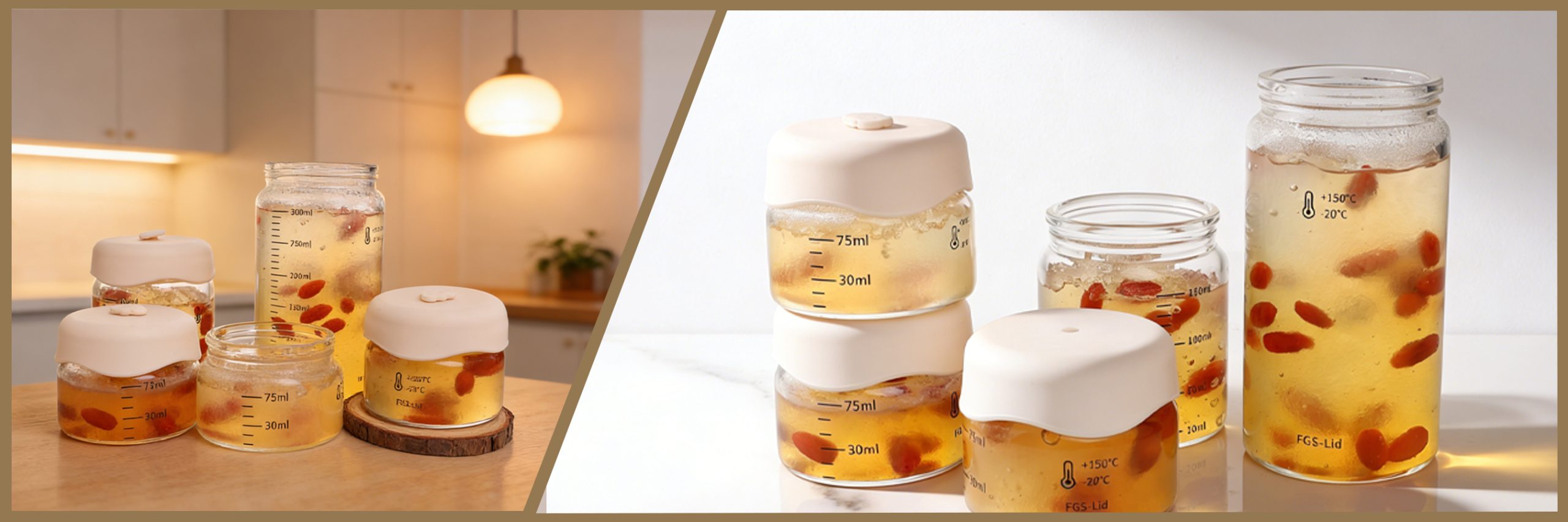
Which Color Customization Method Fits Your Product Line Best?
The right method depends on how the end-user will interact with the product. For coffee mugs and water bottles that get daily washing and occasional microwave or dishwasher exposure, fired-on spray coating is the safest investment. It withstands thermal cycling from -20°C to 300°C without cracking or fading, and the color remains stable through hundreds of dishwasher cycles. Decals, while offering lower tooling costs, make more sense for limited-edition drinkware or decorative jars that are hand-washed and displayed. Silk screen printing strikes a balance for branded promotional items where you need a crisp logo on a flat area and can accept a simpler color palette.
Our team often recommends a hybrid approach: a solid fired-on base color with a silk-screened logo on top, giving the product a premium feel without the complexity of full-coverage spraying. We have supported brands launching gift sets where the jar body is sprayed in a matte pastel and the logo is screen printed in gold, achieving a high-end look that retails at a premium. The key is to involve your manufacturer early in the design phase so they can recommend the most cost-effective combination.
What Are the Cost and MOQ Considerations for Custom Color Glassware?
Color customization does add to unit cost, but the premium depends heavily on the technique and order volume. Spray coating typically requires a dedicated color mixing and setup that incurs a one-time engineering charge, after which the per-piece cost comes down with volume. At Xuzhou Jianmei, the practical minimum order for a custom spray color is 500 pieces to justify the cleaning and preparation of spray equipment. For decals, the minimum can be as low as 100 pieces, making it attractive for small-batch specialty products. Molds themselves are not color-specific, so you can use existing mold cavities; only the surface finishing adds cost.
Buyers should budget for sample development and test runs, which we offer at a nominal fee before full production. Our daily capacity of 200,000 pieces means even large orders can be turned around in a typical 30–45 day lead time, but custom color matching may add 5–7 days to the schedule. Full transparency on these costs and timelines is part of our standard quotation process.
Whether you need 500 pieces of a custom blue water bottle for a corporate gift program or 50,000 color-matched jars for a major retail launch, our facility can deliver. Send your specific design requirements, target quantity, and timeline to [email protected], or call our office to speak with a product engineer. We have the equipment, capacity, and certification portfolio to make your color glassware project a success from prototype to final shipment.
What Questions Do Buyers Often Ask About Color Glassware?
Is colored borosilicate glass safe for food contact?
Yes, provided the color pigments are food-grade and the curing process immobilizes them. Fired-on coatings are generally recognized as safe by FDA and LFGB standards because the pigment bonds to the glass and does not leach. Our products pass heavy-metal migration tests before shipment. For cold-applied decals, confirm with your supplier that the adhesive and overprint varnish are certified for food contact, especially for hot or acidic contents.
Can I get a specific Pantone color matched on glass?
Yes, most professional glass manufacturers can match a Pantone reference. The achievable match depends on the substrate, because glass reflection and the enamel’s firing temperature can cause a slight shift. Our color lab provides a visual match approval before production, and we typically achieve ΔE below 2.0. Complex fluorescent or metallic shades may require extra development.
Will the color fade after repeated dishwasher cycles?
Fired-on sprayed and silk-screened colors do not fade in normal use, even after hundreds of dishwasher cycles. We have accelerated-life tested our spray-coated cups through 500 cycles with no visible change. Decals, by contrast, may show edge wear and slight fading after 100–150 cycles, which is why we recommend them for hand-wash products.
What is the minimum order quantity for custom colored glassware?
For spray coating, the practical MOQ is 5000 units per color to cover machine setup, while decal-decorated items can be produced from 1000 pieces. The overall minimum order quantity for our factory is just 1000 piece, but color-specific charges become economical only at the above thresholds. We can produce small samples at any quantity for approval.
How long does it take to produce a custom color order?
A typical custom color order takes 5–7 additional days for color matching and sample approval on top of our standard 30–45 day production lead time. Rush orders can be discussed, but we recommend allowing at least 45 days total from confirmed color sample to delivery, giving quality checks enough time without rushing. If your project requires a specific color and tight timeline, share your target date and we will confirm whether we can meet it — reach out at [email protected].
Wenn Sie daran interessiert sind, sollten Sie sich diese verwandten Artikel ansehen:
die Entstehungsgeschichte der Glasdosenbecher
Was sind die Vorteile der Verwendung von isolierten Glasbechern?