
 German
  English
  Arabic
  Spanish
 For any retail brand, a limited‑edition seasonal Glasbecher collection can create urgency, raise basket size and make a store stand out during crowded buying windows. Turning that collection from an idea into a product line ready to sell on a specific calendar date, however, is a manufacturing challenge that most generic sourcing guides skip. I have managed high‑borosilicate glass production for more than a decade, and the seasonal collections that succeed are the ones where the brand and the OEM manufacturer collaborate on production scheduling as closely as they collaborate on design. This article walks through the practical steps of moving from a seasonal concept to a finished limited‑edition glass mug line, coordinating with an OEM so your collection arrives on time and meets the quality your customers expect.
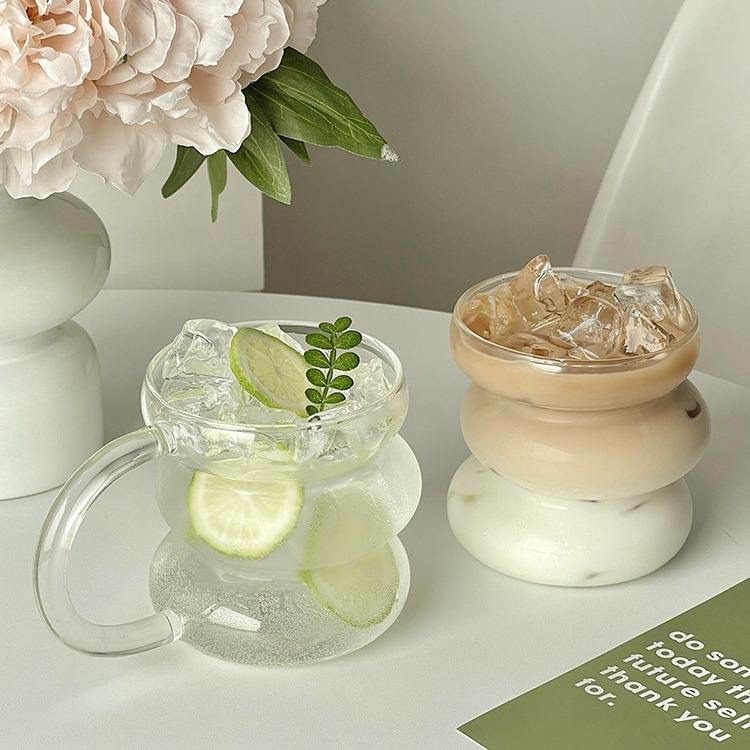
Defining Your Limited Edition Glass Mug Design
A seasonal mug collection lives and dies by its design. The theme, color, shape and printed artwork must feel fresh and tied to a specific holiday, season or event, yet the design also has to be producible within the manufacturing window. Before approaching an OEM, nail down the core product identity.
Start with the glass body. For limited‑edition glass mugs, high‑borosilicate glass (also called 3.3 borosilicate glass) is the most reliable material. It resists thermal shock between ‑20 °C and 300 °C, so a hot latte season mug or an iced Christmas mocktail cup will not crack under quick temperature changes. I see brands sometimes tempted by lower‑cost soda‑lime glass, but when a seasonal mug fails in a customer’s hands, the return erodes far more margin than the material savings ever captured. Choose borosilicate.
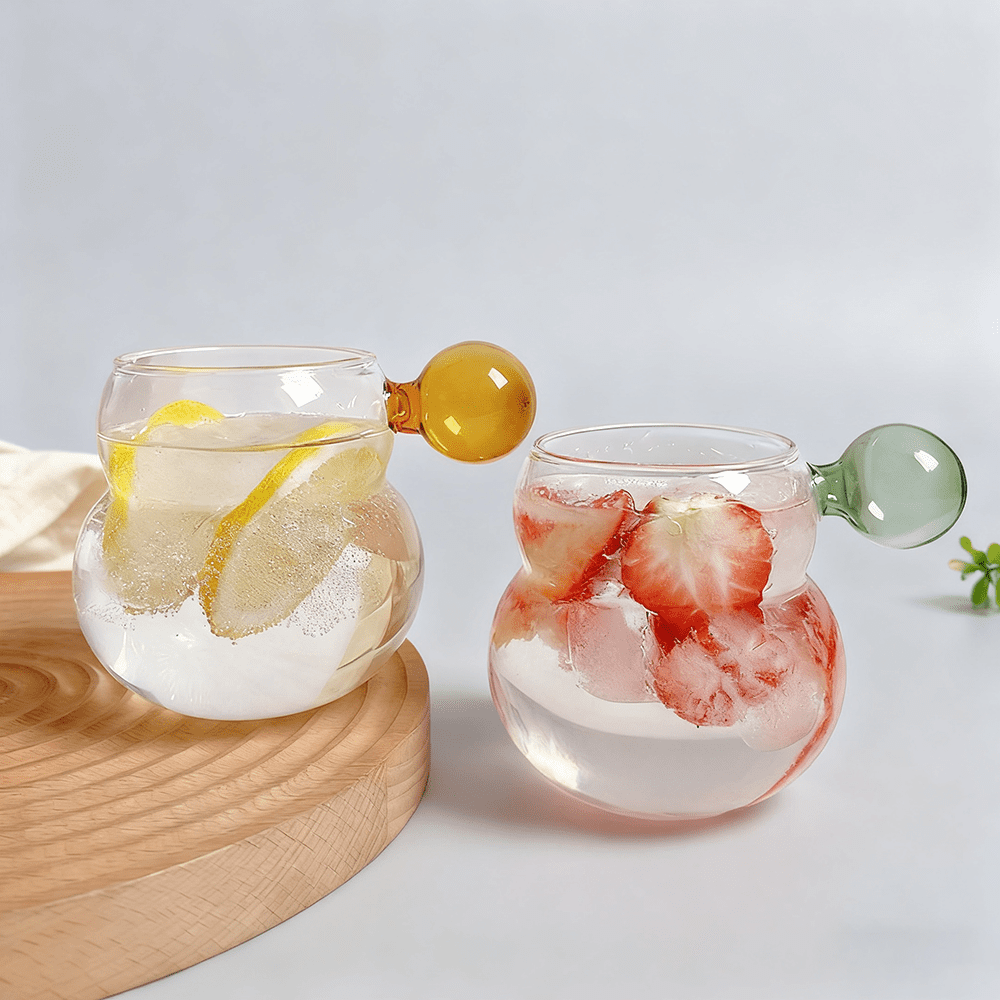
Shape is the first visual hook. On our production floor we run everything from classic cylindrical bodies to gourd‑shaped beer mugs, and each shape carries a different impression. A gourd‑shaped mug reads as festive and can anchor a winter holiday line; a straight‑walled, minimalist mug fits a spring refresh collection. The decision point here is mold investment. Custom molds are a one‑time cost but give you exclusive ownership of the shape. If your seasonal collection is a true limited edition, the exclusivity of a custom mold reinforces the scarcity that drives purchase urgency. If you prefer to launch faster or want to test a design before committing to tooling, you can select from existing factory mold libraries and differentiate with printing and packaging.
Decoration follows shape. For borosilicate glass, the three main decoration methods are silk‑screen printing, laser engraving and decal application. Silk‑screen printing works well for bold, multi‑color artwork and holds up to repeated dishwashing. Laser engraving produces a subtle, permanent mark that suits understated executive gifts. Decals can reproduce photographic detail but require more process control during firing to avoid peeling. I usually recommend silk‑screen printing for seasonal designs that need bright, retail‑ready saturation; however, if your collection leans toward a premium, minimalist aesthetic, engraving on clear glass creates a high‑end feel without adding a large per‑unit cost.
Because seasonal collections are time‑sensitive, the design decisions you make here directly affect how many pieces can be produced within your deadline. Every additional color in a silk‑screen print adds one stencil and one printing pass; a five‑color design might add two to three extra days to a production run. I advise brands to settle on two or three colors unless the artwork is the core differentiation of the collection. The goal is to have a striking, on‑trend design that the factory can execute consistently at volume, not a design that strains the production timeline and risks a late shipment.
Finding and Qualifying an OEM Glass Mug Manufacturer
The OEM relationship is the production backbone of any successful limited‑edition glass mug launch. When I speak with importers who have had problems with seasonal orders, the root cause is almost always that the factory selection was treated as a price comparison rather than a capability qualification.
There are three capabilities I look for first. One is borosilicate‑glass specialization. A factory that runs only soda‑lime glass will not have the annealing furnace profiles calibrated for borosilicate expansion rates, and the result will be residual stress that causes spontaneous breakage weeks after delivery. The second is in‑house decoration. When a factory subcontracts printing or engraving, the schedule is no longer under the factory’s direct control and seasonal lead times become unpredictable. The third is documented quality‑management systems. Ask for the factory’s FDA, LFGB or BSCI certifications and verify them against the issuing body’s database. For a seasonal collection that must arrive defect‑free during a short sales window, certifications are not paper; they are the raw evidence of a production culture that will catch problems before they reach your container.
Beyond capabilities, the fit between the factory’s production rhythm and your seasonal calendar matters immensely. I recommend asking any candidate factory directly: “What is your typical production lead time for a custom 20,000‑piece order requiring a two‑color silk‑screen decoration, and how does that lead time change in July–September?” The answer tells you two things. First, whether the factory is realistic about capacity. Second, whether they have experience accommodating the seasonal rush that hits every borosilicate glass plant when Northern Hemisphere buyers place orders for Q4 delivery. An experienced factory will be able to give you a specific week‑by‑week schedule rather than a vague “60‑day” estimate.
One resource you can use to shortlist candidates is the factory’s own product catalog. At Jianmei Glass, for example, our standard line includes borosilicate mugs ranging from 300 ml to 1000 ml with wood or stainless‑steel lids, and we regularly customize those base models with new colors, logos and packaging for seasonal programs. If a supplier already has a mug platform that fits your size and lid requirements, you can skip the full custom‑mold timeline and focus decoration and packaging resources on differentiation, which gets a seasonal collection to market much faster.
Customization Options and Production Run Planning
Once the design is locked and the factory is selected, the next step is to finalize the customization specs and build a production schedule that hits your launch date. This is where a limited‑edition approach departs from an evergreen private‑label program.
Mold customization is the highest‑impact but longest‑lead‑time customization option. A custom mold for a Becher aus Borosilikatglas typically takes 20–35 days from design approval to first sample, depending on complexity. A gourd‑shaped mug, for instance, requires a multi‑part mold with precise parting‑line placement to avoid visible seams on the final product. If your seasonal collection does not allow that lead time, an alternative is to use an existing body mold and customize the mug through color, decoration and packaging. A clear borosilicate mug with a seasonal‑theme silk‑screen and a custom gift box can feel just as bespoke as a fully custom shape while cutting 30 days from the timeline.
Capacity planning at the run level is the next piece. Limited‑edition orders often sit in an uncomfortable space between sampling and mass production: volumes are low enough that the factory must break a production rhythm, but high enough that sub‑optimal scheduling can delay the entire order. I have seen a 15,000‑piece mug order get pushed back by three weeks because it was slotted between two 100,000‑piece runs of standard jars. To avoid this, ask the factory to put the production volume, decoration steps, and ship‑by date into a formal production ticket with a committed machine‑time window. A spreadsheet schedule is not a ticket; a ticket is a document that the production manager signs and that drives daily allocation on the shop floor.
Printing and logo customization for limited editions may seem straightforward and yet many late shipments trace back to decoration process bottlenecks. If your logo requires a precise PMS color match, plan for an extra three to five days for ink mixing and test‑printing on sample mugs. If the design includes multiple print locations (for example, a front logo and a back seasonal motif), double‑check that the factory’s printing fixtures can handle the mug’s shape without distortion; a curved surface printed with a flat‑expectation artwork will show stretching at the edges. A pre‑production sample of the printed mug, produced on the actual production line rather than in the sampling studio, is the best insurance against a full batch of misprinted mugs.
| Kapazität | Dimensions (approx.) | Best Use for Seasonal Mugs |
|---|---|---|
| 300 ml | 5.8 × 16.4 cm | Espresso, tea, small gift mugs |
| 420 ml | 6.6 × 18.9 cm | Standard coffee, latte, hot cocoa |
| 500 ml | 6.6 × 20.7 cm | Large coffee, holiday hot drinks |
| 750 ml | 7.0 × 25.9 cm | Soups, oversized seasonal beverage |
Borosilicate glass mugs can be produced across the capacity range shown above. For seasonal collections, the 420 ml and 500 ml sizes are the most common because they cover both hot drinks and cold holiday cocktails while keeping the unit cost attractive for gift‑set pricing.
If your program involves a tight shipping window for a specific holiday or event, it is worth confirming the factory’s peak‑season capacity before you finalize the run quantity. Reach out at [email protected] with your target volume and date and we can confirm whether the schedule is feasible before you commit to tooling or decoration costs.
Quality Control and Compliance for Seasonal Glass Mugs
When a seasonal mug arrives with a defect, the retailer has no time to reorder; the sales window closes and the inventory becomes dead stock. That reality makes quality control for limited‑edition glass mugs a higher‑stakes exercise than for a reorderable SKU.
We perform a four‑point check on every custom mug run: dimensional tolerance, annealing stress, decoration adhesion and lid‑fit seal. The first two come from the glass‑forming process and the annealing furnace. For borosilicate, the annealing temperature must hold a precise curve that releases internal stress. An inadequately annealed mug may pass visual inspection but will crack when a customer pours boiling water into it. I ask the QC team to sample‑test five mugs per annealing batch by pouring 100 °C water into them and holding for 30 seconds; a mug that survives this with no crack or micro‑fissure is properly annealed.
Decoration adhesion is particularly important for seasonal mugs that may be stored for months before use or that will be washed repeatedly during a holiday season. A cross‑hatch tape test per ASTM D3359 (or equivalent) on the print area is a simple, standard method that reveals whether the silk‑screen ink has properly bonded to the glass surface. If the print lifts, the decoration process parameters need adjustment. For laser‑engraved designs, the test is less about adhesion and more about surface integrity; the engraving must not create micro‑cracks that propagate under thermal stress. A thermal‑shock test that cycles the mug between ice‑water and hot water twice will uncover any such weakness.
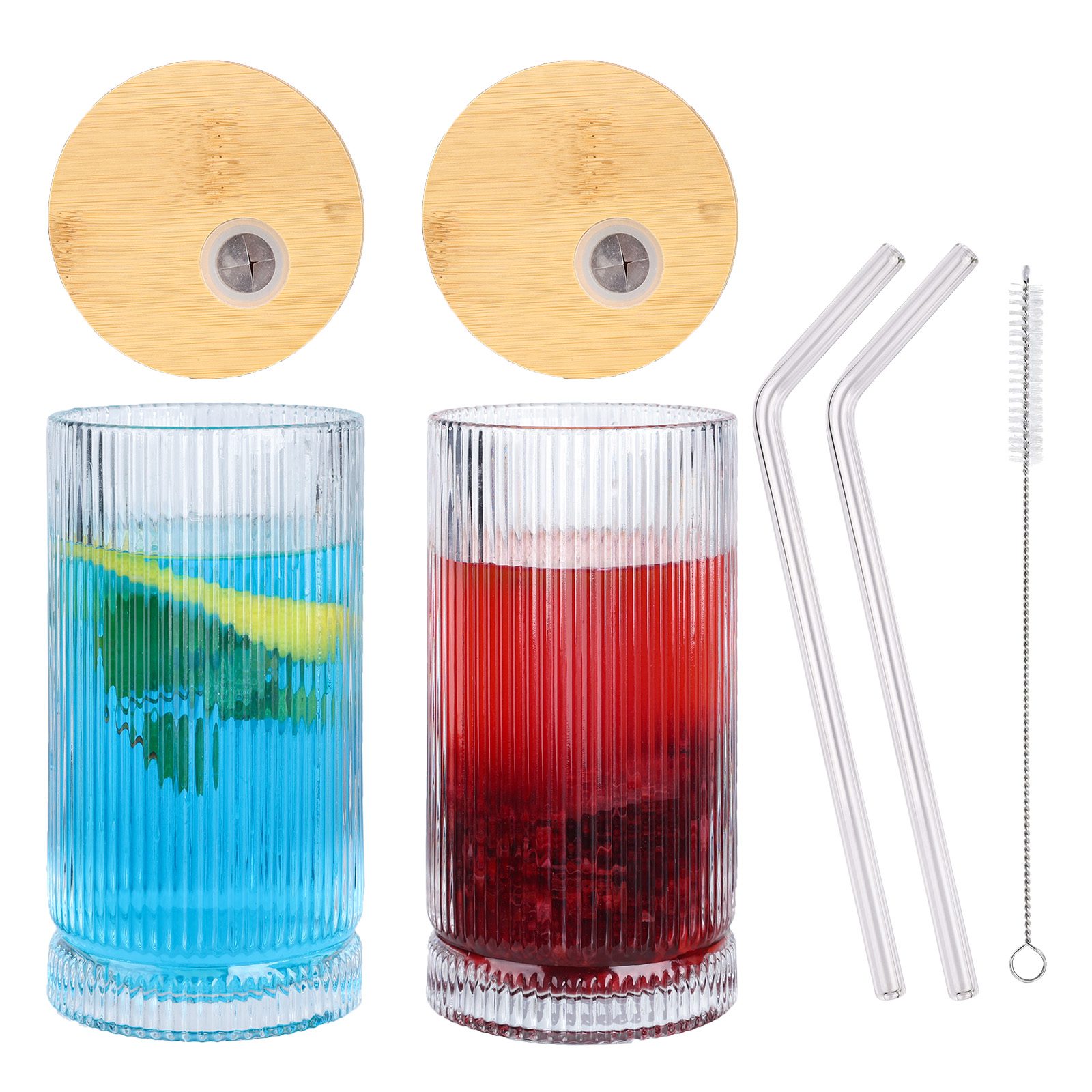
Lid fit deserves more attention than most sourcing guides give it. A lid that leaks or feels loose transforms a premium glass mug into a frustration. If your seasonal collection includes a wooden or stainless‑steel lid with silicone seal, specify the seal‑ring material (food‑grade silicone is the minimum) and the lid‑seating tolerance. I recommend a go/no‑go gauge test: the lid must achieve a drip‑free seal at all angles of tilt up to 45 degrees when the mug is full of water. Batch‑inspecting 20 lids per carton is a reasonable sampling plan for a 10,000‑piece order; for smaller limited‑edition runs, a 100‑percent lid inspection is practical and adds only a few hours of labor.
The compliance documents that a buyer needs also depend on the destination market. For the US, FDA food‑contact certification is required; for the EU, LFGB and CE marking; for Australia, AS/NZS 4371. I keep a master file of the valid certificates for each mug platform we produce at Jianmei Glass, and I advise buyers to request the actual certificate numbers and expiry dates rather than accepting a statement of “certified.” A factory that cannot present current, verifiable certificates is not a factory to trust with a seasonal collection.
Logistics, Packaging and Launch Timing
Packaging for limited‑edition glass mugs serves two masters: it must protect the glass during multi‑modal shipping, and it must amplify the seasonal brand experience at the point of sale. I have seen collections where the mug was beautiful but arrived in a plain white box with no insert, and the perceived value dropped immediately. Seasonal packaging is part of the product.
The standard packaging approach for a seasonal glass mug set includes an individual gift box with a foam or paper‑pulp insert, printed with the brand logo and seasonal artwork. At Jianmei Glass we offer custom box dimensions, paper stock and finish options, and we can integrate the packaging into the production timeline so that boxes are printed concurrently with the mugs. If the retailer plans to sell the mugs in open‑display shelf boxes, the box itself becomes a selling tool and the print quality must be as tight as the mug decoration. I recommend requesting a packaging sample printed on the actual production stock, not a digital proof, before signing off.
From a logistics standpoint, the shipping method and incoterms need to be chosen with the launch date fixed in mind. An express freight option (air or express sea) may add $0.20‑$0.50 per unit compared with standard ocean freight, but for a seasonal collection that must be on shelves by November 1, the cost of a delayed shipment exceeds that difference many times over. I always recommend that brands budget for express freight for the initial seasonal shipment and then switch to standard ocean for the replenishment order if there is one, but the reality with limited editions is that there is often no second order because the season ends. Build the freight cost into the landed cost calculation from the start.
Lead‑time management relies on a reverse‑planning schedule. Start with the must‑have on‑shelf date (say, November 1) and subtract your domestic distribution and customs clearance time (usually 7–14 days for ocean shipments), then subtract the ocean transit time (20–35 days depending on origin and destination), and you arrive at the latest factory ship‑out date. From that ship‑out date, subtract the production window (typically 25–40 days for a custom mug order plus packaging) and you reach the latest mold‑approval or sample‑approval date. I keep a reverse‑planning template because it is the single most effective tool for preventing seasonal‑collection delays. Many first‑time seasonal buyers plan forward from today’s date and end up missing the window; planning backward from the shelf date forces every stage to justify its duration.
If you need help building a reverse‑planning schedule for a limited‑edition glass mug line, send your target launch date and volume to [email protected]. We can map the production stages against that calendar so you can see whether a custom mold, a decoration run, gift‑box packaging and on‑time delivery are achievable within the remaining window.
Common Questions About Seasonal Glass Mug OEM Programs
How small can a limited‑edition glass mug order be?
The minimum order quantity for a custom borosilicate glass mug with logo printing is typically 500–1,000 pieces per design, though some factories accept as few as 300 pieces with a surcharge. For a truly exclusive edition, a run of 2,000‑5,000 pieces balances exclusivity with acceptable unit economics. Smaller quantities push the unit decoration and setup costs higher, so I recommend calculating the per‑unit cost at several volume breakpoints before locking the edition size.
How long does a custom mold take for a seasonal glass mug?
A simple two‑part mold for a cylindrical mug body usually takes 20–25 days from final 3D design approval to the first off‑tool sample. A complex shape such as a gourd or a faceted body may extend to 30–35 days because it requires multi‑segment molds and additional sample‑fitting cycles. If the seasonal deadline does not allow that lead time, choosing a factory’s existing mold library and customizing through color and decoration remains the fastest path.
Can I mix multiple mug designs in one seasonal collection order?
Yes, and I see this frequently. A Christmas collection might include a 420 ml Santa‑motif mug, a 500 ml snowflake mug and a 300 ml reindeer mug, all produced under one purchase order. The production team must account for the changeover time between designs, which for silk‑screen printing is typically 1–2 hours per color change. The factory can consolidate the shipment as long as all designs are ready within the same shipping window. This approach helps a brand offer variety without multiplying the logistics cost.
What packaging is available for seasonal glass mug gift sets?
Individual gift boxes with custom‑printed artwork, foam inserts and magnetic or sleeve‑closure lids are available. You can also add a seasonal sleeve band over a plain box to create a limited‑edition look while keeping the base packaging reusable for other products. I have seen a sleeve graphic that changes every year become a collectible design element in its own right. Request a packaging sample at the same time you request the pre‑production mug sample so that the full retail presentation can be evaluated as one unit.
How do I plan the shipment so my seasonal mugs arrive before the holiday season?
The most reliable method is to reverse‑plan from the on‑shelf date and include a buffer of 5–10 business days for customs clearance delays. If the shipment is destined for the US West Coast, the ocean transit from a Chinese port is roughly 12–15 days on an express‑sea service; add trucking and distribution and you are looking at 20 days from factory gate to warehouse. Air freight cuts that to roughly 5–7 days but raises the per‑unit cost noticeably. For a limited‑edition collection where missing the window means the order is unsellable, I usually recommend building express‑sea or air‑freight costs into the initial budget. If your target volume and delivery window are set, share them with us at [email protected] and we will confirm the feasible ship‑by date and the optimal freight option for your season.
Wenn Sie daran interessiert sind, sollten Sie sich diese verwandten Artikel ansehen:
der ultimative Leitfaden für tägliche Aktionen zum Schutz der Erde
Leitfaden für Importeure: Edelstahl- vs. Glasflaschen – Lieferantenübersicht
die besten Materialien für Trinkgeschirr Glas, Keramik oder Edelstahl