 German
  English
  Arabic
  Spanish
 Als Produktionsleiter mit mehr als zehn Jahren Erfahrung in der Herstellung von Behältern aus Borosilikatglas stelle ich fest, dass sich bei Spezialitätenkaffee- und Teehändlern immer wieder dasselbe Problem wiederholt: Sie stellen fest, dass luftdichtes GlasgefäßProdukte, die im Regal gut aussehen, bei denen aber die Verschlüsse nach ein paar Monaten versagen oder die gerade vor dem Weihnachtsgeschäft ausverkauft sind. Beschaffung luftdichter GlasgefäßDie Anschaffung von Behältern für die Aufbewahrung von Kaffee und Tee ist nicht mit dem Kauf von handelsüblichen Küchenartikeln zu vergleichen. Konsistenz, Rückverfolgbarkeit der Materialien und die Skalierbarkeit der Produktion sind ebenso wichtig wie das Design des Deckels. Dieser Leitfaden erläutert, worauf Sie vor einer Großbestellung achten sollten – von der Glaszusammensetzung bis hin zur individuellen Anpassung der Formen –, damit Ihre Behälter die Frische Ihrer Produkte und den Ruf Ihrer Marke schützen.
Warum Borosilikatglas die richtige Wahl für die Aufbewahrung von Kaffee und Tee ist
Kaffeebohnen und Teeblätter reagieren empfindlich auf Sauerstoff, Feuchtigkeit und Licht. Kalk-Natron-Glas, wie es in den meisten preiswerten Gläsern verwendet wird, weist eine mikroskopisch kleine Porosität auf, durch die Gerüche aufgenommen werden können und aus der im Laufe der Zeit Substanzen austreten können, die den Geschmack verändern. Borosilikatglas, das mit Boroxid hergestellt wird, ist porenfrei und chemisch inert. Es reagiert weder mit den Ölen im Kaffee noch mit den flüchtigen Verbindungen im Tee, sodass der Inhalt sein ursprüngliches Geschmacksprofil auf unbestimmte Zeit behält.
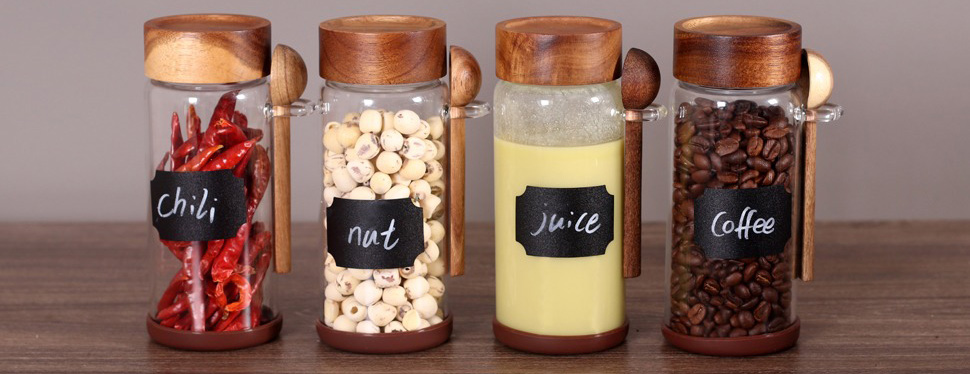
Für alle unsere luftdichten Vorratsgläser verwenden wir 3,3-Borosilikatglas. Dieses Material hält Temperaturschwankungen von -20 °C bis 300 °C stand, ohne zu zerbrechen – ein wichtiger Aspekt, wenn ein Händler Tee verkauft und der Kunde das Glas unmittelbar nach dem Herausnehmen aus dem Kühlschrank mit heißem Wasser ausspült. Zudem ist es BPA- und bleifrei, was durch Tests von SGS und der FDA bestätigt wurde. Wenn mich ein Käufer fragt, ob Borosilikat den Aufpreis wert ist, weise ich darauf hin, dass Rücksendungen und Imageschäden durch ein Glas, das Substanzen abgibt oder zerbricht, weitaus mehr kosten als der Preisunterschied pro Stück.
Was man von der luftdichten Abdichtung eines Herstellers erwarten sollte
Ein Glas ist nur so gut wie sein Verschluss. Wir prüfen jedes Deckel-Design mit einem Vakuumabfallverfahren: Ein Glas wird verschlossen, der Druck außerhalb wird gesenkt, und wir messen den Lufteintritt über einen Zeitraum von 24 Stunden. Ein wirklich luftdichter Verschluss hält den Innendruck stabil. Die häufigsten Schwachstellen sind das Dichtungsmaterial und die Passfläche zwischen Deckel und Glas.
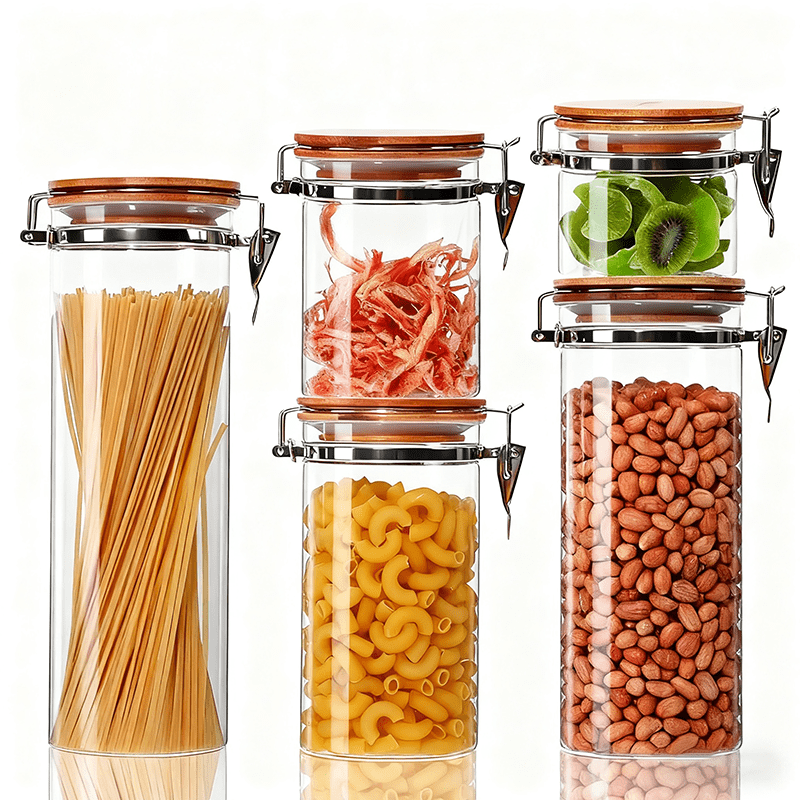
Edelstahldeckel mit einem Silikon-O-Ring bieten langfristig die beste Dichtungsbeständigkeit. Bei Deckeln aus Bambus oder Akazienholz muss ein Silikonring in eine Nut eingesetzt werden, wobei die Nutentiefe innerhalb von 0,1 mm einheitlich sein muss, um Luftkanäle zu vermeiden. Ich habe Produktionschargen gesehen, bei denen eine etwas zu flache Nut zu einer Fehlerquote von 15% bei der Dichtheitsprüfung führte. Unsere Deckel werden auf CNC-gesteuerten Anlagen gefräst, und jede Charge wird morgens und nachmittags an drei Maschinen stichprobenartig geprüft, um Maßabweichungen zu erkennen.
Wenn Ihr Programm Lager in Küstenregionen mit hoher Luftfeuchtigkeit umfasst, kann Feuchtigkeit dazu führen, dass Holzdeckel aufquellen und sich die Dichtung im Laufe der Zeit verändert. Es empfiehlt sich, vor der endgültigen Bestellung das Deckelmaterial und den Dichtungstyp für Ihre spezifische Umgebung zu klären. Senden Sie uns eine E-Mail an [email protected] mit Angaben zu Ihrem voraussichtlichen Klimabereich, und wir empfehlen Ihnen die passende Deckelvariante.
Individuelle Gestaltungsmöglichkeiten, die luftdichte Gläser besonders hervorheben
Fachgeschäfte sind mit Standardgläsern selten erfolgreich. Form, Logo und Verpackung müssen zur Markenidentität passen. Wir bieten umfassende OEM-Anpassungen an: Der Behälterkörper kann rund, eckig, gerippt oder anhand einer kundenspezifischen Form gefertigt werden. Die Anbringung des Logos ist per Siebdruck, Lasergravur oder Abziehbild möglich – alle Verfahren sind auf Spülmaschinenfestigkeit geprüft. Der Deckel selbst kann farblich an Ihre Markenpalette angepasst werden, und wir können Silikondichtungen in individuellen Farben herstellen.
Nachstehend sind die Standard-Fassungsvermögen der Gläser und typische Anwendungsbereiche im Einzelhandel aufgeführt. Durch die individuelle Anpassung der Form können Sie Durchmesser und Höhe innerhalb derselben Grundform variieren und so eine ganze Familie von Glasgrößen auf Basis eines einzigen Designs schaffen.
| Kapazität | Abmessungen (mm) | Am besten geeignet für |
|---|---|---|
| 300ml | 58 × 164 | Probenbehälter für Single-Origin-Tee oder Kaffee aus Kleinserien |
| 420ml | 66 × 189 | Einzelhandelspackungen mit losem Tee (8–12 Portionen) |
| 500ml | 66 × 207 | Kaffee in ganzen Bohnen, 250-Gramm-Beutel |
| 550ml | 66×222 | Großblättriger Kräutertee oder 340 Gramm Kaffee |
| 750ml | 70×259 | Kaffeebohnen in Großpackung, 500-Gramm-Verkaufsdisplay |
| 1000ml | 75 × 250 oder 85 × 240 | Kaffee-Abo-Boxen, Teebehälter in Familiengröße |
Wir verfügen über 45 Geschmacksmuster, sodass einzigartige Formen geschützt werden können. Ebenso wichtig ist die individuelle Gestaltung der Verpackungen: Verkaufsfertige Kartons mit Schaumstoffeinlagen, individuelle Etiketten und der Aufdruck von Barcodes werden vollständig im eigenen Haus abgewickelt, um kurze Lieferzeiten zu gewährleisten.
Produktionskapazität und Lieferzeiten für Bestellungen von luftdichten Glasbehältern
Unsere Anlage erstreckt sich über 40.000 Quadratmeter und verfügt über 100 hochmoderne Maschinen in den Bereichen Umformung, Glühen und Prüfung. Mit 200 Mitarbeitern im Dreischichtbetrieb produzieren wir täglich 200.000 Stück. Dank dieser Kapazität können wir selbst in der Hochsaison vor den Feiertagen eine komplette Containersendung versenden, ohne die Produktion auf Subunternehmer aufteilen zu müssen.
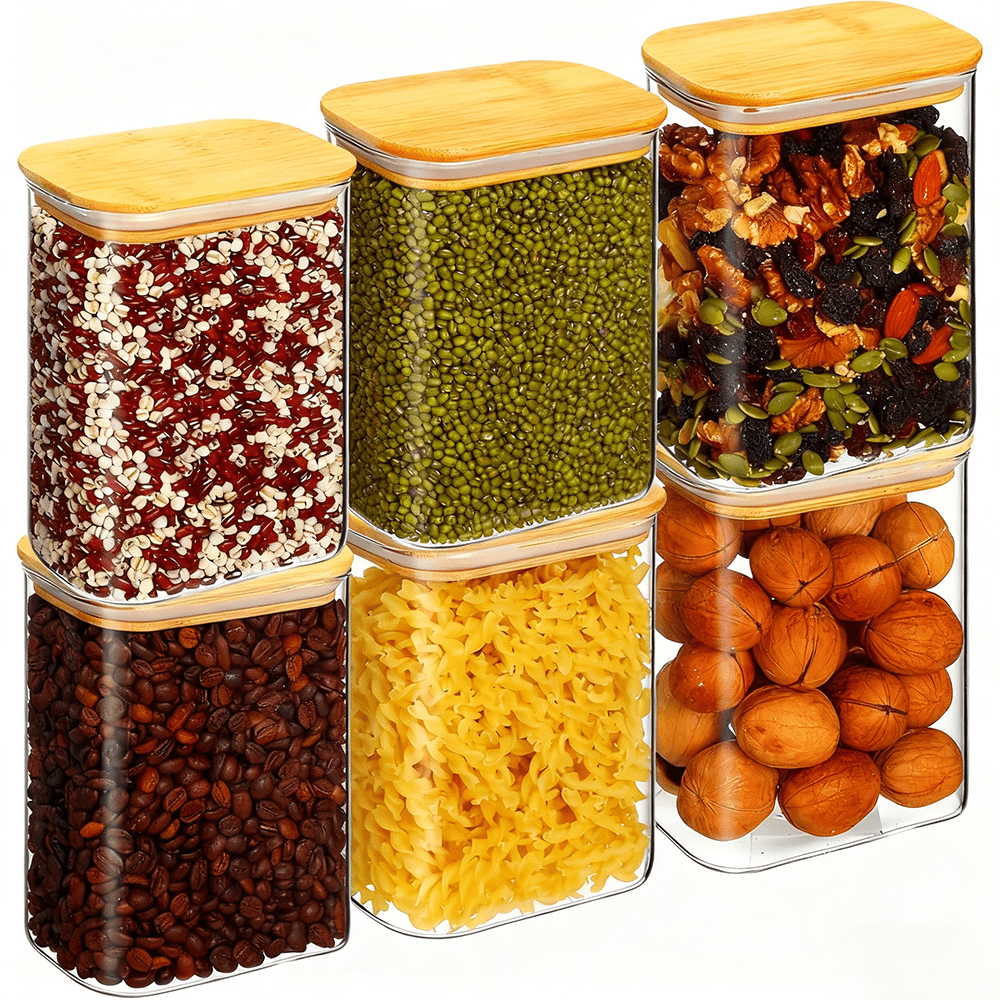
Die Anfertigung eines Standardmusters dauert ab Auftragsbestätigung sieben Tage. Sobald die Form freigegeben ist, beträgt die Vorlaufzeit für die Serienfertigung 30 bis 45 Tage, abhängig von der Komplexität der Dekoration und der Stückzahl. Ich überwache die Produktionspläne in allen Abteilungen persönlich; unsere Termintreue bei Exportaufträgen lag in den letzten drei Jahren stets über 98%. Die Mindestbestellmengen sind flexibel: Für Muster akzeptieren wir bereits ein Einzelstück, und die Mindestbestellmengen für Großaufträge werden auf der Grundlage der Formkosten und der Komplexität der Behälter ausgehandelt.
Wichtige Zertifizierungen für luftdichte Glasbehälter im Einzelhandel
Die Vorschriften für den Kontakt mit Lebensmitteln variieren je nach Markt. In den USA gilt die Konformität mit FDA CFR 21 als Grundvoraussetzung. In Europa verlangen Einkäufer häufig Prüfungen gemäß dem LFGB (Lebens- und Futtermittelgesetzbuch). Beide erfordern Grenzwerte für die Migration von Schwermetallen sowie eine umfassende Zusammensetzungsanalyse. Unsere Gläser sind nach den Protokollen der FDA, des LFGB, der CE und der SGS zertifiziert, wobei 120 Prüfzertifikate jährlich aktualisiert werden. Darüber hinaus verfügen wir über die BSCI-Zertifizierung zur Einhaltung sozialer Standards, die viele große Einzelhandelsketten mittlerweile von ihren Lieferanten verlangen.
Wenn Sie einen potenziellen Lieferanten prüfen, fragen Sie nach Migrationsprüfberichten auf Chargenebene und nicht nur nach einem einzigen Zertifikat für das gesamte Werk. Ein seriöser Hersteller wird Ihnen einen Prüfbericht vorlegen, der sich auf Ihre spezifische Produktionscharge bezieht. Ich rate Importeuren, den Bericht mit der Glaszusammensetzung des Glasbehälters abzugleichen: Hochborosilikatglas enthält in der Regel 12–15% Boroxid; bei minderwertigeren Qualitäten kann der Gehalt unter 5% fallen, wodurch die von Ihnen erwartete thermische und chemische Beständigkeit verloren geht. Weitere Hinweise zur Bewertung von Glasfabriken finden Sie in unserem Checkliste zur Lieferantenbewertung behandelt die Überprüfungsschritte auf Werksebene, zu deren Durchführung wir Käufern raten.
Die Auswahl luftdichter Glasbehälter für die Aufbewahrung von Kaffee und Tee ist eine Entscheidung, die sich direkt auf den Ruf Ihrer Marke auswirkt. Ein Behälter, der nach wenigen Monaten undicht wird, oder Glas, das mit dem Produkt reagiert, untergräbt das Vertrauen Ihrer Kunden schneller als jeder andere Verpackungsfehler. Wir haben unser Produktionssystem auf die Wiederholbarkeit, die Materialdokumentation und die Kapazitäten ausgerichtet, die Kaffee- und Tee-Händler benötigen. Senden Sie Ihre Zielmaße, Ihre Präferenz bezüglich des Deckels und Ihre Mengenprognose an [email protected], und wir senden Ihnen innerhalb eines Werktags ein Datenblatt sowie einen Zeitplan für die Musterlieferung zu.
Häufige Fragen von Fachhändlern zu luftdichten Gläsern
Wie hoch ist die Mindestbestellmenge für ein individuelles Glasdesign?
Wir legen keine hohe Mindestbestellmenge für Erstmuster fest. Sie können bereits ein einziges Prototyp-Stück bestellen. Bei der Serienfertigung hängt die Mindestbestellmenge von der Komplexität der Form und den Anforderungen an die Dekoration ab. Bei einem standardmäßigen runden Glas mit einfachem Deckel liegt die Mindestbestellmenge bei Vollfarbdruck in der Regel bei etwa 3.000 Stück, während sie bei unbedruckten Gläsern niedriger ausfallen kann. Wir legen die Mindestbestellmengen so fest, dass sie auch für unabhängige Einzelhändler realistisch sind, nicht nur für große Ketten.
Wie stellt das Werk sicher, dass jedes Glas wirklich luftdicht ist?
Wir prüfen die Dichtheit auf zwei Arten: durch stichprobenartige Inline-Probenahme und durch kundenspezifische Chargenprüfungen. Bei der Inline-Probenahme werden in jeder Schicht Gläser an drei Produktionspunkten entnommen. Ist eine Charge für die Lagerung von Kaffee bei hoher Luftfeuchtigkeit oder mit langer Haltbarkeit vorgesehen, führen wir zusätzlich einen Vakuumabfalltest an den Fertigprodukten durch. Der Test misst die Veränderung des Innendrucks über einen Zeitraum von 24 Stunden, wobei der zulässige Schwellenwert bei einem Druckverlust von weniger als 1% liegt. Auf Wunsch liegt jeder Lieferung ein Prüfbericht bei.
Können Sie eine bereits vorhandene Glasform oder einen Deckel nachbauen, die bzw. den ich bereits verkaufe?
Ja. Wenn Sie uns ein Muster oder eine technische Zeichnung zur Verfügung stellen, führen wir ein Reverse Engineering der Form durch und fertigen ein gleichwertiges Produkt aus Borosilikatglas an. Die Form des Gefäßkörpers, das Gewindeprofil und die Abmessungen des Deckels können nachgebildet werden. Außerdem prüfen wir die Luftdichtheit des ursprünglichen Designs, um mögliche Verbesserungsmöglichkeiten aufzuzeigen. Die Entwicklung der Form dauert in der Regel 15 bis 20 Tage.
Entsprechen Ihre Gläser den EU-Vorschriften für den Kontakt mit Lebensmitteln?
Ja. Alle unsere Gläser werden von akkreditierten unabhängigen Labors gemäß den LFGB-Standards geprüft. Darüber hinaus bieten wir FDA-, CE- und SGS-Zertifizierungen an. Für jeden Produktionslauf kann ein chargenspezifischer Migrationsprüfbericht vorgelegt werden, aus dem die Einhaltung der Grenzwerte für Schwermetalle hervorgeht. Wir empfehlen Ihnen, die aktuellen Änderungen in Ihrem Importland zu prüfen, da einige EU-Mitgliedstaaten mittlerweile zusätzliche Migrationsprüfungen für bestimmte Lebensmittelsimulanzien vorschreiben.
Wie lange dauert es, bis aus einer Skizze ein versandfertiges Produkt wird?
Wenn wir eine vorhandene Form mit einer individuellen Logogestaltung verwenden, sieht der Zeitplan wie folgt aus: sieben Tage für Vorproduktionsmuster, 30–35 Tage für die Serienfertigung nach Freigabe. Eine neue, maßgeschneiderte Form verlängert die Vorlaufzeit um 15–20 Tage. Einschließlich Seefracht in die USA oder nach Europa beträgt die Gesamtlieferzeit von Tür zu Tür in der Regel 8–12 Wochen. Wir können auch Luftfracht organisieren, um Markteinführungstermine einzuhalten.
Wenn Sie uns die geplanten Abmessungen der Gläser, die Art des Deckels und die für Ihren Markt erforderlichen Zertifizierungen mitteilen, erstellen wir ein Vorproduktionsmuster mit vollständigen Konformitätsunterlagen. Kontaktieren Sie uns unter [email protected].
Wenn Sie daran interessiert sind, sollten Sie sich diese verwandten Artikel ansehen:
die besten Materialien für Trinkgeschirr Glas, Keramik oder Edelstahl
auswahl chinesischer glasproduktionsbetriebe
warum bpa-risiko umarmen glas 100 sicher nachhaltig und stilvoll
„Sustainable Sips 2025“ – Kuratierte Kollektion umweltfreundlicher Trinkgefäße
Erschließen Sie Ihr Markenpotenzial mit UV-Druck