
 German
  English
  Arabic
  Spanish
 Die LFGB-Zertifizierung für Glasgetränkebehälter wird oft als ein einziges Zertifikat betrachtet, doch die eigentliche Arbeit besteht darin, den Prüfbericht genau dem Produkt und der Produktionscharge abzugleichen, die Sie importieren. Die meisten Artikel erläutern die gesetzliche Definition und belassen es dabei. Ich habe zehn Jahre an Produktionslinien für Borosilikatglas verbracht, und die Mängel, die ich bei der Prüfung feststelle, betreffen selten das Glas selbst. Sie entstehen dadurch, dass ein Prüfbericht, der für ein bestimmtes Fassungsvermögen oder eine bestimmte Deckelkonfiguration ausgestellt wurde, einem anderen Artikel (SKU) zugeordnet wird, oder dadurch, dass die Dokumentation sich auf die Materialkonformität beschränkt, ohne das fertige Produkt abzudecken. Dieser Leitfaden erläutert, was die LFGB tatsächlich vorschreibt, wie die Prüfung abläuft und was Sie überprüfen müssen, bevor Sie die Unterlagen akzeptieren.
Was umfasst die LFGB-Zertifizierung eigentlich für Trinkgläser?
LFGB steht für das Lebensmittel-, Bedarfsgegenstände- und Futtermittelgesetzbuch, das deutsche Gesetzbuch für Lebensmittel und Futtermittel. Bei Trinkgläsern handelt es sich bei einem LFGB-Gutachten um eine Laboruntersuchung, die belegt, dass das Endprodukt die deutschen Sicherheitsgrenzwerte für den Kontakt mit Lebensmitteln erfüllt. Es handelt sich dabei weder um eine Betriebsgenehmigung noch um eine einmalige, dauerhafte Zulassung. Das Gutachten beschreibt das zu einem bestimmten Zeitpunkt geprüfte Material und die Bauart.
Der Anwendungsbereich geht über Rohglas hinaus. A Borosilikatglas-Becher Bei Behältern mit Holzdeckel und Silikondichtung müssen Deckel und Dichtung in die Bewertung einbezogen werden, da der Kontakt mit dem Mund und die am Deckel entstehende Kondensflüssigkeit wieder in das Getränk gelangen. Ein weiterer oft übersehener Aspekt ist die Dekoration. Befindet sich die lackierte Oberfläche in der Nähe des Randes, sollte dieser Kontakt bei der Migrationsprüfung berücksichtigt werden.
In den meisten Artikeln zur LFGB-Zertifizierung wird das Etikett erläutert. Was dabei jedoch oft übersehen wird, ist der Abgleich zwischen dem Prüfbericht und der Artikelnummer. Ich habe in unserem Betrieb bereits Unterlagen zurückgewiesen, weil in einem Bericht ein Fassungsvermögen von 420 ml angegeben war, während der Versandkarton eine 500-ml-Flasche enthielt. Das Glas mag zwar den Vorschriften entsprechen, aber die Unterlagen stimmten nicht mit dem versendeten Produkt überein, und der Importeur wäre beim europäischen Zoll auf dasselbe Problem gestoßen.
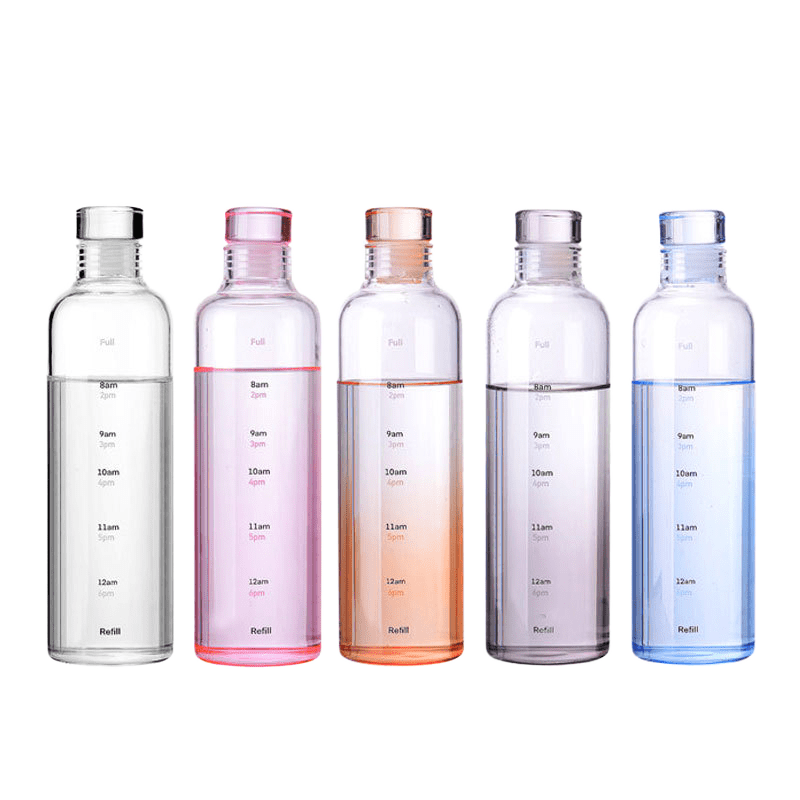
Wie wird die Einhaltung der LFGB-Vorschriften bei Trinkgefäßen aus Borosilikatglas geprüft?
Die Prüfung beginnt mit dem Material. Bei 3,3-Borosilikatglas bestehen die größten Bedenken hinsichtlich der Migration bei Blei und Cadmium, da andere Schwermetalle in der Regel durch die Glaszusammensetzung selbst begrenzt werden. Ein Labor füllt den Gegenstand mit einem Lebensmittelsimulans, hält ihn für eine festgelegte Dauer bei einer kontrollierten Temperatur und misst, was in die Lösung übergeht. Der Zustand des fertigen Gegenstands spielt eine Rolle. Ein Test an einem unbedruckten, klaren Glaskörper ist nicht mit demselben Becher vergleichbar, der in der Nähe des Randes ein Siebdrucklogo aufweist.
Auch die thermische Vorgeschichte spielt eine Rolle. Trinkgefäße aus Borosilikatglas werden geglüht, um innere Spannungen abzubauen. Ist der Glühvorgang ungleichmäßig, besteht das Produkt zwar die Maßprüfungen, es besteht jedoch eine erhöhte Gefahr, dass es in der Spülmaschine des Kunden Risse bekommt. Dieser Fehler wird bei einem Migrationsversuch nicht immer erkannt, daher sind Produktionsprotokolle und Daten aus dem Glühofen wichtige Bestandteile der Konformitätsprüfung.
Material- und Migrationsprüfungen
Das Labor untersucht das gesamte Produkt, einschließlich Glas, Deckel, Dichtung und Dekor. Die Migrationsergebnisse sind an die Prüfbedingungen gebunden, sodass ein Bericht für die Verwendung mit kaltem Wasser nicht automatisch auch für heißen Tee oder die Reinigung in der Spülmaschine gilt. Aus dem Bericht sollte hervorgehen, was unter welchen Bedingungen geprüft wurde.
Prüfungen zur Konsistenz der Produktion
Automatisierte Formungsanlagen unterliegen im Laufe der Zeit Schwankungen, und eine Form, die leicht abweicht, kann dennoch eine Maßprüfung bestehen. Bei der Überprüfung einer Konformitätsakte schaue ich mir drei Produktionsprotokolle an: die Glasmischung, die Temperkurve und die Endkontrolle des fertigen Artikels auf Risse, Absplitterungen und Verformungen am Flaschenhals. Diese Protokolle zeigen, ob es sich bei dem geprüften Produkt um dasselbe Produkt handelt, das heute hergestellt wird.
Wie lässt sich das LFGB mit den Vorschriften der FDA und der EU für Lebensmittelkontaktmaterialien vergleichen?
Importeure behandeln das LFGB, die FDA und die EU-Verordnung 1935/2004 oft als austauschbar. Das sind sie jedoch nicht. Das LFGB ist die deutsche Auslegung der EU-Vorschriften zur Sicherheit von Lebensmittelkontaktmaterialien, und viele EU-Abnehmer akzeptieren einen gültigen LFGB-Bericht als ausreichenden Nachweis. Die FDA-Registrierung gilt für den US-Markt und konzentriert sich auf Materialien und Zusatzstoffe, wobei separate Prüfungen der Endprodukte erwartet werden. EU 1935/2004 ist die Rahmenverordnung; eine Konformitätserklärung verknüpft das Produkt mit den entsprechenden Begleitunterlagen und stellt keine eigenständige Zulassung dar.
| Standard | Markt | Schwerpunkt | Beweismittel in Form von Glasgefäßen |
|---|---|---|---|
| LFGB | Deutschland und der gemeinsame EU-Referenzwert | Fertigprodukt, Migration, sensorische Eigenschaften, Schwermetalle | Auf die genaue Artikelnummer abgestimmter Prüfbericht |
| EU 1935/2004 | Europäische Union | Keine Freisetzung gesundheitsschädlicher Stoffe | Konformitätserklärung mit entsprechenden Prüfdaten |
| US-amerikanische FDA, 21 CFR | Vereinigte Staaten | Lebensmittelverträgliche Werkstoffe und Zusatzstoffe | Zusammensetzung der Stoffe und Hinweise auf Migration |
| Kalifornische Proposition 65 | Kalifornien | Expositionswarnungen und Grenzwerte für Schwermetalle | Schwermetalluntersuchung auf Blei und Cadmium |
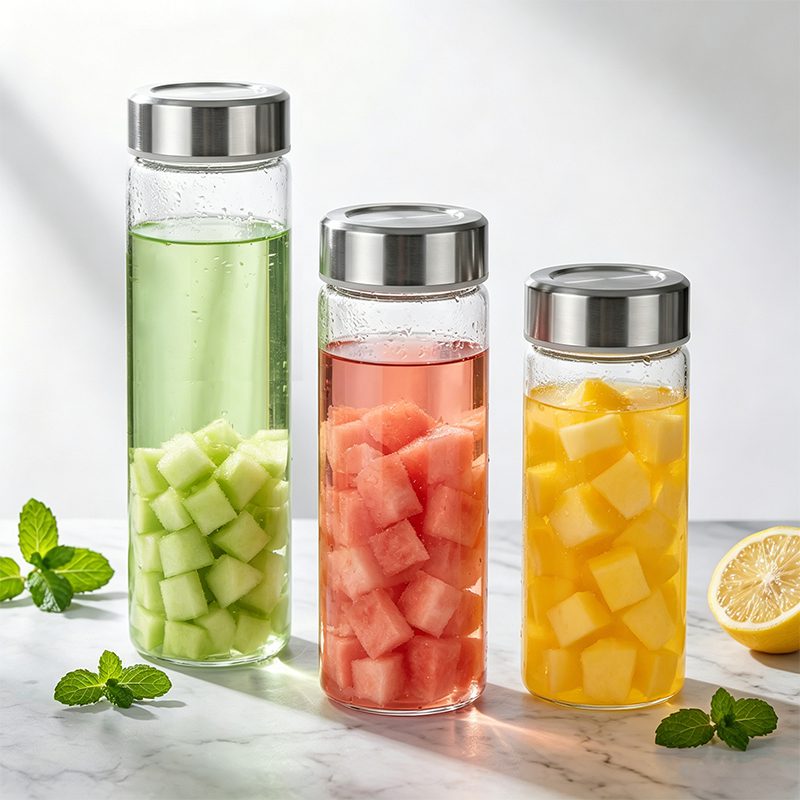
Der entscheidende Punkt ist das fertige Produkt. A Wasserflasche aus Borosilikatglas mit einem Edelstahldeckel und einer Silikondichtung umfasst drei verschiedene Materialgruppen. Wenn die Dokumentation nur den Glaskörper abdeckt, ist die Konformitätsdokumentation am Deckel unvollständig. Falls Ihre aktuelle Dokumentation nur Materialprüfungen für 3,3-Borosilikatglas enthält, bitten Sie den Hersteller, zu bestätigen, dass der Bericht über das Endprodukt den Deckel, die Dichtung und die Dekoration umfasst, bevor Sie die Bestellung abschließen. Sollte der Bericht diese Teile nicht abdecken, senden Sie Ihre Artikelliste an [email protected], und wir werden auf diese Lücke hinweisen.
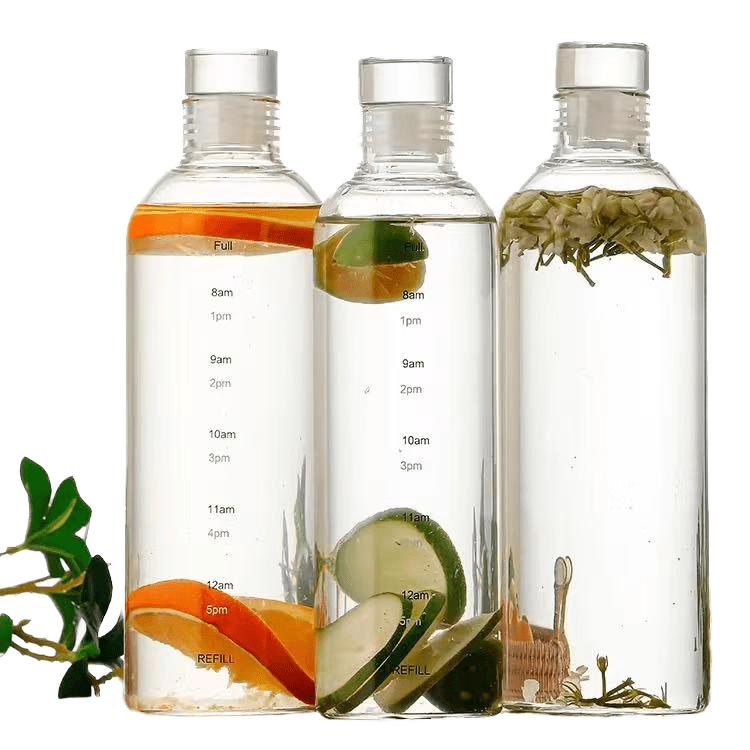
Was sollten Importeure überprüfen, bevor sie LFGB-Dokumente akzeptieren?
Der schnellste Weg, ein Compliance-Problem zu verursachen, besteht darin, eine PDF-Datei anzunehmen, ohne zu prüfen, was tatsächlich getestet wurde. Ich habe erlebt, dass Importeure einen LFGB-Bericht genehmigt haben, der bereits drei Jahre alt war und sich auf ein nicht mehr verwendetes Deckel-Design bezog. In der Produktionslinie war das Dichtungsmaterial geändert worden, doch die Unterlagen waren noch nicht entsprechend angepasst worden.
Führen Sie die folgenden Überprüfungen durch:
- Bitte überprüfen Sie, ob die Produktbeschreibung mit Ihrer Artikelnummer übereinstimmt: Fassungsvermögen, Durchmesser, Höhe, Material des Deckels, Material der Dichtung, Druckfarbe und Druckposition.
- Überprüfen Sie das Untersuchungsdatum und die Akkreditierung des Labors. Ein Befundbericht ohne Angabe des Labors oder ohne Unterschrift gilt nicht als zulässiger Nachweis.
- Bitte stellen Sie sicher, dass sich der Bericht auf das fertige Produkt bezieht und nicht nur auf Rohglas oder ein Ausgangsmaterial.
- Vergewissern Sie sich, dass die Testparameter dem vorgesehenen Verwendungszweck entsprechen. Heißabfüllung, Einwirkung von Spülmaschinen oder Langzeitlagerung verändern die Simulationsbedingungen.
- Falls das Produkt verziert ist, vergewissern Sie sich, dass die farbige Oberfläche in die Prüfung einbezogen wurde.
Durch Dokumentenprüfungen lassen sich die meisten Probleme bereits erkennen, bevor der Zoll eingeschaltet wird. Der letzte Schritt ist eine Überprüfung auf Werksebene: Dabei wird sichergestellt, dass auf der Produktionslinie weiterhin dieselbe Glasmischung, derselbe Deckel, dieselbe Dichtung und dieselbe Dekoration verwendet werden, wie sie im Bericht angegeben sind.
Was sollten Sie tun, wenn Ihre LFGB-Unterlagen unvollständig sind?
Eine unvollständige LFGB-Datei bedeutet in der Regel, dass der Bericht zwar vorhanden ist, aber die Zuordnung zum bestellten Produkt fehlt. Dies tritt häufig bei Programmen mit gemischten Kapazitäten und bei Eigenmarkenprojekten auf. Die Lösung besteht nicht darin, den Bericht zu verwerfen, sondern pro SKU einen Dokumentensatz zusammenzustellen und die Lücke zu identifizieren. Bei Xuzhou Jianmei Glass Products Co., Ltd. verfügen unsere Standard-Getränkeglas-Serien aus Borosilikatglas über FDA-, LFGB- und SGS-Prüfberichte, und wir führen kapazitätsspezifische Aufzeichnungen für Artikel wie 420-ml-, 500-ml- und 1000-ml-Glasflaschen. Wenn Ihre Bestellung gemischte GlasbecherWenn Sie Becher, Trinkgläser, Gläser oder einen individuellen Logodruck wünschen, senden Sie bitte Ihre Artikelliste, das Fassungsvermögen, die Art des Deckels und die Zielgruppe an [email protected]. Wir prüfen, welche Unterlagen bereits vorliegen, und weisen Sie auf alles hin, was vor Ihrer endgültigen Entscheidung noch zusätzlich getestet werden muss.
Welche weiteren Fragen stellen Importeure zu LFGB-konformen Glasgetränkebehältern?
Gilt das LFGB für den Deckel und den Verschluss oder nur für das Glas?
Der Deckel und die Dichtung sind Teil des fertigen Produkts und müssen im Bericht berücksichtigt werden. Eine Flasche aus Borosilikatglas mit einem Edelstahldeckel und einer Silikondichtung weist Kontaktflächen außerhalb des Glases auf, sodass ein Bericht, der sich ausschließlich auf den Glaskörper bezieht, den Importeur einem Risiko aussetzt. Das Labor sollte das Produkt in seiner zusammengesetzten Form bewerten und nicht als einzelne Komponenten.
Ist ein LFGB-Prüfbericht unbefristet gültig?
Häufig wird angenommen, dass ein LFGB-Gutachten ein Produkt dauerhaft abdeckt. So funktioniert das jedoch nicht. Ein Gutachten beschreibt den zu einem bestimmten Zeitpunkt geprüften Artikel, und Änderungen an Material, Fassungsvermögen, Dekoration oder Lieferant können diesen Zusammenhang aufheben. Einkäufer sollten ein aktuelles Gutachten anfordern, das der aktuellen Produktionsversion entspricht, insbesondere nach einer Formüberarbeitung oder einem Deckelwechsel.
Wir verkaufen ausschließlich in den USA; brauchen wir trotzdem die LFGB?
Bei einem ausschließlich für den US-Markt bestimmten Programm hat der Nachweis der Lebensmittelsicherheit gemäß FDA-Vorschriften Vorrang; viele US-Marken verlangen jedoch weiterhin LFGB-Gutachten, wenn ihre Fertigprodukte über den europäischen oder globalen Vertrieb vertrieben werden. Wenn der Absatzmarkt Ihres Abnehmers unklar ist, klären Sie zunächst den Zielmarkt ab und erfragen Sie dann die entsprechende Norm. Eine Nichtübereinstimmung kann dazu führen, dass eine Lieferung zurückgehalten wird, selbst wenn das Produkt an sich sicher ist.
Wie kann ich überprüfen, ob der LFGB-Bericht einer chinesischen Fabrik echt ist?
Bei Werksaudits und Dokumentenprüfungen schaue ich mir zunächst den Namen des Labors, die Berichtsnummer und die Produktbeschreibung an. Ein echter Bericht lässt sich beim ausstellenden Labor überprüfen, und die Produktbeschreibung muss exakt mit der Artikelnummer übereinstimmen. Wenn ein Lieferant zögert, den vollständigen Bericht zur Verfügung zu stellen, oder die Produktbeschreibung vage ist, ist das ein Warnsignal. Teilen Sie uns Ihre Anforderungen und Ihre Artikelliste unter [email protected] mit, und wir prüfen, welche Konformitätsunterlagen für die von Ihnen geplanten Bestellungen verfügbar sind.
Wenn Sie daran interessiert sind, sollten Sie sich diese verwandten Artikel ansehen:
Borosilikatglas vsordinäres GlasNatronkalkglas
warum Glas ein unverzichtbares Starprodukt für Ihre Regale ist
Erschließen Sie Ihr Markenpotenzial mit UV-Druck