
 German
  English
  Arabic
  Spanish
 Die CE-Kennzeichnung für Glasprodukte ist keine pauschale Anforderung für jeden nach Europa gelieferten Glasartikel. Für die meisten Trinkgefäße, Gläser und Lebensmittelbehälter aus Borosilikatglas gelten die entsprechenden Verpflichtungen eher im Rahmen der Vorschriften für Materialien mit Lebensmittelkontakt als im Rahmen der CE-Richtlinien. Bei Glas, das im Bauwesen verwendet wird, oder bei Glaskomponenten, die Elektronik enthalten, folgt die CE-Kennzeichnung einem anderen Weg: einer modulbasierten Konformitätsbewertung gemäß einer spezifischen EU-Verordnung. Ich stelle fest, dass diese Unterscheidung in Beschaffungsgesprächen oft übersehen wird. Wenn man dies vor Produktionsbeginn richtig klärt, vermeidet man Nacharbeiten, Zollverzögerungen und eine Konformitätsdokumentation, die der Prüfung durch einen EU-Importeur nicht standhält.
Die CE-Kennzeichnung gilt für bestimmte Kategorien von Glasprodukten
Die erste Frage, die sich jeder Importeur stellen muss, lautet nicht, wie man die CE-Kennzeichnung erhält, sondern ob das Produkt überhaupt unter eine CE-Richtlinie fällt. Die EU-Verordnung 765/2008 legt den allgemeinen Rahmen für die Marktüberwachung fest, während spezifische Rechtsvorschriften bestimmen, wann ein Produkt die Kennzeichnung tragen muss. Bei Glasprodukten verläuft die praktische Trennlinie zwischen Haushaltsglaswaren, die mit Lebensmitteln in Berührung kommen, und regulierten Produktkategorien wie Bauglas oder elektrischen Glasbauteilen.
| Produkttyp | CE-Kennzeichnung erforderlich | Vorrangige EU-Verpflichtung |
|---|---|---|
| Wasserflasche aus BorosilikatglasTassen, Becher und Gläser | Nein, es sei denn, der Artikel enthält elektronische Bauteile. | Verordnung (EG) Nr. 1935/2004 über Materialien und Gegenstände, die mit Lebensmitteln in Berührung kommen, und Verordnung (EG) Nr. 2023/2006 über gute Herstellungspraxis (GMP) |
| Glasbehälter mit Deckeln aus Bambus oder Edelstahl | Nein | Erklärung zur Lebensmittelechtheit sowie Materialprüfberichte |
| Glasplatten, Geländer und Duschwände | Ja | Bauprodukteverordnung 305/2011 |
| Glasleuchten oder Trinkgefäße mit integrierten LEDs | Ja | Niederspannungsrichtlinie 2014/35/EU und EMV-Richtlinie 2014/30/EU |
| Glasverpackungen für Lebensmittel oder Kosmetika | Nein | Anforderungen an Verpackungen für Lebensmittel oder Kosmetika gemäß der Verordnung (EG) Nr. 1935/2004 |
Glasprodukte für den Bau folgen einem anderen CE-Weg
Für Glas, das in Gebäuden verwendet wird, ist die CE-Kennzeichnung gemäß der Bauprodukteverordnung (EU) Nr. 305/2011 vorgeschrieben. Der Hersteller muss eine Leistungserklärung ausstellen und die in der entsprechenden harmonisierten Norm festgelegten Verfahren zur Bewertung und Überprüfung der Leistungsbeständigkeit befolgen. Dies gilt für gehärtetes Sicherheitsglas, Verbundglas und strukturelle Glaselemente, die in Geländern, Trennwänden und Fassaden verwendet werden. Wenn ein Importeur diese Produkte auf dem EU-Markt in Verkehr bringt, bilden die Leistungserklärung, die CE-Kennzeichnung und etwaige Unterlagen der benannten Stelle ein einheitliches Konformitätspaket. Ich würde kein Angebot für Bauglas ohne eine Leistungserklärung akzeptieren, in der die Produktnorm und der Verwendungszweck genannt sind. Diese Anforderung unterscheidet sich von der Anbringung einer Kennzeichnung auf einem Glasbecher, für den keine Rechtsgrundlage für die CE-Kennzeichnung besteht.
Glasprodukte für den Lebensmittelkontakt benötigen mehr als nur die CE-Kennzeichnung – sie müssen auch durch Prüfnachweise belegt sein
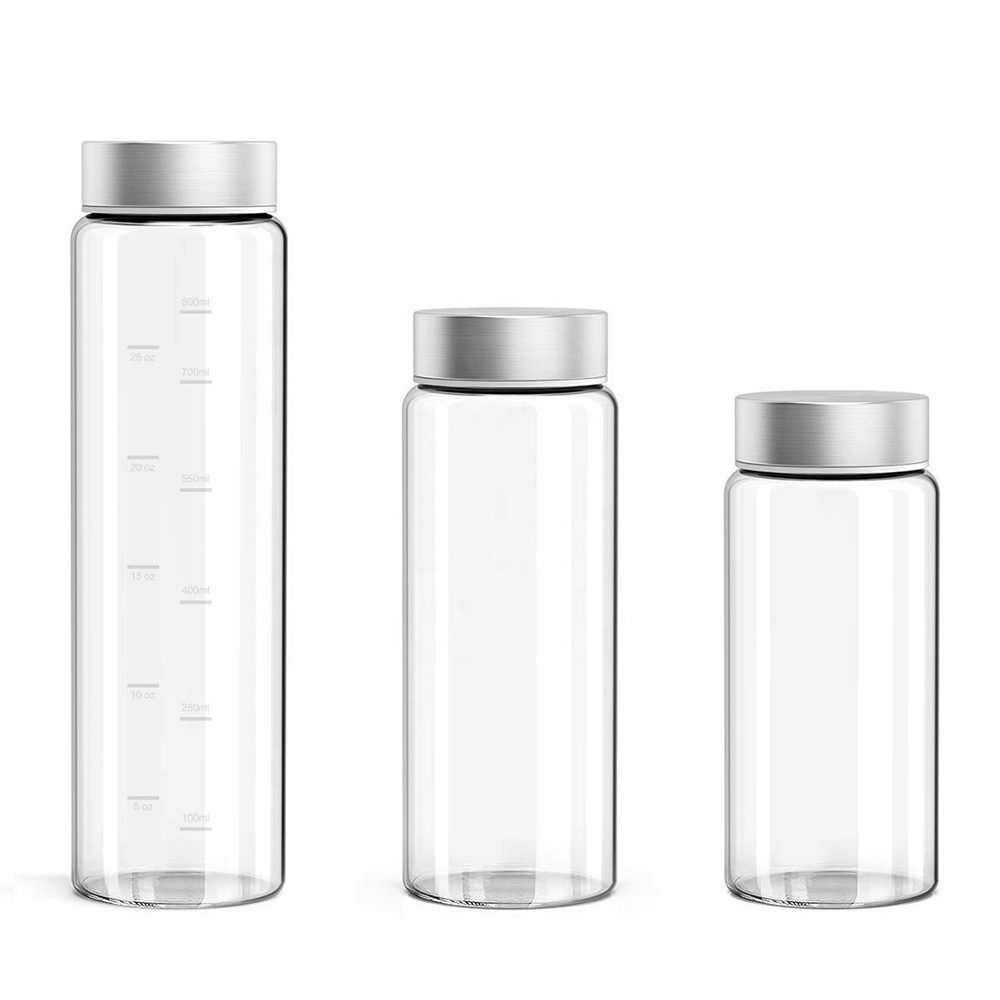
Für Borosilikat Glas-WasserflascheBei Gläsern, Bechern und Vorratsbehältern für Lebensmittel ist eine CE-Kennzeichnung in der Regel nicht erforderlich. Die Rechtsgrundlage bilden die Verordnung (EG) Nr. 1935/2004 über Materialien, die dazu bestimmt sind, mit Lebensmitteln in Berührung zu kommen, sowie die Verordnung (EG) Nr. 2023/2006 über die gute Herstellungspraxis. Diese Vorschriften verlangen, dass Materialien keine Bestandteile in Mengen an Lebensmittel abgeben, die die Gesundheit gefährden oder die Zusammensetzung, den Geschmack oder den Geruch der Lebensmittel verändern könnten. In der Praxis sollten Importeure statt eines CE-Zertifikats Migrationsprüfungen, Berichte zur Schwermetallfreisetzung und Daten zur Temperaturwechselbeständigkeit anfordern. Unsere Trink- und Aufbewahrungsartikel aus Borosilikatglas werden vor dem Export von SGS auf Blei, Cadmium und BPA-bezogene Bedenken geprüft. Wir bewahren Berichte auf Chargenebene auf, da die EU-Marktüberwachung die Dokumentation zum Lebensmittelkontakt oft genauer prüft als die Kennzeichnungen auf Haushaltsglas. Die deutsche LFGB-Norm wird häufig als Referenz herangezogen, obwohl es sich dabei um eine nationale Vorschrift und nicht um eine CE-Richtlinie handelt.
Wenn Ihr Programm Glasbehälter mit einem Holzdeckel, einem Edelstahldeckel oder einem aufgedruckten Logo umfasst, ändert sich der Prüfumfang je nach Komponente. Vergewissern Sie sich vor der Fertigstellung Ihrer Stückliste, dass die Nachweise mit der gesamten Baugruppe übereinstimmen. Senden Sie die Produktspezifikation an [email protected], und wir prüfen den geltenden Dokumentationsumfang.
Jeder EU-Versendung sollte eine Überprüfung der Lieferantenkonformität vorausgehen
Eine zuverlässige Lieferantenprüfung orientiert sich an der Produktklassifizierung und nicht an einem Zertifikatsordner, der alle Produkte im Katalog abdeckt. In unserem Werk umfassen die Prüfzertifikate die Kennzeichnungen FDA, LFGB, SGS und andere, doch wir überprüfen dennoch für jeden Auftrag die jeweils relevante Norm, anstatt ein einziges Zertifikat als allgemeingültigen Nachweis zu betrachten.
- Ordnen Sie das Produkt nach Endverwendung, Glasart, Deckelmaterial und etwaigen elektronischen Bauteilen ein.
- Fordern Sie die Konformitätserklärung für Produkte, die mit Lebensmitteln in Berührung kommen, gemäß der Verordnung 1935/2004 an.
- Fordern Sie die Leistungserklärung und die Bescheinigung der benannten Stelle für Bauglas an.
- Ordnen Sie jeden Prüfbericht der genauen Kapazität, der Glasart, dem Deckelmaterial und der Dekorationsmethode zu.
- Klären Sie vor Produktionsbeginn die Anforderungen an die Kennzeichnung und Rückverfolgbarkeit mit dem registrierten Importeur ab.
Diese Abfolge deckt Fehler auf, die nach der Auslieferung hohe Kosten verursachen. Ein Bericht für ein ähnliches Produkt gilt nicht automatisch auch für eine neue SKU, und eine Lieferantendatei, in der Zertifikate für Bauglas mit Berichten über Trinkgefäße vermischt sind, übersteht eine eingehende Prüfung durch den Importeur nur selten.
Eine klare Produktklassifizierung erleichtert die Beschaffungsentscheidung
Der häufigste Fehler, den ich beobachte, ist, dass ein Käufer auf eine CE-Kennzeichnung drängt, weil ein Wettbewerber behauptet hat, diese sei erforderlich. Das führt zu Dokumenten, die nicht zum Produkt passen und beim Zoll weitere Fragen aufwerfen können. Ein einfaches Gespräch zur Einstufung vor der Probenahme löst das Problem. Teilen Sie uns die Produktfamilie, das Material des Deckels und den Verwendungszweck mit, und wir prüfen, welche EU-Verordnung gilt und welche Prüfunterlagen bereits für das am besten passende Produkt vorliegen. Senden Sie die Artikelnummer, das Fassungsvermögen und den Zielmarkt an [email protected]. Unser Exportteam wird Ihnen daraufhin eine Konformitätsübersicht sowie den aktuellen Stand der Prüfunterlagen zukommen lassen.
s)
Häufig gestellte Fragen zur CE-Kennzeichnung von Glasprodukten
Muss jedes in Europa verkaufte Glasprodukt mit einer CE-Kennzeichnung versehen sein?
Es herrscht die weit verbreitete Annahme, dass jedes nach Europa exportierte Produkt eine CE-Kennzeichnung trägt. Bei Haushaltsglas ist dies jedoch nicht der Fall. Die CE-Kennzeichnung gilt nur, wenn eine bestimmte EU-Richtlinie oder -Verordnung dies vorschreibt. Ein einfacher Glasbecher, ein Glas oder eine Wasserflasche aus Borosilikatglas unterliegt den Vorschriften für Materialien mit Lebensmittelkontakt und nicht dem CE-Rahmenwerk. Das Anbringen eines CE-Zeichens auf Produkten, für die dies nicht erforderlich ist, kann bei der Marktüberwachung zu einem formalen Verstoß führen. Prüfen Sie vor dem Drucken von Etiketten, ob die Produktkategorie unter die Bauprodukteverordnung, die Niederspannungsrichtlinie oder eine andere CE-Richtlinie fällt.
Welche Prüfberichte sollte ich für Trinkgefäße aus Borosilikatglas anfordern?
Fordern Sie zunächst Berichte zur Migration und zur Freisetzung von Schwermetallen an. Bei Trinkgefäßen und Lebensmittelbehältern aus Borosilikatglas sollte aus den wichtigsten Nachweisen hervorgehen, dass die Migration von Blei und Cadmium innerhalb der Grenzwerte liegt, die in der EU-Verordnung 1935/2004 und etwaigen nationalen Normen wie dem deutschen LFGB festgelegt sind. Fordern Sie Daten zur Temperaturwechselbeständigkeit an, wenn das Produkt für heiße und kalte Getränke vermarktet wird. Achten Sie darauf, dass im Bericht das jeweilige Fassungsvermögen, die Glasart, das Material des Deckels und das Dekorationsverfahren angegeben sind. Ein Bericht für ein ähnliches Produkt gilt nicht automatisch auch für Ihre Artikelnummer, insbesondere wenn sich das Material des Deckels oder der Dichtung ändert.
Kann das CE-Zertifikat eines Lieferanten eine gesamte Glaswarenbestellung abdecken?
Das hängt davon ab, was das Zertifikat tatsächlich abdeckt. Ein CE-Zertifikat für eine Glasbauplatte gilt nicht für eine Glaswasserflasche, und ein Zertifikat für ein bestimmtes Produkt aus Glas mit integrierter LED erstreckt sich nicht auf ein nicht-elektrisches Glas. Lieferanten legen manchmal eine allgemeine Zertifikatsdatei als Konformitätsnachweis für jeden Artikel im Katalog vor. Der einzig zuverlässige Ansatz besteht darin, den Produktumfang, die Norm und das Ausstellungsdatum des Zertifikats mit der genauen Artikelnummer abzugleichen, die Sie bestellen. Wenn der Geltungsbereich nicht übereinstimmt, fordern Sie eine separate Erklärung oder einen Prüfbericht für dieses Produkt an.
Wenn mein Glasprodukt einen Bambusdeckel hat, muss dann das gesamte Produkt mit einer CE-Kennzeichnung versehen sein?
Unserer Erfahrung nach hängt es vom Material des Deckels ab, welche Testergebnisse maßgeblich sind. Ein Borosilikatglas Glasgefäß Bei einem Glas mit einem Deckel aus Naturholz, einem Edelstahldeckel und einer Silikondichtung ist ein Dokumentationspaket erforderlich, das alle mit Lebensmitteln in Berührung kommenden Komponenten abdeckt, nicht nur den Glaskörper. Das Glas selbst wird nicht allein dadurch zu einem Produkt mit CE-Kennzeichnung, dass der Deckel eine Edelstahlfeder oder einen Bambuseinsatz enthält. Wir lösen dies, indem wir die vollständigen Montagezeichnungen den Prüfberichten zuordnen. Wenn Ihr Produkt aus mehreren Materialien besteht und der Umfang der erforderlichen Unterlagen unklar ist, senden Sie bitte die Spezifikation an [email protected]. Wir werden Ihnen dann das erforderliche Dokumentationspaket bestätigen.
Wenn Sie daran interessiert sind, sollten Sie sich diese verwandten Artikel ansehen:
warum bpa-risiko umarmen glas 100 sicher nachhaltig und stilvoll
Borosilikatglas vsordinäres GlasNatronkalkglas
die besten Materialien für Trinkgeschirr Glas, Keramik oder Edelstahl