
 German
  English
  Arabic
  Spanish
 Die Beschaffung von Teetassen aus Borosilikatglas ist mehr als nur die Suche nach einem Lieferanten – es geht darum, die Materialwissenschaft mit dem Geschmacksversprechen einer Marke in Einklang zu bringen. Teemarken benötigen Tassen, die den Geschmack unverfälscht bewahren, plötzlichen Temperaturschwankungen durch kochendes Wasser standhalten und eine hochwertige Ästhetik aufweisen, die zu ihrem Markenimage passt. Als Produktionsleiter, der bereits Tausende von Produktionsläufen mit Borosilikatglas betreut hat, weiß ich, welche Entscheidungen den Unterschied zwischen gleichbleibender Qualität und wiederkehrenden Mängelbeschwerden ausmachen. Dieser Leitfaden erläutert die Faktoren in Bezug auf Material, Design und Beschaffung, die darüber entscheiden, ob eine Produktlinie von Teetassen aus Borosilikatglas auf dem Markt erfolgreich ist.
Warum Borosilikatglas den Geschmack von Tee besser bewahrt
Die Unversehrtheit des Teegeschmacks hängt vom Material des Brühgefäßes ab. Borosilikatglas, insbesondere 3.3-Hochborosilikatglas, ist chemisch inert. Es gibt weder Metalle noch Rückstände an heißes Wasser ab und nimmt auch keine Gerüche aus früheren Aufgüssen an. Eine Blindverkostung mit grünem Tee in Behältern aus Glas, Keramik und Edelstahl zeigte durchweg, dass nur Borosilikatglas ein reines, unverfälschtes Geschmacksprofil lieferte.
Die Temperaturwechselbeständigkeit ist ein weiterer entscheidender Vorteil. Wenn kochendes Wasser in einen gewöhnlichen Becher aus Kalk-Natron-Glas gegossen wird, führt die unterschiedliche Ausdehnung häufig zu Rissen. Borosilikatglas hält einem Temperaturgradienten von -20 °C bis 300 °C stand. In unserer Produktionsstätte testen wir jede Bechercharge, indem wir abwechselnd Eiswasser und 100 °C heißes Wasser einfüllen, und die Ausfallrate liegt dabei unter 0,21 TP3T. Diese Langlebigkeit verlängert die Lebensdauer der Becher und reduziert die Rückgaben aufgrund von thermischen Brüchen – versteckte Kosten, die die Margen der Einzelhändler schmälern.
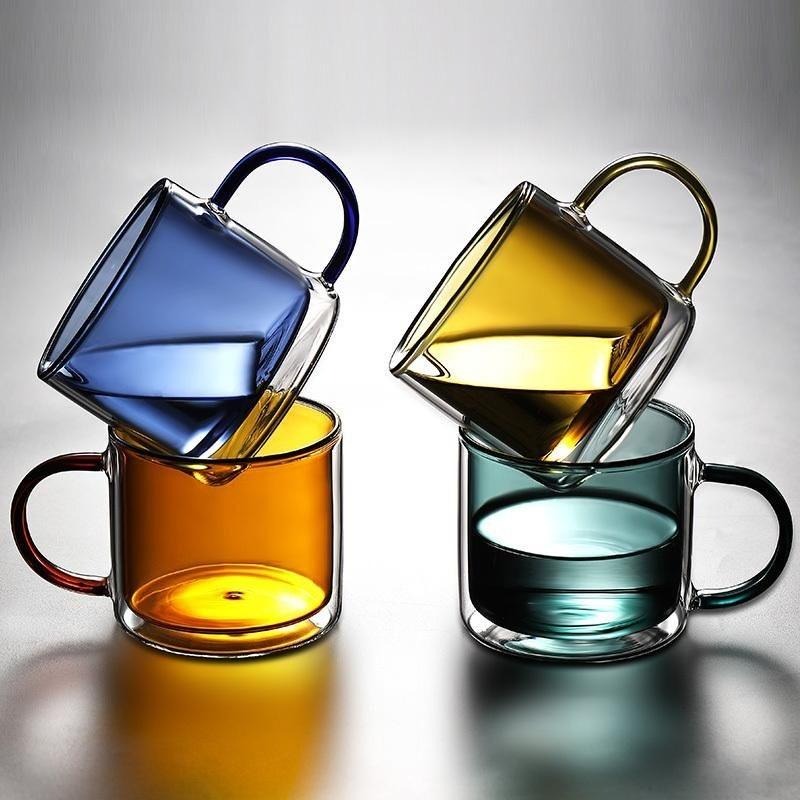
Die Transparenz von Borosilikatglas ist zudem ein Verkaufsargument. Die optische Anziehungskraft des Tees – die sich entfaltenden Blätter, die bernsteinfarbene Tasse eines Schwarztees, das blassgrüne Aussehen eines Weißtees – wird Teil des Kundenerlebnisses. Keramik verbirgt diese Details; Borosilikatglas bringt sie zur Geltung.
Wichtige Gestaltungsmerkmale für Teemarkenbetreiber bei der Gestaltung von Tassen
A Becher aus Borosilikatglas Für Teegeschirr ist mehr als nur Hitzebeständigkeit erforderlich. Die Gestaltung der Henkel wirkt sich direkt auf die Benutzerfreundlichkeit aus. Lange, schmale Henkel leiten die Wärme schlecht ab und fühlen sich instabil an, wenn der Becher voll ist. Ein gut konstruierter Henkel sollte einen breiten Griffbereich und einen nahtlosen Übergang zum Becherkörper aufweisen, ohne Spannungspunkte, an denen sich thermische Spannungen konzentrieren. In unserer Fabrik verwenden wir auf einem Dorn geformte Henkel, die gemeinsam mit dem Becherkörper geglüht werden, um verbleibende innere Spannungen zu beseitigen.
Für Marken, die losen Tee anbieten, ist die Kompatibilität mit Becherdeckeln eine funktionale Anforderung. Ein Mehrzweckdeckel – aus Edelstahl mit einer Silikondichtung – verwandelt einen Becher erst in ein Ziegefäß und anschließend in einen Reisebehälter. Wir fertigen Deckel mit Dichtungen aus lebensmittelechtem Silikon, die die LFGB-Migrationsgrenzwerte einhalten – ein Standard, der für bestimmte Stoffe strenger ist als der der FDA.
Auch die Wahl zwischen doppelwandiger und einwandiger Bauweise spielt eine Rolle. Ein doppelwandiger Becher aus Borosilikatglas schließt eine isolierende Luftschicht ein. Kochender Tee bleibt länger heiß, ohne dass sich der Nutzer die Hände verbrennt, und an der Außenseite bildet sich kein Kondenswasser. Dieses Design wird zu einem höheren Preis verkauft und richtet sich an den Geschenk- und Spezialitäten-Teeladen-Vertriebskanal. Einwandige Becher hingegen sind leichter, stapelbar und für Cafés mit hohem Durchsatz kostengünstiger. Die Wahl zwischen beiden Varianten sollte sich nach der Preisklasse der Marke und dem Vertriebskanal richten.
Individuelle Gestaltung, die die Identität Ihrer Teemarke stärkt
Markeninhaber benötigen mehr als nur einen gewöhnlichen Glasbecher. Individualisierungsmöglichkeiten – wie die Platzierung des Logos, die Form der Gussform, farbliche Akzente und die Verpackung – verwandeln ein Massenprodukt in einen Markenwert. Wir unterstützen drei gängige Veredelungsverfahren für Borosilikatglas: Siebdruck, Lasergravur und das Aufbringen von Abziehbildern.
Beim Siebdruck wird eine Keramiktinte aufgetragen, die bei einem zweiten Brennvorgang bei etwa 580 °C mit dem Glas verschmilzt. Das Ergebnis ist ein Logo, das Tausende von Spülmaschinenzyklen übersteht. Die Lasergravur erzeugt eine dauerhafte, mattierte Markierung ohne Tinte und eignet sich ideal für minimalistische Markenidentitäten. Abziehbilder ermöglichen vollfarbige Grafiken, erfordern jedoch eine sorgfältige Passgenauigkeit. Die Wahl hängt von den visuellen Richtlinien der Marke und dem Budget ab. Ich habe Marken gesehen, die für ihre Premium-Linie in Lasergravur und für ihre Einstiegsmodelle in Siebdruck investieren und so eine gestaffelte Preisgestaltung schaffen, die der Endverbraucher nachvollziehen kann.
Die Entwicklung einer maßgeschneiderten Form ist die höchste Stufe der Individualisierung. Wenn eine Marke eine unverwechselbare Silhouette wünscht – beispielsweise eine kalebassenförmige Tasse, ein facettiertes Profil oder einen asymmetrischen Rand –, muss eine neue Form aus Graphit oder Edelstahl gefertigt werden. Die Formkosten liegen in der Regel zwischen einigen hundert und mehreren tausend US-Dollar, je nach Komplexität und Anzahl der Kavitäten. Die Stückkosten sinken dann erheblich, da sich die Kosten für die Form über das Produktionsvolumen amortisieren. Für Marken, die ein eigenes Teeservice auf den Markt bringen, ist eine maßgeschneiderte Form oft die richtige langfristige Investition.
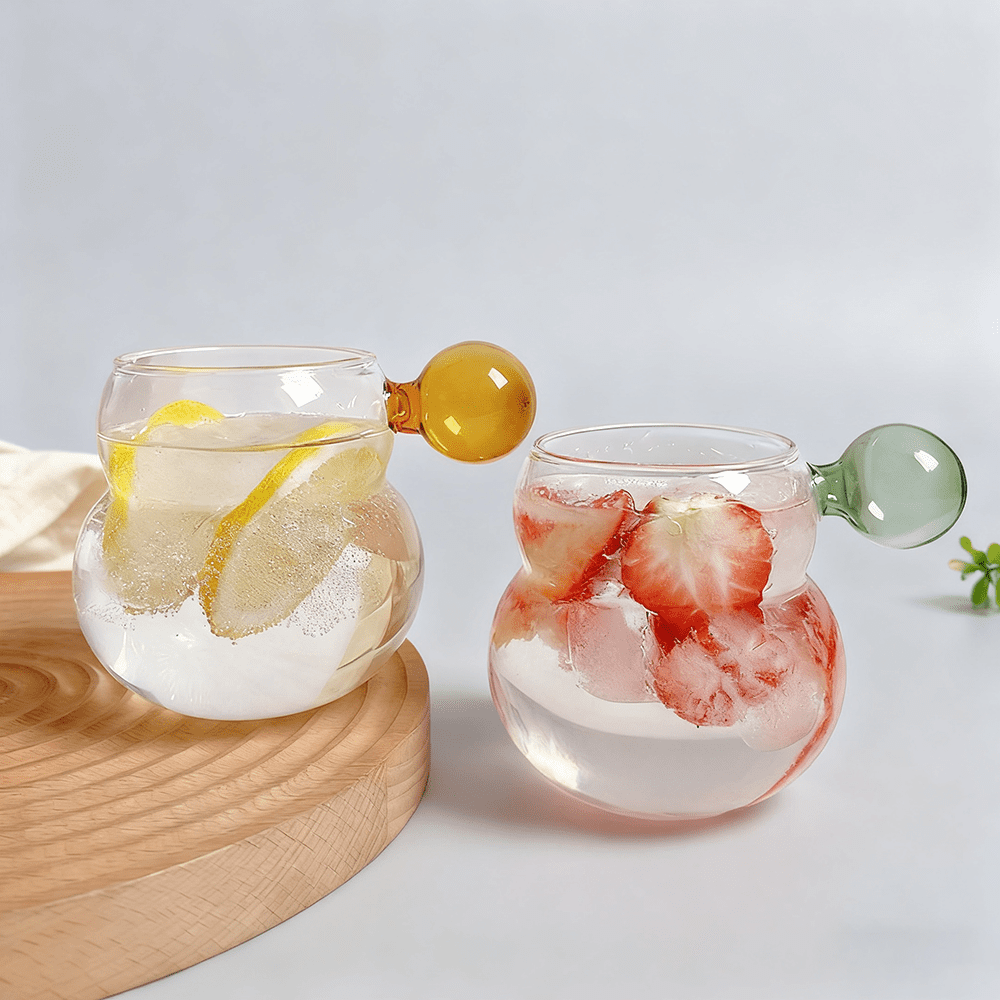
Fassungsvermögen und Formvarianten für verschiedene Teesorten
Das Teetrinken ist keine Einheitsangelegenheit, und das Fassungsvermögen der Tasse sollte dem Verwendungszweck entsprechen. Eine 300-ml-Tasse eignet sich für eine schnelle Tasse Schwarztee an der Theke eines Cafés. Eine Tasse mit 420 ml fasst das größere Aufgussvolumen, das für das Aufblühen von Jasmin- oder Oolong-Tees benötigt wird. Für Tee-Lattes oder Eistee-Getränke ist eine Tasse im Becher-Stil mit 500 ml oder mehr und einer Öffnung für einen Strohhalm praktisch.
Unsere Produktionslinie fertigt Becher in den gängigen Fassungsvermögen 300 ml, 420 ml, 500 ml und 750 ml. Die folgende Tabelle gibt einen Überblick über die typischen Abmessungen und empfohlenen Verwendungszwecke.
| Kapazität | Ungefährer Durchmesser × Höhe | Beste Bewerbung |
|---|---|---|
| 300ml | 5,8 × 16,4 cm | Schnellbedienungs-Cafés mit hohem Umsatz |
| 420ml | 6,6 × 18,9 cm | Tasse zum Aufgießen von losem Tee |
| 500ml | 6,6 × 20,7 cm | Tee-Latte, Eistee, Einzelhandelspackung |
| 750ml | 7,0 × 25,9 cm | Geschenkset, großformatige Brühvariante |
Auch die Form der Tasse beeinflusst das Teerlebnis. Eine Tasse mit weitem Rand kühlt die Oberfläche der Flüssigkeit schneller ab, was manche Teetrinker bevorzugen, um sofort davon trinken zu können. Ein schmalerer Tassenkörper hält die Wärme länger. Um eine Produktlinie zu entwickeln, die unterschiedlichen Teeritualen gerecht wird, sollten Markeninhaber in Erwägung ziehen, ein Set mit mehreren Artikelnummern und unterschiedlichen Formen aus einer einzigen Formfamilie anzubieten. Dieser Ansatz erhöht die Präsenz im Regal, ohne die Investitionen in neue Formen zu vervielfachen.
So beziehen Sie zuverlässige Teetassen aus Borosilikatglas von einem Hersteller
Die Wahl des Herstellers entscheidet darüber, ob Ihre Markteinführung termingerecht und unter vollständiger Einhaltung aller Vorschriften erfolgt. Ich empfehle Markeninhabern, Lieferanten anhand von vier konkreten Kriterien zu bewerten, bevor sie Preisverhandlungen aufnehmen.
Überprüfen Sie zunächst den Umfang der Zertifizierungen. Ein Hersteller von Borosilikatglas sollte über Prüfberichte der FDA, des LFGB und der SGS hinsichtlich der Auslaugung von Schwermetallen, insbesondere der Migration von Blei und Cadmium, verfügen. Diese Dokumente sind unverzichtbar. In unserem Werk verfügen wir über 120 gültige Prüfzertifikate und können diese bereits vor dem Versand einer Probe vorlegen. Sollte ein Lieferant zögern, aktuelle Zertifikate vorzulegen, sollten Sie sich nach einem anderen Anbieter umsehen.
Zweitens sollten Sie die Produktionskapazität und die Ausrüstung bewerten. Eine Produktionslinie, die wie unsere 200.000 Stück pro Tag produziert, kann Mengenschwankungen auffangen, ohne dass sich die Lieferzeiten verzögern. Erkundigen Sie sich nach der Anzahl der automatisierten Formmaschinen, dem Durchsatz des Glühofens und den Prüfstationen im Kaltbereich. Eine manuelle Prüfung allein reicht nicht aus, um die inneren Spannungen zu erkennen, die Wochen nach der Auslieferung zu spontanem Zerbrechen führen können.
Drittens: Fordern Sie eine Probedruck-Serie an. Ich rate Käufern, vor der Entscheidung für die Serienproduktion Muster aus der Vorproduktion zu bestellen. Bei Xuzhou Jianmei Glass Products nehmen wir Musteraufträge bereits ab einem Stück entgegen. Das Muster sollte alle Dekorationstechniken, Deckeldichtungen und die Verpackung enthalten, um das genaue Verkaufsprodukt zu simulieren. Überprüfen Sie die Gleichmäßigkeit der Wandstärke mit einem Mikrometer – eine Abweichung von mehr als 0,5 mm über den Umfang hinweg deutet auf eine schlechte Ausrichtung der Form hin.
Viertens: Vergewissern Sie sich, dass die Verpackung den Vorschriften Ihres Zielmarktes entspricht. Die richtige Verpackung für Borosilikatglas Glasbechers schafft einen Ausgleich zwischen Schutz und Auspackerlebnis. Ein Standard-Exportkarton mit Trennwänden aus Wellpappe und einzelnen Polybeuteln eignet sich für Massensendungen an Distributionszentren. Für den Direktversand an Verbraucher oder den Geschenkartikelhandel reduziert eine individuell bedruckte Hartkartonverpackung mit Schaumstoffeinlagen die Schadensquote auf unter 1%. Unsere Verpackungsingenieure können die genauen Anforderungen an Falltests von Amazon FBA oder den Lagern von Einzelhandelsketten berücksichtigen. Klären Sie dies bereits in der Angebotsphase und nicht erst nach Produktionsbeginn.
Die Wirtschaftlichkeit der Beschaffung von Teetassen aus Borosilikatglas aus China hängt stark von der Auftragsstruktur ab. Ein Auftrag mit nur einer Artikelnummer und einfacher Siebdruckverzierung senkt die Stückkosten durch maschinenspezifische Produktionsläufe. Ein Auftrag mit mehreren Artikelnummern in Kombination mit maßgeschneiderten Deckeln und vielfältiger Verpackung hat zwar höhere Stückkosten, schafft aber eine abgestimmte Markenlinie, die den Umsatz pro Kunde steigert. Wir haben beide Modelle bereits umgesetzt, und der größte Fehler, den ich beobachte, ist, dass Markeninhaber ihre SKU-Entscheidungen treffen, ohne ein Muster zur Hand zu haben, an dem sie sich orientieren können. Wenn Ihr Programm mehrere Fassungsvermögen mit passenden Deckeln und Geschenkverpackungen umfasst, lohnt es sich, die Stückkosten und die Logistik vor der Unterzeichnung eines Kaufauftrags genau zu planen. Teilen Sie uns Ihren SKU-Plan und Ihre angestrebte Preisspanne mit, dann erstellt unser Team für Sie eine detaillierte Aufschlüsselung der Gesamtkosten für Ihr Land.
Häufig gestellte Fragen zur Beschaffung von Teetassen aus Borosilikatglas
Warum ist Borosilikatglas teurer als gewöhnliches Glas?
Die höheren Kosten ergeben sich aus dem Boroxid-Gehalt in der Rohmischung sowie der im Vergleich zu Kalk-Natron-Glas erforderlichen höheren Schmelztemperatur (~1.650 °C). Zudem verschleißt die Produktionsausrüstung bei diesen Temperaturen schneller. Das Ergebnis ist jedoch ein Becher, der kochendem Wasser standhält und länger hält, was für die Marke geringere Gesamtbetriebskosten bedeutet.
Kann ich in einer Bestellung verschiedene Becherformen mischen?
Ja. Wir betreiben mehrere Produktionslinien parallel, daher ist es üblich, verschiedene Kapazitäten und Formen in einem Container zu kombinieren. Die einzige Voraussetzung ist, dass für jede Form eine eigene Form vorhanden sein muss, die bereits im Einsatz ist. Diese Flexibilität ermöglicht es Teemarken, ein komplettes Sortiment auf den Markt zu bringen, ohne mehrere Lieferanten koordinieren zu müssen.
Welche Zertifizierungen sind für den Verkauf von Teetassen in der EU unerlässlich?
Die LFGB-Zertifizierung ist für Produkte mit Lebensmittelkontakt in Deutschland und weiten Teilen Europas vorgeschrieben. Dabei wird ein breiteres Spektrum an Stoffen geprüft als bei der FDA. Zudem sind die CE-Kennzeichnung und eine Konformitätserklärung erforderlich. Unsere 120 Prüfberichte decken die LFGB-, FDA-, SGS- und andere regionale Normen ab, sodass Markeninhaber genau die Dokumente vorlegen können, die ihr Zollagent verlangt.
Wie lange dauert es von der Freigabe des Musters bis zur Lieferung?
Bei einem freigegebenen Muster und bestätigten Verpackungsspezifikationen dauert die Produktion in der Regel 25 bis 35 Tage. Die Transportzeit per Seefracht beträgt je nach Bestimmungsort weitere 20 bis 40 Tage. Per Luftfracht verkürzt sich die Transportzeit auf 5 bis 7 Tage, allerdings entstehen dabei zusätzliche Kosten. Wir empfehlen, von der ersten Anfrage bis zum Wareneingang im Lager vier bis fünf Monate einzuplanen, um Zeit für eventuelle Musterüberarbeitungen einzuplanen.
Was passiert, wenn mein Muster der individuell gestalteten Tasse nicht meinen Erwartungen entspricht?
Ich sage unseren Partnern immer, dass das erste Muster ein Nachweis des Herstellungsprozesses ist und nicht unbedingt das Endprodukt darstellt. Wenn die Wandstärke, die Haptik des Griffs oder die Platzierung des Logos angepasst werden müssen, führen wir weitere Iterationen durch. Möglicherweise sind Änderungen an der Form erforderlich, doch in den meisten Fällen lassen sich die Probleme durch Anpassungen am Brennprofil oder an der Dekorationsausrichtung beheben. Teilen Sie uns Ihre Anforderungen mit, und unser technisches Team wird die Verfügbarkeit der Konformitätsunterlagen sowie den Zeitplan für die Überarbeitung bestätigen – erreichen Sie uns unter [email protected].
Wenn Sie daran interessiert sind, sollten Sie sich diese verwandten Artikel ansehen:
Veränderte Glasflaschenstrategien für globale Marken
Glaswaren nach Maß - die neue globale Welle des Festkonsums
die Entstehungsgeschichte der Glasdosenbecher
Jianmei-Glas-Serie aus Borosilikatglas