
 German
  English
  Arabic
  Spanish
 Klar vs. matt GlasbecherDiese Entscheidung wird von Einzelhändlern oft als ästhetische Frage betrachtet, doch die Dynamik der Lieferkette und die Margenunterschiede zeigen, dass es sich um eine finanzielle Entscheidung handelt. Nach einem Jahrzehnt der Herstellung von Trinkgefäßen aus Borosilikatglas für internationale Kunden habe ich beobachtet, dass klare Becher bei Großaufträgen dominieren, während mattierte Becher in Premium-Segmenten höhere Stückmargen erzielen können – vorausgesetzt, die Fertigung erfolgt in gleichbleibender Qualität. Dieser Artikel zeigt auf, wo die jeweilige Option im Einzelhandel punkt, welche produktionstechnischen Gegebenheiten die Kostendifferenz bedingen und wie man sie beschafft, ohne böse Überraschungen beim Lagerbestand zu erleben.
Faktoren, die den Absatz von Klarglasbechern im Einzelhandel beeinflussen
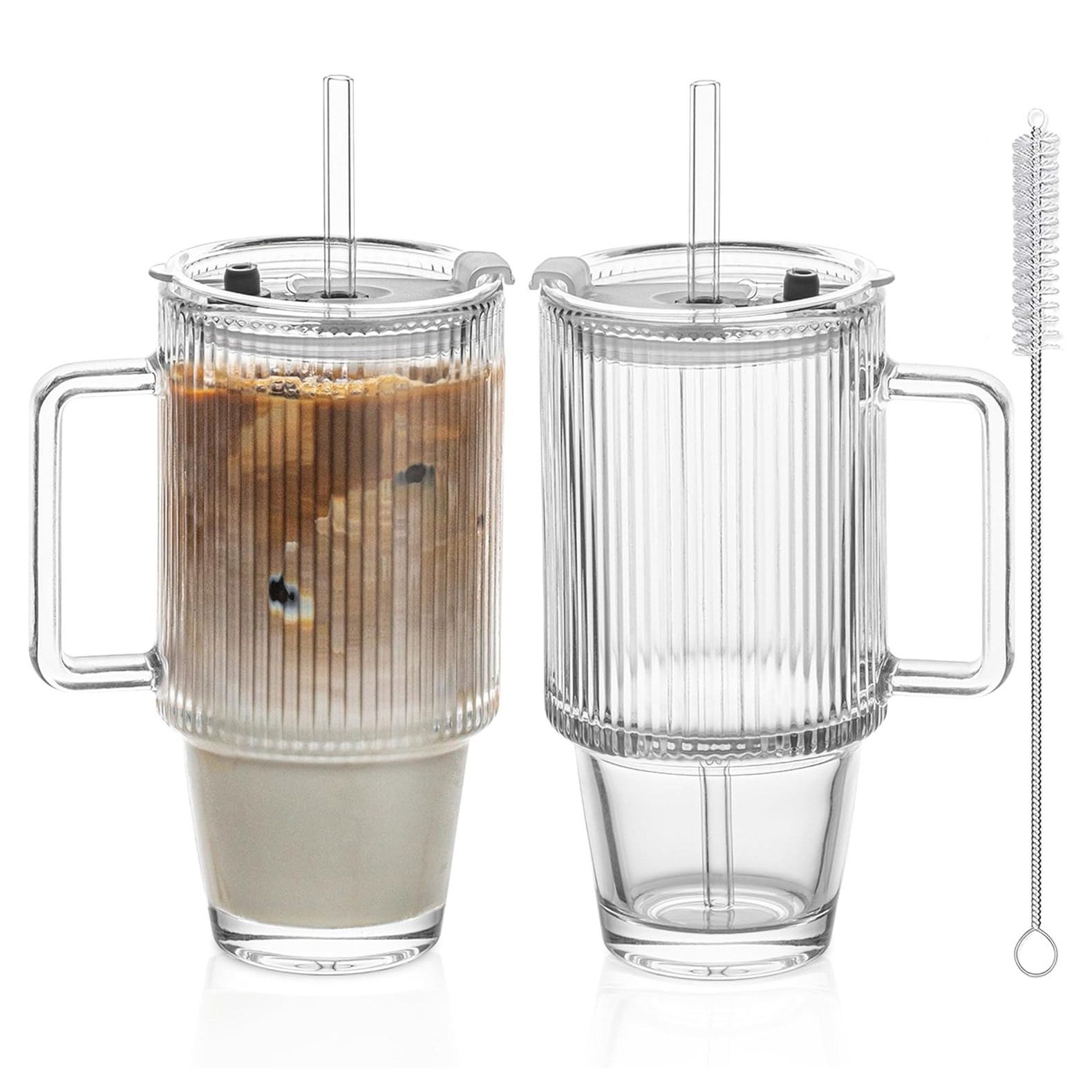
Die Nachfrage nach Bechern aus Klarglas in großen Mengen kommt größtenteils aus dem Gastgewerbe und den großen Einzelhandelsketten. In unserem Werk sind etwa 60% aller Becheraufträge aus Klarglas – ein Trend, der sich auf den Märkten in Nordamerika, Europa und Ozeanien durchzieht. Der Grund ist einfach: Ein klarer Becher rückt das Getränk in den Mittelpunkt. Kaffee, Tee, Smoothies und mehrschichtige Getränke profitieren alle von der vollständigen Sichtbarkeit, und Marken, die auf farbenfrohe Rezepturen setzen, wissen, dass transparentes Geschirr die optische Attraktivität ihres Produkts verstärkt. Dies wirkt sich direkt auf Impulskäufe in Café-Ketten und an Selbstbedienungs-Getränkestationen aus.
Auch Einzelhändler, die Produkte für die heimische Küche führen, tendieren zu klarem Glas, da es zu jeder Tischdekoration passt. Ein 500-ml-Becher aus Borosilikatglas mit einem Deckel aus Naturholz verkauft sich beispielsweise sowohl in stationären Geschäften als auch im Online-Handel gleichbleibend gut. Die breite Verbraucherbasis senkt das Lagerrisiko: Kunden, die nur ein einziges Geschirrset kaufen möchten, werden sich wahrscheinlich nicht über durchsichtiges Glas beschweren, während eine mattierte Oberfläche polarisieren kann. Restaurants und Kantinen bevorzugen aus demselben Grund durchsichtiges Glas – wegen der einfachen Handhabung und der einheitlichen Präsentation bei Hunderten von Gedecken pro Tag.
Kanalverhalten von Milchglasbechern
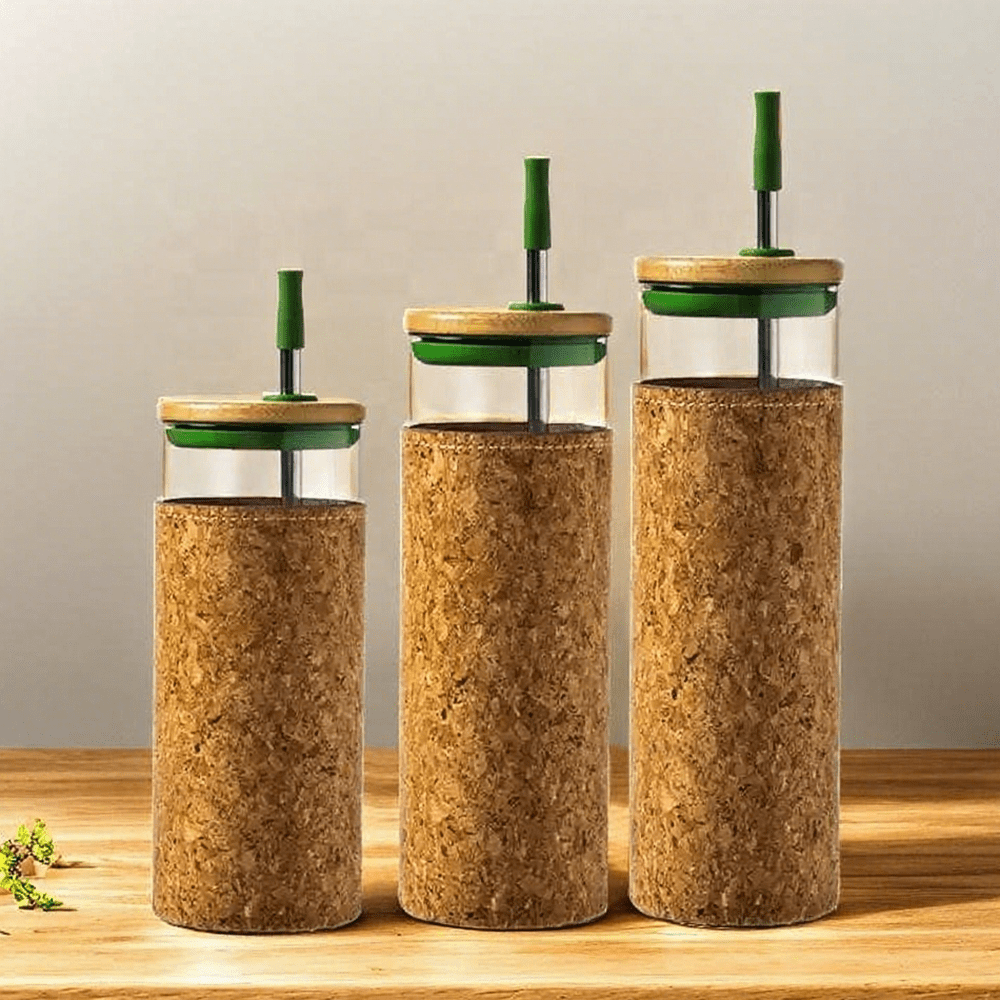
Gläser aus Milchglas erzielen die besten Ergebnisse in Nischenkanälen, insbesondere im Bereich der Firmengeschenke, in Boutique-Geschenkeläden und in Bürobedarfs-Katalogen. Die halbtransparente Oberfläche verdeckt Lippenabdrücke und Wasserflecken besser als klares Glas, was in Besprechungsräumen und stark frequentierten Büroküchen einen praktischen Vorteil darstellt. Wir haben außerdem beobachtet, dass Premium-Marken für Haushaltswaren mattiertes Glas einsetzen, um eine gehobene Produktklasse zu signalisieren: Die Kombination aus einem mattierten Becher mit einer Silikonhülle und einem Bambusdeckel schafft einen modernen, wellnessorientierten Look, der gesundheitsbewusste Einzelhändler anspricht.
In unseren Produktionsdaten sind die Bestellmengen für mattierte Becher zwar geringer, jedoch liegen die Großhandelspreise pro Stück um 20–30% höher. Diese Margenpolster sind für Importeure attraktiv, die Spezialitätenketten oder Abo-Boxen beliefern. Der Haken dabei ist, dass mattierte Becher ein bewusstes Branding erfordern: Bei einem durchsichtigen Becher spricht das Getränk für sich selbst, während ein mattierter Becher auf Form und Verpackung angewiesen ist, um Qualität zu vermitteln. Ohne eine starke visuelle Identität auf der begleitenden Verpackung oder dem Etikett können mattierte Artikel in überfüllten Regalen Schwierigkeiten haben, sich durchzusetzen.
| Merkmal | Becher aus klarem Glas | Becher aus Milchglas | Auswirkungen auf den Einzelhandel |
|---|---|---|---|
| Optische Attraktivität | Bringt die Farbe und Konsistenz des Getränks zur Geltung | Edler, matter Look, kaschiert Kondenswasser | „Clear“ eignet sich für Social Media und die Präsentation in Cafés; „Frosted“ passt zum Premium- und Eigenmarkensegment |
| Transparenz bei Getränken | Volle Transparenz | Geringere Transparenz, leichte Streuung | In Getränkemärkten wird klares Glas bevorzugt; mattiertes Glas spielt bei normalem Wasser oder Kaffee keine Rolle |
| Stückkosten | Geringere Grundkosten, einfachere Endbearbeitung | Höhere Kosten aufgrund des Glasurverfahrens und der Qualitätskontrolle | Frosted fordert eine strengere Preisstrategie im Einzelhandel, um die Gewinnspanne zu sichern |
| Komplexität der Fertigung | Standardmäßiges Formen und Glühen | Zusätzlicher Schleif- oder chemischer Mattierungsschritt, Qualitätsausschuss 8–12% | Eine zuverlässige Produktion erfordert erfahrene Lieferanten mit konsequenten Prozesskontrollen |
| Die besten Vertriebskanäle | Cafés, Restaurants, Großhandel, Online-Marktplätze | Hochwertige Einzelhandelsartikel, Geschenke für Führungskräfte, Bürobedarf, Wohnaccessoires | Eine mangelnde Abstimmung der Vertriebskanäle führt zu einem langsamen Lagerumschlag |
| Eignung für ein individuelles Logo | Klarer Hintergrund, hoher Kontrast für Siebdruck oder Gravur | Geätzte oder im Siebdruckverfahren aufgebrachte Logos fallen besonders ins Auge, erfordern jedoch eine entsprechend hohe Deckkraft der Druckfarbe | Eine Diskrepanz zwischen dem Markenauftritt und der Ausführung des Bechers kann die Markenerinnerung beeinträchtigen |
Fertigungsfaktoren, die zu Unterschieden bei den Produktionskosten führen
Der Preisunterschied zwischen klaren und mattierten Glasbechern entsteht bereits in der Endbearbeitung. In unserem Werk in XuZhou Jianmei durchlaufen klare Becher einen automatischen Form- und Temperprozess mit einer Ausschussquote von unter 3%. Mattierte Gläser erfordern eine zusätzliche Oberflächenbehandlung – in der Regel Säureätzung oder mechanisches Sandstrahlen – und jedes Stück muss einzeln auf Gleichmäßigkeit geprüft werden. Bei einer Charge von 10.000 Stück veranschlagen wir für mattierte Artikel im Vergleich zu einem gleichwertigen Auftrag mit klaren Gläsern zusätzliche 8–12 Stunden Produktionszeit ein.
Das Material selbst ändert sich nicht: Bei beiden handelt es sich um hochborosilikatisches Glas mit derselben Temperaturwechselbeständigkeit (–20 °C bis 300 °C). Die zusätzlichen Kosten entstehen durch Arbeitsaufwand, Energie und Ausschuss. Unsere Glühöfen arbeiten bei 560 °C, und jede ungleichmäßige Abkühlung nach dem Mattieren kann zu Mikrorissen führen, die bei der Qualitätskontrolle festgestellt werden. Für mattierte Becher gelten dieselben Migrationsgrenzwerte der FDA und der LFGB wie für klare Becher, was eine strenge Oberflächenüberwachung erfordert. Ein Einzelhändler, der bei einem Lieferanten einkauft, der nicht über eine derart umfassende Prozesskontrolle verfügt, erhält oft uneinheitliche Chargen – manche Becher sind fast undurchsichtig, andere nur schwach durchscheinend – und die daraus resultierenden Rücksendungen zehren den erwarteten Margengewinn auf.
Lieferantenbewertung für klare und mattierte Trinkgefäße
Die Beurteilung der Fähigkeit eines Werks, beide Oberflächenausführungen herzustellen, beginnt im Qualitätslabor. Fragen Sie nach Chargenprotokollen, die die gleichbleibende Konsistenz der Mattierung über mehrere Produktionsdaten hinweg belegen. Kann der Lieferant diese nicht vorlegen, handelt es sich wahrscheinlich um einen Veredelungsschritt, den er auslagert, was die Qualitätskontrolle beeinträchtigt. Überprüfen Sie außerdem die Thermoschocktests: Ein Becher, der in klarer Form schnelle Temperaturschwankungen übersteht, hält möglicherweise nicht so gut stand, wenn während der Mattierung Mikrorisse entstehen. Ein dritter Prüfpunkt ist die Aufteilung der Mindestbestellmenge (MOQ). Ein Hersteller, der mit beiden Artikelnummern vertraut ist, wird eine gemischte Bestellung zulassen; ein Hersteller, der eine hohe Mindestbestellmenge für eine einzige Oberflächenausführung vorschreibt, signalisiert, dass die Umrüstzeit zu kostspielig ist, was auf unflexible Anlagen hindeutet.
Wenn Ihr Sortiment sowohl klare als auch mattierte Varianten umfasst, ist es entscheidend, sicherzustellen, dass Ihr Lieferant bei Großaufträgen eine gleichbleibende Mattierung gewährleisten kann. Kontaktieren Sie uns unter [email protected] und teilen Sie uns Ihre voraussichtlichen Mengen mit – wir stellen Ihnen dann die Daten zu den Produktionschargen für Ihre SKUs zur Verfügung.
Überlegungen zur Anpassung im Hinblick auf das Branding
Logos auf transparenten Bechern erzielen einen hohen Kontrast, unabhängig davon, ob Sie Siebdruck, Lasergravur oder ein Abziehbild unter einer Schutzschicht verwenden. Auf mattierten Oberflächen kann dieselbe Farbe gedämpft wirken oder an den Rändern verlaufen, wenn die Mattierungstiefe variiert. Wir haben festgestellt, dass sich die Lasergravur am besten für mattierte Oberflächen eignet, da dabei die Oberflächenschicht abgetragen wird und ein teilweise transparentes Profil wiederhergestellt wird, wodurch das Logo besser zur Geltung kommt. Beim Siebdruck lassen sich die meisten Sichtbarkeitsprobleme durch die Verwendung einer weißen oder metallischen Farbe mit höherer Deckkraft lösen, was jedoch die Dekorationskosten pro Stück um etwa 5% erhöht.
Die Anpassung der Form erfolgt bei beiden Ausführungen auf identische Weise. Unsere Formabteilung kann Durchmesser, Höhe und Fassungsvermögen anpassen, ohne den Mattierungsschritt zu beeinträchtigen. Auch bei der Verpackung gibt es Unterschiede: Klare Becher werden oft in schlichten Displayboxen geliefert, während mattierte Becher häufig mit stabilen Geschenkboxen, Schaumstoffeinlagen oder Aussparungen für Sichtfenster kombiniert werden, um die matte Textur hervorzuheben. Einzelhändler sollten neben den Bechermustern auch Verpackungsmuster anfordern, um die gesamte Wirkung im Regal beurteilen zu können.
Häufige Fragen zu klaren und mattierten Glasbechern
Schwächt Frost das Glas?
Nein, wenn es richtig durchgeführt wird. Durch den Ätzprozess wird eine mikroskopisch dünne Schicht von der Außenfläche entfernt, die Borosilikat-Struktur bleibt jedoch unbeeinträchtigt. In unserem Werk durchlaufen mattierte Becher dieselben 120-Zertifizierungstests wie klare Becher, einschließlich Thermoschock- und Schwermetallauslaugungstests. Das Risiko entsteht durch eine schnelle Abkühlung nach dem Mattieren, was wir durch kontrolliertes Tempern verhindern.
Welcher Typ lässt sich leichter sauber halten?
Clear glass reveals water spots and fingerprints immediately, so it demands regular polishing in retail display. Frosted hides spots but can trap oil from hands in the matte texture if the etching is too deep. A properly controlled etch produces a smooth satin finish that cleans with standard dishwashing without residue buildup.
Can I mix clear and frosted in one order?
Yes, provided your manufacturer runs both processes under one roof. We combine clear and frosted SKUs in the same container to optimize freight costs. An MOQ of 500 pieces per SKU applies for each finish, and lead time is typically 30–45 days for mixed orders.
What sells better online vs in-store?
Online marketplaces favor clear cups because product photography relies on liquid visibility to convey freshness and quality. Frosted cups can succeed online when the product listing includes lifestyle shots showing stationery, desk setups, or gift packaging. In brick-and-mortar, frosted cups profit from tactile discovery: shoppers pick them up, notice the soft texture, and associate it with premium quality.
How do I decide the split for a new retail line?
A safe starting ratio is 70% clear to 30% frosted for general retail; for hotel or office supply, 40% frosted may work better. If you’re uncertain about the mix for your market, share your target channels with us at [email protected] and we’ll help you estimate a trial order volume.
Retailers who treat clear and frosted glass cups as interchangeable miss the margin levers built into each finish. Clear cups drive volume across cafes, internet marketplaces, and hospitality chains because they put the drink first. Frosted cups, supplied with consistent texture and paired with intentional branding, open higher-margin segments in gifting and executive channels. The difference in per-unit cost—driven by the frosting step—can be recovered several times over when the retail price is positioned correctly. For a reliable supply of both finishes, send your part numbers, target quantities, and logo files to [email protected]; we’ll return a quote with batch-consistent samples so you can test the shelf appeal before committing.
Wenn Sie daran interessiert sind, sollten Sie sich diese verwandten Artikel ansehen:
Becher aus Borosilikatglas in Lebensmittelqualität, die explosionssicher sind
Vorteile bei der Auswahl von Gläsern zur Lebensmittelaufbewahrung
Was sind die Vorteile der Verwendung von isolierten Glasbechern?