
 German
  English
  Arabic
  Spanish
 Sourcing glass drinkware for subscription boxes at scale sounds straightforward until you’re managing quality across thousands of units, juggling lead times against subscription cycles, and trying to maintain the product distinctiveness that keeps subscribers engaged. The gap between a promising product sample and consistent bulk delivery is where most sourcing relationships either prove their worth or fall apart. What follows covers the practical realities of building a reliable supply chain for glass drinkware—from evaluating manufacturers to navigating certification requirements and customization options that actually differentiate your brand.
Building a Sourcing Framework That Scales
A subscription box brand’s glass drinkware supply chain needs to handle growth without sacrificing the product consistency that built customer trust in the first place. This means looking beyond price-per-unit calculations to evaluate whether a supplier can actually deliver when order volumes double or triple.
Factory direct sourcing eliminates the communication layers that introduce errors and delays. When you’re working directly with the production floor, design modifications happen faster, quality issues get caught earlier, and you’re not paying margins to intermediaries who add little value. The tradeoff is that you need to invest more time upfront in supplier evaluation—but that investment pays dividends in operational predictability.
Finding Manufacturers Who Can Actually Deliver
Production capacity claims are easy to make and harder to verify. A manufacturer might quote impressive daily output numbers, but the real question is whether that capacity is available for your orders or already committed to larger clients.
Look for facilities with infrastructure that matches their claims. A 40,000 square meter facility operating 100 advanced machines with 200 employees represents genuine production capability—the kind that can absorb order fluctuations without pushing your delivery dates. Geographic reach matters too. Manufacturers already shipping to North America, South America, Europe, and Oceania have solved the logistics challenges that trip up less experienced suppliers.
Experience in glass drinkware specifically, rather than general glass manufacturing, indicates familiarity with the quality standards and customization requirements subscription box brands typically need.
Working Within MOQ Constraints
Minimum order quantities create real operational tension for subscription boxes. You need enough inventory to fulfill subscriber commitments, but you also need the flexibility to test new products without betting the business on untested designs.
The most practical arrangement combines sample access with scalable bulk ordering. Being able to order as few as 1 piece for evaluation means you can validate designs, test packaging compatibility, and get subscriber feedback before committing to production runs. Once a product proves itself, negotiating favorable terms for bulk glass orders becomes a straightforward conversation about volume commitments and delivery schedules.
Supplier Evaluation Criteria
| Kriterien | Beschreibung | Bedeutung |
|---|---|---|
| Produktionskapazität | Ability to meet current and future demand (e.g., 200,000 pieces daily) | Hoch |
| Qualitätszertifizierungen | Adherence to international standards (e.g., FDA, CE, LFGB) | Hoch |
| Anpassungsoptionen | Capability for OEM/ODM, unique designs, branding | Hoch |
| Vorlaufzeiten | Consistent and predictable production and delivery schedules | Mittel |
| Kommunikation | Clear and responsive interaction throughout the sourcing process | Hoch |
| Financial Stability | Long-term viability and reliability of the supplier | Mittel |
Quality Control and Compliance Requirements
Brand reputation in the subscription box space depends heavily on product consistency. A single batch of substandard glass drinkware can generate enough negative reviews to undermine months of customer acquisition work. Quality control glass drinkware processes need to catch problems before products ship, not after subscribers post unboxing videos.
International product safety standards aren’t optional when you’re shipping globally. A manufacturer with 120 testing certifications—including FDA, CE, and LFGB—has already done the compliance work that would otherwise fall on your team.
Why Borosilicate Glass Makes Sense for Drinkware
Material selection affects everything from breakage rates to customer perception. Borosilicate glass handles temperature extremes that would crack ordinary soda-lime glass—pour hot coffee into a cold borosilicate glass cup and it won’t shatter. This thermal shock resistance makes it genuinely heat-resistant glass and cold-resistant glass, which matters for drinkware that might go from freezer to dishwasher.
The material is inherently BPA-free, lead-free, and food-grade, eliminating safety concerns that plague some alternative materials. Products like the Wasserflasche aus Borosilikatglas und Borosilikatglas-Becher demonstrate this durability advantage in practical applications. Lower breakage rates translate directly to fewer customer complaints and reduced replacement costs.
Certification Requirements for Global Markets
Different markets require different certifications, and getting this wrong creates customs delays and potential legal exposure. FDA approved glassware is mandatory for North American distribution—the certification confirms the glass composition is safe for food and beverage contact. European markets require CE certified drinkware, while Germany specifically requires LFGB certification.
A manufacturer that already holds these certifications can provide the documentation your customs broker needs without delays. This is particularly valuable for subscription boxes shipping internationally, where a single missing certificate can hold up an entire container.
Creating Products That Stand Out
Generic glass drinkware won’t differentiate a subscription box in a crowded market. The unboxing experience matters, and custom glass designs create the kind of memorable moments that subscribers photograph and share. This is where OEM services become a competitive advantage rather than just a manufacturing option.
A manufacturer’s design capabilities—evidenced by metrics like 45 appearance patents and 32 intellectual property rights—indicate genuine innovation capacity rather than just the ability to copy existing designs.
Customization Techniques That Work
Brand customization on glass drinkware ranges from simple logo application to completely unique product forms. Screen printing handles most logo and graphic applications cost-effectively. Etching creates a more premium tactile feel. Custom molds enable unique shapes that competitors can’t easily replicate.
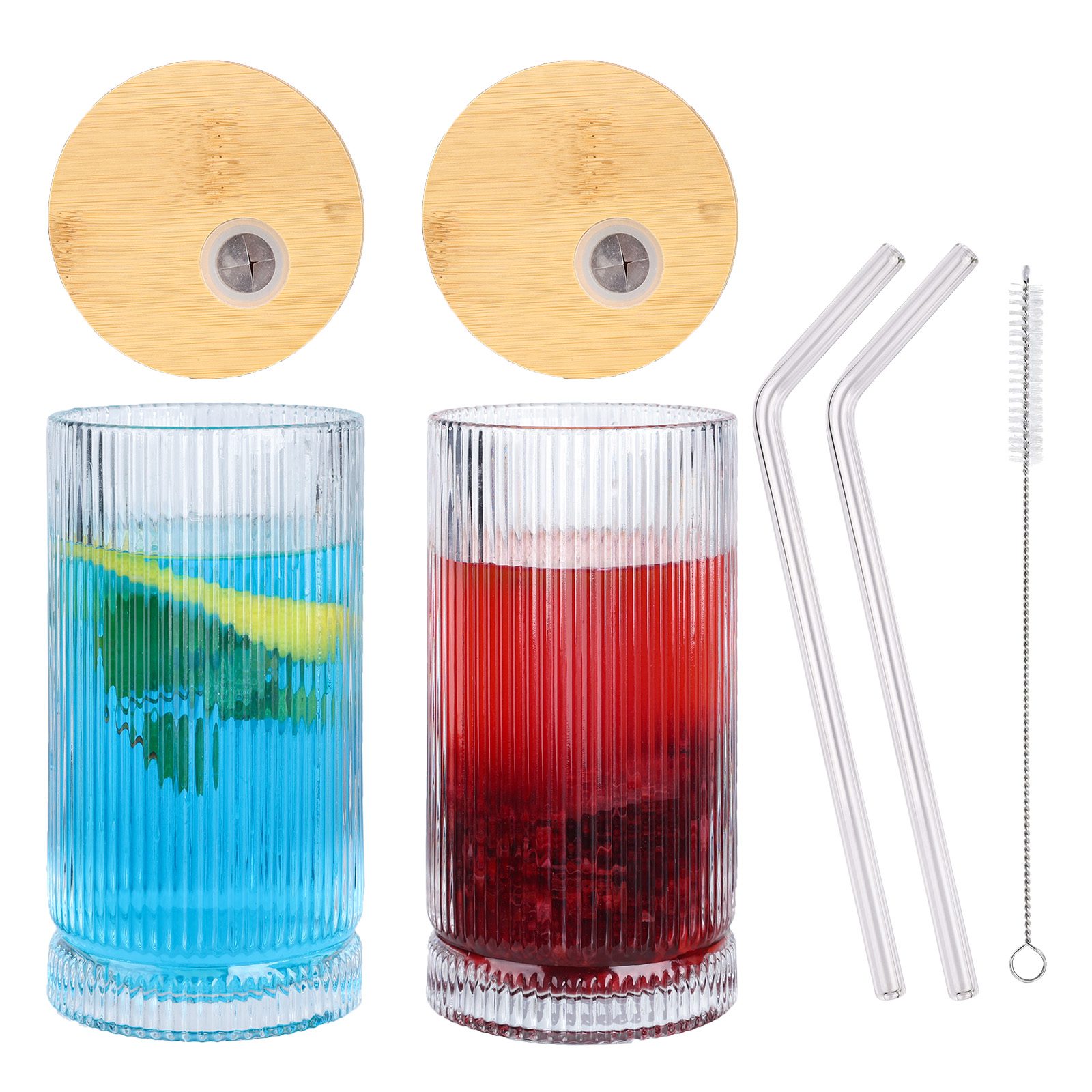
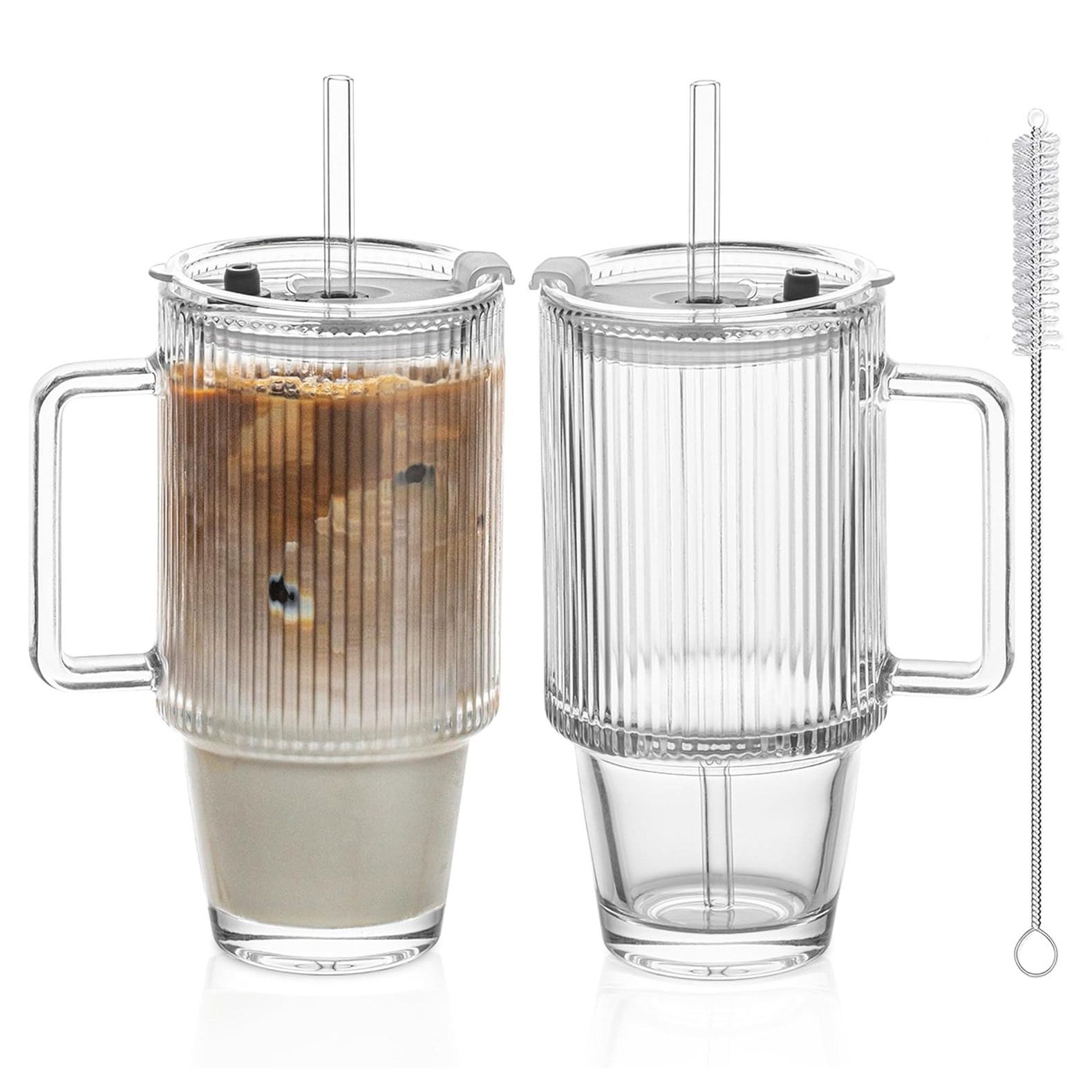
A Glaskanne mit Strohhalm und Deckel customized with brand elements becomes a product subscribers keep and use daily—ongoing brand exposure that extends well beyond the unboxing moment. Similarly, a Glasbecher with an exclusive design becomes a conversation piece rather than just another cup.
The key is matching customization complexity to order volume. Simple printing works at lower quantities; custom molds require larger commitments to justify tooling costs.
Building Exclusive Product Lines Through OEM Partnerships
OEM glass manufacturing arrangements let subscription box brands develop proprietary glass drinkware lines that can’t be sourced elsewhere. This exclusivity creates genuine competitive moats—subscribers can’t get the same products by going direct to Amazon.
The arrangement works best when the manufacturer has experience protecting design patents and intellectual property rights. Products like Wasserflasche aus Borosilikatglas und Borosilikatglas-Becher can be produced to exact specifications with quality control processes that ensure consistency across production runs.
Managing Logistics at Scale
Supply chain optimization becomes increasingly complex as order volumes grow. A manufacturer with 200,000 pieces daily production capacity can support high-volume orders, but capacity alone doesn’t guarantee smooth operations. Packaging, shipping, and inventory management all need to work together.
Protecting Fragile Products in Transit
Glass breakage during shipping destroys margins and customer satisfaction simultaneously. Effective packaging solutions for fragile glassware require more than bubble wrap—they need engineered protection that accounts for the specific stresses of international freight.
Custom inserts that hold products securely, combined with outer cartons designed to absorb impact, dramatically reduce damage rates. Secure glass shipping isn’t just about protection; well-designed packaging also enhances the unboxing experience that subscription box customers expect.
Aligning Production with Subscription Cycles
Subscription boxes operate on fixed schedules that don’t accommodate production delays. Managing lead times for bulk orders requires accurate forecasting and realistic buffer inventory.
Production lead times typically range from 4-12 weeks depending on customization complexity and order volume. Building this timeline into subscription planning—and maintaining safety stock for popular items—prevents the scramble that happens when production runs late and subscriber shipments are due.
Close collaboration with manufacturers on inventory management strategies helps maintain continuous product flow. Some brands find success with rolling production schedules that smooth out demand spikes.
What to Look for in a Manufacturing Partner
The difference between a vendor and a genuine B2B glass manufacturing partner shows up when problems occur. A reliable glass supplier provides solutions rather than excuses, maintains communication through production challenges, and treats your success as connected to their own.
The Value of Direct Factory Relationships
Direct factory sourcing relationships create accountability that disappears when intermediaries are involved. When you’re communicating directly with production management, design modifications happen faster, quality issues get addressed immediately, and you have visibility into actual production status rather than filtered updates.
The cost savings from eliminating middlemen are real, but the operational benefits often matter more. Direct relationships enable the kind of collaborative problem-solving that keeps subscription schedules on track.
Evaluating Production Infrastructure
A manufacturer’s facility and equipment tell you whether they can actually deliver on capacity claims. A 40,000 square meter facility with 100 advanced machines represents serious production capability—the kind that can handle your growth without becoming a bottleneck.
Specialized equipment for heat/cold-resistant borosilicate glass products indicates technical sophistication beyond basic glass manufacturing. Daily production capacity of 200,000 pieces demonstrates the scale needed to support subscription box brands as they grow.
Start Building Your Glass Drinkware Supply Chain
Ready to source premium, custom glass drinkware at scale? Xuzhou Jianmei Glass Products Co., Ltd. offers the production capacity, quality certifications, and customization capabilities that subscription box brands need. Contact us at [email protected] to discuss your requirements and explore partnership opportunities.
Frequently Asked Questions About Glass Drinkware Sourcing
How can subscription box brands customize glass drinkware for unique branding?
Several customization approaches work well depending on budget and volume. Screen printing handles logos and graphics cost-effectively at moderate quantities. Etching creates premium tactile effects. Custom molds enable unique shapes exclusive to your brand, though they require larger order commitments. OEM arrangements can combine these techniques to create personalized drinkware that reinforces brand identity with every use. The right approach depends on balancing distinctiveness against per-unit costs at your typical order volumes.
What are the typical lead times and MOQ for custom glass drinkware orders?
Lead times generally fall between 4 and 12 weeks, with simpler designs and standard shapes at the shorter end and complex custom molds requiring more time. Sample quantities can be as low as 1000 piece for evaluation purposes, which allows testing designs before committing to bulk glass orders. Production MOQs vary by product type and customization complexity—discussing specific requirements with manufacturers early helps establish realistic timelines and order structures.
What certifications are required for international glass drinkware distribution?
FDA approval is mandatory for North American markets, confirming food-contact safety. CE certification covers European Union requirements, while LFGB certification is specifically required for Germany. These certifications verify that glass composition and manufacturing processes meet health and safety standards for food and beverage contact. Working with manufacturers who already hold these certifications—and can provide documentation on request—simplifies customs clearance and reduces compliance risk.
Wenn Sie daran interessiert sind, sollten Sie sich diese verwandten Artikel ansehen:
die Entstehungsgeschichte der Glasdosenbecher
geschmack nachhaltigkeit warum glas wählen
Leitfaden für Importeure: Edelstahl- vs. Glasflaschen – Lieferantenübersicht