
 German
  English
  Arabic
  Spanish
 For any brand building a water bottle line, choosing between glass and stainless steel isn’t a simple material preference. It’s a decision that shapes your manufacturing possibilities, supply chain costs, and shelf appeal. While most comparisons focus on insulation or taste neutrality, a side-by-side look at glass vs stainless steel water bottles for import goes deeper: mold customization, minimum order quantities, certification paths, and breakage trade-offs. Having managed high borosilicate glass production for over a decade, I’ve seen how the right material choice unlocks branding flexibility and market differentiation. This comparison walks through what actually matters when you source containers in volume.
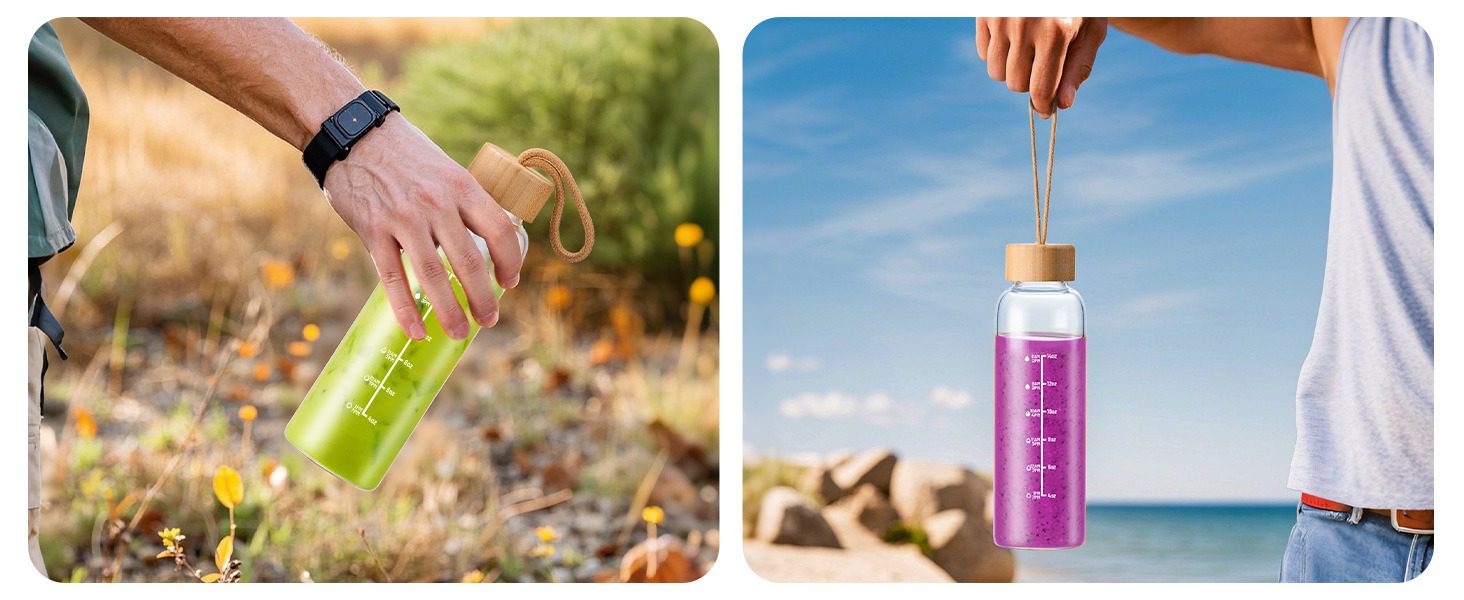
Material Properties That Shape Consumer Perception and Product Safety
Both materials meet food-contact standards, but their physical characteristics push them toward different customer segments. Here’s a quick look at the key attributes side by side.
| Merkmal | Borosilikatglas | 304 Stainless Steel |
|---|---|---|
| Taste neutrality | Absolute – no aftertaste | May impart slight metallic taste to acidic drinks |
| Thermal retention | Short; double-wall options improve | Excellent with vacuum-insulated double-wall |
| Weight (500ml) | ~350g | ~250g |
| Break resistance | Breaks under high impact; silicone sleeves reduce risk | Highly impact-resistant |
| Eco-perception | Fully recyclable, plastic-free | Recyclable but often lined with thin polymer |
| Personalisierung | Unlimited shapes and colors | Limited to cylindrical forms with coating |
Borosilicate glass, the type we manufacture, resists thermal shock, so hot and cold liquids are safe in the same bottle. Stainless steel typically requires an interior polymer layer to prevent corrosion, which some consumers reject for health reasons. I’ve never had a customer return a glass bottle for taste, but I have seen stainless steel bottles returned for metallic flavor. That said, if your product line targets gym-goers or hikers who need impact-proof gear, stainless steel wins on durability.
How Manufacturing Capabilities Shape Your Brand’s Options
If you want a custom shape—a curved silhouette, a faceted body, or a wide-mouth design—glass offers far more flexibility. Stainless steel production relies on deep-drawing and welding; achieving non-cylindrical forms requires expensive multi‑step tooling and often raises minimum order quantities steeply. With borosilicate glass, we can open a custom mold, adjust annealing cycles, and produce a unique bottle shape at manageable volumes.
At our facility, we run 100 automated machines across 40,000 square meters, outputting 200,000 pieces daily. This scale lets us test new molds without disrupting core production. We regularly run mold trials for clients who want exclusive shapes—a capability that stainless steel factories rarely offer for less than five-figure commitment. If you need a proprietary bottle that can’t be copied from a catalog, glass gives you room to create it.
Certification and Compliance: What Every Importer Must Verify
Food-contact glassware must meet strict standards depending on the destination market. The three key marks for borosilicate glass are FDA (U.S.), LFGB (EU), and SGS for broader compliance. We hold all three, along with 120 additional testing certifications covering BPA, lead, phthalates, and heavy metals. Stainless steel bottles require similar certifications, but also need verification for the interior coating and welding seam integrity.
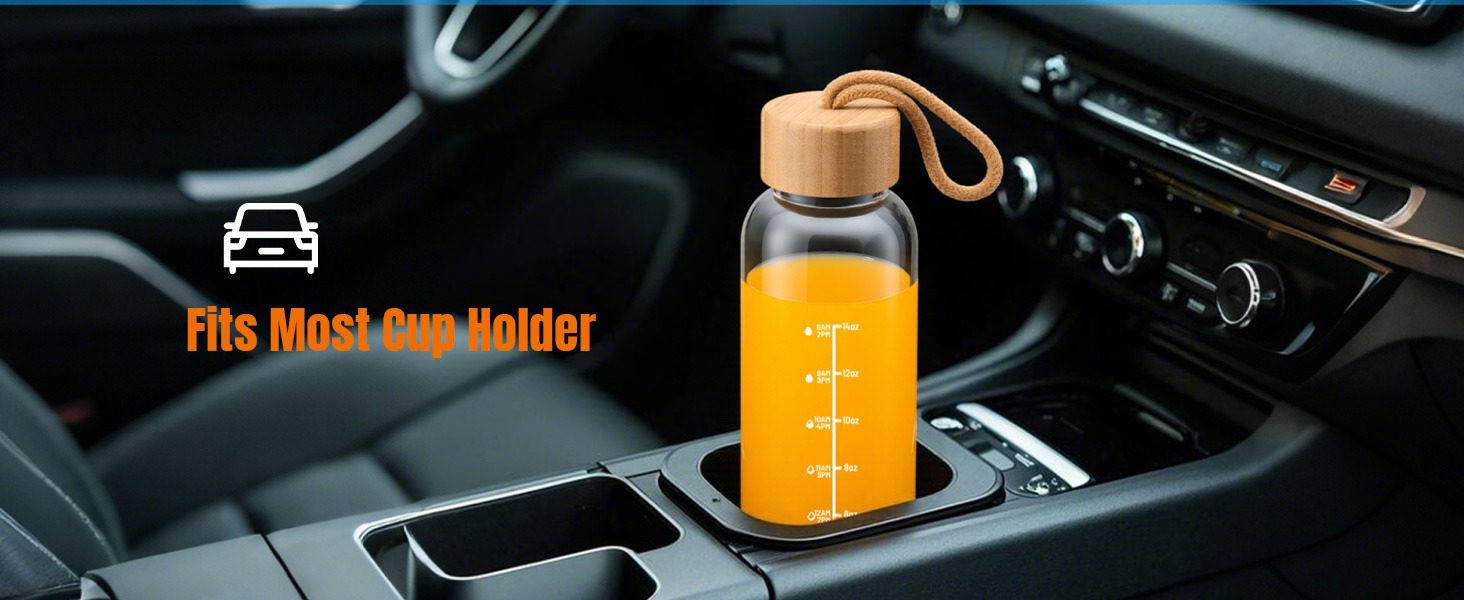
A common mistake first-time importers make is assuming a material is automatically compliant. I recommend confirming the exact test reports for your target market early; for example, LFGB requires migration limits on antimony and cadmium that some glass formulations can exceed. We provide complete documentation packages with every order, which saves clients weeks of back-and-forth with customs. If your program involves both materials, you’ll need to evaluate two separate certification chains.
If your target market is the EU and you need LFGB compliance along with a specific capacity and lid design, verifying the certificate status of both materials before finalizing your bill of materials is essential. Reach out at [email protected] with your market requirements—we’ll confirm which documentation package applies.
Real Costs: Beyond the Unit Price
Sticker price comparisons can be misleading. Here are the cost components that shift between glass and stainless steel:
| Kostenfaktor | Borosilikatglas | Rostfreier Stahl |
|---|---|---|
| Unit price (ex-factory) | Lower for custom small runs | Higher for custom small runs; lower for large generic orders |
| Tooling (custom mold) | $800–$2,500 depending on complexity | $3,000–$8,000+ for multi-stage dies |
| Breakage & insurance | Allow 1–2% breakage; proper packaging keeps it under 1% | Almost zero |
| Ocean freight weight | Heavier; freight cost ~10–15% higher | Feuerzeug |
| Minimum order quantity | Lower threshold for custom designs | Higher threshold for custom shapes |
I’ve seen brands switch from stainless steel to glass after realizing that the mold cost and per-unit flexibility offset the slightly higher freight. Packaging design plays a huge role in mitigating breakage; our standard testing cycles subject packed bottles to drop simulations to confirm protection.
(mit Holzdeckel)
Matching the Material to Your Target Market
The final choice often comes down to who you are selling to. I’ve observed a steady rise in orders from European and North American brands positioning on sustainability and pure flavor—they almost always pick borosilicate glass. Wellness and premium kitchenware lines favor glass because it aligns with the plastic‑free message and looks more premium on shelf. Stainless steel still dominates the rugged outdoor category, but even there, glass with a silicone sleeve is gaining traction for day-use hydration.
For corporate gifts and promotional items, glass allows fine logo application through silk screening or laser engraving that stainless steel’s curved metallic surface doesn’t accommodate well. If your brand identity leans toward eco‑conscious, design-forward, or clean‑label values, glass gives you a material story that customers can see and feel.
Whether you lean toward glass or stainless steel, the right manufacturing partner balances cost, compliance, and branding flexibility. At Xuzhou Jianmei Glass Products, we specialize in high Wasserflasche aus Borosilikatglass with full customization—from capacity and logo to certification packages. Send your target market, quantity, and design brief to [email protected], and we’ll prepare a side-by-side comparison of production options and costs tailored to your program.
Common Questions Importers Ask About Glass vs Stainless Steel Water Bottles
Can I order both glass and stainless steel water bottles from the same supplier?
While some trading companies handle both materials, specialized manufacturers like JM Glass focus exclusively on glass. That focus means our molding, annealing, and quality control are deeply optimized for borosilicate glass. If you need a stainless steel complement, we can recommend trusted partners.
What is the typical minimum order quantity for custom Glas-Wasserflasches?
Our MOQ starts at 1 piece for samples, but for custom bulk orders the minimum depends on the design complexity and mold requirements. We typically find a workable threshold that aligns with your budget and launch plan—just share your target volume.
How long does it take to develop a custom glass water bottle mold?
After design approval, mold development usually takes 15–25 days, followed by sample production and testing. We provide a clear timeline once we review your specifications, and we keep you updated at each stage.
Is borosilicate glass as durable as stainless steel for outdoor use?
In direct impact scenarios, stainless steel is tougher. However, borosilicate glass with a silicone sleeve handles daily use well and resists thermal shock. For rugged outdoor activities, stainless steel may be the safer bet, but for everyday hydration, glass delivers a purer taste without metallic interference.
What certifications does a glass water bottle need to enter the European market?
Typically LFGB and CE marking are required. We hold both, plus SGS reports. Every shipment comes with documentation you can present to customs. If your specific market has additional requirements, sharing those details early helps ensure a smooth import process. Share your compliance needs at [email protected] and we’ll confirm the certification package before you commit.
Wenn Sie daran interessiert sind, sollten Sie sich diese verwandten Artikel ansehen:
Vorteile bei der Auswahl von Gläsern zur Lebensmittelaufbewahrung
auswahl chinesischer glasproduktionsbetriebe
Becher aus Borosilikatglas in Lebensmittelqualität, die explosionssicher sind
Komplettanbieter für Glaswaren – Direktlieferung an Käufer weltweit
valentines day and year round hot sellers