
 German
  English
  Arabic
  Spanish
 Working with borosilicate glass for over a decade has taught me one thing clearly: this material earns its reputation through performance, not marketing. The way it handles thermal shock without cracking, the clarity it maintains after years of use, the chemical stability that keeps contents pure—these aren’t abstract selling points. They’re the reasons laboratories trust it for critical experiments and why serious home cooks reach for it over cheaper alternatives. Understanding where this glass comes from and how sourcing patterns are shifting matters more now than ever, especially as supply chains grow more complex and buyer expectations keep evolving.
The Global Borosilicate Glassware Market Keeps Expanding
Demand for borosilicate glassware shows no signs of slowing down. The material’s low thermal expansion coefficient—the technical reason it survives temperature swings that would shatter ordinary glass—makes it the default choice for applications where failure isn’t an option. Cookware that moves from freezer to oven. Laboratory beakers exposed to rapid heating cycles. Pharmaceutical containers that must remain chemically inert to protect drug integrity.
The global glassware trade volume reflects this sustained adoption. Industries aren’t choosing borosilicate because it’s trendy. They’re choosing it because heat resistant glass and cold resistant glass properties translate directly into product reliability and user safety. That practical value creates a market foundation that remains stable even when economic conditions fluctuate.
Where Buyers Source Borosilicate Glassware Today
Finding the right sourcing market depends on what matters most to your operation. European glassware suppliers have built their reputation on precision engineering and premium finishes. German and Czech manufacturers, in particular, maintain quality standards that command higher prices but deliver exceptional consistency.
Asian borosilicate production tells a different story. China has emerged as the dominant force in glassware export hubs, combining competitive pricing with production capacities that European facilities simply cannot match. This isn’t about cutting corners—it’s about scale economics and infrastructure investments that have matured over decades.
The choice between regions often comes down to volume requirements, customization needs, and how much weight you place on landed cost versus proximity to technical support. Most sophisticated buyers maintain relationships across multiple sourcing markets rather than committing exclusively to one.
China’s Position in Global Borosilicate Glassware Supply
Chinese borosilicate glass export volumes have grown consistently because the manufacturing ecosystem supports it. Large-scale glassware production facilities operate with the equipment, trained workforce, and supply chain integration needed to handle substantial orders efficiently.
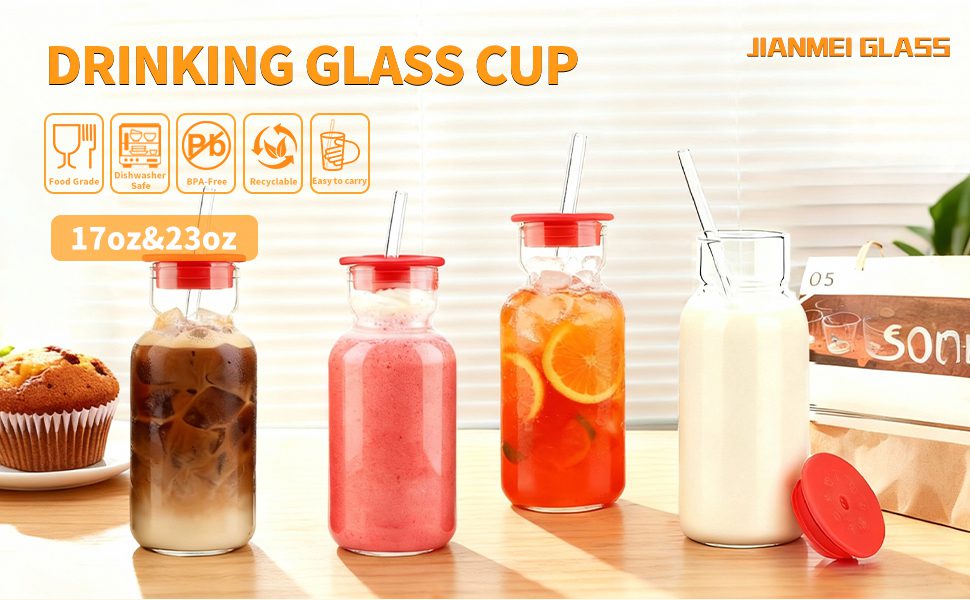
What often surprises first-time buyers is the range of OEM glassware solutions available. Factories can accommodate everything from straightforward catalog items to complex custom specifications. Xuzhou Jianmei Glass Products Co., Ltd. operates a 40,000 square meter facility with a 200-person team producing 200,000 pieces daily. That kind of capacity means consistent supply even during peak demand periods—a reliability factor that matters enormously for distributors managing their own customer commitments.
How Buyer Preferences Are Shifting
The conversations I have with procurement teams today sound different than they did five years ago. Sustainability has moved from nice-to-have to non-negotiable for many buyers. Questions about sustainable borosilicate sourcing come up early in discussions, with purchasing managers asking about energy consumption, waste reduction, and material traceability before they ask about pricing.
Certification requirements have intensified as well. Certified glassware isn’t just about meeting minimum legal thresholds—buyers want documentation that demonstrates genuine commitment to quality systems, not just paperwork filed to clear customs.
Custom borosilicate designs represent another significant trend. Brands recognize that differentiation matters in crowded markets, and private label glassware programs allow them to offer products competitors can’t simply replicate. The willingness to invest in custom tooling and development reflects confidence in long-term market positioning rather than short-term cost minimization.
Quality Control and Supply Chain Stability
Sourcing borosilicate glassware globally requires more than finding a competitive quote. Rigorous factory audit glassware procedures reveal whether a supplier’s quality claims hold up under scrutiny. Understanding international trade regulations glassware helps avoid costly delays and compliance failures.
Verification matters. Certifications like FDA and CE exist for good reasons, and confirming that suppliers actually maintain these credentials—rather than just claiming them—protects both your business and your customers. Xuzhou Jianmei Glass Products holds 120 testing certifications, including FDA and CE approvals. That documentation represents real investment in quality systems.
Supply chain resilience glassware strategies have become essential after recent years demonstrated how quickly disruptions can cascade through global networks. Diversification, safety stock policies, and strong supplier relationships all contribute to maintaining delivery reliability when conditions become challenging.
Which Quality Certifications Matter Most for Borosilicate Glassware?
FDA certification confirms food contact safety for the American market. CE marking demonstrates compliance with European requirements. LFGB certification addresses German food-grade standards specifically. These glassware safety standards exist because borosilicate glass testing certs provide objective verification that products perform as claimed.
For food-grade glassware certification, these credentials aren’t optional—they’re the baseline for legitimate market access. Suppliers who cannot provide current documentation for relevant certifications should raise immediate concerns about their overall quality management approach.
Building Reliable International Supply Chains
Reliable supply chains emerge from partnerships with manufacturers who have demonstrated logistical capabilities and realistic production scheduling. Effective lead times glassware production planning requires honest communication about capacity constraints and potential bottlenecks.
Risk management in glassware trade includes diversifying supplier relationships, maintaining appropriate inventory buffers, and establishing clear escalation procedures when problems arise. Xuzhou Jianmei Glass Products supports international buyers through efficient production systems and global shipping expertise developed over years of serving diverse markets.
Customization and OEM Partnership Opportunities
Strategic partnerships unlock possibilities that transactional purchasing relationships cannot provide. OEM glassware solutions enable brands to develop products precisely matched to their market positioning and customer expectations. Custom borosilicate designs create competitive advantages that generic products simply cannot replicate.
Xuzhou Jianmei Glass Products has invested heavily in design capabilities, holding 45 appearance patents and 32 intellectual property rights. This portfolio reflects genuine innovation capacity rather than simple manufacturing execution. The company’s private label glassware programs and product development support include a flexible 1-piece minimum order quantity—an unusual accommodation that allows smaller brands and startups to access custom manufacturing without prohibitive volume commitments.
Understanding Custom Manufacturing Economics
Custom borosilicate glassware manufacturing involves higher initial tooling costs compared to standard products. Mold development, prototype iterations, and production setup all require investment before the first saleable unit ships.
The benefits justify these costs for many buyers. Enhanced brand recognition, unique product features, and greater market control create long-term value that standard products cannot deliver. The cost of custom glassware becomes more favorable as order volumes increase and tooling investments amortize across larger production runs. Design flexibility and the ability to address specific consumer demands often generate returns that exceed the incremental investment in OEM glass development.
What’s Coming Next in Borosilicate Glass Technology
Borosilicate glass innovation continues advancing on multiple fronts. Researchers are developing advanced glass materials with improved thermal shock resistance, reduced weight, and enhanced optical clarity. Some projects explore integrating smart features—temperature indicators, embedded sensors—into glass products.
The future of glassware manufacturing will likely include more automated quality inspection, tighter process controls, and new forming techniques that enable shapes currently difficult or impossible to produce economically. Emerging markets borosilicate glass demand is growing as rising disposable incomes in developing economies increase preference for durable, safe products over cheaper disposable alternatives.
Working with Xuzhou Jianmei Glass Products
Xuzhou Jianmei Glass Products Co., Ltd. brings together the capabilities that serious borosilicate glassware buyers need. Certified quality backed by FDA, CE, and over 120 additional certifications. Flexible solutions ranging from 1000 pieces minimum orders to full OEM programs. Innovation capacity demonstrated through 45 appearance patents and 32 intellectual property rights. Heat and cold resistant products engineered for demanding applications across global markets.
The company’s 40,000 square meter facility and 200-person team provide the production capacity to support growing partnerships reliably. Contact [email protected] to discuss how these capabilities might fit your sourcing requirements.
Common Questions About Borosilicate Glassware Sourcing
Why does borosilicate glass work well across so many different applications?
Borosilicate glass handles temperature extremes from -20°C to 300°C without structural compromise. Its chemical inertness prevents leaching that could contaminate contents—critical for food, beverages, and laboratory applications. This combination of thermal performance and chemical stability makes borosilicate glassware suitable for kitchenware, scientific instruments, pharmaceutical containers, and numerous other uses where material reliability directly affects product safety and performance.
How does Xuzhou Jianmei Glass Products maintain quality standards for international buyers?
Quality assurance at Xuzhou Jianmei Glass Products operates through stringent manufacturing processes and comprehensive testing protocols. The company holds over 120 certifications, including FDA and CE approvals, verifying products meet international safety and performance requirements. Quality control encompasses raw material inspection, in-process monitoring, and final product testing. These systems ensure consistent excellence across the product range, from borosilicate glass water bottles to specialized custom items.
Can Xuzhou Jianmei accommodate custom designs and small order quantities?
Xuzhou Jianmei Glass Products specializes in custom design accommodation and flexible ordering. Extensive OEM and ODM services draw on 45 appearance patents and 32 intellectual property rights. Production capabilities support minimum order quantities as low as 1 piece, making high-quality customized borosilicate glassware accessible to businesses regardless of their current scale or volume requirements.