
 German
  English
  Arabic
  Spanish
 Most hotel procurement teams discover glassware breakage patterns only after the first full season of service. Hotel glass drinkware sourcing works differently from retail buying. A guest room tumbler goes through commercial dishwashers, stacked storage, and abrupt temperature changes every day. The purchasing decision therefore hinges on more than unit price. It depends on material grade, annealing consistency, certification depth, and packaging that survives container handling. Buyers who treat these as afterthoughts pay twice: once in the initial order and again in replacement volume. This article sets out the procurement standards and bulk pricing factors that determine whether a program remains stable for multiple years.
Hotel glass drinkware sourcing starts with material grade and fracture resistance
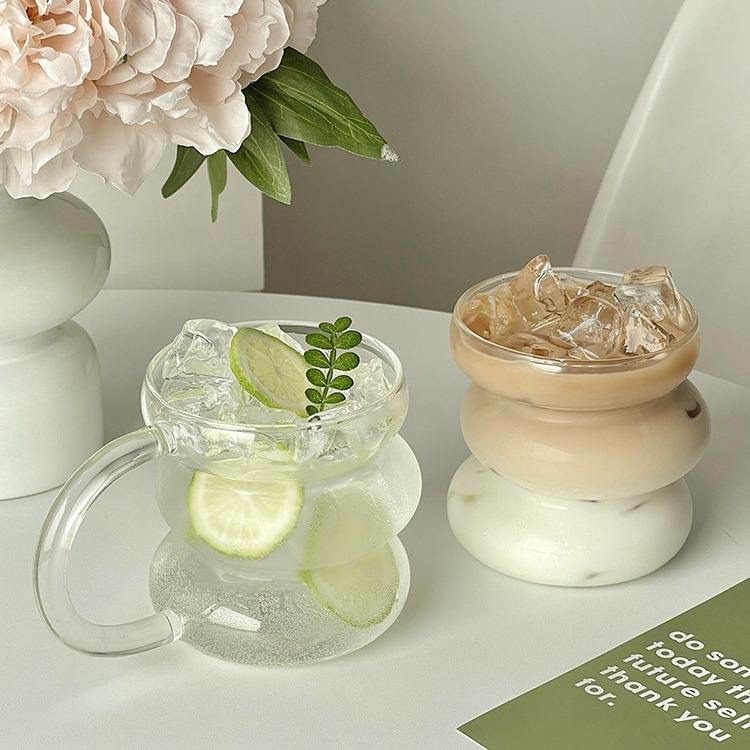
Hotel buyers often compare glass drinkware by shape and price. Material grade is what determines how much of the order survives the first year of service. A tumbler moves from hot dishwasher rinse to cold water, then into restaurant racks and back. Repeated thermal shock builds stress at the rim and base. Soda-lime glass carries a higher coefficient of thermal expansion than high borosilicate glass, so the same cycle produces more stress at the same temperature difference. We produce most hotel drinkware in high borosilicate glass for exactly that reason.
| Procurement factor | Soda-lime glass | High borosilicate glass |
| Thermal shock resistance | Cracks more often under repeated hot-to-cold cycles | Keeps its shape across a wider temperature range |
| Replacement pattern | Lower front price, higher replacement volume in busy outlets | Higher front price, lower replacement volume over time |
| Best hotel fit | Guest rooms with light handling and controlled use | Banquet, poolside, in-room coffee, outdoor food and beverage |
| Annealing sensitivity | Under-cooled pieces often carry stress near the base | Requires precise cooling control to reach full benefit |
Material grade alone is not the whole answer. Two factories can run the same borosilicate batch and still produce very different breakage rates. The difference sits in the annealing curve. Glass that cools too fast carries residual stress even when it looks clear. A minor knock at the wrong point creates a bottom crack that hotel staff cannot trace to a handling error. In our plant, annealing cycles are set by wall thickness and capacity, not by one fixed belt speed. That is the detail behind the phrase “borosilicate” in hotel glass drinkware sourcing.
Procurement standards require verification beyond certification lists
Hotels ask for FDA, LFGB, or CE documentation. That is the correct first step, but a certificate list on a supplier website does not prove that your specific item is covered. A facility can hold dozens of test reports while the product you are buying falls outside the tested dimensions, capacity, or material batch. We keep test records tied to product line and capacity. When a buyer asks whether a 300 ml hotel cup meets EU food-contact limits, we match the report number to the wall thickness, rim design, and glass batch before saying yes.
The same discipline applies to lead and cadmium release. A food-contact claim is only as strong as the test method and the tested surface area. Hotel drinkware with colored logos or applied decoration needs an extra check. We run or require migration testing before decorated hotel glassware leaves the factory. If your chain uses colored glass or printed branding on the bowl itself, request a report that names the decoration process. A clear glass certificate does not cover a printed logo.
Bulk pricing shifts with mold status, capacity, and packaging
Unit price is the weakest basis for comparing hotel glass drinkware quotes. A standard 300 ml borosilicate cup made from an existing mold carries one cost structure. A custom 340 ml profile with a two-color logo carries another, because mold development and slower setup time enter before the first piece is produced. If the annual program volume is high enough, that tooling can be amortized across the run. For smaller hotel groups, existing molds usually make more sense.
Packaging changes bulk pricing just as much as shape. A hotel product packed in a printed gift box costs more than the same glass in a plain master carton. The right choice depends on whether the item goes into a guest room as a touch point or into a back-of-house banquet shelf. We calculate hotel quotes by landed cost per usable piece, not by FOB unit price. A lower FOB number can hide higher freight, more breakage from weak pack-out, or longer replacement cycles.
If your hotel program spans multiple properties with different dishwasher temperatures and storage racks, confirming thermal shock resistance and master carton pack counts before finalizing the annual requisition can change total cost. Send your quantities and delivery windows to [email protected] and we will check whether existing molds can cover the order or whether tooling needs to be built.
Hotel service conditions set the right glass drinkware specifications
The operating environment should drive the specification, not the other way around. A banquet glass is handled quickly, stacked, and pushed through high-volume dishwashing. It needs a stable base, a thicker heel, and tolerant rim geometry. A guest room glass has less throughput but more presentation pressure. It must sit well on a tray, match the room’s brand language, and survive long stretches between washes. A poolside outlet adds impact and temperature conditions that rule out delicate profiles.
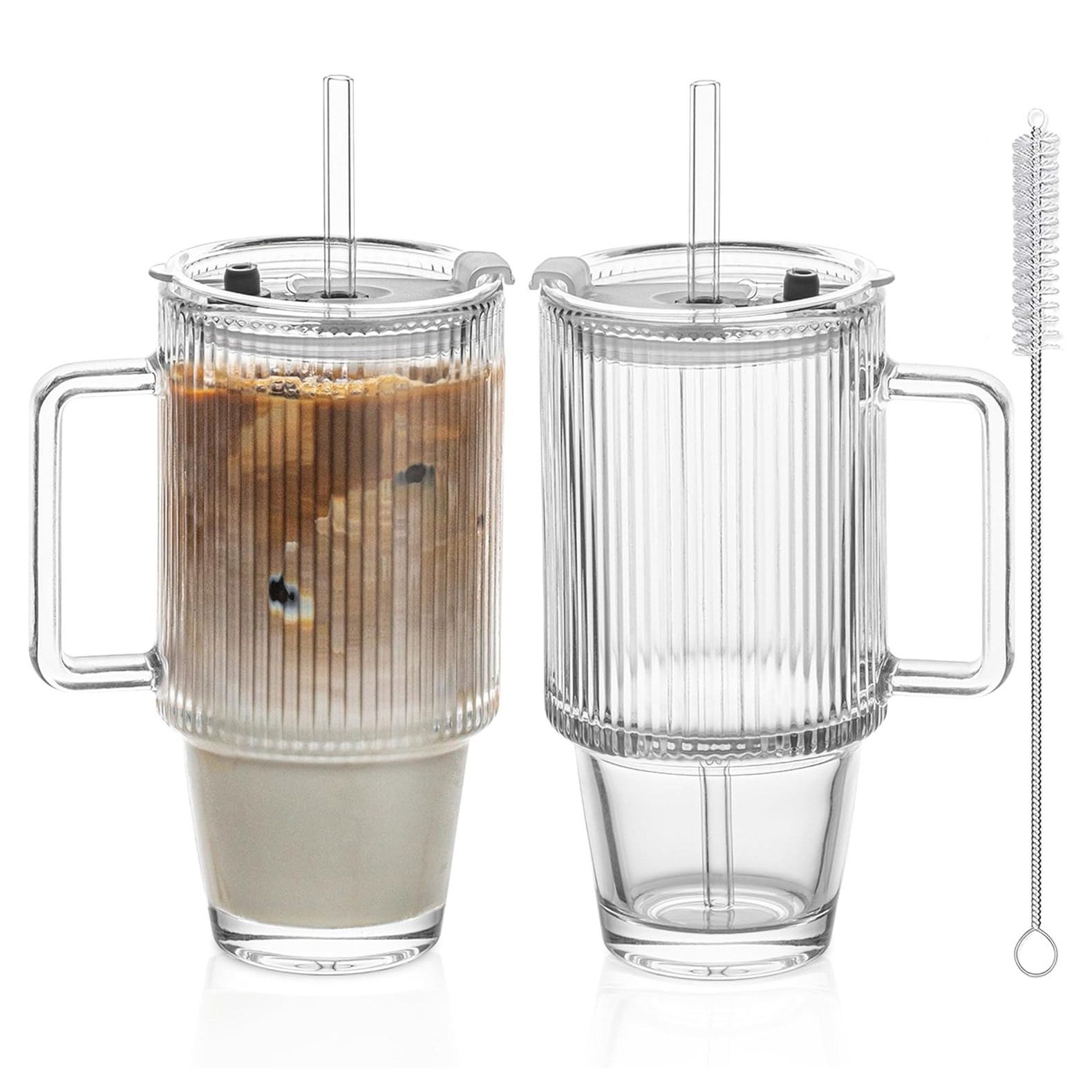
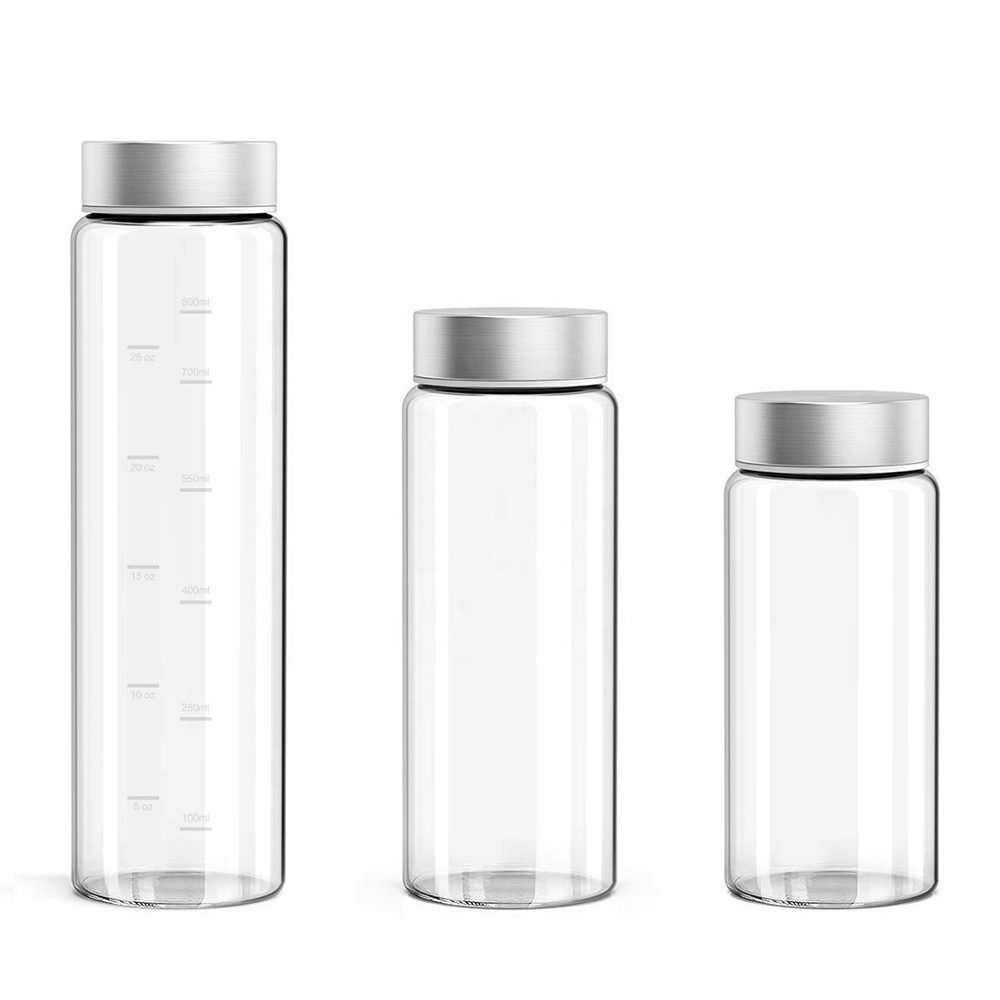
Procurement standards for hotel glass drinkware often start with a shape. I have seen what happens when the reverse occurs. A chain selected a slim highball for its lobby bar because it looked better in photographs. The rim chipped within weeks because the profile did not match the glass rack and the dishwasher jet pressure. We then adjusted wall distribution and rim diameter while keeping the same visual profile. Hotel specs should name rack compatibility, rim diameter, glass height, and base diameter early. These dimensions determine breakage before any aesthetic detail. We keep standard hotel profiles in 300 ml, 420 ml, 500 ml, and 750 ml capacities, which covers most in-room and banquet requirements.
A verified production partner reduces hotel glass drinkware sourcing risk
The main risk in hotel glassware procurement is not the first shipment. It is the second and third. A supplier that treats the order as a one-time transaction may change mold quality, use a different annealing cycle, or discontinue a SKU without notice. Hotel chains then face mismatched glass across properties and inflated replacement budgets.
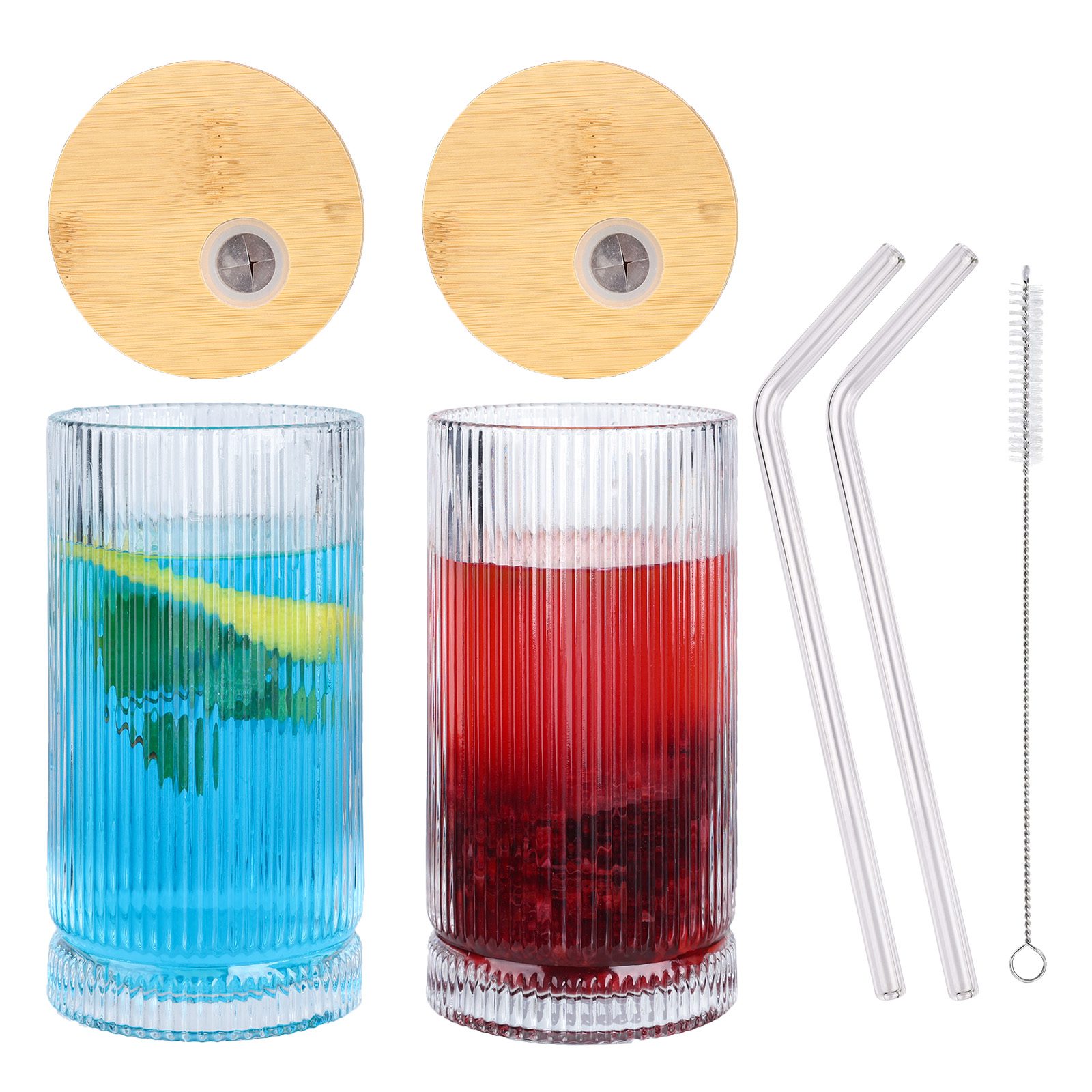
Xuzhou Jianmei Glass Products Co., Ltd. operates a 40,000 square meter production facility with 200 employees, 100 advanced machines, and a daily output of 200,000 pieces. The factory holds 45 appearance patents, 32 IP rights, and 120 testing records including FDA, CE, and related certifications. That scale matters for a hotel chain because replacement cycles run for years. A stable supplier keeps molds, packaging, and material records consistent from one season to the next.
For your next hotel glass drinkware order, send your item list, annual quantities, and destination port to [email protected]. We will confirm whether standard molds, capacity, and lead times can cover a multi-year program.
Hotel buyers ask these questions before selecting a glass drinkware supplier
Is borosilicate glass always the best choice for hotels?
Not always, but it is the stronger default for most commercial hotel outlets. High borosilicate glass handles thermal shock from dishwashers, iced water, and hot coffee better than soda-lime glass. The exception is a low-volume guest room where glasses are handled gently and replaced less often. In that setting, soda-lime can work if the budget is tight and the supply chain is stable. For high-volume banquet, poolside, and outdoor service, the stress cycles come faster, so the material grade matters more than the difference in unit price.
What MOQ should a hotel chain expect for custom glass drinkware?
Many buyers expect custom glassware to require massive minimums, but the practical MOQ depends on whether new tooling is required. A stock profile can often be ordered in standard capacities with a lower minimum because the mold already exists. A custom shape, a new base diameter, or a signature logo treatment adds tooling cost that spreads across the full order. Hotel chains should separate the MOQ for stock pieces from the setup cost for exclusive molds before comparing quotes.
How do we prevent mismatched replacement glassware across multiple properties?
It depends on whether the original supplier maintains the same mold and annealing records across production runs. If those records stay consistent, reorders match the first delivery closely. If the factory changes molds or shifts production lines, dimensions and glass weight can drift enough to matter in a hotel dining room. Buyers can reduce this risk by requesting the mold number and a reference sample with each order. That reference becomes the standard for inbound inspection at the distribution center.
Can one supplier combine cups, mugs, and water bottles in a single shipment?
In programs we have run, consolidated shipments have worked when the buyer locked SKU dimensions, capacities, and pack counts early. Cups, mugs, and water bottles can share a container when the factory schedules production against one consolidated order. The risk appears when SKUs are added late, because each addition changes packing density and may push the shipment into an awkward cube. Send your item list and delivery schedule to [email protected] and we will confirm whether a consolidated shipment can hold the program together.
Wenn Sie daran interessiert sind, sollten Sie sich diese verwandten Artikel ansehen:
Was sind die Vorteile der Verwendung von isolierten Glasbechern?
Professioneller Anbieter von hochwertigen Bechern aus Borosilikatglas