 German
  English
  Arabic
  Spanish
 Die Auswahl eines Glasbechers für Ihre Getränkemarke scheint auf den ersten Blick einfach zu sein – bis man Bruchraten, thermische Anforderungen und die Sicherheitserwartungen der Endverbraucher berücksichtigt. Ich leite seit über zehn Jahren die Produktion von Glaswaren aus hochborosilikatischem Glas und habe beobachtet, wie sich derselbe Fehler bei verschiedenen Marken wiederholt: Ein optisch perfektes Glas, das in den Händen des Kunden versagt, weil das Material oder die Wandstärke nie auf das tatsächlich darin enthaltene Getränk abgestimmt war. Wenn man den Becher von Anfang an richtig auswählt, reduziert man Reklamationen, schützt die Gewinnmargen und schafft das Vertrauen, das dafür sorgt, dass Einzelhändler immer wieder nachbestellen. Diese Entscheidung beginnt beim Glas selbst, nicht beim Logo.
Was macht Borosilikatglas zur richtigen Grundlage für eine Bechermarke?
Wenn ein Becher beim Eingießen von heißem Kaffee Risse bekommt oder in der Spülmaschine zerbricht, wird die Marke dafür verantwortlich gemacht, nicht die Glaszusammensetzung. Deshalb ist die Wahl des Materials wichtiger als jede Form oder Farbe. In unserem Werk verwenden wir 3,3-Borosilikatglas, da es aufgrund seines niedrigen Wärmeausdehnungskoeffizienten (etwa 3,3 × 10⁻⁶/K) Temperaturschocks von −20 °C bis über 300 °C standhält, ohne zu zerbrechen. Kalk-Natron-Glas hingegen kann versagen, wenn es innerhalb von Sekunden aus einem gewerblichen Gefrierschrank in ein dampfendes Getränk gestellt wird.
Aus produktionstechnischer Sicht ermöglicht Borosilikatglas zudem engere Toleranzen beim automatisierten Formpressen. Wir glühen jede Charge in kontrollierten Öfen, um innere Spannungen abzubauen. Das Ergebnis ist ein Becher, der nicht spontan zerbricht, wenn ein Café-Mitarbeiter Eiswürfel in ein heißes Glas fallen lässt oder wenn ein Verbraucher ihn kurz in die Mikrowelle stellt, um ein Getränk wieder aufzuwärmen. Für Marken, die eine Premium-Positionierung oder wiederverwendbare Produktlinien anstreben, ist die Wahl von Borosilikatglas anstelle von Standard-Kalk-Natron-Glas die technisch fundierteste Entscheidung.
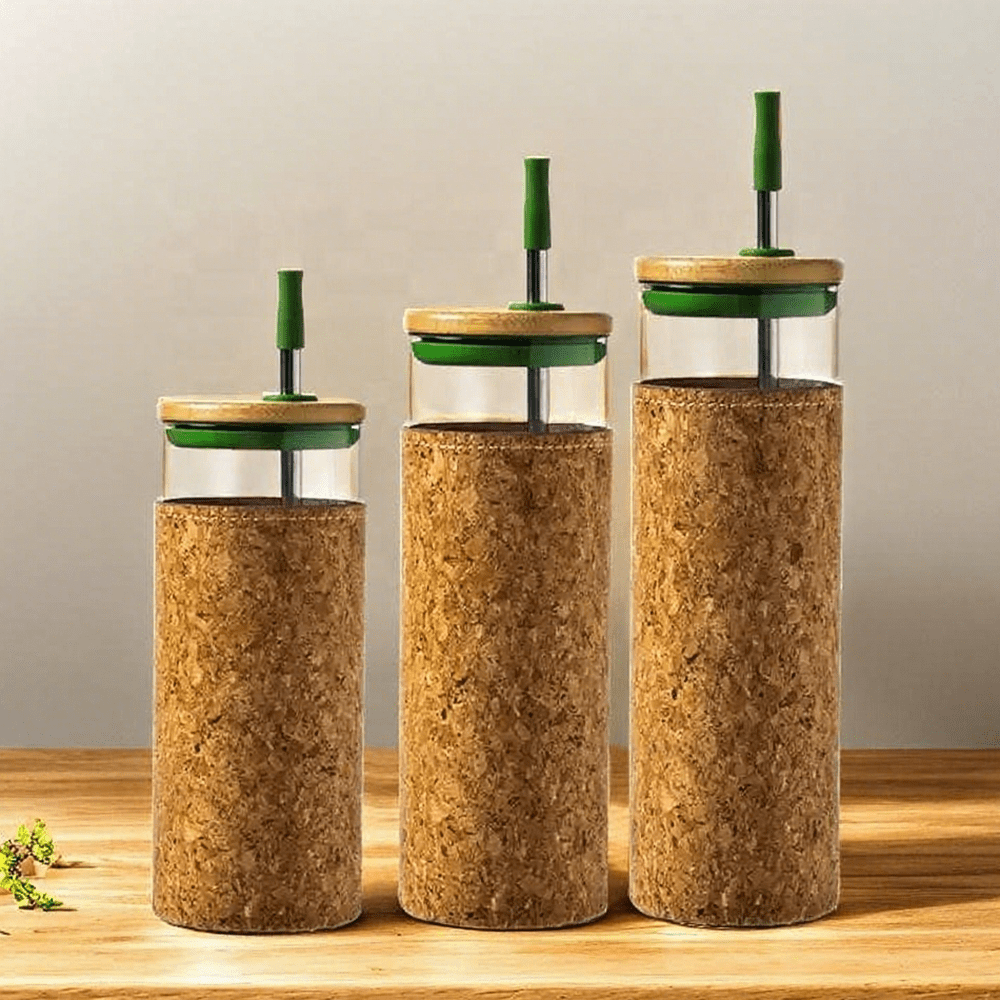
Anpassung von Fassungsvermögen und Form der Becher an die jeweiligen Getränke und Umgebungen
Ein Becher, der sich hervorragend für Eiskaffee eignet, kann sich für heißen Tee oder mehrschichtige alkoholische Getränke ungeeignet anfühlen. Das Fassungsvermögen und der Munddurchmesser müssen auf das abgestimmt sein, was die Zielgruppe der Marke tatsächlich trinkt, und nicht auf eine abstrakte Annahme hinsichtlich “allgemeiner Verwendung”. Nachstehend finden Sie eine Übersicht aus unserem Sortiment, die gängige Fassungsvermögen den tatsächlichen Anwendungsbereichen und Umgebungen für Getränke zuordnet.
| Kapazität | Typische Abmessungen | Am besten geeignete Getränke und Verwendungszwecke |
|---|---|---|
| 300 ml | 5,8 × 16,4 cm | Espresso-Getränke, Milch, Einzelservier-Säfte |
| 420–500 ml | 6,6 × 18,9–20,7 cm | Eiskaffee, Bubble Tea, tägliche Flüssigkeitszufuhr |
| 550 ml | 6,6 × 22,2 cm | Große Tassen heißen Tees, mit Früchten angereichertes Wasser |
| 750 ml | 7,0 × 25,9 cm | Smoothies, Getränke für die Flüssigkeitszufuhr im Fitnessstudio, Getränke für den längeren Gebrauch im Büro |
| 1000 ml | 7,5 × 25,0 cm | Outdoor-Sport, ganztägiges Tragen für Fitness und Reisen |
Ich empfehle Einkäufern, sich eher auf die primäre Getränketemperatur des Bechers zu konzentrieren als nur auf dessen Fassungsvermögen. Eine weite Öffnung beschleunigt zwar das Einfüllen von Eis, erhöht aber auch den Wärmeverlust bei Heißgetränken. Wir fertigen sowohl Profile mit schmaler als auch mit weiter Öffnung aus derselben Formfamilie, sodass eine Marke sowohl ihr Kalt- als auch ihr Heißgetränkesortiment abdecken kann, ohne ihre Lieferantenbasis aufteilen zu müssen.
Wenn Ihr Sortiment sowohl Heiß- als auch Kaltgetränke unter einer einzigen Artikelnummer umfasst, sind die Wandstärke und die Oberflächenbeschaffenheit des Randes ebenso wichtig wie das Material. Ich empfehle, Prototypen anzufordern, die mit genau Ihrer Getränkekarte getestet wurden, bevor Sie sich für eine Form entscheiden, da bereits ein kleiner Unterschied im Randdurchmesser das wahrgenommene Mundgefühl und die Kompatibilität mit Deckeln stärker beeinflussen kann, als in den meisten Produktbeschreibungen berücksichtigt wird.
Wie die individuelle Gestaltung aus einem gewöhnlichen Trinkbecher ein Markenprodukt macht
Ein Standard-Glasbelohnung geht an den Hersteller. Ein individuell gestaltetes Glasbelohnung geht an die Marke. Die individuelle Gestaltung der Oberfläche lässt sich in drei praktische Kategorien unterteilen: Logodruck, Farbauftrag und Differenzierung der Form.
Der Siebdruck eignet sich hervorragend für die effiziente Produktion einfarbiger Logos in großen Stückzahlen, und wir führen ihn häufig direkt im Anschluss an den Formungsprozess durch. Die Lasergravur erzeugt eine dauerhafte, dezente Markierung, die sich in gewerblichen Geschirrspülmaschinen nicht abnutzt, wodurch sie sich für das Gastgewerbe und Firmengeschenkprogramme eignet. Das Aufbringen von Abziehbildern ermöglicht mehrfarbige Designs, erfordert jedoch einen zusätzlichen Brennschritt, der die Vorlaufzeit um drei bis fünf Werktage verlängert.
Die Farbanpassung wird hier zu einer eher technischen Angelegenheit. Eine echte Borosilikat-Färbung erfordert eine präzise Oxiddotierung bereits während der Schmelzphase und nicht erst eine Beschichtung nach dem Formvorgang. Wir können individuelle Farbtöne herstellen, die auch nach dem Glühen stabil bleiben und nicht auslaugen; allerdings erfordert jede neue Farbe einen eigenen Produktionslauf. Für kleinere Erstbestellungen gibt es farbspritzbeschichtete Außenflächen, doch diese Oberflächen nutzen sich bei wiederholtem Spülen in Hochtemperatur-Geschirrspülmaschinen ab. Käufer, die den Einsatz in gewerblichen Geschirrspülmaschinen vorsehen, sollten von Anfang an eine durchgefärbte Schale einkalkulieren.
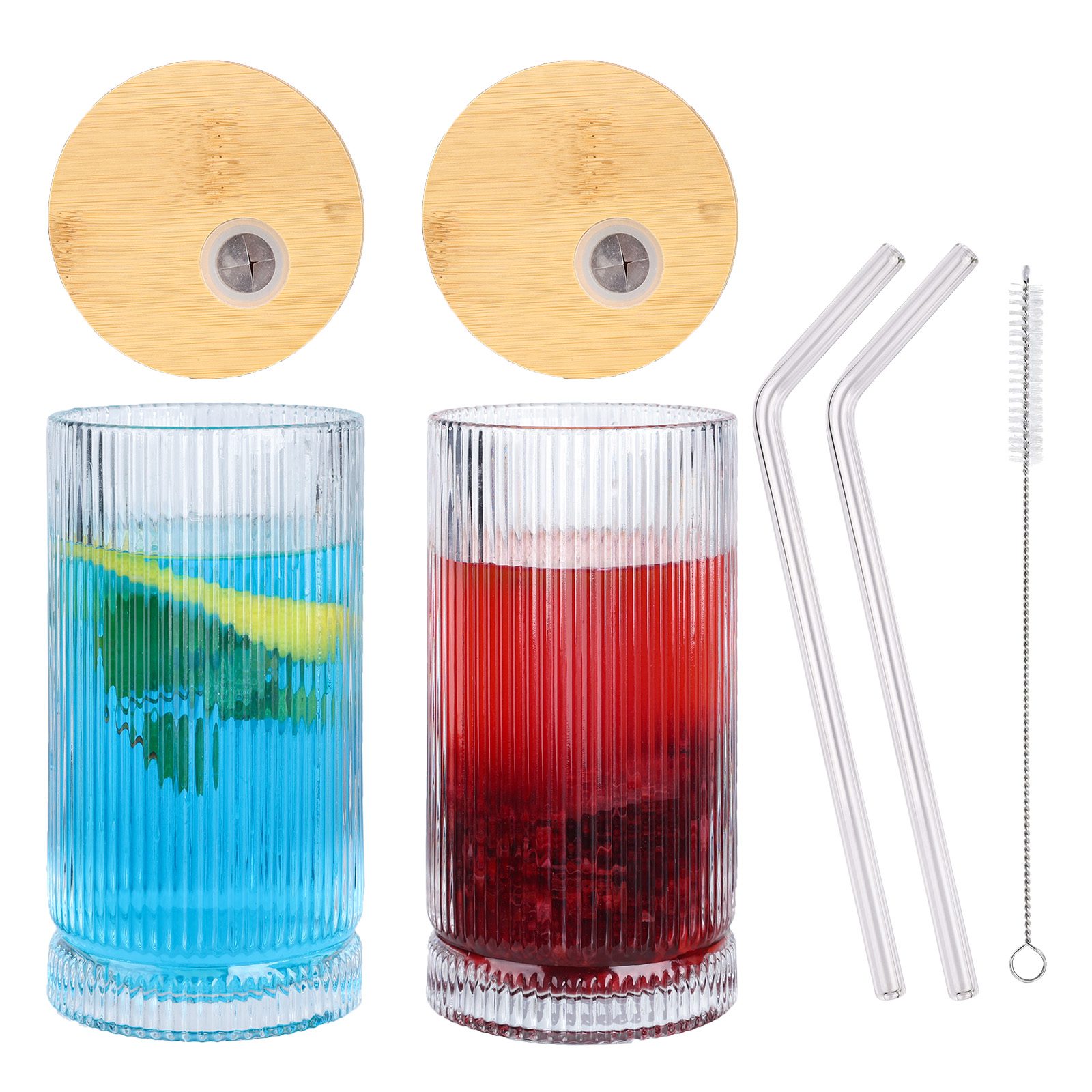
Über das Design hinaus trägt die richtige Wahl des Deckels maßgeblich zur Zufriedenheit der Nutzer bei. Ein Becher, der für den mobilen Gebrauch konzipiert ist, muss zuverlässig dicht schließen. Unsere bevorzugte Kombination ist ein Deckel aus Edelstahl 304 mit einer Dichtung aus lebensmittelechtem Silikon, der unsere internen Dichtheitsprüfungen besteht, ohne dass dabei übermäßiges Drehmoment erforderlich ist. Holzdeckel sind zwar optisch beliebt, sollten jedoch dem Gebrauch zu Hause oder im Büro vorbehalten bleiben, wo Geschirrspüler nicht zum Alltag gehören.
Zertifizierungen, auf die es bei der Bestellung von Großmengen an Tumbler ankommt
Käufer fragen mich oft, welche Zertifizierungen sie verlangen sollen, und ich antworte immer: Lassen Sie den Zielmarkt diese Frage beantworten. Der europäische Markt verlangt LFGB- und CE-Kennzeichnungen für Glaswaren, die mit Lebensmitteln in Berührung kommen. In den Vereinigten Staaten ist die Einhaltung der FDA-Vorschriften entscheidend, und oft wird ein Nachweis der BPA-Freiheit verlangt, obwohl Glas von Natur aus kein BPA enthält. Australien und Neuseeland wenden AS/NZS-Normen an, die den EU-Vorschriften für Lebensmittelkontaktmaterialien sehr ähnlich sind.
Ein seriöser Hersteller sollte Ihnen die tatsächlichen Laborberichte vorlegen können, nicht nur die Zertifikate. Unsere Materialien werden in von der SGS akkreditierten Labors auf Blei, Cadmium und die Grenzwerte für die Gesamtmigration geprüft, und wir können Ihnen diese Unterlagen bereits in der Musterphase zur Verfügung stellen. Fragen Sie über die Lebensmittelsicherheitstests hinaus auch nach den Ergebnissen von BSCI- oder SMETA-Audits, falls Ihre Marke Verpflichtungen zur ethischen Beschaffung eingegangen ist. Ein Becher, der zwar die chemischen Sicherheitsprüfungen besteht, aber aus einer nicht überwachten Produktionslinie stammt, birgt ein Risiko, das der Importeur nicht ohne Weiteres beseitigen kann.
Großabnehmern empfehle ich außerdem, vor Produktionsbeginn einen AQL-Prüfstandard zu vereinbaren. Wir versenden standardmäßig mit einem AQL-Wert von 2,5 für optische Mängel und einer Null-Toleranz für Absplitterungen oder Risse am Rand. Die schriftliche Festlegung dieser Erwartungen verhindert Streitigkeiten darüber, was bei einer Lieferung von 20.000 Glasbechern als akzeptable Fehlerquote gilt.
Warum Produktionsumfang und Formkapazität die Liefertreue bestimmen
Ein schönes Muster nützt nichts, wenn die Fabrik es mitten im vierten Quartal nicht auf sechs Behälter hin reproduzieren kann. Wenn ich mit Markenmanagern spreche, die Lieferanten prüfen, rate ich ihnen, die tägliche Produktionsleistung pro Form und die Anzahl der verfügbaren identischen Glühlinien zu betrachten.
Unser Werk verfügt über mehr als 100 moderne Glasformmaschinen und kann täglich 200.000 Stück in verschiedenen Becherformen liefern. Dank dieser Kapazität können wir einzelne Abnehmeraufträge auf parallele Produktionslinien konzentrieren und so die Lieferzeiten in Spitzenzeiten verkürzen. Zudem verfügen wir über Glühöfen mit Reservekapazität, sodass ein einzelner Anlagenstillstand nicht zu einer Verzögerung des gesamten Auftrags führt.
Für Marken, die saisonale Werbeaktionen oder Geschenksets für die Feiertage auf den Markt bringen, ist diese Produktionsreserve entscheidend, da das Zeitfenster auf dem Markt begrenzt ist. Ich erinnere mich an einen Auftrag aus dem dritten Quartal von einer europäischen Kette, die innerhalb von fünf Wochen 35.000 Markenbecher benötigte. Da wir zwei identische Formen gleichzeitig im Einsatz hatten, konnten wir die gesamte Menge pünktlich und ohne Luftfrachtzuschläge ausliefern. Wenn Sie Fabriken bewerten, fragen Sie, ob diese mehr als eine Form für Ihren Produktionslauf einsetzen können und wie hoch ihre maximale Tagesleistung unter realistischen Personalbedingungen ist – nicht unter theoretischen Idealbedingungen.
Den richtigen Becher für Ihr Sortiment finden
Bei der Auswahl eines Bechers, der den Transport, die Handhabung im Einzelhandel und den täglichen Gebrauch unbeschadet übersteht, geht es darum, die Glaszusammensetzung, das Fassungsvermögen und das Deckelsystem auf die tatsächlichen Trinkgewohnheiten Ihrer Kunden abzustimmen. Ich habe schon zu oft erlebt, dass Marken standardmäßig auf den billigsten verfügbaren durchsichtigen Becher zurückgreifen, nur um dann mit einem sprunghaften Anstieg der Rücksendungen konfrontiert zu werden, der die durch den niedrigeren Stückpreis erzielten Margen zunichte machte. Ganz gleich, ob sich Ihre Vertriebszentren in Europa, Nordamerika oder im Nahen Osten befinden – die technischen Spezifikationen, die Sie in die Bestellung aufnehmen, prägen das Kundenerlebnis und die Wiederkaufrate.
Wenn Sie eine neue Becherlinie planen oder eine SKU mit unzureichender Leistung ersetzen möchten, empfehle ich Ihnen, Ihre gewünschten Getränkesorten, Ihr Budget pro Einheit sowie etwaige Präferenzen hinsichtlich Deckel oder Verpackung einem technischen Ansprechpartner im Werk mitzuteilen, anstatt sich allein auf ein Online-Formular zu verlassen. Für ein unverbindliches Gespräch über Ihre Anforderungen können Sie mich direkt unter [email protected] erreichen.
Häufige Fragen zu Glasbechern für Markeneinkäufer
Sind Borosilikat-Becher mikrowellengeeignet?
Ja, Becher aus 3,3-Borosilikatglas sind grundsätzlich mikrowellengeeignet, da ihre geringe Wärmeausdehnung einen Thermoschock verhindert. Allerdings müssen Metalldeckel oder metallische Zierränder vor dem Erhitzen in der Mikrowelle entfernt werden. Wir empfehlen den Herstellern stets, einen eindeutigen Hinweis zur Verwendung auf der Verpackung anzubringen, wenn der Becher mit einem Deckel aus Edelstahl oder mit Metallauskleidung geliefert wird.
Enthalten Gläser aus China immer Blei?
Nicht, wenn das Werk mit nachweislich bleifreien Rohstoffen produziert. Unsere Glasmassen basieren auf Borsilikat-Netzwerken ohne Bleioxid, und wir lassen jeden Produktionslauf von SGS oder gleichwertigen unabhängigen Labors prüfen. Fordern Sie für jede Lieferung Konformitätsberichte gemäß LFGB § 30 oder FDA CPG 7117.06 an. Ein kompetenter Lieferant wird diese Dokumente bereits vor Ihrer Anfrage bereithalten.
Wie hoch ist die Mindestbestellmenge für Becher mit individuellem Logo?
Unsere standardmäßige Mindestbestellmenge beträgt für Muster ein Stück, während Serienaufträge je nach Komplexität der individuellen Anpassung ab 1.000 Einheiten möglich sind. Formgebundene Designs, Sonderfarben oder firmeneigene Verschlusssysteme erfordern aufgrund der Einrichtungskosten in der Regel höhere Stückzahlen, während Standardformen mit Logodruck bereits in geringeren Mengen bestellt werden können.
Woher weiß ich, ob ein Becher den Versand in mein Land unbeschadet übersteht?
Die Wanddickenverteilung und die Gestaltung des Verpackungs-Einsatzes sind wichtiger als die Glasart. Bevor ein Produkt in die Serienproduktion geht, führen wir Falltestsimulationen gemäß den ISTA-Protokollen durch. Falls in Ihrem Zielmarkt strenge Rückgabebestimmungen bei Bruch gelten, bitten Sie das Werk, Ihnen die aktuellen AQL-Prüfergebnisse zur Verfügung zu stellen und eine für Ihren Logistikweg validierte Verpackungslösung vorzuschlagen.
Halten Holzdeckel in der Praxis genauso gut wie Edelstahldeckel?
Nach unseren Beobachtungen eignen sich Holzdeckel besser für trockene Umgebungen mit moderaten Temperaturen und müssen von Hand gespült werden, um die Dichtigkeit zu gewährleisten. Edelstahldeckel mit Silikondichtungen sind für gewerbliche Geschirrspülmaschinen und heiße Getränke geeignet, ohne dass ihre Eigenschaften beeinträchtigt werden. Für Marken aus dem Gastgewerbe und der Gastronomie ist Edelstahl fast immer langlebiger als Holz.
Sollte Ihr Vertriebsplan den Einsatz in Gastronomiebetrieben mit hohem Durchsatz oder eine intensive Nutzung in Geschirrspülmaschinen vorsehen, ist es ganz einfach, vor der Bestellung die Belastbarkeit des Deckelmaterials zu überprüfen – senden Sie Ihr Anwendungsszenario an [email protected], und wir empfehlen Ihnen konkrete Deckelkombinationen, die sich unter ähnlichen Bedingungen als zuverlässig erwiesen haben.
Wenn Sie daran interessiert sind, sollten Sie sich diese verwandten Artikel ansehen:
Borosilikatglas vsordinäres GlasNatronkalkglas
Wie unterscheidet man Sodalithglas von Borosilikatglas?
warum Glas ein unverzichtbares Starprodukt für Ihre Regale ist
Komplettanbieter für Glaswaren – Direktlieferung an Käufer weltweit
Weltweite Glasknappheit beeinträchtigt die Weihnachtssaison