
 German
  English
  Arabic
  Spanish
 Der Umgang mit defekten Glasprodukten nach der Zollabfertigung gehört zu den Problemen, die zunächst einfach klingen, bis man tatsächlich vor einer Palette mit zerbrochenen Gläsern steht. Der finanzielle Schaden liegt auf der Hand, doch die Folgewirkungen – angespannte Lieferantenbeziehungen, verzögerte Lieferungen, unzufriedene Kunden – können viel länger anhalten als der anfängliche Verlust. Im Folgenden finden Sie eine praktische Anleitung zum Umgang mit Mängeln an Glasprodukten nach der Einfuhr – von Präventionsstrategien, die tatsächlich funktionieren, bis hin zu Rückgaberegelungen, die Streitigkeiten darüber vermeiden, wer für was aufkommt.
Vorbeugung ist immer besser als Schadensbegrenzung
Der effektivste Weg, mit fehlerhaften Glasprodukten umzugehen, besteht darin, deren Ankunft von vornherein zu verhindern. Branchenangaben zufolge sind etwa 70% der Produktmängel auf eine mangelhafte Lieferantenauswahl oder eine unzureichende Qualitätskontrolle vor dem Versand zurückzuführen. Wenn man hier die richtigen Maßnahmen ergreift, lassen sich die Gesamtkosten bis zur Lieferung um 15–20% senken – keine unbedeutende Zahl, wenn man Containerladungen mit zerbrechlichen Gütern importiert.
Die Qualitätssicherung muss bereits in der Rohstoffphase beginnen. Speziell bei Borosilikatglas bedeutet dies, die Zusammensetzung und die thermischen Eigenschaften zu überprüfen, noch bevor die Produktion überhaupt beginnt. Durch eine kontinuierliche Überwachung während der Fertigung lassen sich Probleme erkennen, solange sie noch behoben werden können. Ebenso wichtig sind die Verpackungsstandards. Glas verträgt keine unsachgemäße Handhabung, daher müssen Verpackungslösungen den gesamten Transportweg berücksichtigen – von der Produktionsstätte bis zum Endziel. Produkte wie Wasserflasche aus Borosilikatglas und Borosilikatglas Vorratsgläser für Lebensmittel erfordern eine Polsterung, die Stöße abfedert, ohne sich während des Transports zu verschieben.
In Lieferantenvereinbarungen sollte genau festgelegt werden, was unter akzeptabler Qualität zu verstehen ist. Vage Formulierungen führen später zu Streitigkeiten. Legen Sie Prüfpunkte, Fehlergrenzen und die Konsequenzen bei Nichteinhaltung fest. Regelmäßige Betriebsaudits und Prüfungen vor dem Versand untermauern diese Standards. Wenn Lieferanten wissen, dass Sie sie im Auge behalten, verbessert sich die Qualität in der Regel.
Ein Rückgaberecht entwickeln, das wirklich funktioniert
Klare Rückgabebedingungen verkürzen die Bearbeitungszeit bei Streitfällen um etwa 30% und steigern die Kundenzufriedenheit um 25%. Bei internationalen Transaktionen müssen diese Bedingungen Komplikationen berücksichtigen, die bei inländischen Rücksendungen nicht auftreten.
Beginnen Sie mit den Meldepflichten. Wie schnell müssen Mängel gemeldet werden? Welche Unterlagen sind erforderlich? Die Verfahren für mangelhafte Artikel sollten so konkret formuliert sein, dass keine Unklarheiten darüber bestehen, was als berechtigter Anspruch gilt. Für die Rücksendungslogistik sind eindeutige Regelungen erforderlich – wer übernimmt die Versandkosten, wie wird mit Zollgebühren für zurückgesandte Waren verfahren und was geschieht, wenn der Spediteur die Rücksendung verliert?.
Garantieansprüche erfordern einen eigenen Abschnitt. Herstellungsfehler und Transportschäden sehen oft ähnlich aus, haben jedoch unterschiedliche Auswirkungen auf die Haftungsfrage. Ein systematischer Ansatz, der idealerweise in einem Flussdiagramm dokumentiert ist, sorgt dafür, dass alle Beteiligten auf dem gleichen Stand sind. Dieser Rahmen regelt die Erwartungen sowohl der Importeure als auch der Lieferanten und ermöglicht eine schnellere Lösung, wenn Probleme mit importierten Glasprodukten auftreten.
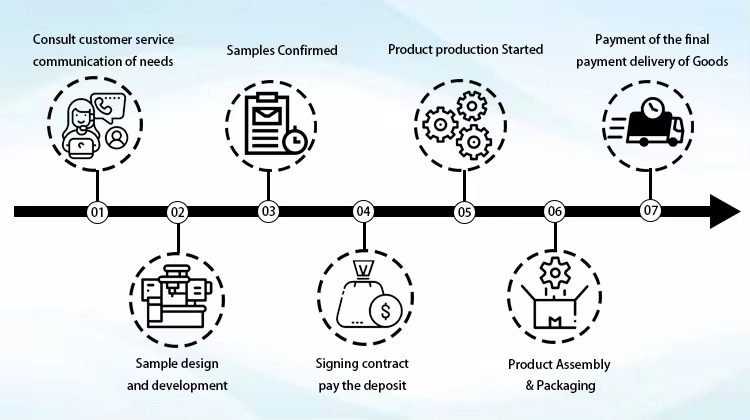
Welche Unterlagen sind für eine erfolgreiche Mängelrüge erforderlich?
Eine umfassende Dokumentation ist entscheidend für den Erfolg einer Mängelrüge. Zu den grundlegenden Unterlagen gehören die ursprüngliche Bestellung, die Handelsrechnung sowie der Frachtbrief oder der Luftfrachtbrief – diese bestätigen, was bestellt und versandt wurde. In Prüfberichten sollten Art und Ausmaß des Schadens detailliert beschrieben werden, untermauert durch hochauflösende Fotos und Videobeweise. Prüfzertifikate und Qualitätssicherungsberichte erhöhen die Glaubwürdigkeit. Dieses Dokumentationspaket unterstützt Versicherungsansprüche bei beschädigter Ware und hilft bei der Klärung von Zollabfertigungsproblemen, die bei mangelhaften Sendungen gelegentlich auftreten.
So bewältigen Sie Schadensfälle beim Versand, ohne dabei den Verstand zu verlieren
Mehr als 10% der Glaslieferungen erleiden während des Transports Schäden in irgendeiner Form. Die Abwicklung von Schadensfällen kann sich wie ein Irrgarten anfühlen, doch ein strukturiertes Vorgehen verbessert die Ergebnisse erheblich.
Überprüfen Sie die Sendung sofort nach Erhalt. Dokumentieren Sie sichtbare Schäden mit Fotos und schriftlichen Beschreibungen, bevor Sie die Lieferung abnehmen. Für die Einreichung eines Versicherungsanspruchs müssen Sie die fristen der jeweiligen Spediteure kennen, die stark variieren. Einige Spediteure verlangen eine Meldung innerhalb von 48 Stunden, andere gewähren eine Woche Zeit. Wenn Sie diese Fristen versäumen, kann Ihr Anspruch vollständig erlöschen.
Für die Einreichung von Schadensmeldungen sind vollständige Unterlagen erforderlich: Frachtbrief, Packliste, Handelsrechnung und Bildnachweise. Unvollständige Einreichungen werden abgelehnt oder verzögern sich. Die Auswahl seriöser Spediteure mit nachweislich guter Erfolgsbilanz beim Umgang mit zerbrechlichen Gütern verringert das Risiko von Zwischenfällen von vornherein. Bei Streitfällen entscheiden oft die Vollständigkeit und die Rechtzeitigkeit Ihrer Unterlagen über den Ausgang des Verfahrens.
Die Fristen für die Einreichung von Anträgen variieren stärker, als man erwarten würde
Die Frist für die Geltendmachung von Ansprüchen bei beschädigten importierten Glasprodukten beträgt in der Regel 3 bis 7 Tage nach der Lieferung, wobei einige Spediteure bei sichtbaren Schäden eine Meldung innerhalb von 24 bis 48 Stunden verlangen. Bei versteckten Schäden – also Problemen, die Sie erst nach dem Auspacken entdecken – gilt möglicherweise eine Frist von 7 bis 14 Tagen. Das Versäumen dieser Fristen kann dazu führen, dass Ihre Gewährleistungsansprüche vollständig verfallen und rechtliche Komplikationen entstehen. Eine umgehende Einreichung mit vollständiger Dokumentation maximiert die Chancen auf eine Genehmigung.
Transportschäden im Vergleich zu Herstellungsfehlern
Die Unterscheidung zwischen Transportschäden und Herstellungsfehlern entscheidet darüber, wer die Verantwortung trägt. Transportschäden zeigen sich in der Regel in Form von Rissen, Absplitterungen oder Glasbruch, die sich vor allem an Aufprallstellen oder an Stellen konzentrieren, an denen die Verpackung versagt hat. Diese Schäden entstehen während des Transports durch äußere Einwirkungen.
Herstellungsfehler zeigen sich auf unterschiedliche Weise. Im Glas eingeschlossene Blasen, ungleichmäßige Wandstärken, Spannungsrisse, die nicht auf Stöße zurückzuführen sind, oder Formfehler deuten allesamt auf Produktionsprobleme hin. Diese Mängel lagen bereits vor, bevor das Produkt das Werk verließ. Eine sorgfältige Qualitätskontrolle und ein Abgleich mit den Produktspezifikationen helfen dabei, festzustellen, ob die Mängel am Borosilikatglas bereits bei der Herstellung oder erst während des Transports entstanden sind.
Wenn eine Nachbearbeitung sinnvoller ist als eine Rücksendung
Nicht jedes fehlerhafte Glasprodukt muss an den Lieferanten zurückgeschickt werden. Eine Kosten-Nutzen-Analyse der Optionen für Nachbesserung, Wiederverwertung und Entsorgung kann überraschende Einsparungen aufzeigen – die Nachbesserung geringfügiger Mängel kostet manchmal 40% weniger als ein vollständiger Austausch und eine Rücksendung.
Die Gesamtbetriebskosten für fehlerhafte Waren gehen über den Kaufpreis hinaus. Berücksichtigen Sie Versandkosten, Zollgebühren, Prüfzeiten sowie mögliche Rückgabe- oder Entsorgungsgebühren. Bei Produkten wie einem Glas-Wasserflasche oder Glasgefäß, kleinere optische Mängel lassen sich möglicherweise durch Nachbearbeitung beheben, wodurch sich ein höherer Verwertungswert als bei der Entsorgung erzielen lässt. Zu den Verwertungsmöglichkeiten gehören der Verkauf der Artikel zu reduzierten Preisen oder die Wiederverwendung von Bauteilen.
Die Entsorgung ist mit eigenen Kosten verbunden – Umweltgebühren, Logistikkosten und die Opportunitätskosten für Lagerbestände, die keine Einnahmen generieren. Ein Rahmenkonzept zur Berechnung dieser Kosten sollte den Arbeitsaufwand für Nachbesserungen, die Transportkosten für die Verwertung sowie die Entsorgungsgebühren berücksichtigen. Diese Bewertung trägt zur Optimierung der Lieferkette bei, indem sie finanzielle Verluste durch fehlerhafte Lagerbestände minimiert.
Die Beziehungen zu den Lieferanten bestimmen die langfristigen Fehlerquoten
Starke Beziehungen zu Lieferanten können die Fehlerquote im Laufe der Zeit um 15–20% senken. Dabei geht es nicht darum, freundlich zu sein, sondern darum, Systeme zu schaffen, die Probleme frühzeitig erkennen und deren Wiederholung verhindern.
Klare Kommunikationskanäle und regelmäßige Feedback-Schleifen bilden die Grundlage. Bei Vertragsverhandlungen sollten akzeptable Qualitätsniveaus (AQLs), Prüfverfahren und Prozesse für den Umgang mit nicht konformen Waren festgelegt werden. Lieferantenvereinbarungen benötigen explizite Mechanismen zur Streitbeilegung, damit Meinungsverschiedenheiten nicht zu Rechtsstreitigkeiten eskalieren.
Lieferanten mit etablierten Qualitätskontrollverfahren beteiligen sich aktiv an der Ursachenanalyse, wenn Mängel auftreten. Dieser kooperative Ansatz verhindert, dass sich dieselben Probleme wiederholen. Er schafft Vertrauen, von dem beide Seiten langfristig profitieren, und trägt durch gemeinsame Verantwortung zur Optimierung der Lieferkette bei.
Wenn Sie interessiert sind, schauen Sie unter 《auswahl chinesischer glasproduktionsbetriebe》.
Arbeiten Sie mit der Xuzhou Jianmei Glass Products Co., Ltd. zusammen, um hochwertige Glaswaren zu erhalten
Sichern Sie sich die Qualität Ihrer importierten Glasprodukte mit einem vertrauenswürdigen Partner. Xuzhou Jianmei Glass Products Co., Ltd. bietet eine beispiellose Qualitätskontrolle, robuste Verpackungen und zertifizierte Borosilikatglasprodukte, die darauf ausgelegt sind, Rücksendungen und Mängel auf ein Minimum zu reduzieren. Arbeiten Sie mit uns zusammen, um eine zuverlässige Beschaffung und eine erfolgreiche Zusammenarbeit zu gewährleisten. Kontaktieren Sie [email protected], um Ihren individuellen Bedarf an Glaswaren zu besprechen und unser Engagement für Spitzenqualität kennenzulernen.
Häufig gestellte Fragen zur Rückgabe importierter Glasprodukte
Was sind die häufigsten Ursachen für Mängel bei importierten Glasprodukten?
Mangelhafte importierte Glasprodukte sind in der Regel auf eine unzureichende Qualitätskontrolle bei der Herstellung, eine unzureichende Verpackung oder unsachgemäße Handhabung während des internationalen Transports zurückzuführen. Um dies zu verhindern, sind gründliche Prüfungen vor dem Versand, eine auf die Zerbrechlichkeit von Glas abgestimmte Verpackung sowie Lieferanten mit nachweislicher Erfolgsbilanz in der Qualitätssicherung erforderlich. Klare Lieferantenvereinbarungen, in denen die Qualitätsanforderungen festgelegt sind, verringern Unklarheiten darüber, was akzeptabel ist.
Wie wirken sich Zollvorschriften auf internationale Rücksendungen aus?
Zollvorschriften erschweren internationale Rücksendungen erheblich. Die Rücksendung defekter Glasartikel erfordert oft spezielle Unterlagen für die Wiedereinfuhr oder Entsorgung. Die korrekte Einstufung, die genaue Wertermittlung und die Einhaltung der Ein- und Ausfuhrzölle für zurückgesandte Waren sind von entscheidender Bedeutung. Die Zusammenarbeit mit einem Zollagenten oder einem in globaler Logistik erfahrenen Lieferanten optimiert diesen Prozess und beugt Compliance-Problemen vor.
Warum ist die Verpackung bei Glasimporten so wichtig?
Die Verpackung ist der wichtigste Schutz vor Transportschäden bei Glasprodukten im internationalen Versand. Eine unzureichende Verpackung ist nach wie vor eine der Hauptursachen für Mängel, die erst nach der Einfuhr festgestellt werden. Eine hochwertige, stoßdämpfende Verpackung, die auf die Zerbrechlichkeit von Glas – insbesondere von Borosilikatglas – zugeschnitten ist, bietet Schutz entlang der gesamten Lieferkette. Lieferanten, die in fortschrittliche Verpackungslösungen investieren, verzeichnen deutlich geringere Rücklaufquoten.