
 German
  English
  Arabic
  Spanish
 Ramadan gifting in the Middle East runs deeper than commercial opportunity. It carries weight—cultural, spiritual, and personal. When families gather for Iftar or exchange gifts during Eid al-Fitr, the objects they share become part of the moment. Glassware, particularly pieces that hold tea, coffee, or dates, sits at the center of these gatherings. Getting this right means understanding what quality actually looks like in this market and why borosilicate glass has become the material of choice for buyers who take sourcing seriously.
Why the Middle East Favors Premium Glassware During Ramadan
The GCC region treats Ramadan gifting as an expression of generosity and respect. Consumers in Saudi Arabia, the UAE, and Qatar consistently gravitate toward items that balance elegance with everyday function. A glass tea set isn’t just decorative—it gets used, often daily, during the holy month and beyond.
What sells well reflects this dual purpose. Heat-resistant teaware ranks high because traditional beverages are served hot, sometimes multiple times a day. Glass water bottles have gained ground as health-conscious consumers move away from plastic. Storage jars for dates and nuts remain staples, especially when the glass is clear enough to display contents attractively.
| Gift Category | Popularity in GCC | Key Features Preferred |
|---|---|---|
| Tea & Coffee Sets | Hoch | Elegant designs, heat retention, intricate patterns |
| Wasserflaschen | Medium-High | Durability, portability, eco-friendly materials |
| Vorratsgläser für Lebensmittel | Mittel | Airtight seals, clear visibility, stackable designs |
| Decorative Vases | Low-Medium | Unique shapes, subtle embellishments |
| Scented Candle Holders | Mittel | Traditional motifs, quality glass, safe construction |
Qatar’s Ramadan promotions frequently feature bespoke items, which tells you something about the market’s appetite for uniqueness. Generic products struggle here. Buyers want pieces that feel considered, not mass-produced in the most obvious sense.
Borosilicate Glass Outperforms Standard Materials for Ramadan Drinkware
Material choice matters more than many importers realize. Borosilicate glass handles thermal shock that would crack ordinary soda-lime glass. Pour boiling tea into a borosilicate glass mug, then add ice water an hour later—the glass survives. This durability makes it practical for Ramadan use, where hot Iftar beverages and cold Suhoor drinks appear in the same household, often using the same glassware.
The clarity of borosilicate glass also contributes to its appeal. It doesn’t cloud or discolor over time, which matters for gift items expected to last years. Double-wall construction, common in premium borosilicate drinkware, adds insulation without sacrificing visual elegance.
Sourcing borosilicate glass drinkware requires attention to manufacturing standards. Not all factories produce consistent quality. Vetting suppliers means examining their quality control processes, requesting test reports, and verifying that ethical sourcing practices are in place. A borosilicate glass cup or borosilicate glass water bottle should meet the same standards whether it’s the first piece off the line or the ten-thousandth.
Which Glass Drinkware Types Sell Best for Ramadan Gift Sets
Double-wall glass mugs consistently perform well. The insulation keeps beverages at temperature longer, which practical buyers appreciate. Traditional teaware sets with intricate patterns appeal to those seeking items suitable for formal gatherings.
Glass water bottles have carved out significant market share. The 500ml capacity hits a sweet spot for portability and daily use. Wholesale glass water bottle orders for Ramadan promotions have grown steadily as sustainability concerns influence purchasing decisions.
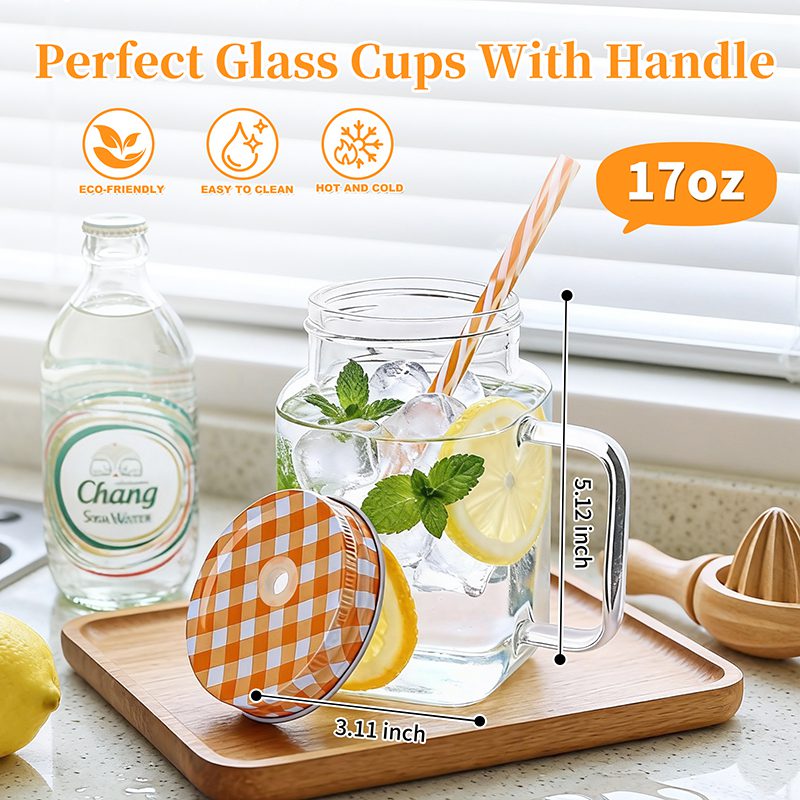
Glass jars for gifting serve a specific function during Ramadan—storing dates, nuts, and sweets that families share with visitors. A well-designed glass jars for gifting becomes part of the hospitality ritual.
Custom glass tumblers offer flexibility for brands wanting to differentiate their offerings. Bespoke manufacturing allows for unique shapes, sizes, and finishes that standard catalog items can’t match.
For context on why manufacturing location matters, 《warum 60 der Käufer ihre Aufträge an diese chinesische Fabrik übertragen haben》 explains the factors driving sourcing decisions.
Customization That Resonates With Middle Eastern Buyers
Generic products rarely succeed in the premium Ramadan gift market. Customization transforms a functional item into something memorable. OEM glass drinkware programs allow businesses to develop products that reflect both their brand identity and the cultural preferences of their target market.
Color selection carries cultural weight. Gold and silver tones signal luxury. Deep jewel tones—emerald, sapphire, ruby—connect to traditional aesthetics. Geometric patterns and arabesques reference Islamic art traditions without being heavy-handed about it.
Arabic calligraphy on glass adds personal significance. Blessings, festive greetings, or meaningful phrases turn a glass mug or jar into something worth keeping. The execution matters—poorly rendered calligraphy reads as disrespectful rather than thoughtful.
Getting Cultural Details Right in Custom Glassware
Working with manufacturers experienced in Middle Eastern markets reduces the risk of cultural missteps. Preferred colors, pattern styles, and text placement all follow conventions that outsiders might not intuitively understand.
Packaging deserves equal attention. Cultural gift packaging should complement the product inside. Unboxing matters in a market where gifts are often presented formally. Cheap packaging undermines even excellent glassware.
Bespoke glass manufacturing capabilities determine what’s actually achievable. Some customization options require specific equipment or expertise. Discussing design concepts early with manufacturers helps identify what’s feasible within budget and timeline constraints.
Certifications and Quality Control Protect Your Market Position
International buyers face real risks when sourcing glassware. Products that fail safety standards can’t legally enter certain markets. Items that break easily generate returns and damage brand reputation. Quality control isn’t bureaucratic overhead—it’s protection.
FDA certified glassware and CE certified glass products meet established safety benchmarks. These certifications confirm that materials used are food-safe and that manufacturing processes meet regulatory requirements. Requesting documentation upfront saves problems later.
Factory audits reveal what certifications alone can’t. Visiting production facilities—or having third-party inspectors do so—exposes gaps between claimed capabilities and actual practices. Sample testing before bulk production catches quality issues early, when corrections are still possible.
Supplier transparency matters. Manufacturers willing to share documentation, facilitate inspections, and answer detailed questions about their processes tend to be the ones worth partnering with long-term.
Practical Steps for Verifying International Glassware Suppliers
Start with certification verification. Request copies of FDA, CE, and other relevant certifications. Confirm their validity directly with issuing bodies when possible.
Factory audits should assess manufacturing processes, hygiene standards, and working conditions. Third-party inspection services provide independent evaluation when direct visits aren’t practical.
Sample testing programs should evaluate material composition, thermal resistance, and durability under realistic use conditions. A glass cup that looks good but cracks under normal temperature changes won’t satisfy end consumers.
Manufacturers maintaining comprehensive testing programs—some maintain over 100 testing certifications—demonstrate systematic commitment to quality rather than minimum compliance.
《Wie unterscheidet man Sodalithglas von Borosilikatglas?》 provides technical background useful for evaluating supplier claims about materials.
Logistics Planning for Ramadan Delivery Windows
Ramadan dates shift annually according to the lunar calendar, which means delivery windows require advance planning. Products arriving after the gifting season has passed represent missed revenue and wasted inventory.
International shipping to the Middle East involves multiple variables: transit times, customs clearance procedures, and potential delays at ports. Building buffer time into schedules accounts for unexpected holdups.
Customs clearance in Middle Eastern countries follows specific documentation requirements. Missing paperwork or incorrect classifications cause delays. Working with freight partners experienced in the region reduces clearance complications.
Inventory management for seasonal products requires balancing adequate stock against overcommitment. Bulk glass orders for Ramadan should arrive early enough to allow for distribution, but not so early that storage costs accumulate unnecessarily.
Building Supplier Relationships That Support Long-Term Growth
One-off transactions rarely produce the best outcomes in glassware sourcing. Suppliers invest more in relationships they expect to continue. Custom tooling, priority production scheduling, and flexible terms typically follow from established partnerships rather than first orders.
Manufacturing capabilities determine what’s possible. Facilities with advanced equipment can execute designs that smaller operations can’t. Production capacity matters for scaling—a supplier that handles 5,000 pieces well might struggle with 50,000.
Sample services allow testing before commitment. Evaluating actual products rather than catalog images reveals quality levels and customization execution. Manufacturers confident in their work welcome this process.
Intellectual property protection becomes relevant for custom designs. Appearance patents and IP rights demonstrate that a manufacturer takes design ownership seriously and has systems to prevent unauthorized reproduction.
Xuzhou Jianmei Glass Products Co., Ltd. operates a 40,000 square meter facility with 100 advanced machines supporting daily production of 200,000 pieces. Founded in 2014, the company holds 45 appearance patents and 32 IP rights. Their client base spans North America, South America, Europe, and Oceania.
FAQs
What makes borosilicate glass suitable for Ramadan gift sets?
Borosilicate glass withstands temperature extremes that would crack standard glass. This thermal resistance matters for Ramadan use, where the same borosilicate glass cup might hold hot tea during Iftar and cold water during Suhoor. The material’s clarity and durability make it appropriate for premium gifting, where recipients expect items to last. A borosilicate glass water bottle or mug functions as both a practical daily item and a meaningful gift.
Can manufacturers handle large custom orders for Middle Eastern markets?
Production capacity varies significantly between manufacturers. Facilities with substantial infrastructure—40,000 square meters, 100+ machines, daily capacity exceeding 200,000 pieces—can fulfill large-volume custom orders reliably. Smaller operations may struggle with scale or consistency. When sourcing glass water bottle or glass mug orders for Ramadan campaigns, verify that your supplier’s actual capacity matches your volume requirements.
Which certifications indicate reliable glassware quality?
FDA and CE certifications confirm compliance with food safety and product safety standards respectively. These certifications matter for market access and consumer confidence. Manufacturers maintaining extensive testing programs—some hold 120+ certifications—demonstrate systematic quality commitment. Request certification documentation and verify authenticity for any glass cup or glass jar products intended for gifting.
What minimum order quantities apply to custom glass drinkware?
Minimums vary by manufacturer and customization complexity. Some manufacturers offer single-piece minimums for prototyping and sample evaluation, allowing businesses to test designs before committing to bulk production. This flexibility supports market testing for glass jar and specialized drinkware products. Discuss MOQ requirements early in supplier conversations to align expectations.
How do manufacturers protect custom designs and intellectual property?
Manufacturers with established IP portfolios—appearance patents, registered designs, trademark protections—typically have systems for managing client intellectual property. This includes non-disclosure agreements, design documentation protocols, and production controls preventing unauthorized reproduction. For unique glass jars with bamboo lids or other custom items, clarify IP ownership and protection measures before sharing proprietary designs.
Partner with Us for Your Ramadan Glassware Needs
Premium glass drinkware sourcing requires manufacturing expertise, quality systems, and cultural understanding. Xuzhou Jianmei Glass Products Co., Ltd. offers customization capabilities, certified quality standards, and production capacity for Ramadan gift programs. Contact [email protected] to discuss your requirements.